
How to Help an Older Dog With Stiff Joints at Home
Key takeaways
- Gentle, regular movement keeps stiff joints looser than long rests.
- A lean weight cuts the load on aging joints every single day.
- Ramps, rugs, and soft beds make home life easier right away.
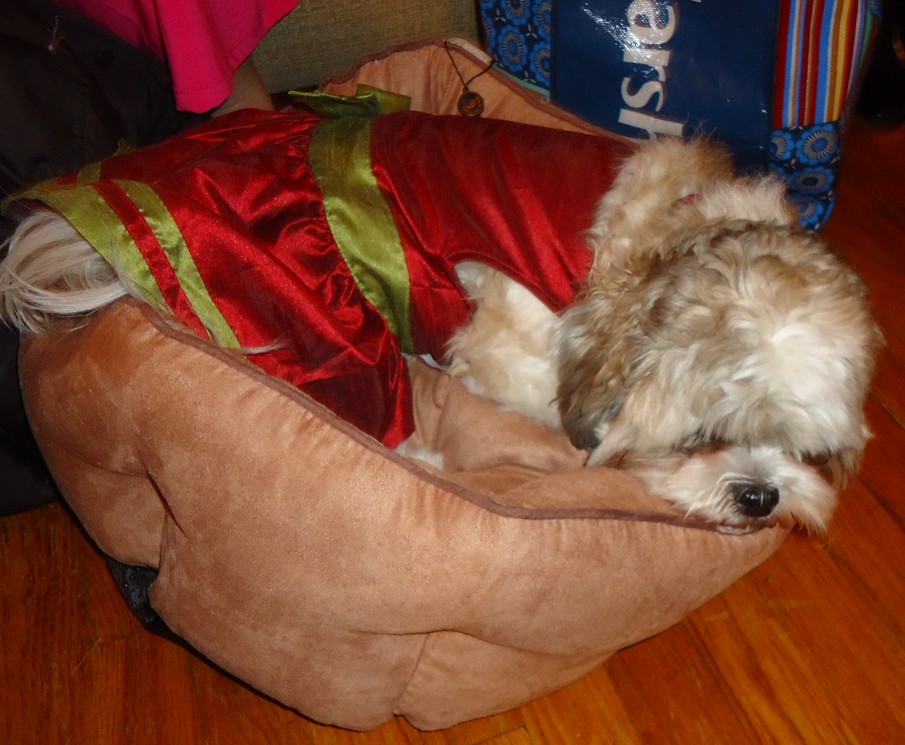
An older dog that rises slowly, hesitates at stairs, or lags on walks is often dealing with stiff, aching joints. Osteoarthritis, the wearing down of cartilage inside a joint, affects a large share of senior dogs. The Journal of the American Veterinary Medical Association puts the share at roughly 20 to 38 percent of the canine population.
There is no home cure for worn cartilage. There is, however, a lot an owner can do. Gentle exercise, a lean weight, a joint-friendly home, and timely veterinary care can keep a stiff dog comfortable and mobile.
This article covers each step in plain terms.
This article is for general information, not medical advice. Joint stiffness can also signal other problems, so a veterinarian should check any dog with new or worsening stiffness.
Spot the signs early
Stiffness rarely arrives all at once. Owners often notice small changes first. The dog takes longer to rise after a nap.
The dog stops jumping onto the bed or into the car. Walks get shorter, or the dog lags behind on the way home.
Other signs include limping after rest, stiffness in cold weather, and reluctance on stairs. Some dogs lick or chew at a sore joint. Others grow grumpy when touched in a tender spot.
A dog that once greeted visitors at the door may stay on its bed instead.
Cold weather often makes stiffness worse. The American Kennel Club notes that senior dogs feel temperature extremes more than younger dogs do, and that warmth can soothe stiffness. A heated bed or a warm blanket after a winter walk often helps.
Keep a short note of what you see. Write down which leg seems stiff, when it happens, and how long it lasts. That record helps a veterinarian tell normal aging from a problem that needs treatment.
Trimming a dog's nails without hurting also gets harder when joints ache, so note nail care too.
Keep the dog moving, gently
Rest feels kind, but too much rest makes stiffness worse. Joints loosen with gentle, regular movement. The American Kennel Club advises keeping up strength and muscle tone, since stiff joints need all the support they can get from surrounding muscles.
Short, steady walks beat one long weekend hike. Two or three calm walks a day, at the dog's pace, keep joints moving without overloading them. Sniff walks count.
Letting the dog explore at its own speed gives mental enrichment along with gentle exercise.
Low-impact activities suit stiff dogs well. Swimming supports the body's weight in water while the legs move freely. Canine Arthritis Resources and Education explains the physics in plain terms: water at hip height can cut the weight carried by the joints by roughly 60 percent, citing a 2010 study by Levine and colleagues.
An underwater treadmill offers the same benefit under supervision.
Avoid the activities that hammer joints. Running, jumping down from cars or beds, and wild off-leash play at the dog park all load joints with fast, hard forces. The same source advises steering dogs with arthritis away from running and jumping down.
Controlled, on-leash movement is the safer pattern.
Watch the dog during and after exercise. A dog that lies down mid-walk, lags badly, or seems stiffer the next morning did too much. Shorten the next outing.
Progress should feel gradual, the same way it does for people.
Weight is the biggest lever
Extra weight presses on every joint with every step. The American Kennel Club warns that overfeeding leads to obesity, which burdens aging joints. For a stiff dog, weight control is often the single most useful change an owner can make.
Start with the food bowl. Measure meals instead of free-feeding. Count treats, which carry hidden calories.
Ask the veterinarian what weight range fits the dog's breed and frame, and aim for that range rather than a number on a bag.
Senior diets can help. Older dogs are often less active, so they need fewer calories. A diet with joint-supporting nutrients, such as omega-3 fatty acids, may also help.
A 2020 review in the Journal of the American Veterinary Medical Association found that diets enriched with omega-3 fatty acids improved clinical signs in dogs with osteoarthritis across several trials. Do not start supplements without asking the veterinarian first, since dose and quality vary.
Weigh the dog monthly. A bathroom scale works for small dogs held in arms, with the owner's weight subtracted. Larger dogs can use the clinic scale during routine visits.
Slow, steady weight loss beats crash dieting.
Make the home joint-friendly
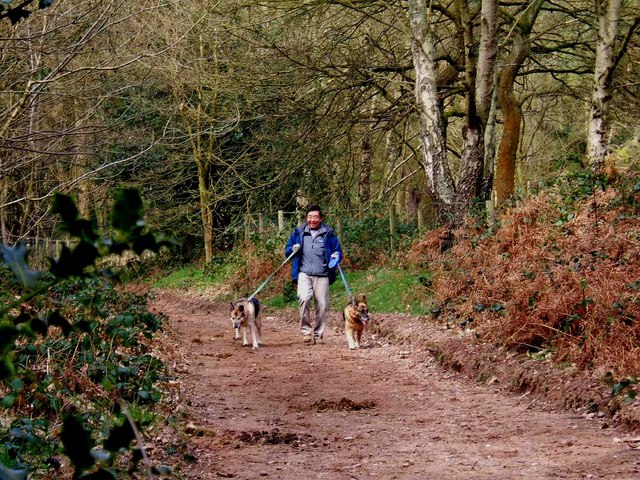
Small home changes pay off fast. Stairs, slippery floors, and high jumps are the daily obstacles for a stiff dog. Remove them where you can.
Ramps beat stairs. A ramp to the car, the porch, or the bed lets the dog move without jumping. The American Kennel Club suggests pet stairs for furniture and a ramp for the car.
Non-slip rugs or yoga mats on hardwood floors give paws grip. Place a mat in front of food and water bowls so the dog stands steady while eating.
Beds matter more with age. A thick orthopedic or memory foam bed supports sore joints better than a thin mat on a hard floor. A heated bed can soothe stiffness, and the American Kennel Club notes that dogs who feel the cold love them.
Keep beds in warm, draft-free spots, and add one near the family so the dog rests nearby instead of climbing to a favorite chair.
Raise the food and water bowls slightly. A small stand means the dog does not have to stretch a stiff neck down to the floor. Keep the bowls in the same spot so the dog finds them without hunting.
Grooming needs a gentle hand. Stiff dogs may struggle to reach every part of their body, so regular brushing helps prevent matting. The American Kennel Club advises extra grooming sessions for seniors, plus more frequent nail trims, since less active dogs wear their nails down less.
Grooming time also lets you check for lumps and skin changes.
What the veterinarian can do
Home care handles the daily routine, but a veterinarian handles diagnosis and pain relief. A checkup should come early, not after months of stiffness. The veterinarian can confirm whether arthritis is the cause, rule out injuries, and build a plan for that dog.
Treatment is often multimodal, meaning several tools at once. The Journal of the American Veterinary Medical Association lists core strategies that include anti-inflammatory medicines, weight control, rehabilitation, and nutraceuticals. Your veterinarian may prescribe pain relief, suggest physical therapy, or discuss newer options for dogs that do not respond to basic care.
Bring your notes to the visit. Tell the veterinarian when stiffness appears, which joints seem worst, and how the dog responds to exercise. Mention any supplements you already use.
Ask how to judge whether a treatment is working, and when to come back.
Between visits, watch for red flags. Sudden inability to stand, crying in pain, a hot or swollen joint, or a sharp change in appetite needs prompt attention. Those signs can mean something beyond ordinary arthritis.
For car trips to the clinic, traveling with a pet by car goes smoother with a ramp and a calm routine.
A sample daily routine
A steady routine helps a stiff dog more than occasional big efforts. Here is a simple day that many owners can follow.
Morning starts with a gentle warm-up. Let the dog rise at its own pace, then take a short, slow walk. Five to ten minutes is enough on a bad day.
Feed the measured breakfast after the walk, and offer fresh water.
Midday brings a second short walk or a calm play session. Puzzle toys and sniff games keep the mind busy without loading the joints. The American Kennel Club recommends mental enrichment such as puzzle toys and trick training for seniors.
Cats show a different kind of body language, but dogs also benefit from calm, predictable routines.
Evening adds a third short walk and a check of the bed. Warm the sleeping area on cold nights. End the day with gentle brushing if the dog enjoys it.
On good days, the dog may want more. Let the dog set the pace, and stop while the dog still seems happy. Quitting a walk one block early beats carrying a sore dog home.
Frequently asked questions
Is stiffness in an older dog always arthritis?
Not always. Stiffness can follow an injury, a pulled muscle, or a neurological problem. Arthritis is the most common cause in seniors, but only a veterinarian can confirm it.
A sudden onset or one-sided lameness deserves a quicker visit.
Should a stiff dog still climb stairs?
Occasional stairs are fine for many dogs, but daily stair climbing can aggravate sore joints. A ramp or a carried lift is kinder for a dog that hesitates or limps after stairs. If stairs are unavoidable, a harness with a handle can help support the dog.
Do joint supplements work?
Some evidence supports omega-3 fatty acid diets for dogs with osteoarthritis, as the veterinary review above shows. Evidence for glucosamine and chondroitin is more mixed. Ask the veterinarian about products with tested quality, and give any supplement enough weeks to show an effect.
When should I call the veterinarian?
Call promptly for sudden lameness, swelling, crying in pain, loss of appetite, or stiffness that worsens over days. Also call before starting any new supplement or pain medicine, since some human medicines are unsafe for dogs.
The bottom line
An older dog with stiff joints needs steady, gentle care rather than one big fix. Keep the dog moving with short walks, keep the weight lean, and reshape the home with ramps, rugs, and a supportive bed. Then let the veterinarian handle diagnosis and pain relief.
Small daily steps add up to a more comfortable life for a dog that has given years of company.
Tags: senior dogs, dog joints, dog arthritis, pet care
Latest in Pets
- Trimming a dog's nails without hurting
- Why cats knead with their paws
- Why cats stare
- Litter training a kitten step by step
Subscribe for one practical pet care explainer each week.
Related stories

Why Does My Dog Eat Grass and Vomit?
A UC Davis study of 1,571 owners found grass eating is normal dog behavior, not self-medication: only 10% were ill first. What the science

Why Does My Dog Stare at Me While I Eat?
Dogs stare at you while you eat because it has worked before, and mutual gaze raises bonding hormones. Learn the reinforcement science

Foods toxic to dogs: the list, with reasons
Chocolate, xylitol, grapes, onions: common foods can harm dogs. Learn what makes each one toxic, the warning signs, and what to do if your