
Why Do Cats Stare at You for So Long
Key takeaways
- A long cat stare is usually communication, not rudeness, and the meaning sits in the whole body.
- Soft eyes and slow blinks signal affection, while a hard stare with stiff posture signals a warning.
- New or intense staring paired with behavior changes deserves a vet visit.
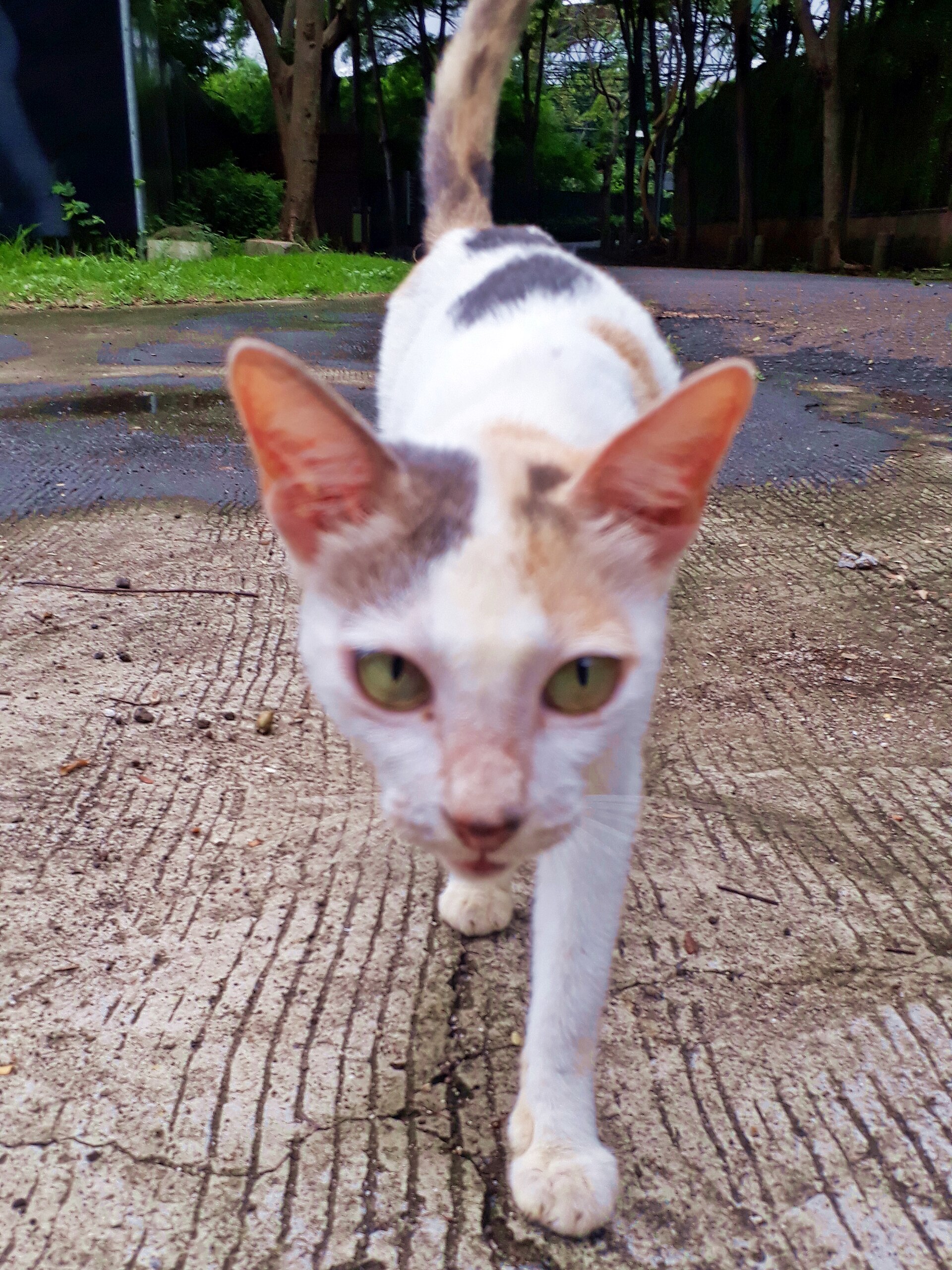
A cat that locks eyes with you for a full minute is not broken, and it is probably not plotting anything. Cats use staring as one of their main ways to talk to people. They cannot point, wave, or explain, so they watch and wait for you to notice.
This article explains why cats stare at you for so long, including the six most common reasons, how to read the rest of the body, and when a stare means you should call a vet.
Staring is a cat language
Humans treat a long stare as rude. Cats treat it as information. PetMD explains that a staring cat may be asking for attention, seeking food, inviting play, showing affection, or signaling fear or aggression.
The eyes alone do not settle which one it is.
Context helps. A cat that stares at you near the kitchen at feeding time wants something different from a cat that stares at you from under the bed after a loud bang. Time of day helps too.
Cats are crepuscular, which means they are most alert around dawn and dusk. Dr. Deepraj Prajapati, a senior veterinarian at RD Pet Hospital in Ambedkar Nagar, told The Indian Express that staring is part of a cat's natural vigilance and curiosity during those active hours.
The good news is that most stares are easy to read once you check three things: ears, pupils, and posture. Relaxed ears and a loose body point toward friendly reasons. Flat ears, a crouched body, or raised fur point toward fear or a warning.
Reason 1: Attention
Some cats stare simply because it works. You look back, you talk, you reach out, and the cat gets exactly what it wanted. PetMD notes that a cat asking for attention may slow blink, meow, roll over, or rub on nearby objects once it has caught your eye.
If that describes your cat, a short response is fine. A few words and a scratch behind the ears reward a polite request. If the staring turns into constant demand, keep play and attention on a loose routine instead of answering every stare at once.
Reason 2: Play
A cat that wants to play often crouches low, dilates its pupils, and swishes its tail while it stares. PetMD describes how such a cat may then sprint toward you, swat at your foot, or veer off before contact. Some cats tackle an ankle and bunny kick it with their hind paws.
That burst is an invitation, not an attack. Grab a wand toy and give the cat a proper chase. A few minutes of play burns off the hunting energy behind the stare.
It also teaches the cat that toys, not ankles, are the right target.
Reason 3: Hunger
Food is one of the most common reasons for a long stare. PetMD reports that some cats stare at feeding time, then vocalize and rub on their owner once eye contact is made. Others walk or run to the bowl, the feeder, or the spot where food is kept.
Some cats stare while you eat your own meal, hoping for a morsel. Resist sharing food from your plate. Many human foods are unsafe for cats, and table scraps teach the cat to beg at every meal.
A fixed feeding schedule reduces food staring over time, because the cat learns when the next meal arrives.
Reason 4: Affection
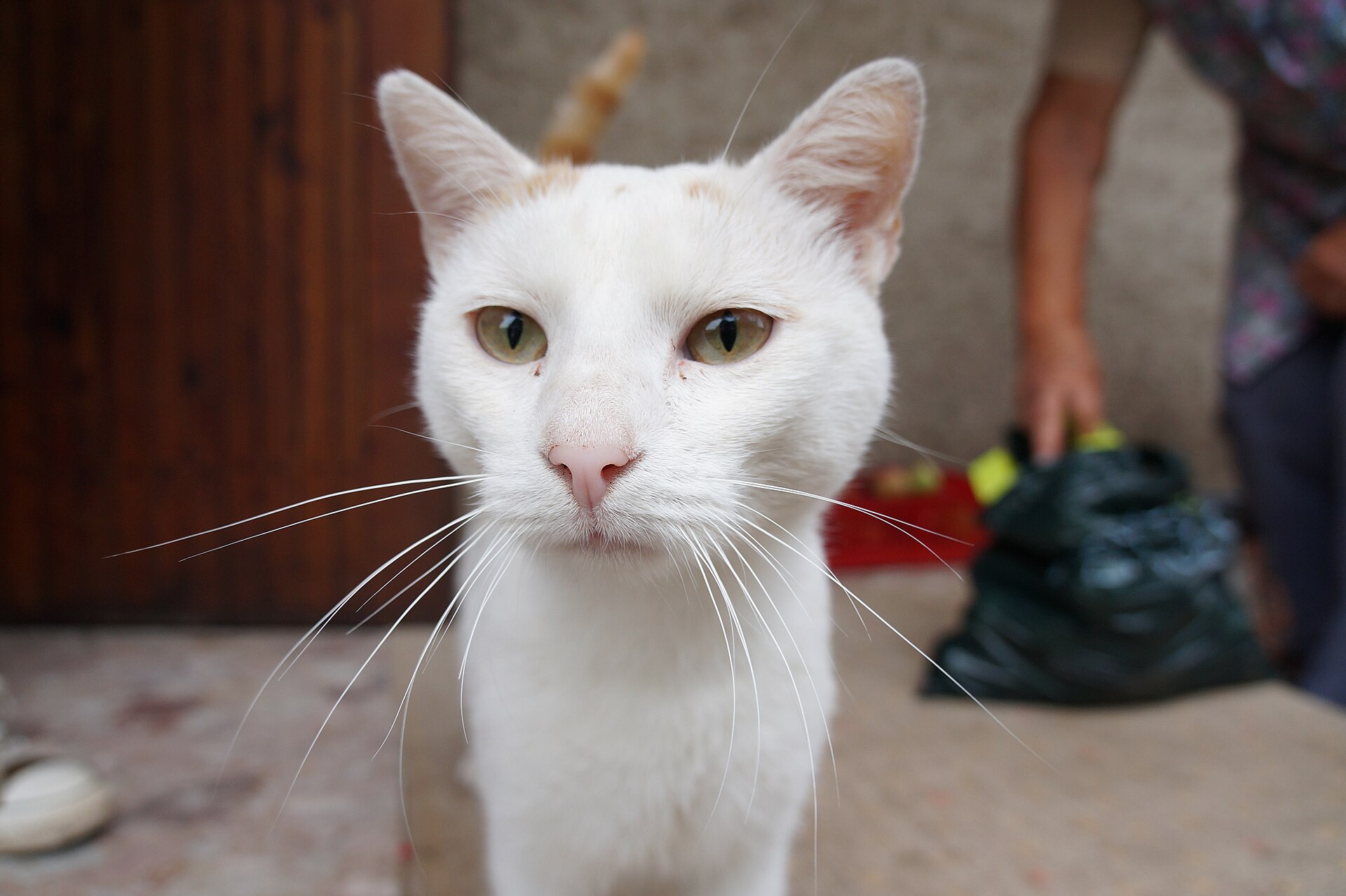
A slow blink is the stare every cat owner wants to see. PetMD explains that a cat shows affection by making eye contact and blinking softly. Closing the eyes near you means the cat feels safe enough to drop its guard for a second.
Mille Lacs Veterinary Group calls the slow blink the feline equivalent of a kiss. A cat that looks at you and blinks slowly is showing trust in one of the clearest ways a cat can. You can slow blink back.
Many owners find the cat returns the blink, which is a small but real exchange.
Affection stares usually come with a relaxed body. The ears sit in a neutral position. The tail rests still or moves in a slow sweep.
The cat may lean toward you or settle nearby after the blink.
Reason 5: Fear
A fearful stare looks very different once you know the signs. PetMD lists dilated pupils, a lowered head, ears pulled to the side or back, a crouched body, and raised fur. The cat stares because it wants to keep the scary thing in sight.
The trigger may be a loud noise, a quick movement, a guest, or a memory of a past bad experience. Do not stare back at a frightened cat. A direct gaze can feel like a threat to an animal that already feels cornered.
Instead, avert your gaze, stay still, and give the cat room. Once you are at least 5 feet away, PetMD suggests tossing a toy to the other side of the room to redirect the cat. Let the cat leave on its own terms.
Chasing a scared cat only confirms that people are something to fear.
Reason 6: Aggression
A hard, unblinking stare with a stiff body is a warning. PetMD warns that when a cat pairs that gaze with raised fur along the back and tail, it is telling the other party to back off or face a confrontation. The other party needs to retreat and give the cat distance.
Mille Lacs Veterinary Group gives the same warning in plainer terms. A hard stare without blinking, with flattened ears and a puffed-up tail, can mean the cat feels territorial or aggressive. Learn to spot that combination, because it is the opposite of the soft affection stare.
If you see it, do not reach for the cat, talk to it, or try to pet it. Step back quietly and let the cat calm down. Check later for the trigger, such as a strange cat outside the window, a new pet, or pain when touched in one spot.
Why cats watch you sleep
Nighttime staring feels eerie, but it has ordinary explanations. Dr. Prajapati told The Indian Express that many cats watch their owners while sleeping because they link them with safety, routine, and resources such as food and comfort.
Over time, that watchful habit blends with social bonding.
Some cats stare at a sleeping owner as a quiet way of seeking reassurance or closeness. That pattern shows up most in homes where the cat has bonded strongly with one person. Since cats do not vocalize much unless they need to, staring becomes a low-effort way to check in.
A cat that has learned that eye contact leads to interaction may also wait patiently for you to wake up. Feeding, play, and affection all follow waking hours. From the cat's point of view, watching is a sensible way to catch the start of the day.
When a stare means a vet visit
Most staring is normal. A change in staring is what deserves attention. Dr.
Prajapati told The Indian Express that intense, repetitive staring paired with restlessness, extra vocalizing, altered sleep patterns, or unusual aggression may point to stress or anxiety. New pets, a move, or a change in routine can heighten the behavior.
In older cats, steady nighttime staring with pacing or confusion may link to age-related cognitive changes. Medical issues such as hyperthyroidism, pain, or sensory decline can also shift nighttime behavior. If the staring is new, excessive, or paired with other physical or behavioral symptoms, a vet visit is the right next step.
Mille Lacs Veterinary Group gives the same advice. Cats hide pain well, so a constant stare can be their way of saying something feels wrong. Changes in appetite, lethargy, or unusual behavior alongside the stare make the case for a checkup stronger.
How to respond to each stare
Start with the body, not the eyes. Ask four quick questions. Are the ears forward, neutral, or flat?
Are the pupils narrow, normal, or wide? Is the body loose or stiff? Is the tail still, sweeping slowly, or puffed up?
If the answers point to affection, attention, play, or hunger, respond in kind. Slow blink back, offer a toy, or check the feeding schedule. If the answers point to fear or aggression, back off and give space.
Your calm retreat teaches the cat that you are safe.
Keep a short note if the pattern changes. Record when the staring happens, what came before it, and what else changed in the house. That log helps a vet separate a habit from a symptom, and it stops you from guessing.
FAQ
Do cats stare because they are angry?
Sometimes, but anger is only one of several reasons. A hard, unblinking stare with a stiff body and flat ears is a warning. A soft stare with slow blinks means affection, and a stare near the kitchen usually means hunger.
Should I stare back at my cat?
A soft gaze with a slow blink is fine and can even build trust. A hard, unblinking stare back can feel like a challenge, especially to a fearful or aggressive cat. Match the cat's tone, and look away if the body looks tense.
Why does my cat stare at me while I sleep?
Cats are most alert around dawn and dusk, and they link their owners with safety, food, and routine. Nighttime staring is usually vigilance, bonding, or quiet waiting for the day to start, not a threat.
When should I worry about staring?
Worry when the staring is new, intense, or paired with changes such as appetite loss, lethargy, pacing, confusion, or aggression. Those combinations deserve a vet visit, since cats hide pain well.
The bottom line
A long cat stare is a message, and the rest of the body carries the translation. Soft eyes mean trust. A play crouch means a toy is needed.
A hard stare means space is needed. Read the whole cat, respond to what you see, and call a vet when the pattern changes. Your cat has been talking to you all along.
Tags: pets, cats, cat behavior, pet care
Latest in Pets
- How to help an older dog with stiff joints
- Why cats knead with their paws
- How to litter train a kitten step by step
- How to trim your dog's nails without hurting
Subscribe for one practical pet care idea each week, straight to your inbox.
Related stories

Why Does My Dog Eat Grass and Vomit?
A UC Davis study of 1,571 owners found grass eating is normal dog behavior, not self-medication: only 10% were ill first. What the science

Why Does My Dog Stare at Me While I Eat?
Dogs stare at you while you eat because it has worked before, and mutual gaze raises bonding hormones. Learn the reinforcement science

Foods toxic to dogs: the list, with reasons
Chocolate, xylitol, grapes, onions: common foods can harm dogs. Learn what makes each one toxic, the warning signs, and what to do if your