
How to Litter Train a Kitten Step by Step at Home
Key takeaways
- Most kittens learn fast when the tray is clean, close, and easy to reach.
- Give one tray per cat plus one spare, placed far from food and water.
- Never punish accidents; reward correct use and clean mishaps with an enzyme cleaner.
Litter training a kitten means teaching a small animal where to toilet in a new home. The good news is that most kittens arrive with a head start. They learn by copying their mother, and they already prefer loose, diggable surfaces.
Your job is to make the right spot obvious, easy, and pleasant.
This article explains how to litter train a kitten step by step, including the setup, the daily routine, the timing that matters, and how to fix common problems.
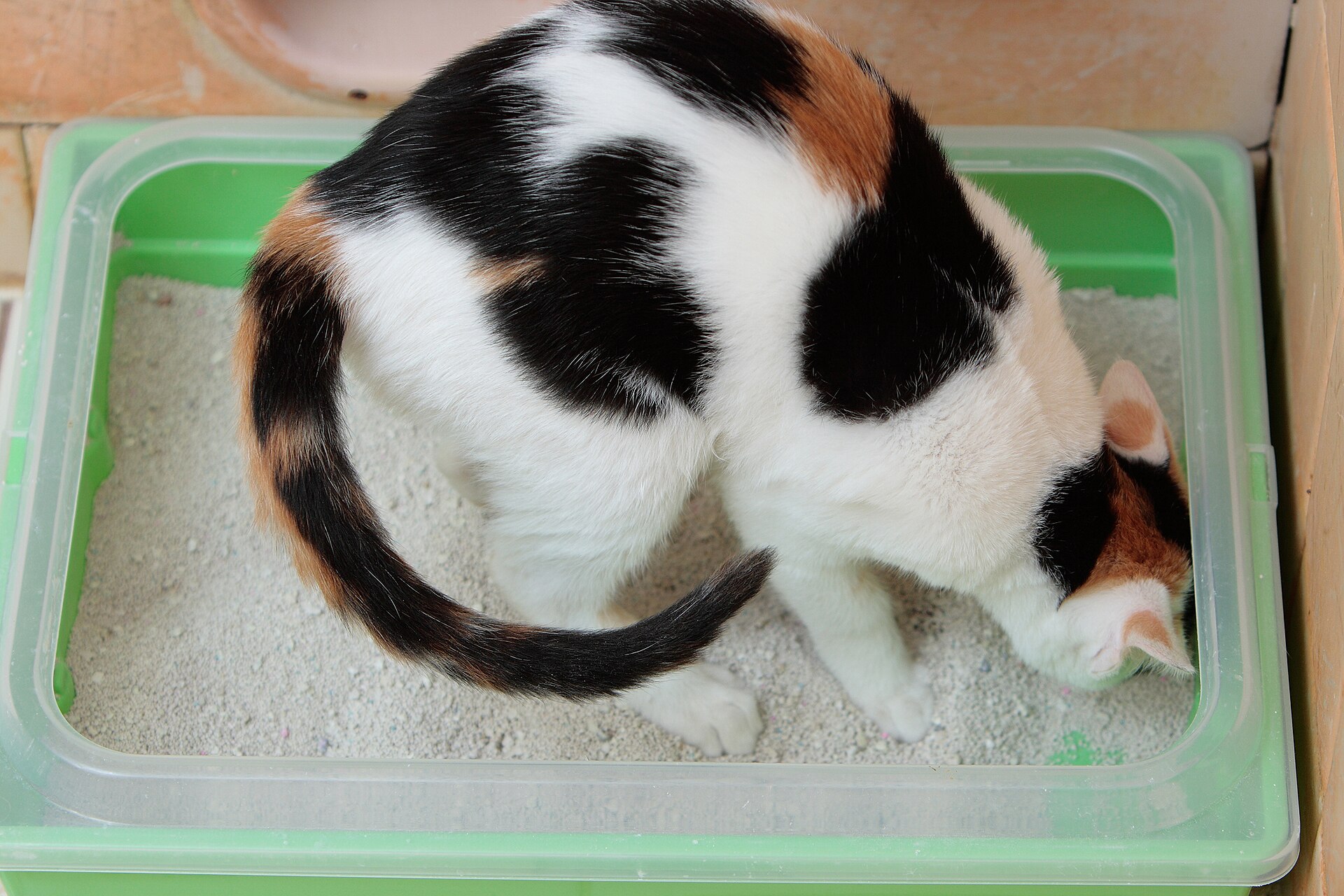
Step 1: Set up the tray before the kitten arrives
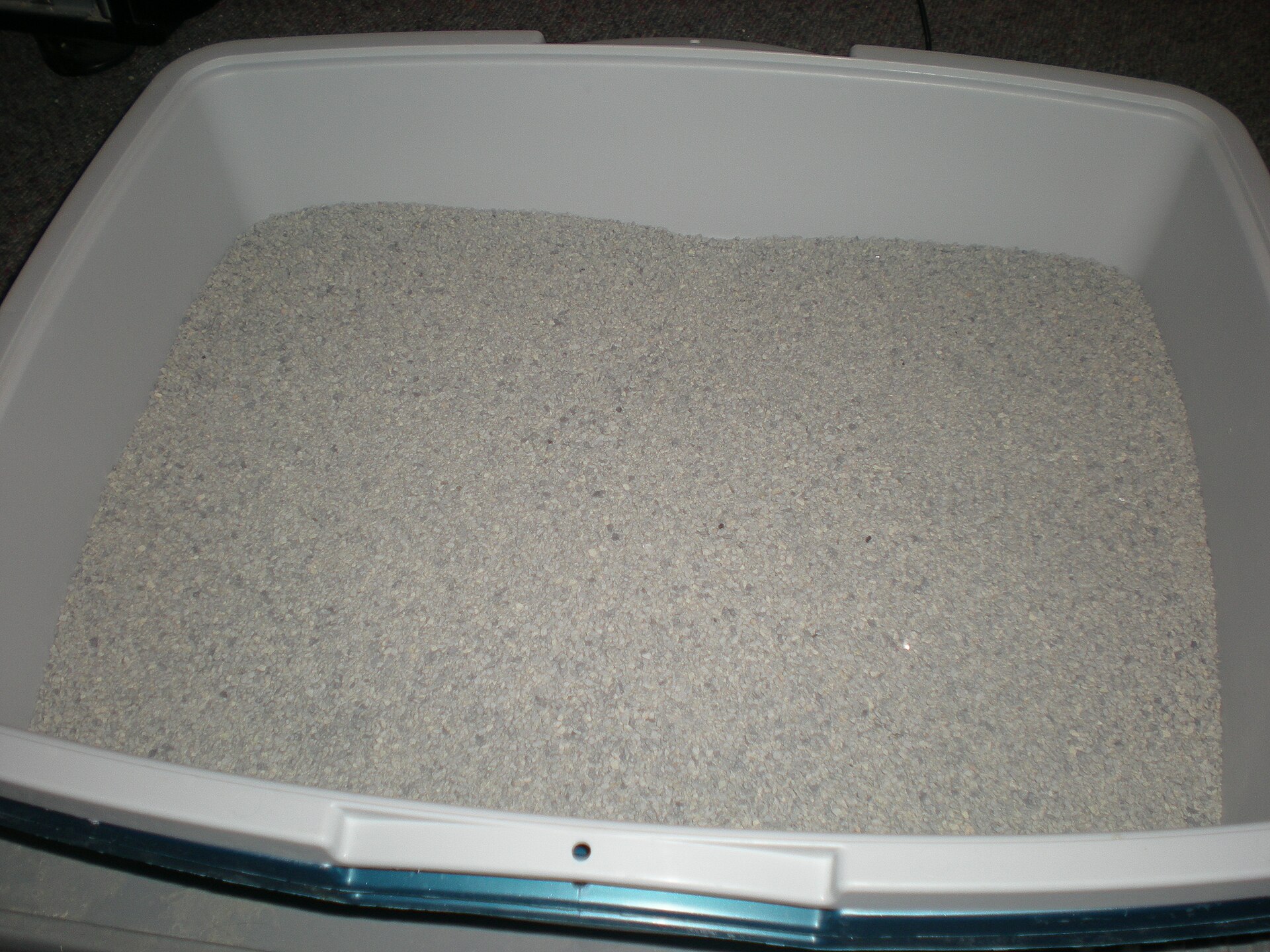
Buy the gear before homecoming day. You need a litter tray, litter, and a scoop. A mat under the tray catches stray litter.
Pick a tray with low sides so a small kitten can climb in and out without a struggle. The tray should be big enough for the kitten to walk in, turn around, and dig. RSPCA Victoria advises that the tray should be at least as long as the cat.
Choose the litter with care. RSPCA Victoria lists clumping, crystal, clay, and recycled paper litters, and notes that clumping litter suits adult cats only. Very young kittens taste and play in litter, so a breeder or rescue guide may advise non clumping litter until the kitten is fully weaned.
Ask your vet if you are unsure which type fits your kitten's age.
Plan the tray count now. RSPCA Victoria states the rule plainly: one tray for each cat plus one. One cat needs two trays.
Two cats need three. This rule prevents queues and gives a shy kitten an alternative when another cat guards the first tray.
Step 2: Pick the right spot
Place each tray in a quiet, low traffic corner with easy access. Keep trays well away from food, water, and sleeping spots. Cats dislike toileting near where they eat, and a tray beside a food bowl will often go unused.
Avoid corners that trap the kitten, spots under low furniture, and places beside noisy appliances. A washing machine that starts mid squat can scare a kitten off that tray for days. Choose a spot with privacy, good light, and more than one escape route.
Once you pick a spot, keep it steady. Moving the tray confuses a kitten that is still building a mental map of the house.
If you have several rooms, spread trays through the home rather than lining them up side by side. Two trays next to each other read as one toilet to a cat. Trays in different areas give a kitten a real choice.
Step 3: Start small with one safe room
On arrival day, confine the kitten to one small room away from other pets. Put the tray in a quiet corner of that room, with food, water, and a bed well away from it. A small space means the tray is never far away, so accidents stay rare while the habit forms.
Show the kitten the tray right away. Place the kitten gently inside and let it sniff, stand, dig, or walk straight out. No pressure.
This first visit plants a pin on the kitten's mental map. Repeat the introduction a few times on the first day, especially after meals, naps, and play sessions.
RSPCA Victoria advises restricting the kitten's freedom around the house until it is relaxed, eating well, and reliably using the tray. Only then should you open up more rooms, one at a time, with a tray within easy reach of each new area.
Step 4: Learn the timing
Kittens usually need to go after eating, after waking, and after bursts of play. Eating in particular wakes up a kitten's digestion, so the post meal placement is your highest value move. Place the kitten in the tray at those moments and give it space to do its business.
Watch for signals between scheduled trips. Common signs include sniffing the floor, circling or pacing, scratching at the floor, crouching, going still, or meowing with restlessness. When you see one, pick the kitten up calmly and place it in the tray.
Stay nearby but give it room.
Keep the routine steady for the first week. Regular meals lead to regular toilet trips, which makes the kitten easier to read. A kitten that eats at scattered times will toilet at scattered times.
Step 5: Reward success right away
The moment the kitten finishes in the right place, offer calm praise or a tiny treat. Timing matters more than volume. The reward must land while the tray is still the obvious cause.
A loud celebration can startle a young kitten, so keep praise soft and brief.
Reward every correct use in the first days. Later, once the habit is set, you can taper the treats and keep the praise. Positive reinforcement builds a link between the tray and a good outcome, which is the whole point of training.
Do not hover or stare while the kitten toilets. A little privacy helps. Place the kitten in the tray, step back, and let it work.
If it walks out without going, try again a little later rather than holding it in place.
Step 6: Keep the tray clean
Cats are fussy about cleanliness. RSPCA Victoria warns that if you find the litter tray offensive, so will your cat. Scoop solids and clumps at least once a day, and more often in the first week.
RSPCA South Australia advises removing waste daily and replacing the litter at least once a week, and warns that a dirty tray can push a kitten to use the floor instead.
When you wash the tray, use mild soap or hot water with vinegar, then let it sun dry. Avoid strong scented cleaners, air fresheners, and room deodorizers near the tray. Strong smells can deter a kitten from using it.
Leave a trace of familiar scent after a full litter change in the early weeks, since the smell says toilet here while the cleanliness says it is pleasant.
Stick with one litter type once the kitten accepts it. RSPCA Victoria advises that once you find a litter your cat likes, you should not change the type or brand. A sudden switch can lead to rejection of the box.
Step 7: Handle accidents calmly
Accidents are normal while a kitten learns. Never punish them. Do not scold, shout, rub the kitten's nose in waste, or drag it to the tray.
RSPCA Victoria states that this only teaches the kitten to fear you and will not teach it where to toilet. Punishment also teaches a kitten to toilet in secret, which is the opposite of training.
Clean each accident thoroughly with an enzyme based cleaner so no scent invitation remains. Ordinary cleaners may leave traces that draw the kitten back to the same spot. If the accident left solid waste, move it into the tray so the scent points to the right place.
After cleaning, review the setup rather than blaming the kitten. Ask whether the tray was dirty, too far away, blocked by another pet, or placed beside a noisy machine. Most accidents have a setup cause, and fixing the setup fixes the accident.
Step 8: Expand territory slowly
Once the starting room stays accident free for a few days, open one more room. Make sure a tray sits within easy reach of the new area. Move trays toward their long term spots a little at a time, never all at once.
A kitten that must cross a large home, or pass another animal, to reach the only tray will often give up and go closer to home.
Watch the kitten's confidence as the territory grows. A kitten that hides, eats little, or avoids the tray may need a slower pace. RSPCA South Australia notes that a kitten avoiding its tray may dislike the litter type, so trying a different texture can help.
Keep at least one familiar tray unchanged while you test a change, so the kitten always has a known option.
Troubleshooting common problems
If the kitten uses the tray sometimes and the floor other times, check the basics first. Is the tray clean? Is it easy to reach?
Is another pet guarding it? Is the litter the same type the kitten first accepted? Fix one factor at a time so you can see what works.
If the kitten toilets just outside the tray, the tray may be too small, too high sided, or too full. A larger tray with lower sides and fresh litter often solves it. If the kitten returns to one floor spot, clean it with an enzyme cleaner and place a tray on that exact spot for a few days, then move the tray slowly toward its proper place.
If the kitten strains, cries, passes blood, or stops toileting, see a vet promptly. These are health signs, not training problems. RSPCA guidance also advises a health check soon after arrival, with vaccination and parasite prevention discussed at the first visit.
Frequently asked questions
How long does it take to litter train a kitten?
Many kittens learn within days, since the behavior is largely instinctive. Others need a week or two of steady routine. There is no fixed deadline for every kitten.
If accidents keep happening after two weeks of clean trays and good timing, review the setup and ask a vet for advice.
How many litter trays do I need?
One tray per cat plus one spare. A single kitten needs two trays. Place them in different spots, not side by side, and keep them far from food and water.
Should I use clumping litter for a kitten?
RSPCA Victoria notes that clumping litter suits adult cats only. Very young kittens may taste litter while exploring, so non clumping litter is the safer choice until the kitten is fully weaned. Ask your vet about the right time to switch.
What should I do if my kitten keeps having accidents?
Stay calm, clean the spot with an enzyme cleaner, and check the setup. Clean the tray, move it closer, add a second tray, or try a different litter texture. Never punish the kitten.
If the pattern continues, book a vet visit to rule out a health cause.
The bottom line
Litter training works when the setup does the teaching. Give your kitten a low sided tray, the right litter, one tray per cat plus one spare, and a quiet spot far from food. Place the kitten in the tray after meals, naps, and play.
Praise success quietly, keep the tray clean, and treat accidents as information rather than defiance. Most kittens learn fast when the right choice is also the easy choice.
Tags: pets, kittens, cat care, litter training
Latest in Pets
- How to help an older dog with stiff joints
- Why cats knead with their paws
- How to trim your dog's nails without hurting them
- Why cats stare at you
Subscribe for one practical pet care idea in your inbox each week.
Related stories

Why Does My Dog Eat Grass and Vomit?
A UC Davis study of 1,571 owners found grass eating is normal dog behavior, not self-medication: only 10% were ill first. What the science

Why Does My Dog Stare at Me While I Eat?
Dogs stare at you while you eat because it has worked before, and mutual gaze raises bonding hormones. Learn the reinforcement science

Foods toxic to dogs: the list, with reasons
Chocolate, xylitol, grapes, onions: common foods can harm dogs. Learn what makes each one toxic, the warning signs, and what to do if your