
Why Does Iron Rust but Aluminum Barely Does: Chemistry Explains
Key takeaways
- Iron rusts because its oxide, rust, is porous and flakes off, so fresh metal keeps getting exposed to air and water.
- Aluminum reacts even faster with oxygen, but the aluminum oxide film it forms is thin, dense, and self-sealing, which blocks further attack.
- Roughly one-seventh of all iron production goes toward replacing metal lost to corrosion, according to Chemistry LibreTexts.

Rust flakes off iron and exposes fresh metal, so corrosion keeps going. Photograph: Sisters.seamless
The short answer
A rusty nail and a shiny aluminum window frame look like opposites, but both metals are doing the same thing: reacting with oxygen in the air. The difference is what their reaction products do next.
When iron meets oxygen and water, it forms rust, a flaky red-brown crust that falls away and exposes fresh metal underneath. When aluminum meets oxygen, it instantly forms aluminum oxide, a hard, glassy skin that clings to the surface and seals the metal beneath it. This article explains the chemistry behind both reactions, the scale of corrosion damage, and how engineers strengthen aluminum's natural armor.
What rust actually is
Rust is not simply iron turning a different color. It is hydrated iron(III) oxide, written approximately as Fe2O3·xH2O, where the water content varies with conditions.
The reaction needs two ingredients besides the iron itself: oxygen and water. Chemistry LibreTexts reports that an iron nail sitting in deoxygenated water will not rust even after several weeks, and a nail in dry kerosene will not rust either, because water is absent. Both partners must be present for the process to start.
Rusting is an electrochemical process. Tiny regions of the iron surface act as a miniature battery: some spots give up electrons and dissolve as iron ions, while oxygen picks up electrons at other spots. Water on the surface carries the ions between them.
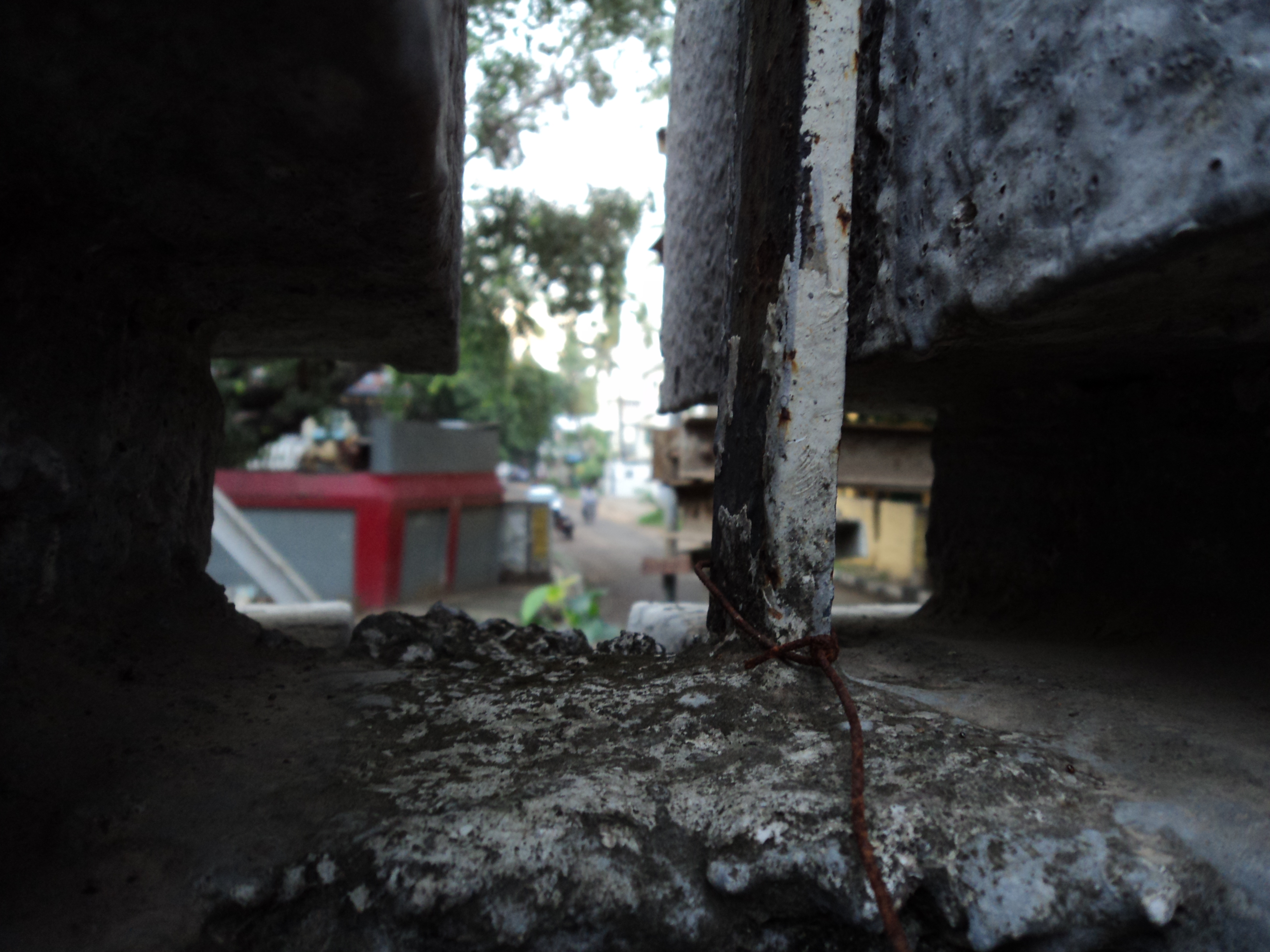
A close-up of rusted iron shows the porous crust that keeps letting air and water in. Photograph: Rakesh.5suthar
Here is where iron gets unlucky. The rust that forms does not stick, and because it is porous and brittle, it flakes off and lets oxygen and water reach fresh metal again. Corrosion becomes a self-feeding loop that never stops on its own.
The scale of that loop is enormous. Chemistry LibreTexts estimates that about one-seventh of all iron production goes to replacing metal lost to corrosion. Salt makes everything worse, because dissolved electrolytes speed up the electrochemical reactions, which is why cars rust faster in regions that salt their roads in winter.
Aluminum's invisible shield
Here is the twist most people miss: aluminum is actually MORE reactive than iron. On the reactivity series of metals, aluminum sits higher, meaning it gives up its electrons more readily.
But aluminum reacts so eagerly with oxygen that it finishes the job in a flash. The instant bare aluminum meets air, it grows a film of aluminum oxide, Al2O3, across its entire surface. That film is thin, dense, and extremely hard, and it bonds tightly to the metal beneath.
Chemists call this passivation. The oxide layer acts as a seal, cutting off the underlying metal from oxygen and moisture. With no way for the reactants to meet, corrosion stops almost as soon as it starts.
This is why an aluminum ladder can sit outside for decades and stay bright. It is not that aluminum never reacts. It is that aluminum reacts once, coats itself in armor, and then goes quiet.
How thin is that armor, really?
The natural oxide film on aluminum is only about 2 to 3 nanometers thick, according to Testbook's chemistry reference. A nanometer is a billionth of a meter, so the film is roughly 10,000 times thinner than a human hair.
That thinness is both a strength and a weakness. The film forms instantly and self-repairs: if it gets scratched, the exposed metal re-oxidizes and seals itself again. But it can be damaged by abrasion or dissolved by harsh chemicals, which is why engineers thicken it on purpose.
That thickening process is called anodizing. The aluminum part is made the anode in an acid bath, usually dilute sulfuric acid, and electric current drives oxygen to grow a much thicker, uniform layer of aluminum oxide. Testbook notes that industrial anodizing can push the film from about 2 to 3 nanometers up to 5 to 25 micrometers, which is thousands of times thicker.
The payoff is large. JM Aluminium reports that anodized aluminum shows 20 to 30 times more corrosion resistance than naturally oxidized surfaces. Anodized parts can survive hundreds or thousands of hours in salt-spray tests, while natural oxide films show noticeable wear far sooner.
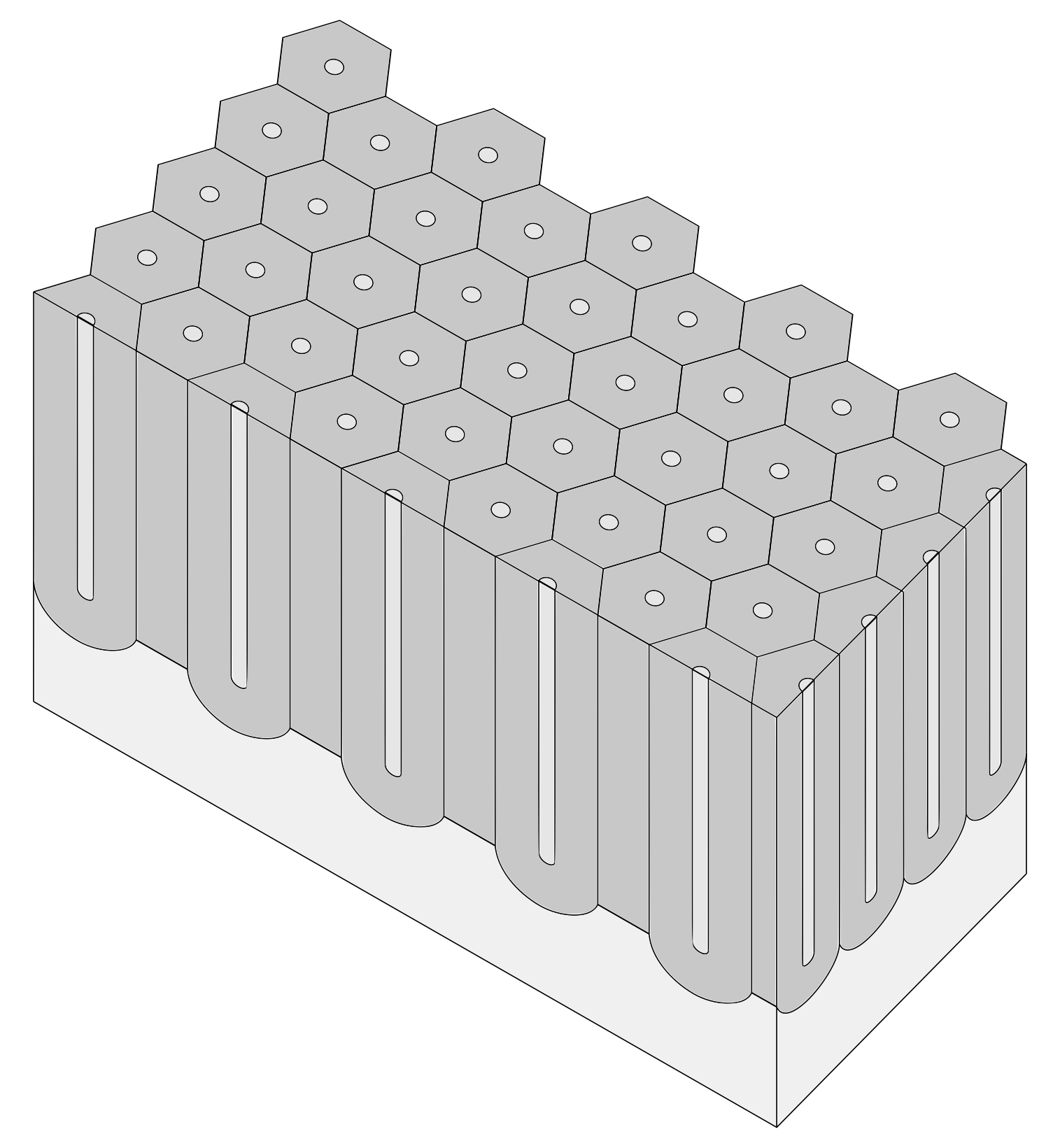
Anodizing grows aluminum's natural oxide layer far thicker for extra protection. Diagram: Matteo Bordiga
Where aluminum still loses
Aluminum's armor is excellent, but it is not invincible. Aluminum oxide is amphoteric, meaning it reacts with both acids and strong bases. That is why aluminum cookware can pit when exposed to highly acidic foods or harsh alkaline cleaners.
Saltwater is another enemy. Chloride ions can punch tiny pits through the oxide film on aluminum, a failure mode called pitting corrosion. Boats and outdoor structures near the sea need specially treated or anodized aluminum for this reason.
Iron, by contrast, fails everywhere ordinary air and water reach it, with no help needed from acids or salt. That is the core asymmetry: aluminum needs aggressive conditions to corrode, while iron corrodes under everyday conditions.
How engineers fight rust
Since iron cannot protect itself, people protect it. Paint is the most common method: it physically blocks water and oxygen from reaching the surface. Oil and grease work the same way on machine parts.
Galvanizing is cleverer. Steel is coated with zinc, a metal that forms its own adherent, self-protective layer of zinc hydroxycarbonate. Zinc is also more reactive than iron, so even where the coating is scratched, the zinc corrodes first and shields the iron beneath, a trick called sacrificial protection.
Stainless steel takes a different route: chromium is mixed into the steel itself, and the chromium forms a thin, protective chromium oxide layer, much like aluminum's trick. The protection is built into the alloy instead of painted on.
Each method copies, in its own way, the lesson aluminum teaches for free: the winning move is a barrier that stays put.
Frequently asked questions
Does aluminum ever rust?
Strictly speaking, rust is an iron oxide, so aluminum cannot rust by definition. Aluminum can corrode under harsh conditions, producing aluminum oxide or aluminum hydroxide, but everyday air and rain leave its protective film intact.
Why does rust keep spreading while aluminum's oxide stops?
Rust is porous and does not stick to iron, so it flakes off and exposes fresh metal to oxygen and water. Aluminum oxide is dense and tightly bonded, so it seals the surface and blocks further reaction.
Is aluminum really more reactive than iron?
Yes. Aluminum sits above iron in the reactivity series and reacts more readily with oxygen. Its corrosion resistance comes not from laziness but from the protective film that forms during that very reaction.
What is anodizing, and is it the same as painting?
No. Anodizing is an electrochemical process that thickens aluminum's own oxide layer, growing it from about 2 to 3 nanometers to 5 to 25 micrometers. The coating is part of the metal, so it cannot chip or peel the way paint can.
Can you make iron behave like aluminum?
You can get close. Stainless steel adds chromium, which forms a self-protecting oxide film similar to aluminum's. Galvanizing coats steel in zinc, which protects itself and sacrifices itself for the iron underneath.
The bottom line
Iron rusts and aluminum barely does because of what happens AFTER the first reaction. Iron's product is a flaky crust that invites more attack, while aluminum's product is a sealing skin that ends the attack. The same chemistry explains anodizing, galvanizing, and stainless steel: every good anti-corrosion trick is a way of giving metal an armor it cannot grow on its own.
Latest in Science
- Why do magnets attract some metals but not others?
- Why do magnets stick to your fridge but not all metals?
- How do planes stay in the air?
- Why does the Earth have seasons?
Get more plain-English science explainers in your inbox every week: subscribe to the Rive News newsletter.
Image Credits: Wikimedia Commons / Sisters.seamless, Rakesh.5suthar, Matteo Bordiga
Related stories
Why diamond is hard and graphite is soft when both are carbon
Diamond and graphite are both pure carbon, yet diamond is 10 on the Mohs scale and graphite is 1 to 2. The difference is not the atoms;
Why Hot Water Can Freeze Faster Than Cold: The Mpemba Effect Explained
Hot water can freeze faster than cold under specific conditions. The Mpemba effect, named for a 1963 schoolboy experiment, still divides
How Magnets Work at the Atomic Level: Spins, Domains, and Iron
Magnetism comes from electrons: their spin and orbits make each atom a tiny magnet. In iron, quantum forces align these atomic magnets into