
Why some metals rust while others resist corrosion
By Rive News / Research desk | Rive News / Published October 28, 2026 at 9:00 AM PKT
Key takeaways
- Rust is iron oxide, and it is porous, so it flakes away and exposes fresh metal.
- Stainless steel resists rust because chromium forms a thin, self-healing oxide film.
- Aluminium also oxidises, but its oxide layer is dense and seals the metal beneath.
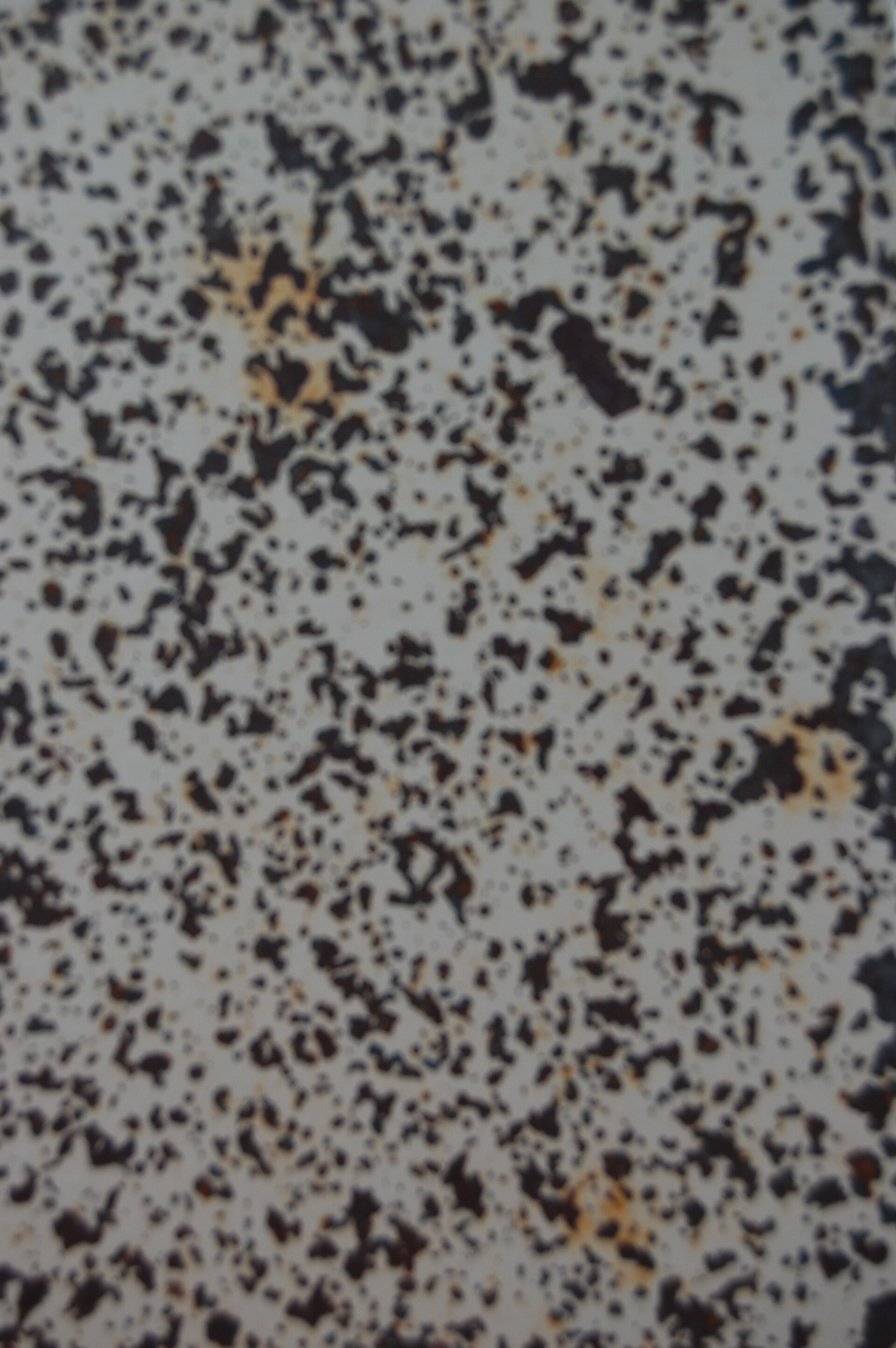
[Rusted metal surface showing orange-brown corrosion.] Photograph: Wikimedia Commons contributor
Image Credits: Wikimedia Commons
Some metals rust while others do not because the difference is not whether a metal oxidises, but what its oxide does next. Almost every metal reacts with oxygen. Iron forms a loose, flaky oxide that falls away and lets corrosion continue.
Stainless steel and aluminium form thin, dense oxides that cling to the surface and block oxygen and water from reaching the metal below.
This article explains why some metals rust while others resist corrosion, including what rust actually is, why iron's oxide fails, how chromium protects stainless steel, why aluminium survives outdoors, and where even resistant metals give in.
What rust actually is
Rust is a specific form of corrosion that affects iron and its alloys, such as steel. When iron reacts with oxygen and water, it forms hydrated iron oxide, the reddish-brown, brittle compound seen on old nails, gates, and car bodies. The reaction needs both oxygen and moisture; dry iron in dry air rusts very slowly, while iron left wet rusts far faster.
The critical property of rust is that it is porous and flaky. Oxygen and water pass straight through it to the metal underneath, so corrosion does not stop once a surface layer forms.
Each new layer of rust flakes off, fresh metal is exposed, and the process repeats until the object weakens or fails. A steel nail left outdoors can show visible rust and lose strength for exactly this reason.
Salt speeds the process. Dissolved salt in water acts as an electrolyte, helping the electrochemical reactions that drive corrosion. That is why cars and railings near the sea rust faster than identical objects inland, and why winter road salt is hard on steel parts.
Why iron's oxide fails where others succeed
The difference comes down to how neatly the oxide fits the metal beneath it. In stainless steel, chromium atoms and their oxides are similar in size, so they pack neatly together into a stable layer only a few atoms thick. In iron, the oxide is much bulkier than the iron atoms it came from, so it forms a loose layer that cracks and flakes away instead of sealing the surface.
Aluminium shows the other outcome. Exposed to air, aluminium quickly forms a thin, transparent layer of aluminium oxide that is hard, dense, and tightly bonded. That layer blocks moisture and oxygen, so an aluminium can left outdoors dulls but keeps its structure, while a mild steel nail in the same conditions rusts and weakens.
Both metals oxidise; only one of them is protected by the result.
Copper tells a similar story with a different colour. Its green patina, seen on old roofs and statues, is a stable surface layer that slows further corrosion rather than accelerating it. The patina is why copper roofs can last for generations while unprotected iron in the same climate would have rusted through.
Stainless steel and the chromium trick
Stainless steel is steel with chromium added, and chromium changes the oxidation game. When oxygen reaches the surface, it reacts with chromium first, forming chromium oxide. That oxide film is invisible, only a few atoms thick, and it seals the iron beneath from further attack.
The threshold matters. ThoughtCo reports that a minimum of 12 percent chromium makes steel resist rust, while Mental Floss notes that chromium usually makes up 10.5 percent or more of the alloy, and that this minimum defines whether a material counts as stainless steel. The small difference between those figures reflects different grades and standards, not a contradiction: around a tenth of the alloy must be chromium before the protective film forms reliably.
The film is also self-healing. If the surface is scratched and the film is disrupted, more oxide quickly forms and recovers the exposed surface, as long as oxygen is available.
That is why a stainless sink survives daily scouring while a plain steel one would rust at every scratch. The protection depends on oxygen, though, so stainless steel resists poorly in low-oxygen, stagnant conditions where the film cannot repair itself.
The history of the discovery is well documented. In 1913, English metallurgist Harry Brearley, working on improving rifle barrels, found that adding chromium to low-carbon steel gave a stain-resistant alloy. He applied the discovery to cutlery, marketing it as rustless steel, and household goods followed.
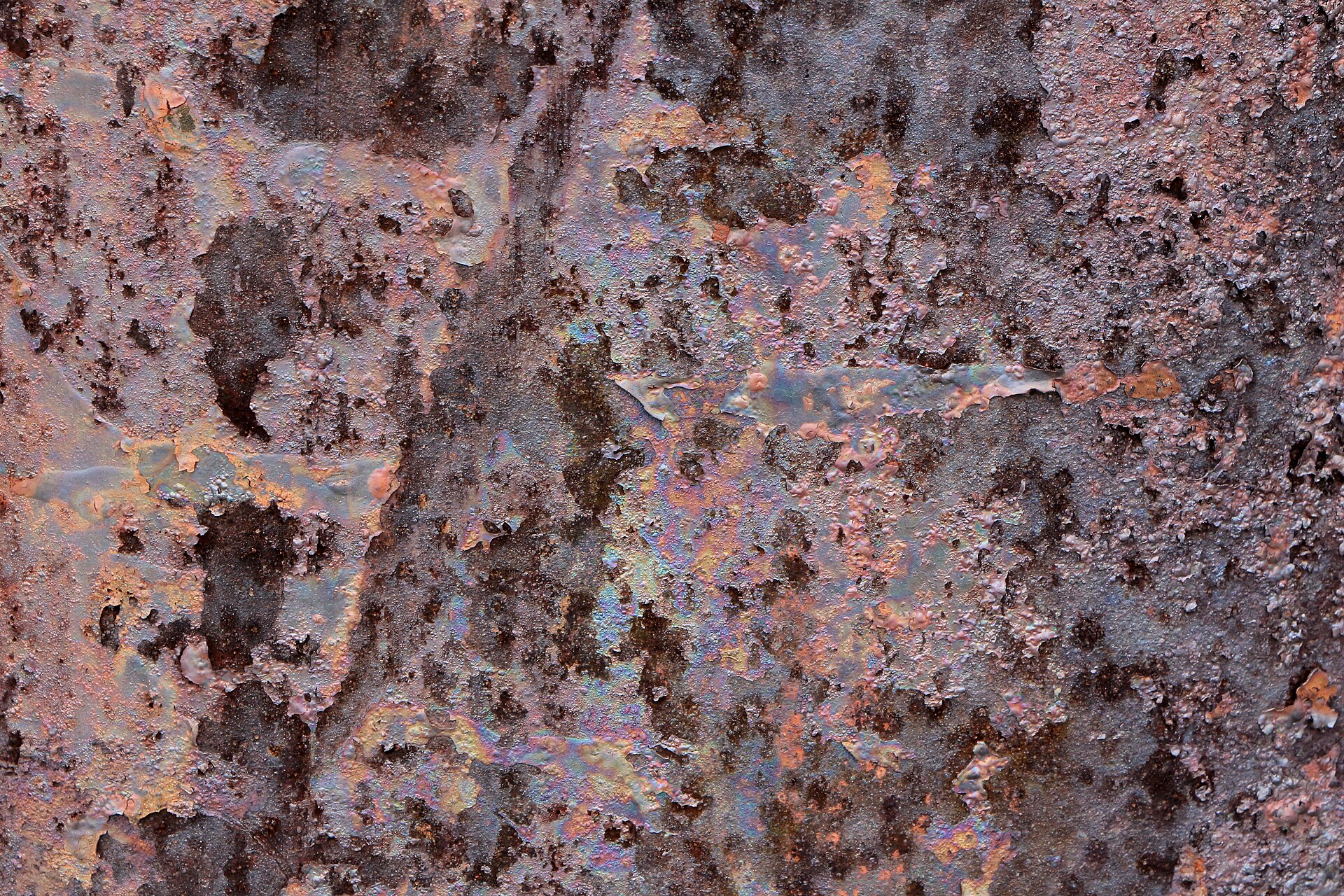
[Close view of rusted, corroded metal surface.] Photograph: Wikimedia Commons contributor
Image Credits: Wikimedia Commons
Where resistant metals still fail
No common metal is corrosion-proof. Stainless steel can rust in seawater, because chlorides from salt attack the passive film faster than it can repair itself, especially where oxygen circulation is poor. Cheap or poorly made stainless grades can also rust, because excess carbon can bind up chromium and leave too little free chromium to form the film.
Aluminium has its own weakness. Its oxide layer resists most conditions, but strong alkalis and some salts can attack it, and aluminium in contact with a more noble metal in wet conditions can corrode through galvanic action. That is why mixed-metal assemblies need isolation or compatible fasteners, not just a resistant main metal.
Coatings add another layer of defence for plain steel. Paint, galvanising, and plating work by keeping oxygen and water away from the iron, or by sacrificing a more reactive metal, such as zinc, in its place. Once a coating is breached, though, the iron beneath rusts in the usual way, which is why a chipped painted gate rusts first at the chip.
For related reading, see how to choose the right drill bit for wood, metal, and tile, why brake rotors warp, or do they actually, and how to remove stripped screws without special tools.
How to slow rust on everyday metal
Keeping metal dry is the single most effective step. Wipe tools before storing them, keep outdoor steel under cover, and avoid leaving steel in standing water. Where steel must stay outdoors, a coating, paint, or galvanised finish buys years by separating the metal from oxygen and moisture.
For stainless items, avoid long contact with salt and chlorine, and rinse after exposure to seawater or chlorinated water. Do not assume a stainless label means immunity: grade, finish, and environment all decide how well the passive film holds up.
Frequently asked questions
Does stainless steel ever rust?
Yes, in harsh conditions. Chlorides in seawater, long exposure to chlorine, and poor-quality grades can all defeat the chromium oxide film. Good grades in normal conditions resist rust for decades, but they are stain-resistant, not stain-proof.
Why does aluminium not rust like iron?
Aluminium does oxidise, but its oxide is thin, dense, and tightly bonded, so it seals the metal beneath. Iron's oxide is porous and flakes away, so corrosion keeps reaching fresh metal.
What is the difference between rust and corrosion?
Rust is the name for iron oxide corrosion specifically. Corrosion is the broader term for any metal degrading by chemical reaction, including aluminium oxidising and copper developing patina.
Does painting stop rust permanently?
Only while the coating stays intact. Paint keeps oxygen and water away from the iron, but a chip or scratch reopens the path, and rust starts at the breach.
The bottom line
Metals differ in rusting not because some refuse to oxidise, but because their oxides behave differently. Iron's rust is porous and flakes away, so corrosion keeps going. Stainless steel's chromium oxide film is thin, dense, and self-healing, and aluminium's oxide seals its surface the same way.
Knowing that distinction explains both the everyday sights, a rusted nail beside an intact aluminium can, and the limits, since even stainless steel gives in to salt water and stagnant, low-oxygen conditions. Protect the film or the coating, keep the metal dry where possible, and the metal will last far longer.
Tags: rust, corrosion, metals, stainless steel
Rive News's research desk covers everyday science and home topics from published sources, with no invented experts or first-hand claims.
Related
- How to choose the right drill bit for wood, metal, and tile
- Why do brake rotors warp, or do they actually
- How to remove stripped screws without special tools
Subscribe to the Rive News newsletter for one practical explainer each week.
Rive News publishes general information only; figures are cited from the sources listed above.
Related stories
Why diamond is hard and graphite is soft when both are carbon
Diamond and graphite are both pure carbon, yet diamond is 10 on the Mohs scale and graphite is 1 to 2. The difference is not the atoms;
Why Hot Water Can Freeze Faster Than Cold: The Mpemba Effect Explained
Hot water can freeze faster than cold under specific conditions. The Mpemba effect, named for a 1963 schoolboy experiment, still divides
How Magnets Work at the Atomic Level: Spins, Domains, and Iron
Magnetism comes from electrons: their spin and orbits make each atom a tiny magnet. In iron, quantum forces align these atomic magnets into