
New dinosaur fossil sat in a drawer for 100 years
Key takeaways
- A skull fossil from the Isle of Wight is now a new species, Invictibellatrix amberina.
- It is Europe's first known megaraptoran, a clawed hunter tied to the T. rex family.
- The fossil sat in a museum since 1924. Old collections may hold more finds.
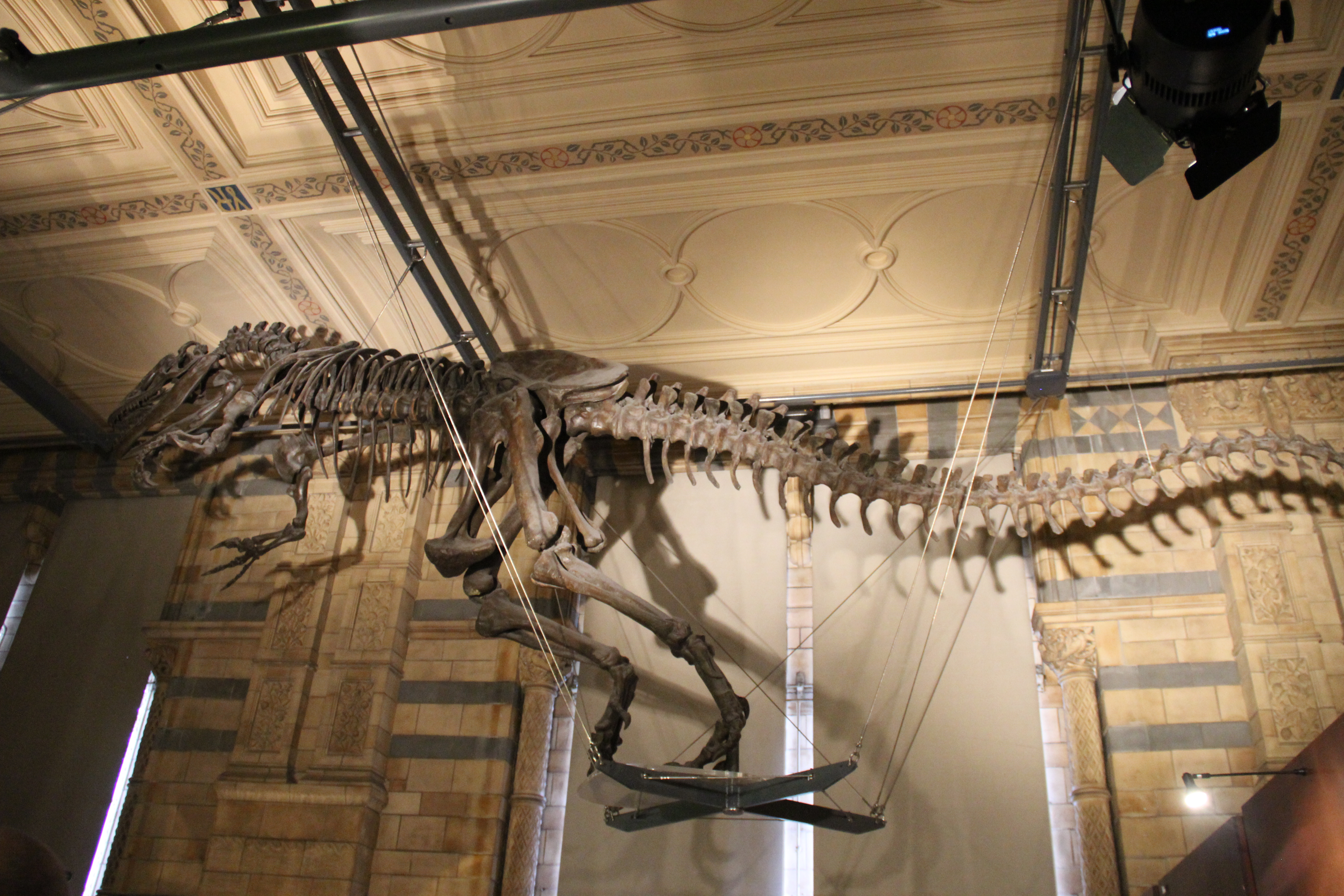
A fossil sat in a museum drawer for nearly 100 years. It is now a new dinosaur species. Its name is Invictibellatrix amberina.
It lived about 120 million years ago. It hunted on land that is now the Isle of Wight. It is Europe's first known megaraptoran.
A megaraptoran is a group of two-legged meat-eating dinosaurs. They had long arms and big curved claws. They used those claws to catch prey.
Prey means animals they hunted for food.
What happened
The fossil is a chunk from the back of a skull. It is the braincase, the part that held the brain. It was found at the foot of a cliff.
The cliff stands on the south-west coast of the Isle of Wight.
The Natural History Museum in London got the fossil in 1924. It then sat unstudied for nearly 100 years. No one had yet seen what it truly was.
A team led by University College London took a fresh look. The lead author was Dr Cassius Morrison. The senior author was Professor Paul Barrett of the Natural History Museum.
Charlie Scherer, a PhD student, also worked on the study.
The team used a CT scan on the fossil. A CT scan is a scan that builds a 3D picture of the inside. It let them see the shape of the skull and the brain space.
They then compared it with other dinosaur skulls. They looked at tyrannosaurs, spinosaurs, and raptors. They also looked at other two-legged meat-eaters.
Two skull traits stood out. One was an oval hole where the spinal cord met the brain. The spinal cord is the nerve cord that runs down the back.
The other was an hourglass-shaped crest on the skull. A crest is a raised ridge of bone.
No known species had this exact mix of traits. So the team named a new species. A new species means a kind of animal that science has not named before.
It does not mean the animal was born yesterday. It means researchers now see it as its own kind.
The study appeared in the journal Royal Society Open Science. The journal prints work that other scientists have checked. That check is called peer review.
The name has two parts. Invictibellatrix means unconquered female warrior. Amberina points to amber found in the rocks near the fossil.
Amber is hard golden tree resin from long ago. Amberina is also a female name.
The researchers said the name should give hope and strength. They named people who face bullying, bias, and unfair treatment. They said tomorrow can still belong to them.
Why it matters
This find fills a gap on the map. Megaraptorans were known from Asia, Australia, and South America. None had been found in Europe.
That gap made the story hard to trust.
Scientists had an idea about how these hunters spread. They thought the group began in Asia. Then it moved through Europe.
Then it reached the southern lands. Those lands later split into Africa, South America, and Antarctica.
This one fossil is the first proof for the Europe step. It shows megaraptorans were present in Europe. It links Asia to the south through Europe.
That link was missing until now.
The animal itself was small for its group. It was three to four metres long. It stood just over one and a half metres tall.
That is about as tall as a human. It may have weighed 200 to 300 kilograms. That is about as heavy as a large tiger.
It likely had feathers. Its claws may have been 10 to 20 centimetres long. That is about as long as a hand.
It ate small dinosaurs, lizards, and mammals. Mammals are warm-blooded animals that feed milk to their young.
Its place in the food chain was like a hyena today. A hyena is a hunter and a scavenger. It was not the top hunter of its time.
A bigger meat-eater may have held that top spot.
Still, it would have been a real threat to a person. Lead author Morrison said humans would have been just the right size for prey. A T.
rex might have passed us by. We would have been too small to chase. This hunter would not have passed us by.
The find also shows the worth of old collections. The Isle of Wight has given up new species for over 200 years. Barrett said meat-eating dinosaurs there have been hard to find.
Yet this one waited in a drawer the whole time.
Old bones can hold new answers. Clues about ancient life can sit in storage for years. Then a new tool or a fresh eye can unlock them.
That is what happened here.
The CT scan was that new tool. It let the team see fine detail without harming the bone. Computer checks then matched the skull traits to the megaraptoran family.
Each check kept placing it in the same group.
Later megaraptorans grew much bigger. Some lived in the south and became top hunters. Their claws reached up to 35 centimetres long.
One kind in Argentina, Maip macrothorax, grew nine to ten metres long. It weighed as much as an elephant.
This new species came much earlier. It is one of the smallest and earliest of its group yet found. It shows how the group began small.
It later grew large in the south.
The group later died out in the north. By the Late Cretaceous it was gone from the north. That was tens of millions of years later.
The north then included Europe. The study did not prove why this happened. A shift in climate or new rivals may have played a part.
What happens next
More work will test the Europe route idea. One fossil is strong proof that the group reached Europe. It does not prove every step of the journey.
More fossils could back the idea up. Or they could change it. That is how what a theory means in science works in real life.
An idea stands until new proof tests it.
Researchers will keep checking old museum drawers. The Natural History Museum holds more than 80 million specimens. Many have never had a full study.
New scans can now reveal detail that old eyes missed.
Field work on the Isle of Wight will also go on. The island keeps giving up new species. Its rocks are from the Early Cretaceous.
That was an early part of the last age of dinosaurs. The fossil came from a rock layer called the Wessex Formation. Dating Earth's age rests on careful tests, not guesses.
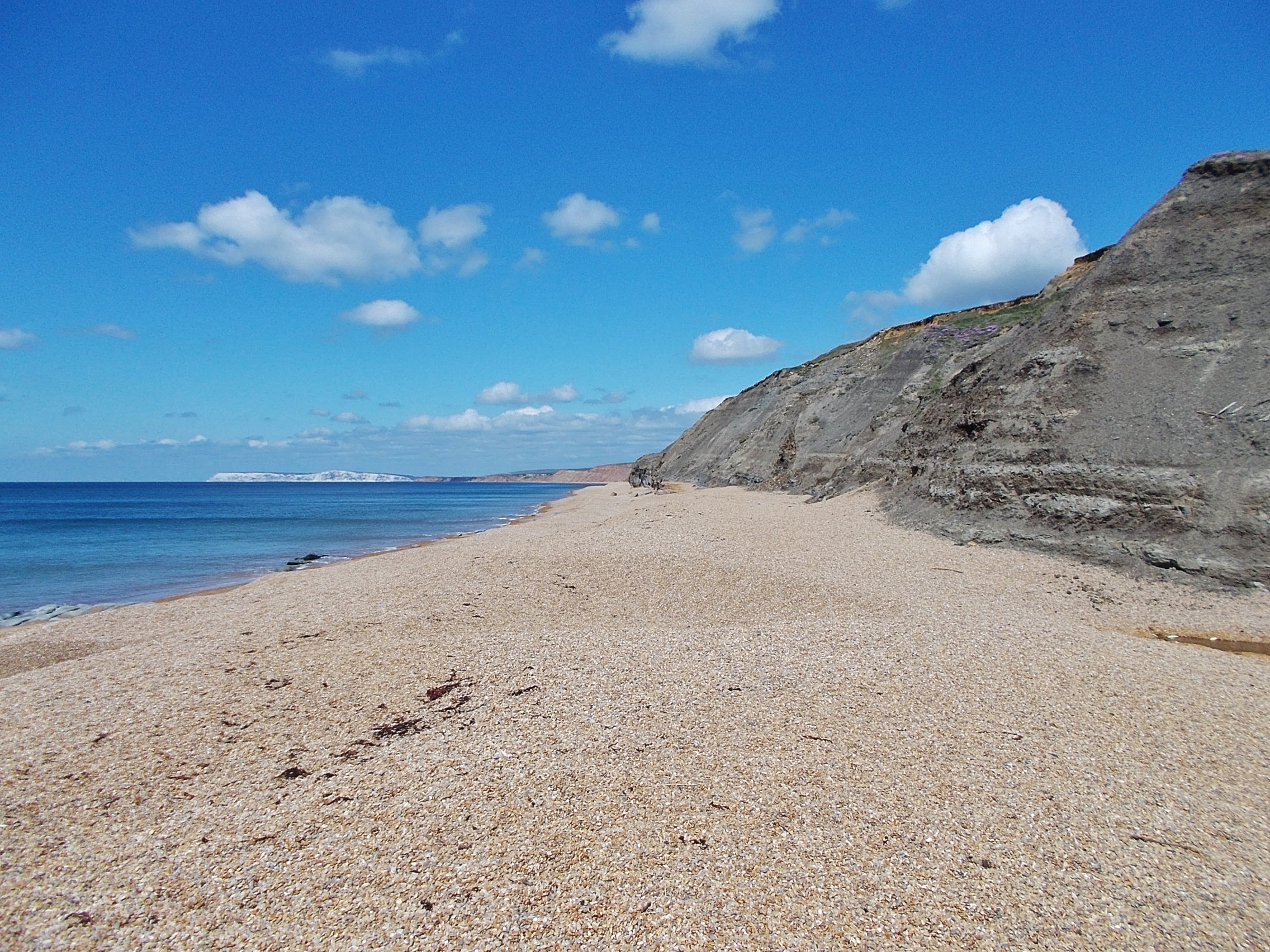
Morrison said more finds may still wait on the island. Lots of bones turn up there each year. Each new bone can add a piece to the puzzle.
Each old bone can do the same.
The next step is to find more of this animal. So far, only one braincase is known. More bones would show its arms, legs, and tail.
They would show how it moved and hunted. They would also pin down its size with less guesswork.
Size is still an estimate. The team based it on close kin. Close kin are near relatives with fuller bones.
If more bones turn up, the size range may shift. That is normal in fossil work. One bone gives a shape.
More bones give a body.
The migration map may also get sharper. The team used models of fossils, family trees, land, and climate. Models are math tools that test an idea.
They are not proof on their own. New fossils will test the model again.
For now, one old bone has changed a map. A drawer held a secret for nearly 100 years. A fresh look gave it a name.
The next drawer may hold one more.
Related stories

Why diamond is hard and graphite is soft when both are carbon
Diamond and graphite are both pure carbon, yet diamond is 10 on the Mohs scale and graphite is 1 to 2. The difference is not the atoms;

Why Hot Water Can Freeze Faster Than Cold: The Mpemba Effect Explained
Hot water can freeze faster than cold under specific conditions. The Mpemba effect, named for a 1963 schoolboy experiment, still divides

How Magnets Work at the Atomic Level: Spins, Domains, and Iron
Magnetism comes from electrons: their spin and orbits make each atom a tiny magnet. In iron, quantum forces align these atomic magnets into