
Orionid meteor shower peaks October 21-22: Halley's dust lights the sky
Web StoryWatch this story in 15 seconds →Key takeaways
- The Orionid meteor shower peaks on the night of October 21 into October 22.
- Dark skies can show 10 to 20 meteors per hour from Halley's Comet dust.
- Watch after the Moon sets, about 2:30 to 3:30 a.m. local time.
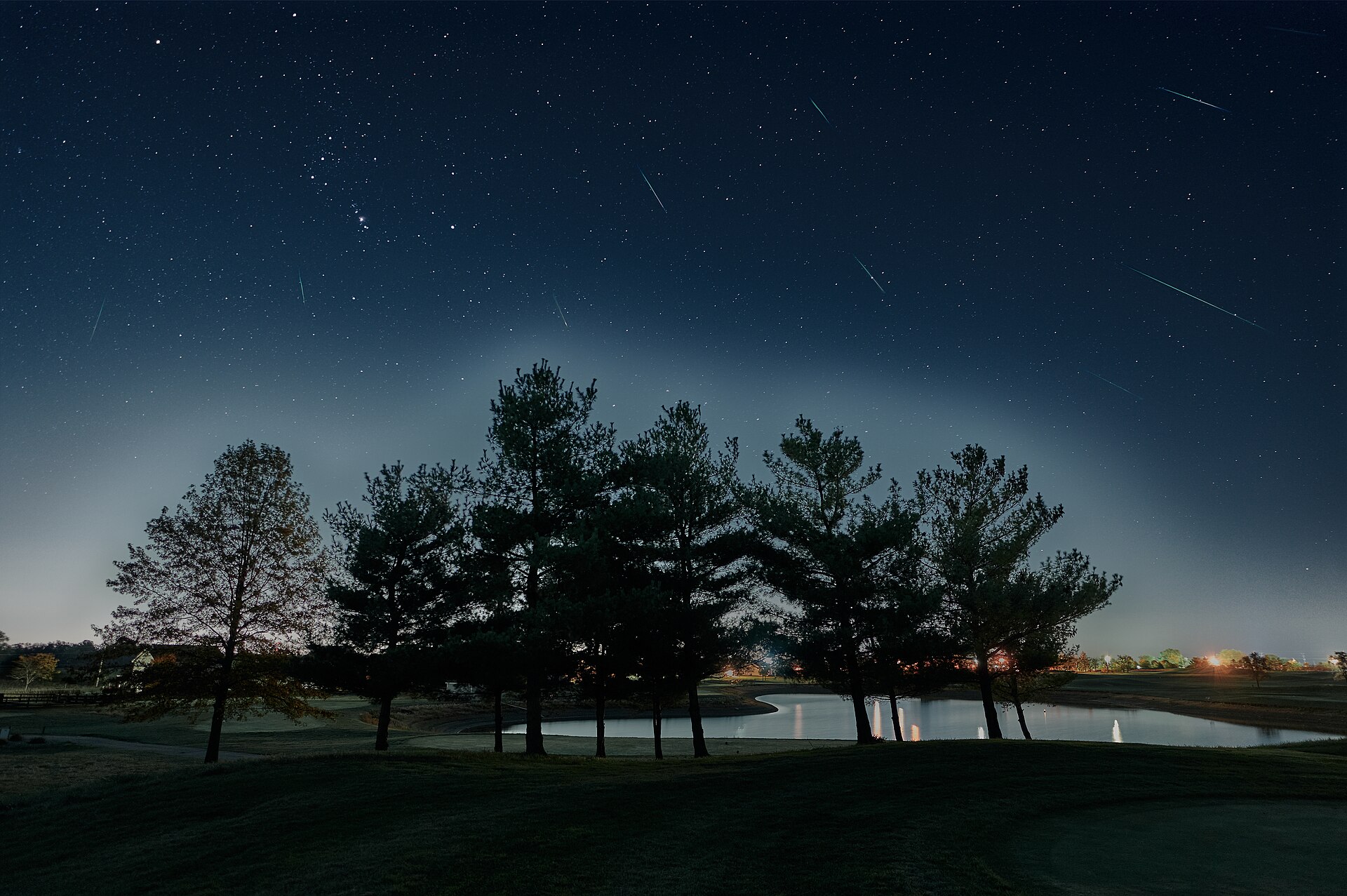
The Orionid meteor shower peaks on the night of October 21-22. These shooting stars are pieces of Halley's Comet. Dark skies can show 10 to 20 meteors per hour.
A meteor is a streak of light in the sky. It happens when a small piece of space dust burns up in our air.
Meteor, meteoroid, and meteorite are three different things. This week the dust comes from the most famous comet on Earth.
What happened
Earth is passing through a stream of debris. The debris was left behind by Halley's Comet, formally named 1P/Halley. Each time the comet nears the Sun, it sheds dust and grit along its path.
The tiny bits hit our air at about 66 kilometers per second. That is about 41 miles per second.
The air in front of them glows from the heat. We see bright streaks cross the sky.
The shower is active from October 2 to November 7, according to NASA's Orionids page. The peak arrives on the night of Wednesday, October 21 into Thursday, October 22. That is the night Earth crosses the densest part of the stream.
People are searching for it right now. The query "halley's comet orionid meteor shower" is trending. It has around 5,000 searches in the last day.
The peak night is close, so interest is rising fast.
Why it matters
This is the closest you can get to Halley's Comet. The comet itself last passed in early 1986. It will not return until the summer of 2061.
But its dust visits us every October and every May. The May shower is called the Eta Aquariids. The October shower is the Orionids.
The Orionids are famous for speed. They are among the fastest meteors of the year.
Because they move so fast, some leave glowing trails. These are called persistent trains. The trails can hang in the sky for a second or for several minutes.
Abouazza El-Mhamdi teaches astronomy at King Saud University. He told Arab News the meteors "are fast and sometimes leave bright trains."
He added: "It is a moderate shower, not a storm, but bright meteors and occasional fireballs are worth watching."
There is one catch this year. The Moon is about 80% lit on the peak night. Its light will wash out the faint meteors.
The good news is that the Moon sets early in the morning. The hours after moonset are dark and clear.
The same rule applies to seeing the northern lights. Dark skies show more.
What happens next
The peak night is October 21-22. If clouds spoil that night, do not worry.
The Orionids have a broad, flat peak. Rates stay near their best for two or three nights around the 21st. The Moon also sets earlier on the nights before the peak.
Here is the simple plan for watching.
Go out after midnight. The best hours are before dawn. Pick a spot far from city lights.
A park, a field, or a dark garden all work. You do not need a telescope.
Give your eyes 20 to 30 minutes to adjust to the dark. Turn your phone screen off.
Bright light resets your night vision. Be patient.
Do not stare only at Orion. The meteors seem to come from near Betelgeuse, a bright star in Orion.
But they can cross any part of the sky. NASA suggests looking 45 to 90 degrees away from Orion. The trails look longer there.
In Karachi, the Moon sets at 2:35 in the morning on October 22. SpikeToday calculated these times. Dark sky lasts until 5:16 in the morning.
The Moon looks bigger near the horizon, but its brightness is the real problem. That gives about 2.7 hours of moon-free time. The sky stays darker in the hours before dawn, and Orion stands high.
If you live in a bright city, you can still try. Pick a safe, dark suburban area.
Block nearby lights with trees or walls if you can. Light pollution will cut the number you see, but the bright ones still show.
Dress warm. Lie back in a chair. Look up at as much sky as you can.
Under a truly dark sky, expect one meteor every three to four minutes. That is the rate given by The Weather Network.
That is a quiet, slow show. It is worth it.
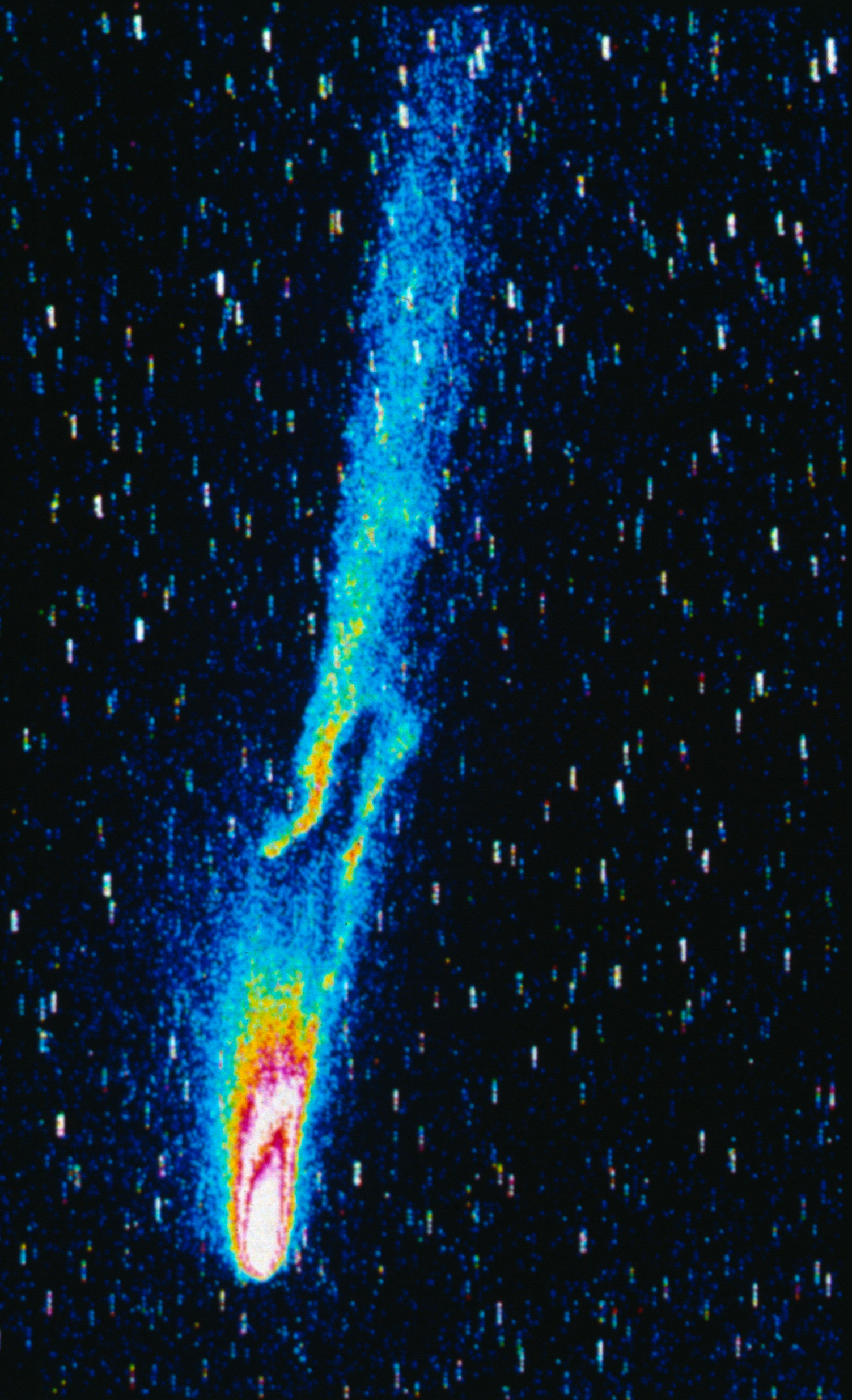
The Orionids return every October. The next big meteor showers of the year will follow in November and December. For now, this is the best show in the sky.
Mark the night of October 21-22 on your calendar. Wait for the Moon to set.
Then find a dark spot and look up. Halley's dust is falling, and it is free to watch.
Related stories

Why diamond is hard and graphite is soft when both are carbon
Diamond and graphite are both pure carbon, yet diamond is 10 on the Mohs scale and graphite is 1 to 2. The difference is not the atoms;

Why Hot Water Can Freeze Faster Than Cold: The Mpemba Effect Explained
Hot water can freeze faster than cold under specific conditions. The Mpemba effect, named for a 1963 schoolboy experiment, still divides
How Magnets Work at the Atomic Level: Spins, Domains, and Iron
Magnetism comes from electrons: their spin and orbits make each atom a tiny magnet. In iron, quantum forces align these atomic magnets into