
Storm Adam floods eastern Spain, kills four: what happens next
Web StoryWatch this story in 15 seconds →Key takeaways
- Storm Adam killed four people in eastern Spain. Floods swept cars away and cut off coastal towns.
- Spain's weather agency measured up to 700 litres of rain per square metre in 24 hours in Valencia.
- Shelter orders were lifted by Monday afternoon, but cleanup and road closures will take days.
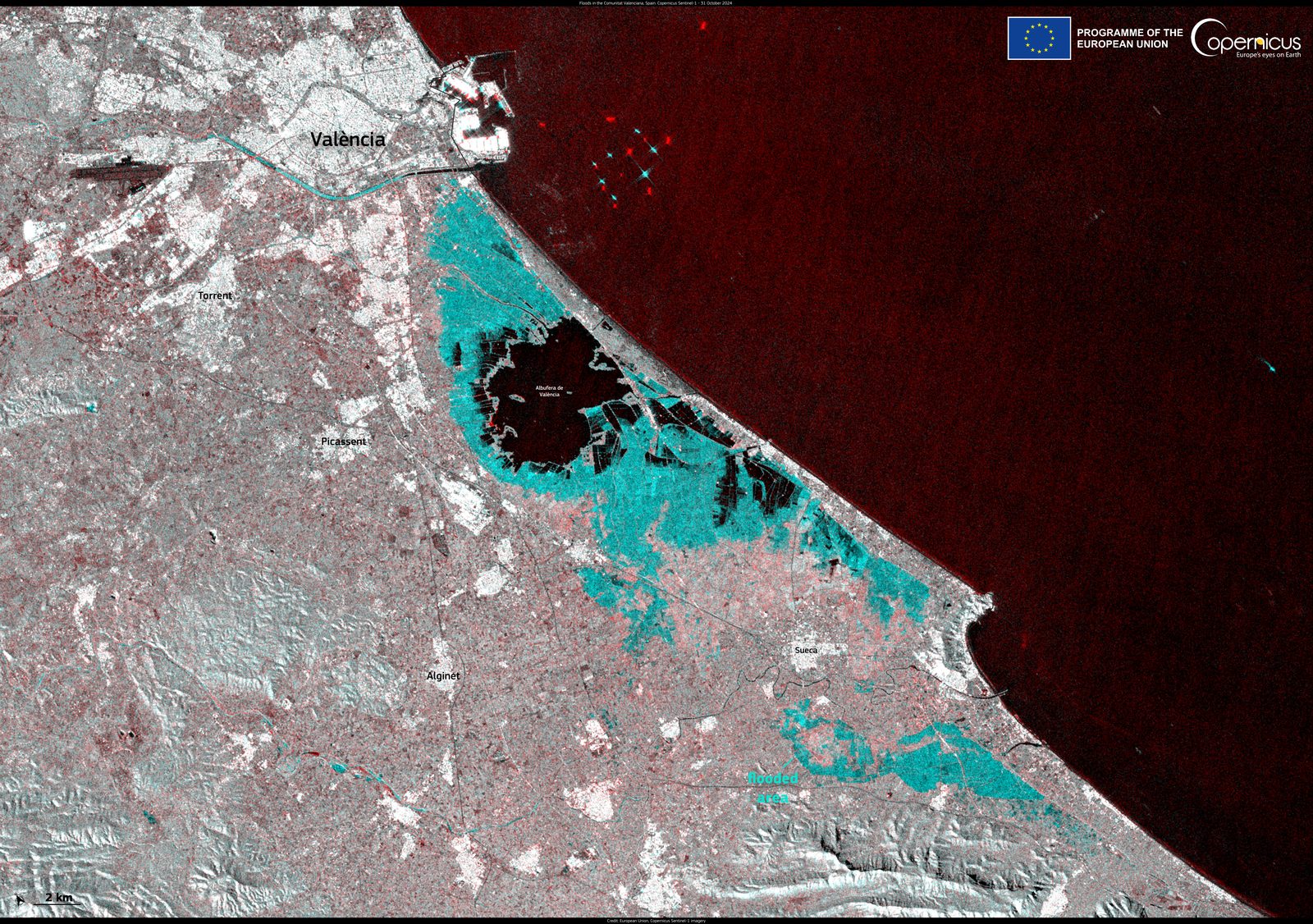
Storm Adam dumped a record amount of rain on eastern Spain over the weekend. Four people died.
Hundreds of thousands of residents were told to stay indoors on Monday. The worst of the rain has passed. Now towns are counting the damage.
What happened
The storm reached Spain on Saturday. It hit the eastern coast first.
The worst rain fell on Sunday and into Monday. The Valencia region took the hardest hit.
AEMET, Spain's weather agency, measured up to 700 litres of rain per square metre in 24 hours there. The figure comes from Al Jazeera.
Reuters reported that some areas got over 600 mm in 48 hours. That is the most rain in a two-day period since 1987.
Streets turned into rivers. Rivers broke their banks.
Cars piled on top of each other in some towns. The floodwater cut off whole towns from the outside world.
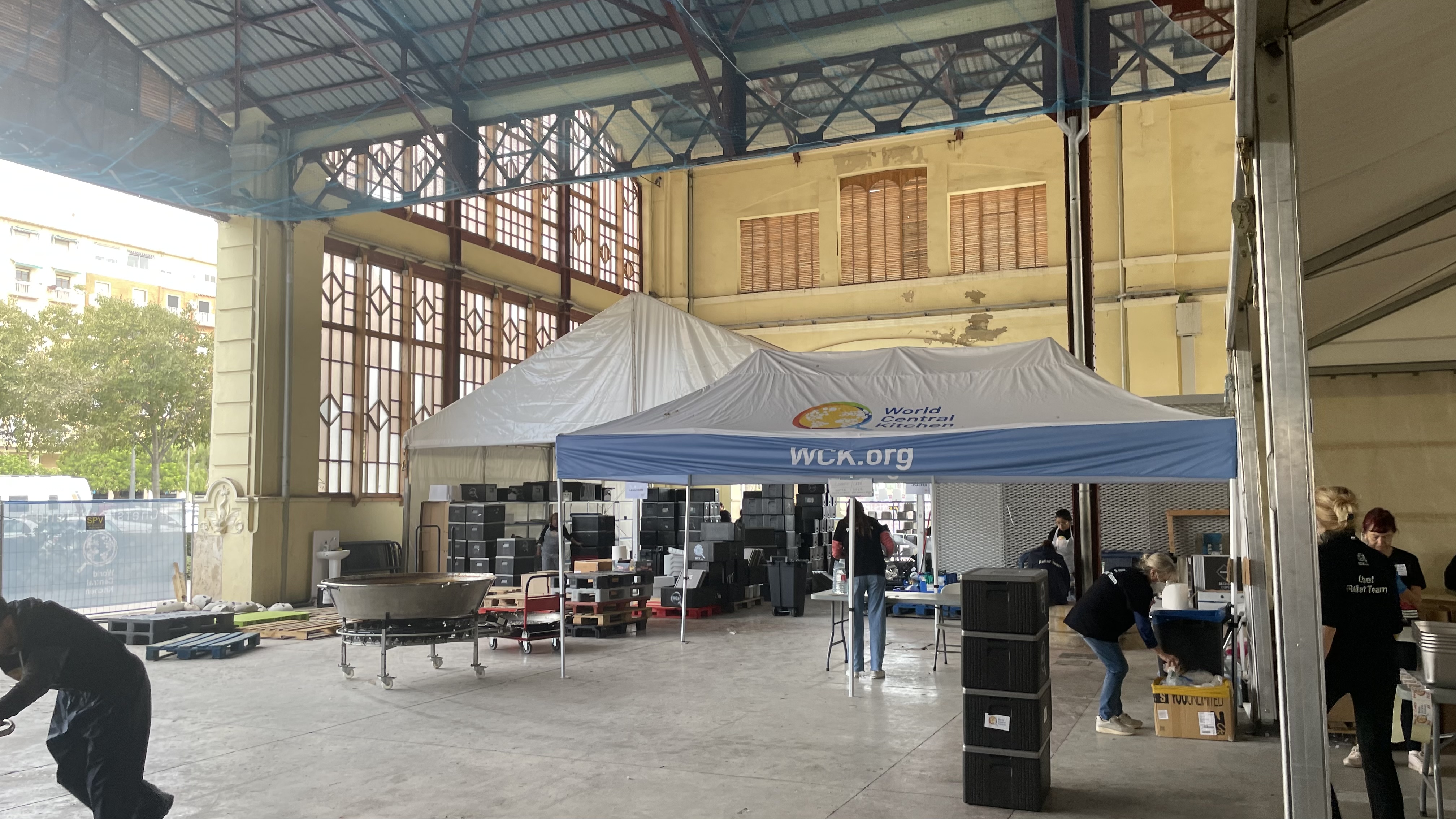
Four people died in the storm. Two victims were found in Oliva, a coastal town near Valencia.
A 79-year-old woman was found dead at her home. A 64-year-old man died of a heart attack at a campsite. The details come from CGTN.
A third victim, a 55-year-old woman, drowned while bathing at Almarda beach in Sagunto. A fourth woman was swept away by floodwater near Cabrera de Mar, north of Barcelona. Her body was found in the sea.
On Monday morning, 800,000 people were under shelter-in-place orders. That means they were told to stay home and not go outside.
By late afternoon, the number had dropped to 87,000. Most orders were lifted as the rain eased. Al Jazeera reported the change.
Rescue teams worked around the clock. Helicopters lifted people from rooftops.
Government representative Pilar Bernabe said more than 400 rescues took place in the Valencia region. The figure covers the Valencia region alone.
In the town of Pego, all roads were blocked. Mayor Enrique Moll told local radio that even military vehicles could not get through.
Some people were still waiting on their roofs for helicopter rescue on Monday. The mayor described the situation on the A Punt radio station.
In Oliva, deputy mayor Salvador Llopis spoke to broadcaster TVE. He said rescue teams found elderly people trapped inside their homes.
Water was up to their waists. Many had to climb on tables and furniture to stay dry.
Why it matters
The scale of this storm shocked even Spain. The rain totals are almost unheard of.
AEMET described conditions as "extremely adverse" and issued its highest red alerts. Reuters reported the agency's wording.
The floods arrived in the same region that was devastated two years ago. In 2024, floods in the Valencia region killed more than 230 people.
Many residents fear a repeat. "The village, well, it's a disaster," resident Javier Fornez told Al Jazeera. He said some people lost everything again, just like in an earlier flood.
Schools were hit hard too. More than 100,000 students in Valencia had classes suspended, according to Reuters.
CGTN put the figure at over 102,000 pupils across 68 municipalities. The closures covered most of the region.
Scientists say this kind of storm is getting worse. Human-driven climate change is making Mediterranean autumn storms stronger.
Meteorologists told Reuters that a warmer sea adds more water vapour to the air. That vapour falls as heavier rain.
Spain's weather agency also announced a new record this week. Last month was the country's hottest September ever.
The country also had its warmest summer between June and August. Hot seas fuel bigger storms in autumn.
What happens next
The rain has eased. Confinement orders were lifted in most areas by Monday noon.
CGTN said 145 municipalities had been under the orders. But the cleanup will take days or weeks.
Roads are still blocked across the Valencia region. Train traffic between Valencia and Gandia and Xativa was halted.
Emergency services responded to over 700 incidents in the region. The figure covers flood damage, blocked roads, and rescue calls.
If you are travelling in Spain, check before you move. Ibiza airport was closed after floodwater swamped it.
Airport operator Aena said at least five flights were cancelled and 16 diverted. Airports can shut down fast when runways flood, so expect more delays on affected routes.
On the roads, never drive through floodwater. Streets that look shallow can hide strong currents.
Cars were swept away during this storm. Here is how to drive safely in heavy rain when you must be on the road.
The Balearic Islands were hit too. Mallorca and Ibiza saw flooded homes and roads.
Army units were deployed from the mainland to help. The army joined local teams on both islands.
If you are outdoors and caught in sudden heavy rain, get to high ground fast. Stay away from streams and tunnels.
Ten people had to be rescued from a flooded tunnel near Malaga during this storm. Firefighters pulled them out of the surging water.
AEMET keeps red and orange alerts in place for some areas. The next 24 hours will decide whether rivers stay inside their banks.
Prime Minister Pedro Sanchez was expected to visit the emergency command centre in Oliva on Tuesday. He will meet emergency workers and mayors from the affected towns.
The full cost of the damage is not known yet. Farmers' groups say about 8,000 hectares of farmland were damaged in the Valencia region alone.
Towns like Els Poblets and Oliva face a long rebuild. Residents are starting the cleanup this week.
Related stories

Why diamond is hard and graphite is soft when both are carbon
Diamond and graphite are both pure carbon, yet diamond is 10 on the Mohs scale and graphite is 1 to 2. The difference is not the atoms;

Why Hot Water Can Freeze Faster Than Cold: The Mpemba Effect Explained
Hot water can freeze faster than cold under specific conditions. The Mpemba effect, named for a 1963 schoolboy experiment, still divides
How Magnets Work at the Atomic Level: Spins, Domains, and Iron
Magnetism comes from electrons: their spin and orbits make each atom a tiny magnet. In iron, quantum forces align these atomic magnets into