
Vanuatu earthquake triggers tsunami warning: what the 7.2 quake means
Web StoryWatch this story in 15 seconds →Key takeaways
- A 7.2-magnitude earthquake struck the sea near Vanuatu on Saturday, October 24, at 2:31 am UTC, 200 kilometres west of Sola and 10 kilometres below the seabed.
- The Pacific Tsunami Warning Centre in Hawaii warned that tsunami waves could hit coasts within 300 kilometres of the epicentre, with the first wave due near Espiritu Santo around 3:01 am UTC.
- The USGS later revised the quake down to 6.9 in some reports and also logged a separate 6.3 quake nearby. No deaths or damage have been reported so far.
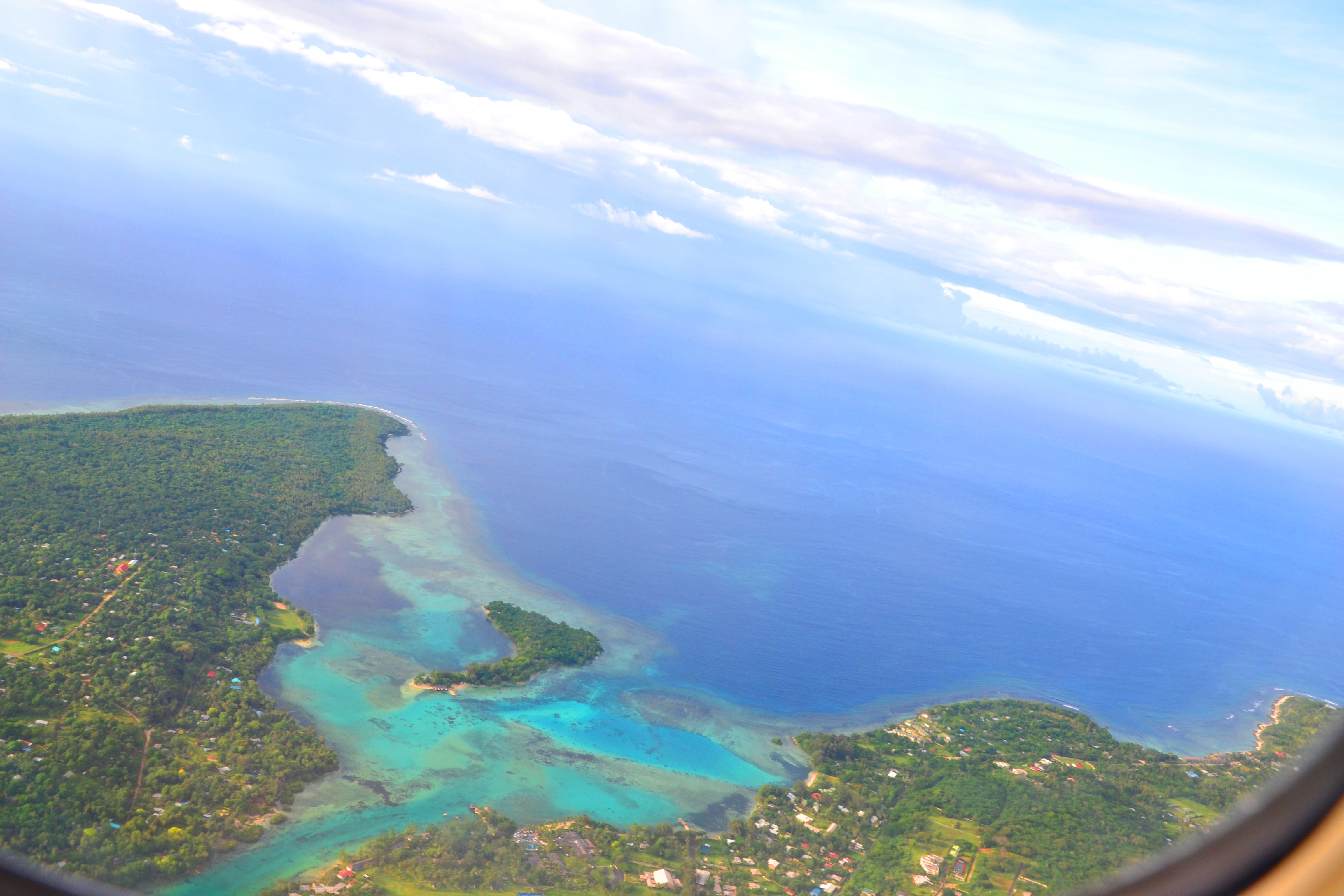
A 7.2-magnitude earthquake struck the sea near Vanuatu on Saturday, October 24. The centre warned of dangerous tsunami waves within 300 kilometres of the epicentre. So far, no deaths or damage have been reported.
Searches for the quake spiked within hours of the first reports.
What happened
The quake hit at 2:31 am UTC, according to the US Geological Survey (USGS). Its epicentre was about 200 kilometres west of the town of Sola. It struck only 10 kilometres below the seabed, which is shallow for an earthquake.
Shallow quakes shake the ground more strongly than deep ones. They can also push up the seabed and move huge amounts of water. That is why the warning centre took this quake seriously.
Shortly after the main quake, the USGS also reported a second quake nearby. It measured 6.3 in magnitude.
It said the first reading was measured automatically, so its figures could change. Later reports revised the main quake's size down to 6.9.
The USGS posted on X that the smaller quake was 170 kilometres north-west of Port-Olry. Port-Olry is a town on Vanuatu's largest island.
Magnitude is the number scientists use for a quake's size. A bigger number means stronger shaking. The epicentre is the point on the surface right above the quake.
Vanuatu is one of the places where earthquakes happen more often than in most countries. It sits where giant plates of the earth's crust push against each other. When they slip, the ground shakes.
Why it matters
The Pacific Tsunami Warning Centre is based in Hawaii. It said hazardous waves were possible for coasts within 300 kilometres of the epicentre. Its bulletin named Vanuatu as the threatened coastline.
It told government agencies to warn people in coastal areas. It urged people in those areas to follow official instructions.
A tsunami is a series of waves. The gaps between waves last five minutes to an hour. The first wave may not be the largest.
The centre said the first wave could reach Espiritu Santo around 3:01 am UTC. The real time could differ, it said.
The USGS measured this quake with sensors that detect tremors from far away. The first figure was automatic. That is why later readings can change as scientists check the data.
The warning zone is a circle with a 300-kilometre radius around the epicentre. Only coasts inside that circle face possible waves. That is why nearby countries are not affected.
People in Hawaii do not need to worry, the warning centre said. It found no tsunami threat to Hawaii. It also listed Guam, Rota, Tinian, Saipan, and American Samoa as safe.
The Philippines is also safe. Its volcano and earthquake agency, PHIVOLCS, said there is no threat to the Philippines. The 300-kilometre warning zone sits entirely around the Vanuatu epicentre.
What happens next
Scientists will keep watching the USGS earthquake feed for aftershocks. Smaller quakes often follow a big one. The warning centre will update its bulletins if new data changes the picture.
People on Vanuatu's coasts should stay alert for now. They should follow instructions from national and local authorities. Anyone far from the coast is not in danger.
If the warning lifts, coastal life in Vanuatu goes back to normal. The USGS will keep checking its readings for any change.
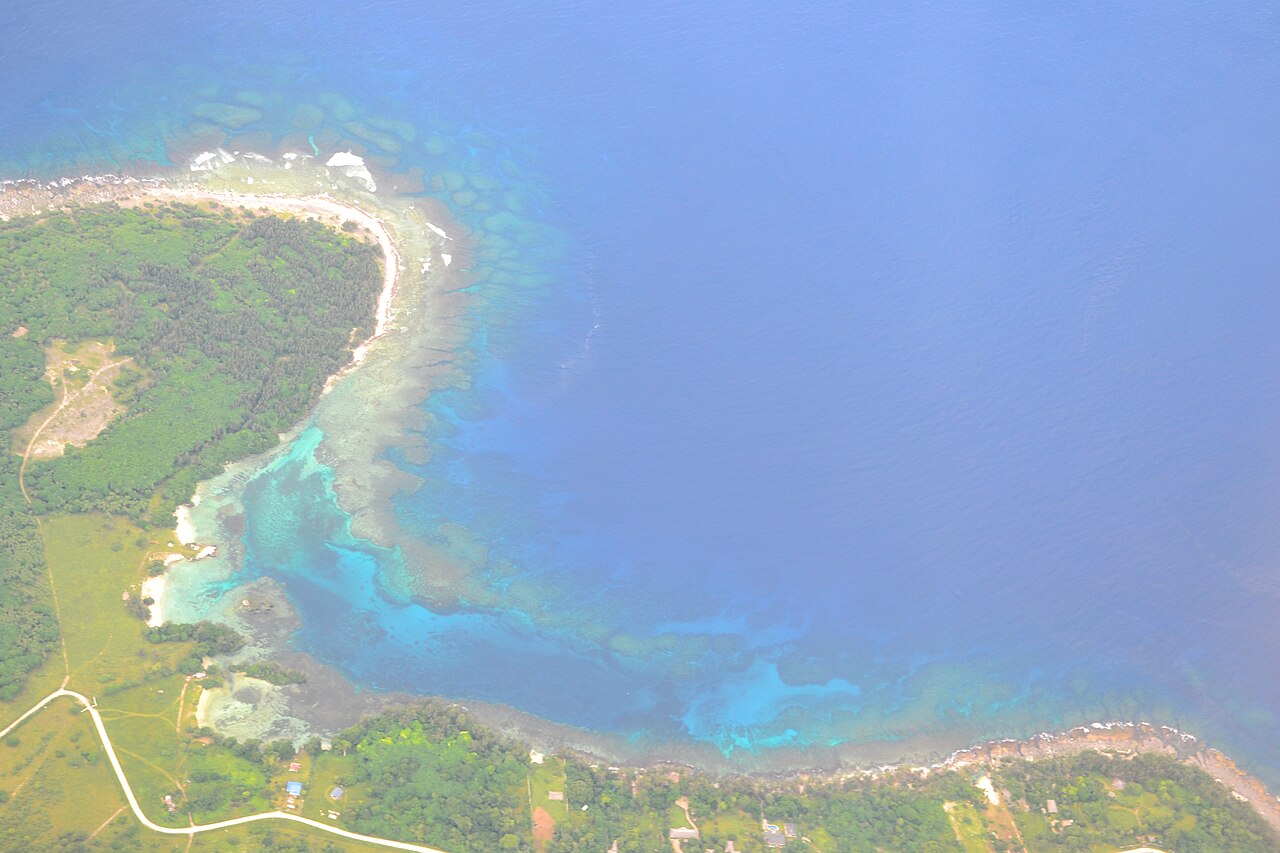
Damage checks are still going on. No deaths or damage have been reported so far, The Indian Express said. News from remote islands can take time to come in.
This is a developing story. The warning centre and the USGS will publish updates as new readings arrive.
Updates will also say whether the warning is lifted. For now, the message is simple: stay alert and follow official advice.
Related stories
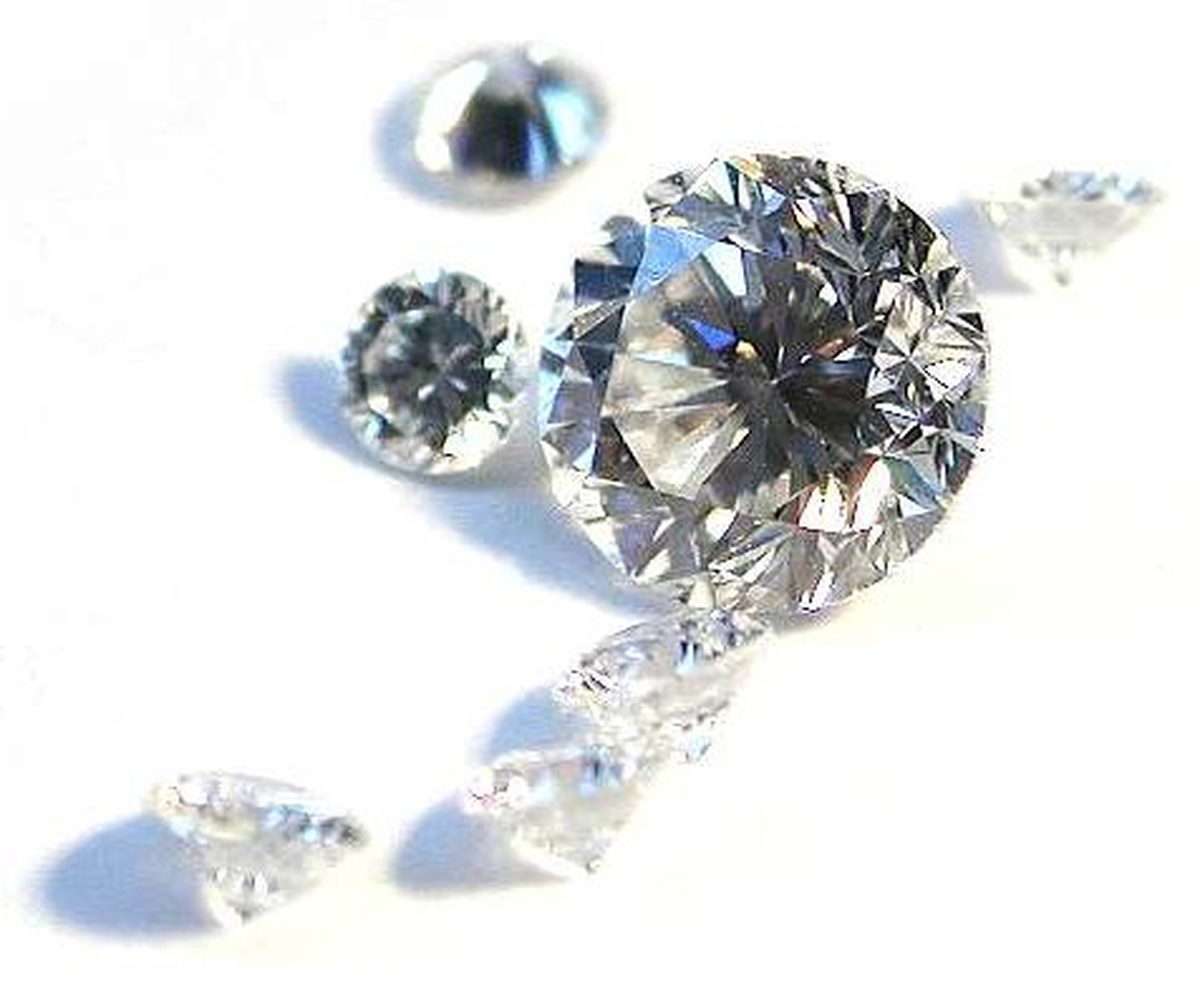
Why diamond is hard and graphite is soft when both are carbon
Diamond and graphite are both pure carbon, yet diamond is 10 on the Mohs scale and graphite is 1 to 2. The difference is not the atoms;
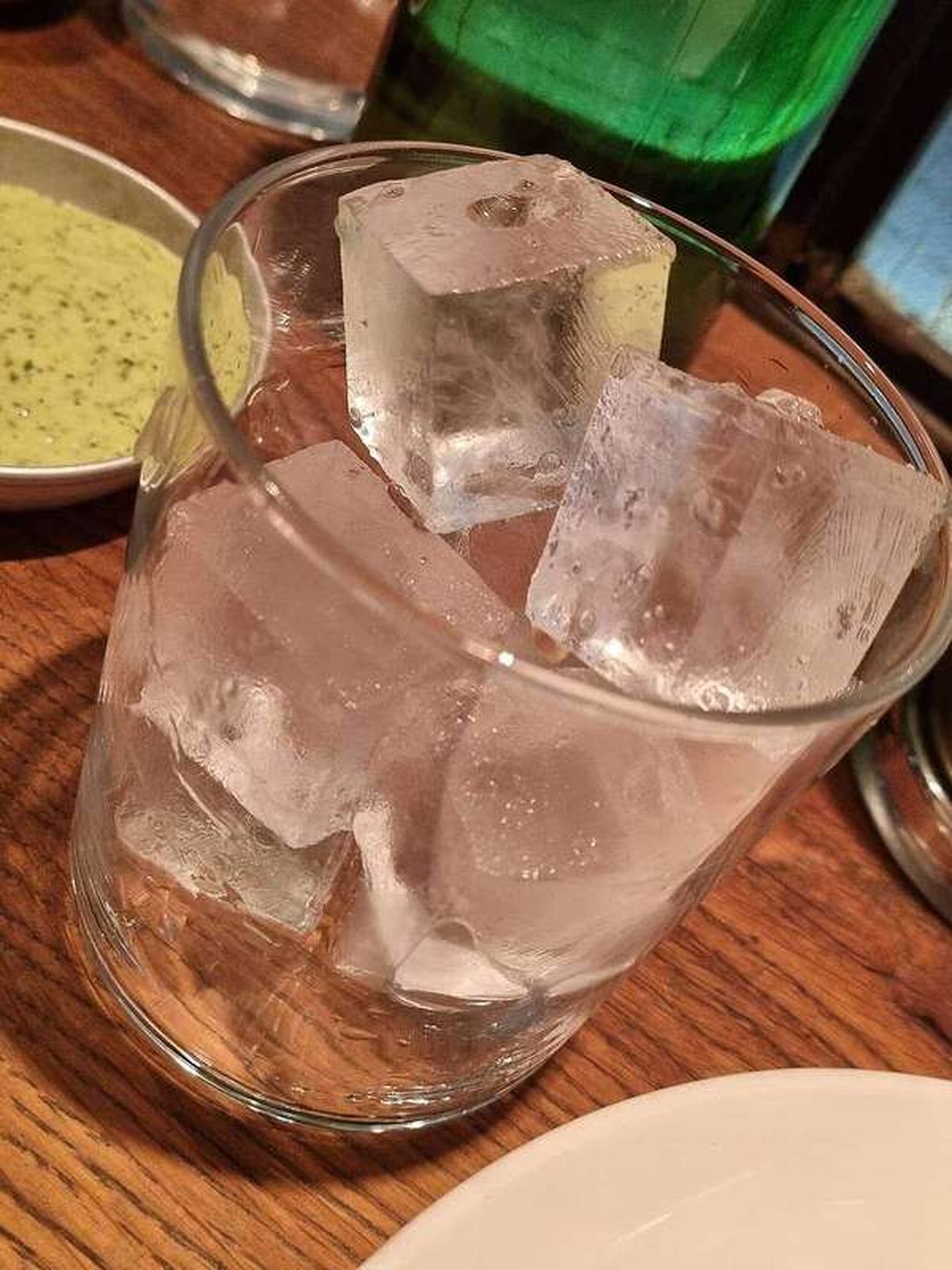
Why Hot Water Can Freeze Faster Than Cold: The Mpemba Effect Explained
Hot water can freeze faster than cold under specific conditions. The Mpemba effect, named for a 1963 schoolboy experiment, still divides
How Magnets Work at the Atomic Level: Spins, Domains, and Iron
Magnetism comes from electrons: their spin and orbits make each atom a tiny magnet. In iron, quantum forces align these atomic magnets into