
Why water forms beads on a waxed car surface
By Rive News / Research desk | Rive News / Published October 28, 2026 at 9:00 AM PKT
Key takeaways
- Wax makes a car's surface hydrophobic, so water sticks to itself more than to the paint.
- Water's surface tension, 72.8 millinewtons per metre at 20 C, pulls drops into rounded beads.
- A contact angle above 90 degrees means beading, while a lower angle means spreading.
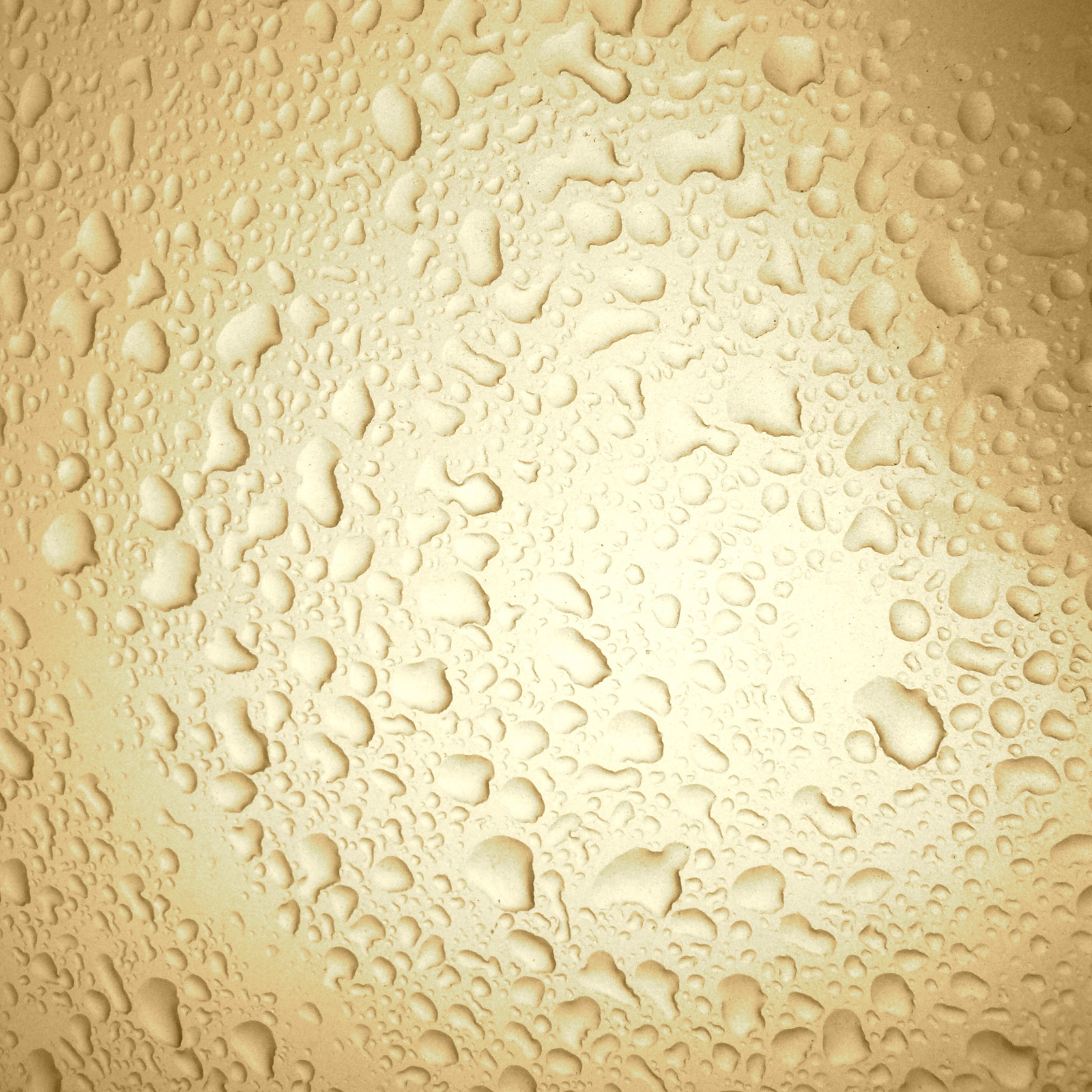
[Water droplets beaded on a car surface after rain.] Photograph: Wikimedia Commons contributor
Image Credits: Wikimedia Commons
Water forms beads on a waxed car because two forces pull in opposite directions, and the water wins. Wax is hydrophobic, meaning it repels water, so water molecules cling to each other far more strongly than they cling to the wax. Surface tension then pulls each clump of water into the most compact shape available, which is a rounded bead.
This article explains why water beads on a waxed car, including surface tension, contact angle, what wax does at the molecular level, why beading fades, and when sheeting actually works better.
Surface tension: water pulling itself together
Surface tension is the tendency of a liquid surface to shrink to the smallest area possible. Water molecules attract each other through hydrogen bonds, and a molecule at the surface has fewer neighbours than one inside the drop, so it is pulled inward. The surface behaves like a stretched skin, and the drop contracts.
Water has a notably high surface tension for a common liquid: 72.8 millinewtons per metre at 20 degrees Celsius. That strong inward pull is why small water drops are nearly spherical when nothing else interferes. A sphere has the least surface area for a given volume, so it is the shape surface tension favours.
On an unwaxed, dirty, or worn surface, adhesion competes with this pull. Water molecules find plenty to grip, so the drop flattens and spreads into a film. On wax, that grip is mostly gone, and cohesion takes over.
As one explainer puts it, water beads form when the cohesion of water molecules with each other is much greater than the adhesion of the water to the surface.
What wax does to the surface
Car wax is made largely of long-chain, non-polar molecules, such as those in carnauba wax. Water is polar, meaning its molecules carry a partial positive charge on one side and a partial negative charge on the other. Polar water and non-polar wax have little attraction for each other, so water does not wet a waxed surface well.
Waxing lays a thin, low-energy layer over the paint. Surface energy is a measure of how strongly a surface attracts a liquid, and a low-energy surface gives water little reason to spread. The result is a surface that water would rather sit on than soak into, which is the definition of hydrophobic behaviour.
The same principle shows up in nature. The waxy coating on lotus leaves lets water roll off carrying dust with it, which is why the leaf stays clean. Car wax borrows that trick for paint, trading a plant's self-cleaning leaf for a car's self-shedding bonnet.
Contact angle: the number that decides beading
Scientists describe wetting with the contact angle, the angle where a droplet meets the surface. A low contact angle, below 90 degrees, means the drop spreads out and wets the surface. A high contact angle, above 90 degrees, means the drop stands up in a bead and touches only a small patch of surface.
Fresh wax pushes the contact angle above 90 degrees. That small contact patch matters, because it means less friction holding the bead in place. A breeze, a slope, or the car's own movement can then roll the bead off, carrying loose dust with it.
On a surface with a low contact angle, the same water would cling as a film and dry in place, leaving spots.
Beading is not the same as waterproofing. A beaded surface still gets wet; the water just spends less time spread across it. If beads sit and evaporate in strong sun, the minerals dissolved in them stay behind as water spots, which is why detailers often dry a car rather than letting beads bake off.
Why beading fades over time
Wax wears away. Washing, road grit, heat, and detergents gradually strip the thin layer, and as it thins, the surface energy rises and the contact angle falls. Beads get flatter, spread wider, and roll off less readily, until the surface sheets water instead of beading it.
Contamination speeds the process. Traffic film, tree sap, and tar give water something to grip, so a panel can stop beading in patches even while the wax elsewhere still works. That patchy beading is a useful diagnostic: it shows where the coating has failed, rather than meaning the whole car needs attention at once.
Ceramic coatings work on the same physics but last longer, because they bond more durably to the paint than wax does. They are still hydrophobic layers raising the contact angle, not a different phenomenon. When a ceramic coating eventually degrades, its beading fades in the same way.
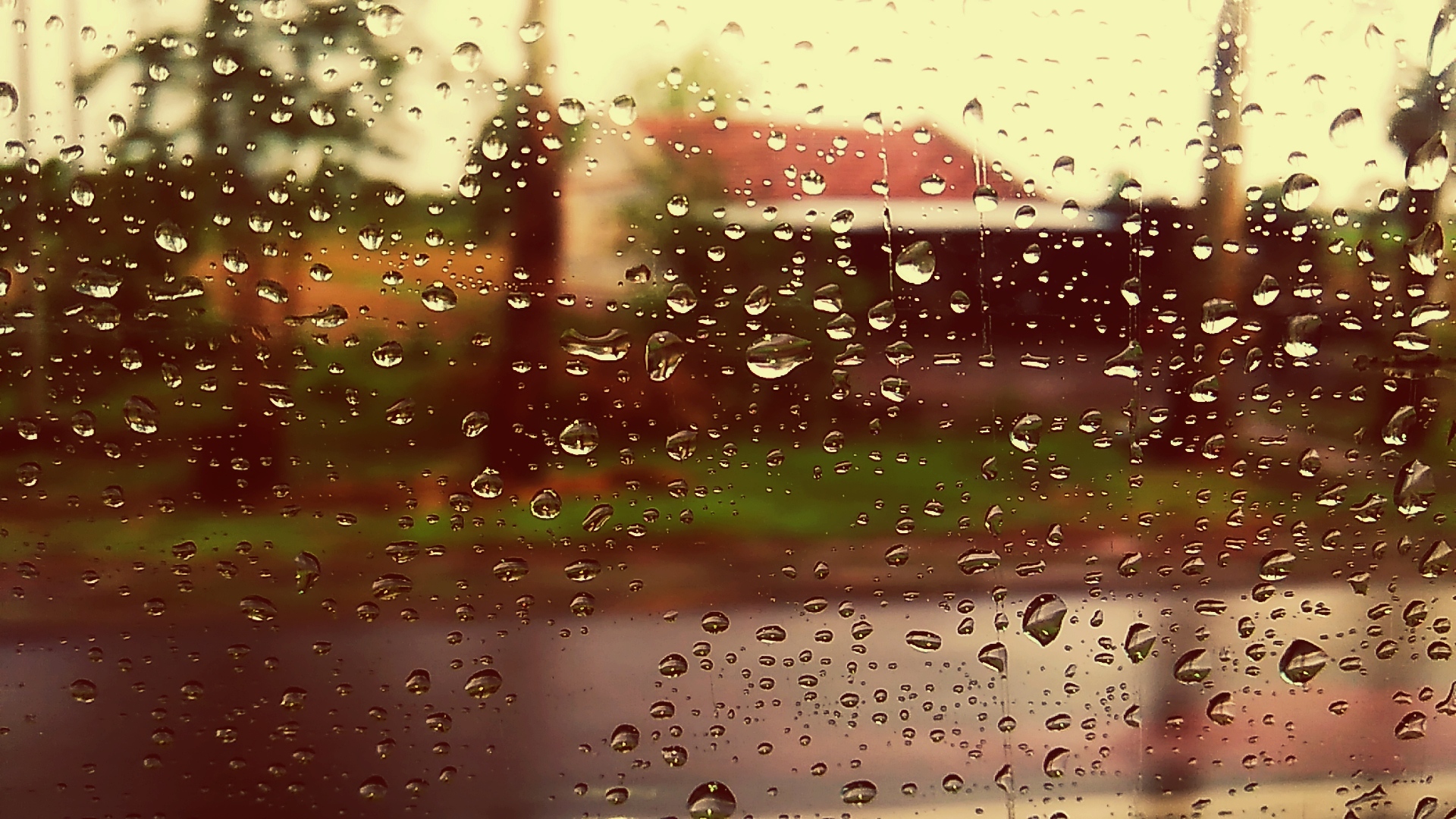
[Water droplets resting on a car window.] Photograph: Wikimedia Commons contributor
Image Credits: Wikimedia Commons
Beading versus sheeting
Not every product aims for beads. Some coatings are designed to be hydrophilic, encouraging water to spread into a thin sheet that slides off in one piece. Sheeting can leave fewer spots than beading, because a sheet carries dissolved minerals off the panel instead of letting individual beads dry in place.
Neither behaviour is universally better. Beading looks dramatic and sheds light rain well, while sheeting clears heavy water faster and can reduce spotting.
The choice depends on climate, washing habits, and whether the car is usually dried by hand. What both approaches share is control of the contact angle: beading raises it, sheeting lowers it on purpose.
For car owners, the practical test is simple. Spray water on a panel and watch. Tight, round beads that roll off signal a healthy hydrophobic layer.
A flat film that clings signals that the coating has worn and the panel is due for a wash and a fresh coat.
Related car-care reading includes why a car fogs up inside on cold mornings, how to stop car windows from fogging, and how to clean car headlights that have gone cloudy.
Frequently asked questions
Does beading mean my car is protected?
Beading shows a hydrophobic layer is present, which usually means wax or a coating is still on the paint. It does not prove protection against scratches, stone chips, or UV damage, which need their own measures.
Why does water bead on a waxed car but not on glass?
Clean glass has a higher surface energy and a lower contact angle, so water spreads on it. Wax lowers the surface energy of paint below the threshold for beading, while untreated glass stays above it.
How long does car wax beading last?
It varies with product, washing, and weather. Natural waxes often bead for weeks to a few months, while sealants and ceramic coatings last longer. Flat, patchy water is the sign the layer has worn thin.
Can beading cause water spots?
Yes, if beads evaporate in sun. Minerals in the water stay behind as spots when the drop dries in place. Drying the car after washing, or parking in shade, reduces spotting even on a well-beaded surface.
The bottom line
Water beads on a waxed car because wax gives water almost nothing to hold onto, and water's own surface tension does the rest. With a contact angle above 90 degrees, each drop pulls into a rounded bead that touches only a small patch of paint and rolls away easily.
When beading flattens and water starts to sheet and cling, the wax has worn thin and the panel is ready for a fresh coat. The beads are not magic, and they are not proof of total protection, but they are a visible, honest signal that the hydrophobic layer is still doing its job.
Tags: surface tension, water, car care, hydrophobic
Rive News's research desk covers everyday science and home topics from published sources, with no invented experts or first-hand claims.
Related
- Why your car fogs up inside on cold mornings
- How to stop your car windows from fogging up
- How to clean car headlights that have gone cloudy
Subscribe to the Rive News newsletter for one practical explainer each week.
Rive News publishes general information only; figures are cited from the sources listed above.
Related stories
Why diamond is hard and graphite is soft when both are carbon
Diamond and graphite are both pure carbon, yet diamond is 10 on the Mohs scale and graphite is 1 to 2. The difference is not the atoms;
Why Hot Water Can Freeze Faster Than Cold: The Mpemba Effect Explained
Hot water can freeze faster than cold under specific conditions. The Mpemba effect, named for a 1963 schoolboy experiment, still divides
How Magnets Work at the Atomic Level: Spins, Domains, and Iron
Magnetism comes from electrons: their spin and orbits make each atom a tiny magnet. In iron, quantum forces align these atomic magnets into