
Why do athletes ice bath after training? The evidence explained
By Rive News / Research desk | Rive News / Published October 24, 2026 at 9:00 AM PKT
Key takeaways
- A 2022 meta-analysis of 32 trials found ice baths cut muscle soreness by 18% at 24 hours and 26% at 48 hours.
- A 12-week study found regular post-lifting ice baths blunted long-term muscle and strength gains.
- Ice baths suit athletes who must perform again within 48 hours; lifters chasing growth should usually skip them.
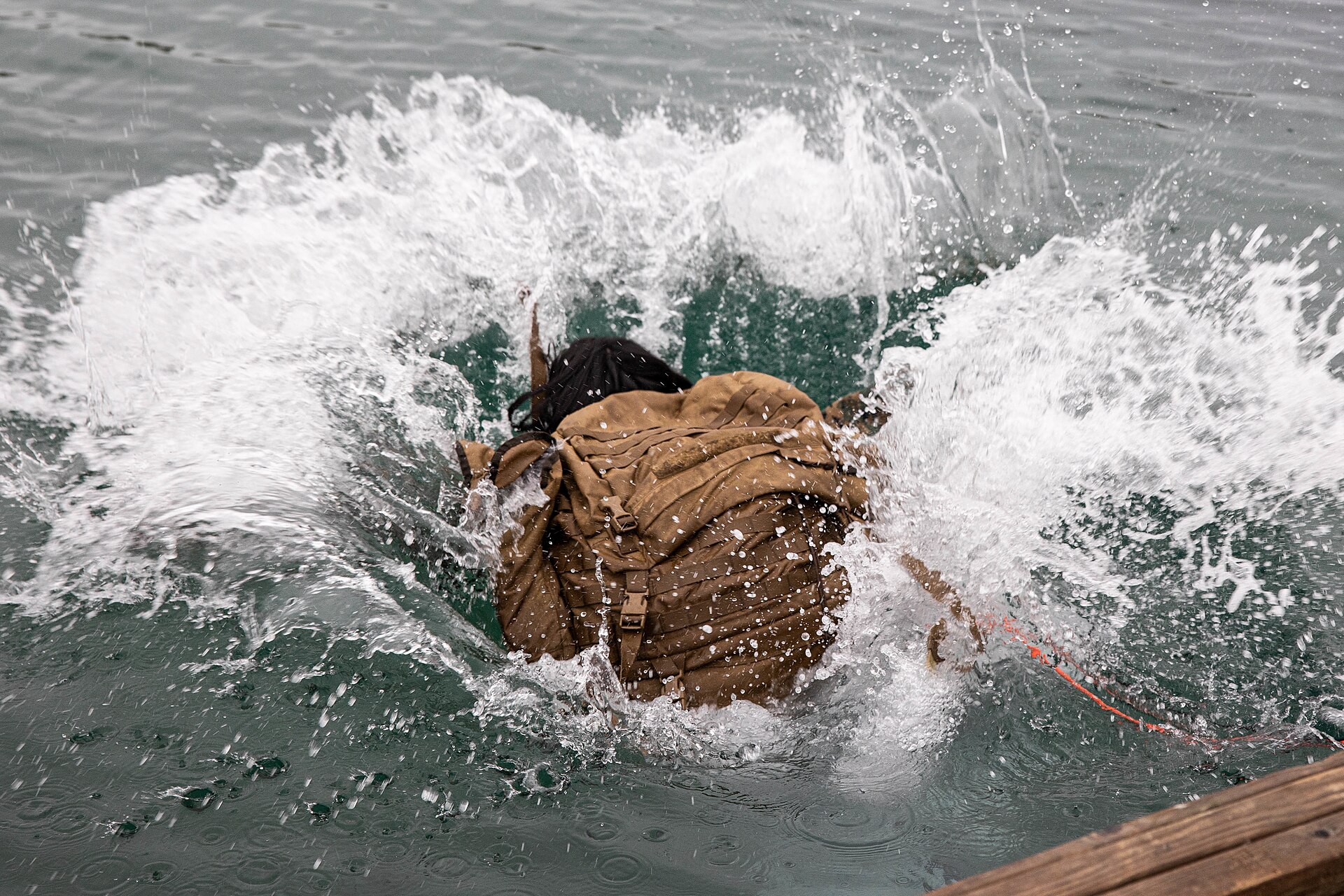
[A Marine conducts cold water immersion training, the same recovery technique athletes use after hard sessions.] Photograph: cold water immersion training
Image Credits: Wikimedia Commons
An ice bath is the practice of sitting in cold water, typically 10-15°C (50-59°F), for 10-15 minutes after exercise. Athletes use it to reduce soreness and recover faster between sessions.
The practice is everywhere in professional sport: locker rooms from the Premier League to the NFL keep tubs ready after matches. But the science splits into two very different conclusions, depending on what the athlete is training for.
This article explains why athletes ice bath after training, including what cold water does to the body, what the evidence shows, when ice baths make sense, when to skip them, and how athletes typically do it.
What does cold water actually do to muscles?
Cold water triggers several immediate physiological responses.
The headline one is vasoconstriction: blood vessels narrow, reducing blood flow to the limbs and limiting swelling around damaged muscle tissue. When the athlete gets out, vessels reopen and blood rushes back, which is believed to help flush metabolic waste.
Cold also desensitizes nerves. The drop in skin and muscle temperature numbs nerve endings, which lowers perceived pain. That is why athletes report feeling better almost immediately, even before any tissue-level healing has occurred.
The cold shock also activates the body's stress response, including a surge of norepinephrine, a hormone that elevates alertness and mood. Some of the "refreshed" feeling athletes describe after an ice bath is this neurochemical effect, not muscle repair.
What does the evidence say about soreness?
For short-term soreness, the evidence is genuinely strong.
In a 2022 meta-analysis of 32 randomized controlled trials, researchers found 18% lower muscle soreness ratings at 24 hours and 26% lower at 48 hours for groups using cold water immersion versus passive recovery, Hohenauer and colleagues reported in Sports Medicine. Most protocols involved 10-15 minutes of immersion at 10-15°C.
A 2017 meta-analysis in the same journal found athletes had 10-20% less muscle soreness within 24 to 96 hours post-exercise. Controlled trials also show lower creatine kinase, a blood marker of muscle damage, within 48 hours of hard sessions.
The largest pain-relief effects appear when immersion happens immediately after the workout. Performance gains are real but short-lived: measured improvements in jump or sprint tests generally last only a few days.
When does an ice bath make sense?
When the athlete has to perform again soon.
That is the clearest practical rule to come out of the research. A 2026 umbrella review covering 15 meta-analyses and 161 studies found cold-water immersion reduced soreness for up to 96 hours and restored muscular power 24 hours after hard sessions, with the most effective protocols at 10-15 minutes in 5-15°C water.
The situations where icing earns its place: a tournament with games on consecutive days, a hard training week with heavy back-to-back sessions, or a match where contact and explosive movement leave the body battered. Team sports like rugby, soccer, and basketball, where players absorb repeated impacts, are the classic use case.
In those windows, feeling less sore and moving better tomorrow is the whole goal. Long-term adaptation is not the priority.
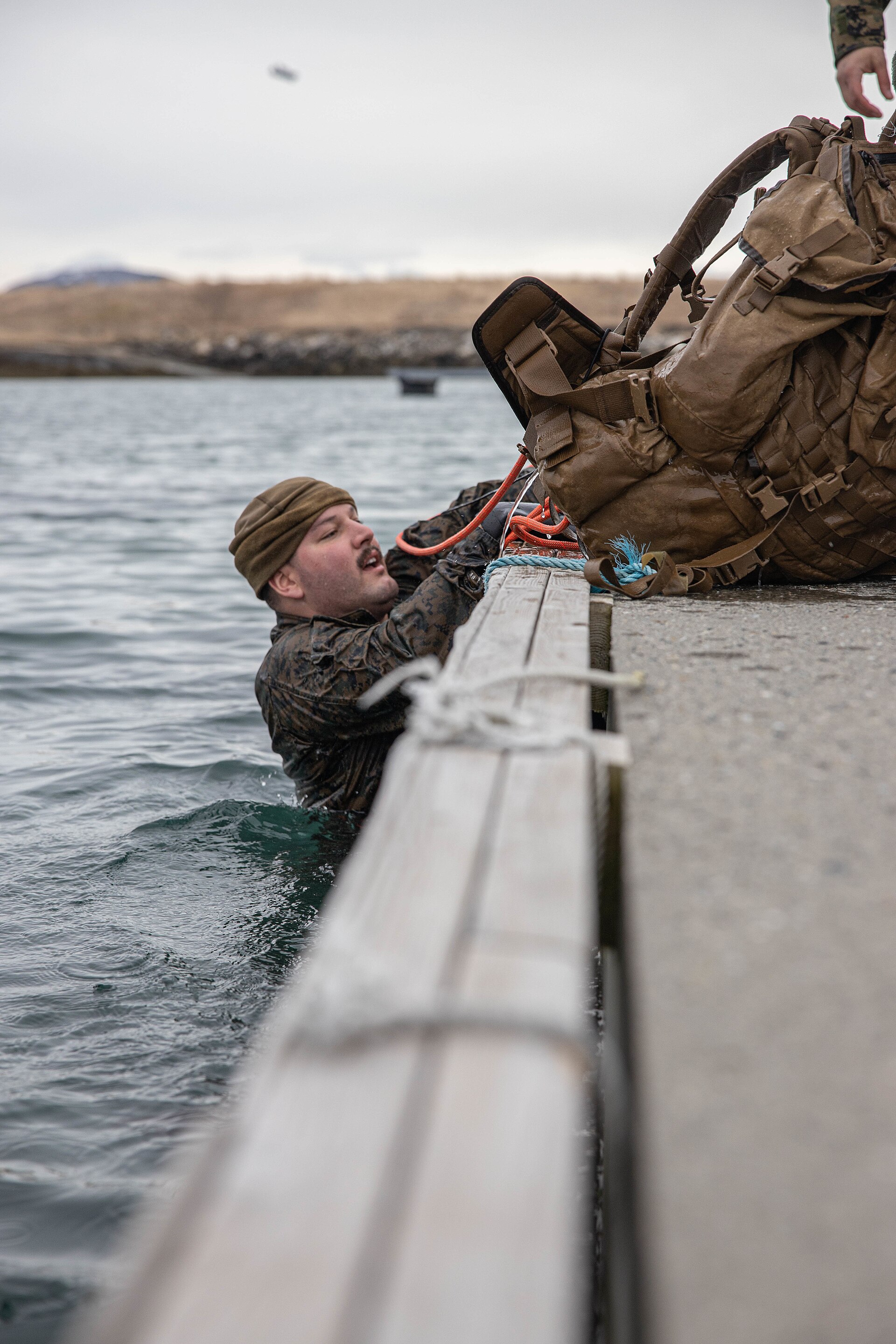
[Participants in cold water immersion training during Exercise Cold Response 2022, showing the standard waist-deep protocol.] Photograph: cold water immersion training
Image Credits: Wikimedia Commons
When should athletes skip the ice bath?
When building muscle and strength is the goal.
The key study is Roberts and colleagues' 2015 trial published in The Journal of Physiology. Twenty-one physically active men strength-trained twice a week for 12 weeks; after each session, half sat in a 10°C ice bath for 10 minutes while the other half did an active warm-down on an exercise bike.
At the end of the 12 weeks, strength and muscle mass had increased more in the warm-down group. Type II muscle fiber cross-sectional area grew 17% and isokinetic work grew 19% in the active-recovery group, but not significantly in the ice-bath group.
Muscle biopsies told the molecular story. The satellite cells and kinase pathways that drive muscle hypertrophy were blunted for up to two days after exercise in the ice-bath group.
"We found that cold water immersion after training substantially attenuated, or reduced, long-term gains in muscle mass and strength," Dr. Llion Roberts of the University of Queensland said.
The takeaway is direct: use cold water immersion when fast recovery between sessions matters most, and withhold it after resistance training when muscle growth is the main goal of the training block.
How do athletes typically do it?
The standard protocol is 10-15 minutes in water around 10-15°C, taken as soon as practical after the session.
Athletes usually immerse the legs or go waist-deep. The water should feel intensely cold but tolerable; shivering that continues after getting out is a sign to shorten the next session. Never use an ice bath alone in case of dizziness or cold shock, and people with heart conditions, circulation problems like Raynaud's, or open wounds should avoid it.
Ice baths are a tool, not a ritual. They work best as part of a recovery plan that already includes sleep, food, and sensible training loads.
Frequently asked questions
Do ice baths burn fat or boost immunity?
The evidence for fat loss or immune boosting is thin. The solid evidence is for short-term soreness reduction and perceived recovery.
Are ice baths better than a cold shower?
Showers do not produce the same immersion effect, because the body never sits in sustained cold water. Research protocols almost all use tubs, not showers.
Can beginners use ice baths?
They can, but beginners rarely train hard enough to need them. Soreness after the first weeks of training fades on its own, and ice baths are aimed at athletes with genuine back-to-back performance demands.
How long should an ice bath last?
Most studied protocols use 10-15 minutes at 10-15°C. Longer is not better; staying in too long raises the risk of cold-related harm without added recovery benefit.
The bottom line
Ice baths genuinely reduce soreness and help athletes feel ready sooner, which is why they make sense before a second game within 48 hours. But the same cold that dulls the pain also dulls the growth signals, so lifters and anyone in a strength-building phase should leave the tub alone.
Topics: ice bath, cold water immersion, sports recovery, muscle soreness
Rive News / Research desk covers sports science, writing from peer-reviewed trials and named researchers.
Related
- How to Train for Your First 5K Run
- Why Do Football Players Wear Eye Black? The Evidence
- How many rest days do beginners actually need?
Subscribe for one plain-English sports science explainer every morning.
Rive News standards: every claim traced to a named source; no invented statistics; corrections on request.
Related stories
Why Is Altitude Sickness Worse for Some People?
Altitude sickness hits some people harder because of genetics, ascent speed, and prior history, not fitness level. Here is what raises risk
Why Do You Get Blisters When Hiking and How to Prevent Them
Friction plus moisture plus heat equals a blister. Learn why hiking breeds all three, and the boots, socks, and tape system that keeps
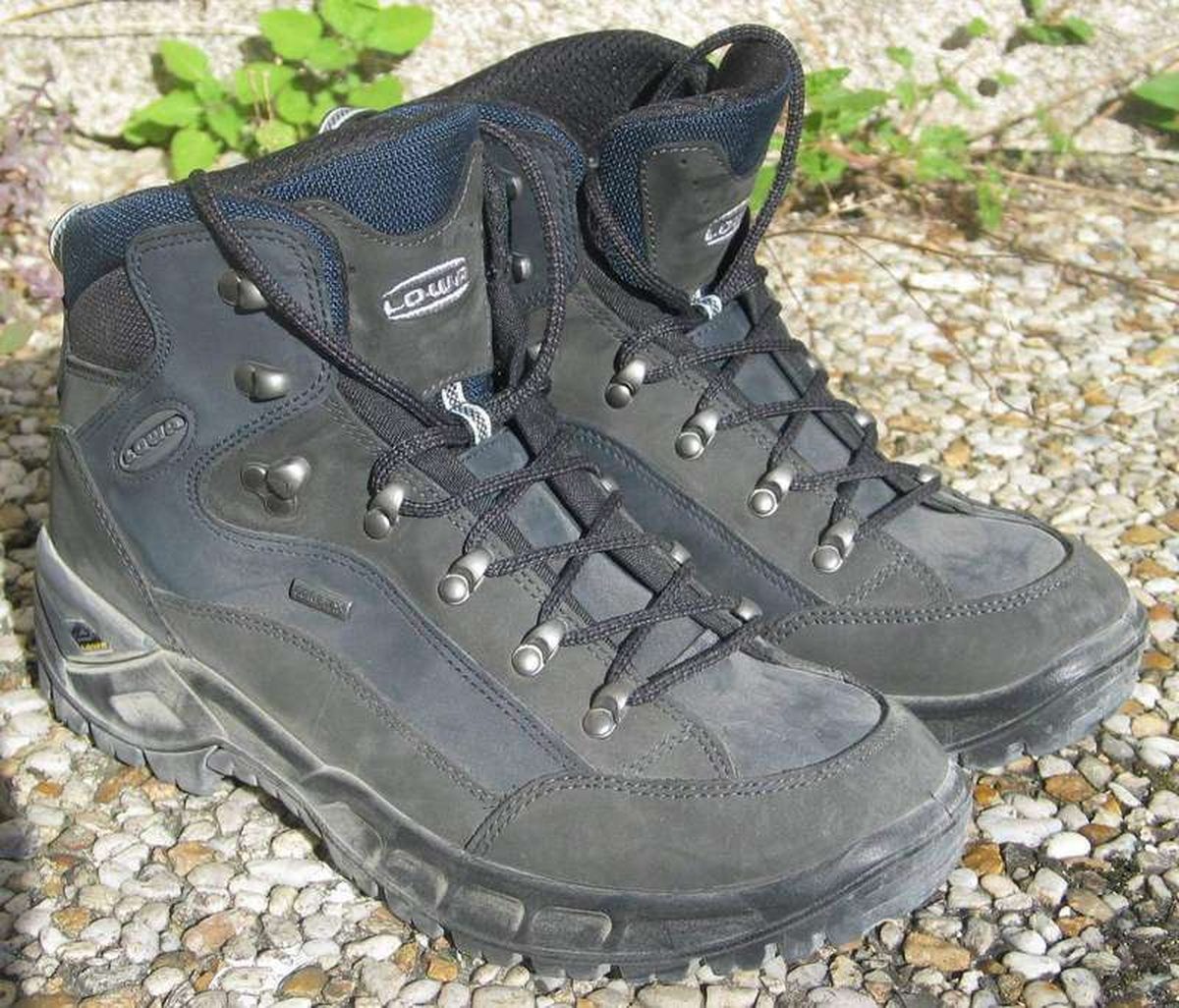
How to choose hiking boots for beginners: fit, features, and break-in
Beginners should buy for fit first: snug everywhere, tight nowhere, with a thumb's width at the toes. Here is how to size, test,