
How to Fall Safely When Skateboarding or Snowboarding
Key takeaways
- Never catch a fall with a straight, locked arm, since wrists and shoulders take the damage.
- Tuck your chin, round your body, and roll across fleshy areas like the hip and shoulder.
- Practice falls on soft ground first so the safe move becomes automatic on boards.
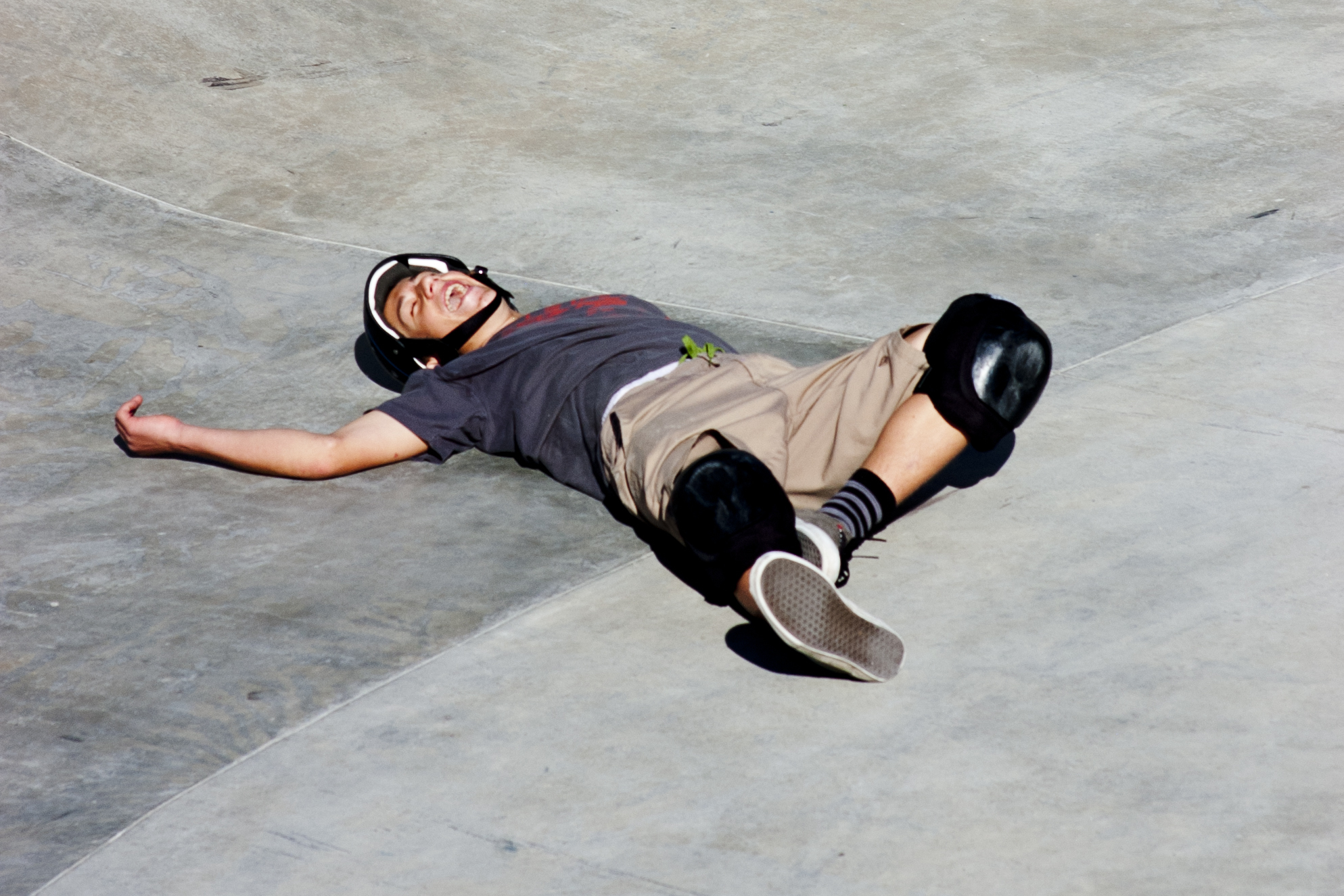
Falling is part of both board sports. Every rider goes down, from first-day beginners to riders trying a new trick. How to fall safely when skateboarding or snowboarding comes down to a few trained habits: stay loose, protect your head, keep your wrists out of the impact, and spread the force across your body instead of one joint.
The stakes are real. The Special Olympics snowboarding coaching guide reports that 90 percent of snowboarding injuries are to the wrist and shoulder, and most happen when a rider falls forward the wrong way.
This article explains why falls hurt, what to do in the first half second, how to handle forward and backward falls, and how the technique changes between a skateboard and a snowboard. It also covers the gear that helps and a safe way to practice.
Why falls hurt, and what your body should do instead
A fall hurts most when one small body part stops all of your momentum at once. A locked wrist on concrete, a flat back on ice, or a chin hitting the ground all focus force on one spot. Spreading that force over a larger area, over a longer moment, lowers the peak load on any single joint.
Relaxing matters more than bracing. A tense body lands stiff and passes the shock straight into joints. A loose body folds, rolls, and slides, which gives the energy somewhere to go.
Stunt coordinator Nick Powell advises deciding which way to roll before you land, as Men's Journal reports.
Your head is the top priority. Tuck your chin toward your chest to keep your skull off the ground and to stop your head from whipping back.
Your wrists come second. They break easily when used as brake pads, so land on forearms, hips, and shoulders instead.
The first half second: a simple sequence
Falls happen fast, so a short sequence works better than a long checklist. Use these four steps every time you feel yourself going down.
First, bend your knees and drop low. A lower fall is a shorter fall, and crouching puts you closer to a roll. Second, tuck your chin to your chest and round your shoulders.
Third, pick a side and commit to it, since rolling diagonally across your body spreads the load. Fourth, keep your arms in close, with elbows bent.
Practice this sequence on grass until it feels dull, so the body knows the pattern when a real fall comes.
Forward falls: the tuck and roll
Forward falls are the most common on both boards. On a skateboard, they often follow a sudden stop, when the board halts and the rider keeps moving. On a snowboard, they often follow a caught toe edge, which pitches the rider face first toward the snow.
The core move is the tuck and roll. As you go forward, ball up, look toward your belly, and place your forearms or palms briefly on the ground as you roll over one shoulder.
The Sport Digest describes the same idea as becoming a ball with no lumps, so the roll works like a shock absorber. Keep your chin tucked through the whole roll so your head never leads the landing.
Roll across a diagonal line, from one shoulder to the opposite hip. That path uses the fleshy parts of your body in turn: shoulder, ribs, hip, and thigh. Do not roll straight over the top of your head or straight down your spine.
Backward falls: protect the head and tailbone
Backward falls feel scarier because you cannot see where you are going. On a snowboard, they often follow a caught heel edge, which drops the rider onto their back. On a skateboard, they often follow a slip where the board shoots forward and the feet go out from under the rider.
Curl up instead of landing flat. As you fall back, bend your knees, round your back, and tuck your chin hard toward your chest.
The Special Olympics guide uses a turtle image for this: pull into your shell so your head stays forward and your back rounds. Land on your buttocks and upper back, not on the flat of your back, and let your shoulders and the back of your arms share the impact.
Never throw your hands behind you to catch a backward fall. That reflex loads the wrists and elbows while leaving the head exposed.
Falling on a skateboard: concrete changes the rules
Concrete does not forgive mistakes the way snow does. Skateboard falls need extra care about wrists, elbows, and knees, since pavement gives no cushion at all. That is why wrist guards and a helmet are standard kit for beginners, and why learning on smooth, flat ground beats learning on a crowded ramp.
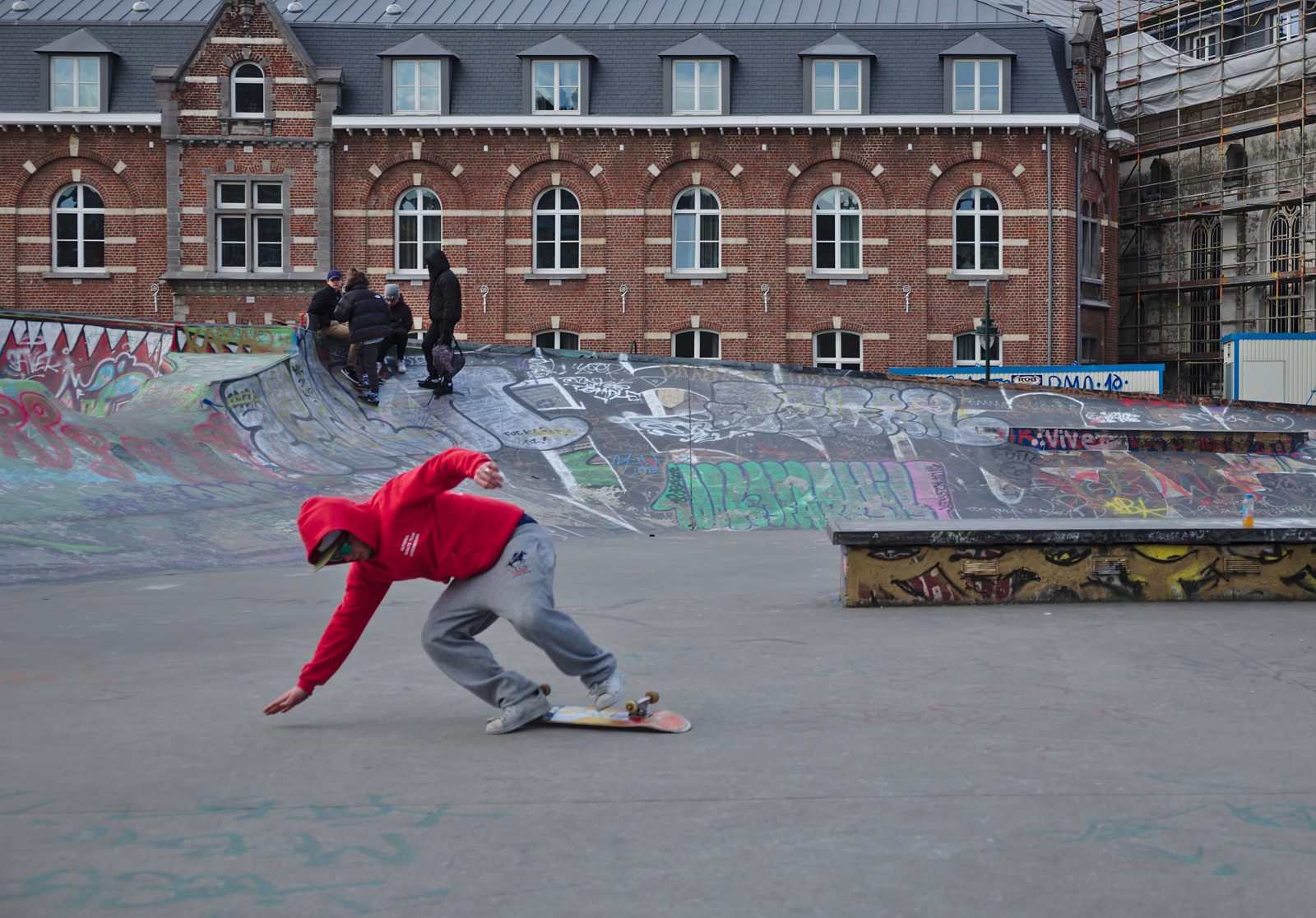
Speed decides the technique. At walking speed, step off and run it out. At higher speed, crouch and roll diagonally across a shoulder and hip.
Watch for traffic, curbs, and other riders.
Falling on a snowboard: snow helps, but edges hurt
Snow is softer than concrete, yet snowboard falls carry their own risks. Hard-packed snow and ice can hit almost as hard as pavement. The board itself adds risk, since a strapped-in rider cannot step out of a fall, and a catching edge can twist a knee or flip the body.
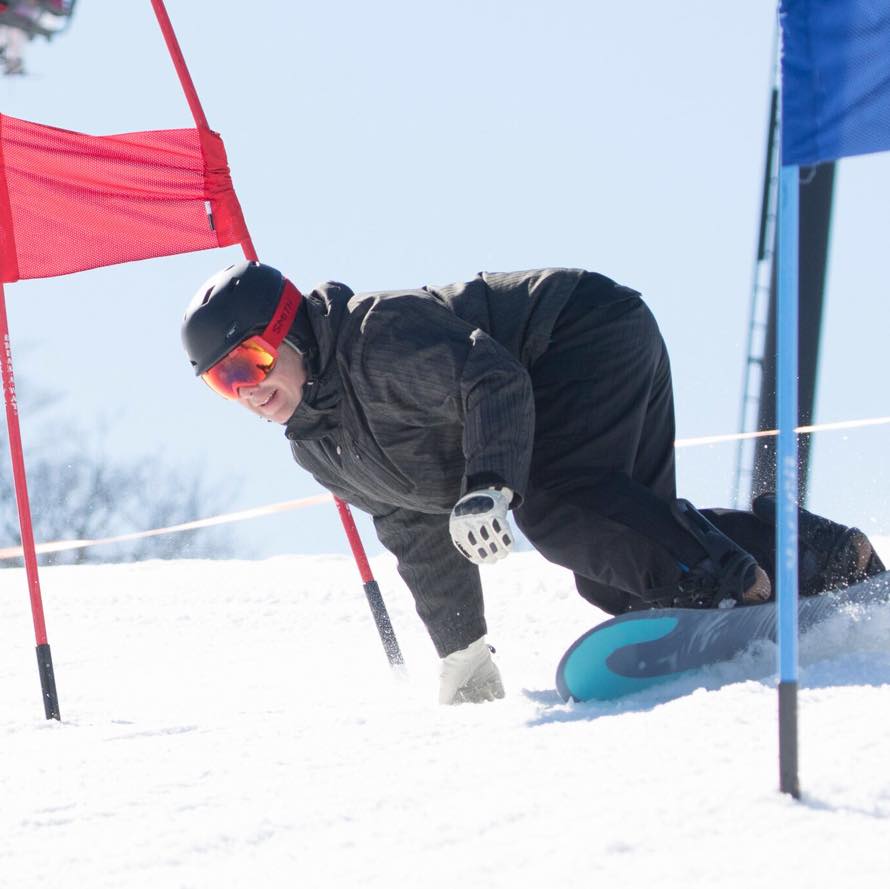
The Special Olympics guide stresses two snowboard-specific habits. First, practice falling without the board until the movement feels comfortable, then repeat it clipped in. Second, for a forward fall, drop onto your forearms with elbows bent, keeping the hands out of the way.
For a rear fall on snow, crouch, rock back gently in practice, and curl into a ball with the head tucked forward. Bend the knees and lift the board slightly so the edge cannot catch while you slide.
Getting up is part of falling on a snowboard. Rise from kneeling by digging the toe edge in and rocking the board flat before standing.
Gear that actually reduces fall injuries
Gear does not make falls safe by itself, but the right kit turns many bad landings into minor ones. A helmet is the single most valuable item for both sports. It protects against skull impacts that no technique can fully prevent, and it matters on snow as much as on concrete.
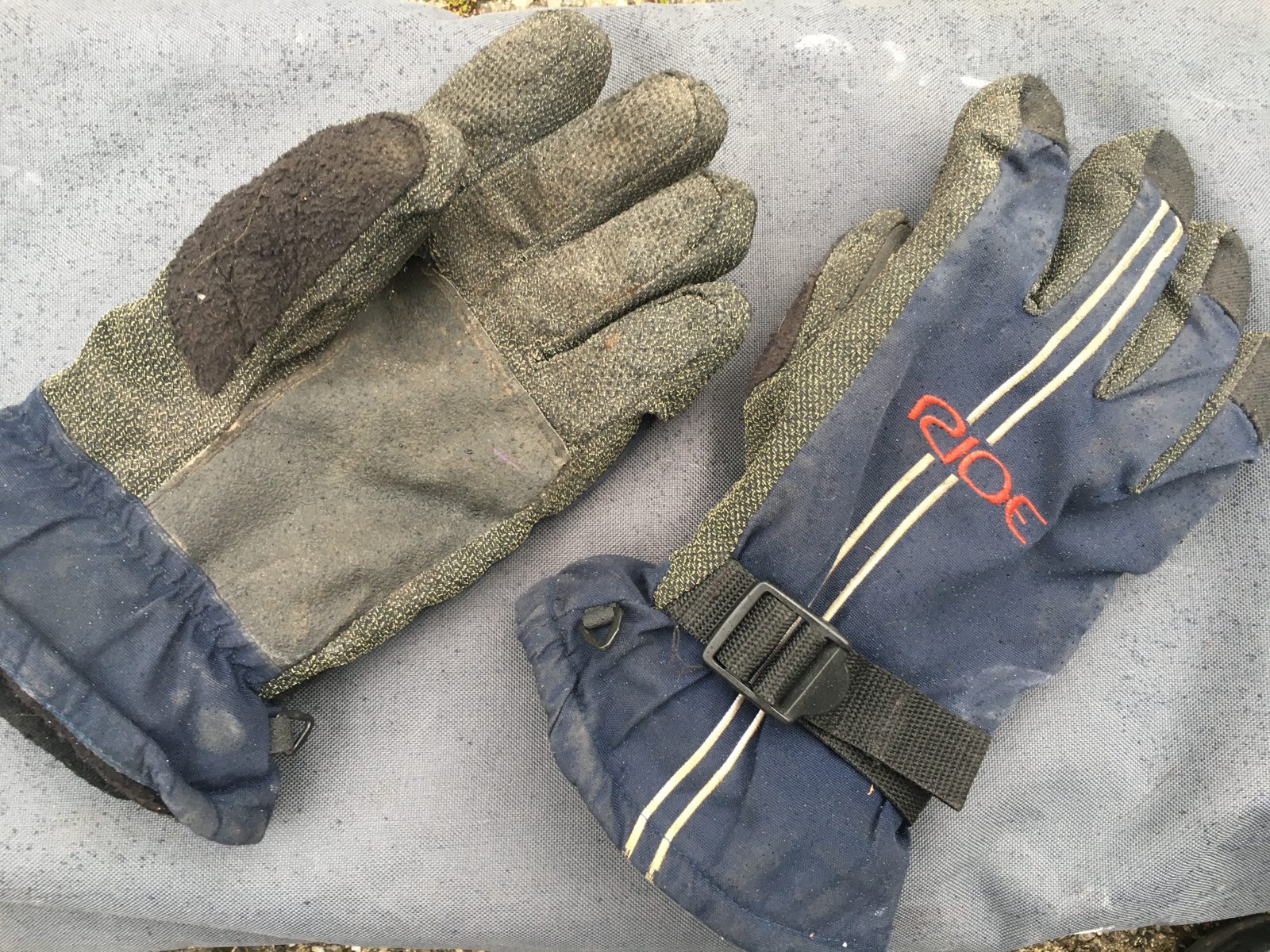
Wrist guards help skateboarders more than any other pad, because they stop the wrist from bending back past its range. They work best paired with the forearm-landing habit, not as a replacement for it.
Knee pads, elbow pads, and padded shorts spread impact across the joints that hit first in a roll. On a snowboard, padded shorts protect the tailbone in backward falls, and knee pads help on icy days.
Clear vision on the hill is part of fall prevention, which is why many riders also learn why goggles fog up and how anti-fog coatings work.
Fit matters as much as owning the gear. A loose helmet shifts on impact, and wrist guards that slide around leave the joint exposed.
How to practice falling without getting hurt
Practice on a soft surface before you need the skill. A gym mat, a grassy field, or soft snow on flat ground all work.
Start from your knees, then from a crouch, then from standing. Only add speed or a board once the low versions feel easy.
Drill the forward roll first. From your knees, place your forearms down, tuck your chin, and roll diagonally across your shoulder to your opposite hip. Repeat until the roll feels smooth.
Drill the backward fall next. From a crouch, rock back, curl into a ball, and land on your buttocks and upper back with your chin tucked. Keep your arms along your sides, not thrown behind you.
Add the board last. On a snowboard, practice clipped in on flat snow, falling forward onto your forearms and backward into the turtle curl. Drills feel easier when your kit fits, whether the kit is a board or a bike sized without a shop fitting.
Common mistakes that cause injuries
The most damaging mistake is the stiff-arm catch. Reaching out with a straight arm puts the wrist, elbow, and shoulder in a direct line with the ground, and the wrist usually loses.
The second mistake is staying stiff. Riders who lock up in fear land flat and take the full shock in one place. Breathing out as you fall can help loosen the body.
The third mistake is skipping the helmet for short or easy sessions. Most falls happen on easy ground, not on the hardest trick, because that is where riders relax.
Frequently asked questions
Should I catch myself with my hands when I fall?
No. Landing on open palms with locked arms is the fastest route to a wrist fracture. Land on your forearms with elbows bent, or roll across your shoulder and hip, and let pads take the scrape.
Is it better to roll or to slide out of a fall?
It depends on the surface. On snow, a slide often ends the fall gently once you are down. On concrete, a diagonal roll spreads the impact better than a long slide on bare skin.
Do wrist guards make falls safe on their own?
They help, but they do not replace technique. Guards limit how far the wrist bends back, yet a straight-arm fall can still injure the elbow or shoulder.
How do I fall safely on a snowboard as a beginner?
Learn on flat, soft snow first. Practice forward falls onto your forearms and backward falls into a tucked ball before riding a slope.
When should I get checked after a fall?
Seek medical care for head impact with confusion, vomiting, or memory loss, for a joint that looks deformed, or for pain that keeps getting worse.
The bottom line
Safe falling is a trained skill, not luck. Drop low, tuck your chin, keep your wrists out of the impact, and roll diagonally across your body.
Practice the moves on soft ground until they feel automatic, and wear a helmet and the pads that fit your sport. This article is for general information, not medical advice.
Tags: skateboarding, snowboarding, fall safety, sports safety
Latest in Sports
- How to Choose a Bike Size Without a Bike Shop Fitting
- What Is the Difference Between a Hardtail and Full Suspension Mountain Bike
- Why Do Goggles Fog Up and How Do Anti-Fog Coatings Work
Subscribe for one practical sports guide in your inbox each week.
Related stories

Why Is Altitude Sickness Worse for Some People?
Altitude sickness hits some people harder because of genetics, ascent speed, and prior history, not fitness level. Here is what raises risk

Why Do You Get Blisters When Hiking and How to Prevent Them
Friction plus moisture plus heat equals a blister. Learn why hiking breeds all three, and the boots, socks, and tape system that keeps

How to choose hiking boots for beginners: fit, features, and break-in
Beginners should buy for fit first: snug everywhere, tight nowhere, with a thumb's width at the toes. Here is how to size, test,