
Hardtail vs Full Suspension Mountain Bike: Key Differences
Key takeaways
- A hardtail has a front fork only and a rigid rear end, while a full suspension bike adds a rear shock and linkage.
- Hardtails are usually lighter, cheaper, and simpler to maintain, while full suspension bikes offer more comfort and traction on rough trails.
- The best choice depends on the trails ridden most, plus budget and how much maintenance the rider wants.
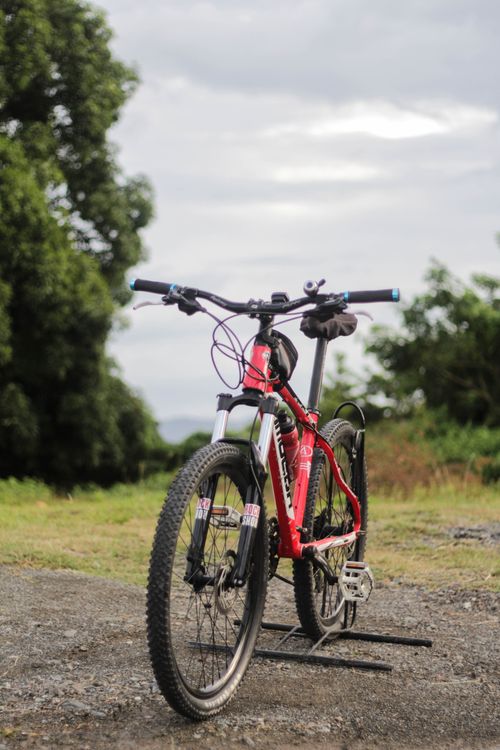
The difference between a hardtail and a full suspension mountain bike is the rear wheel. A hardtail has a suspension fork at the front and a rigid frame at the rear. A full suspension bike has a fork at the front and a shock at the rear, joined by a linkage that lets the rear wheel move over bumps.
This article explains what the difference between a hardtail and a full suspension mountain bike means in practice, including comfort, traction, weight, cost, maintenance, and which rider each type suits.
What each bike is
A hardtail is the simpler design. The front fork absorbs bumps at the front wheel. The rear wheel is fixed to the frame, so every bump at the back reaches the rider through the saddle, pedals, and frame.
The rider legs act as extra suspension.
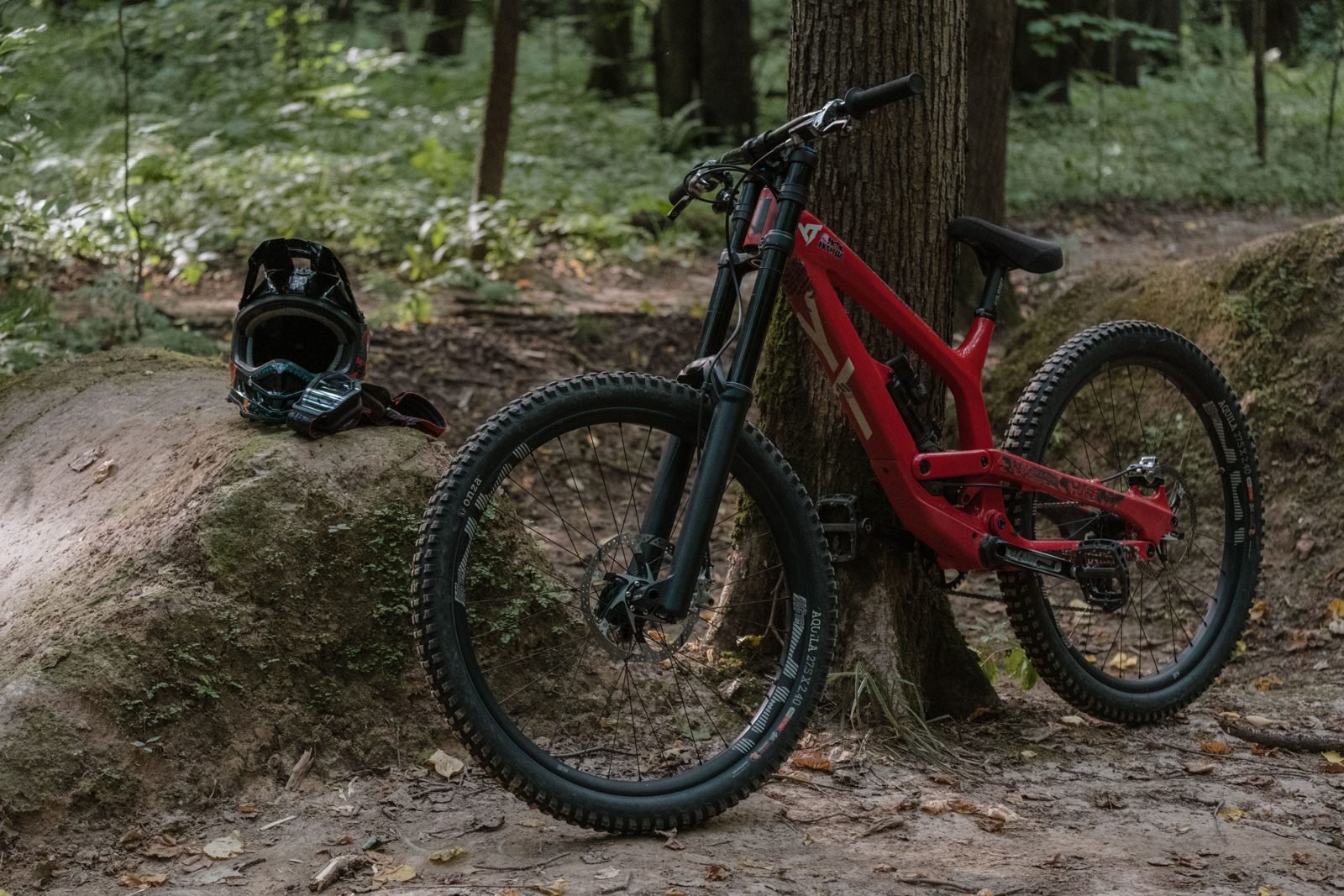
A full suspension bike, often called a dual suspension bike, adds a rear shock and a pivot system. The rear wheel can move up and down to follow the ground. The shock controls that movement with a spring and damping, so the wheel stays in contact with the trail more of the time.
Both types come in many styles, from cross-country racers to downhill bikes. The suspension layout is one choice among many, alongside wheel size, frame material, and parts. It is, however, the choice that most shapes how the bike feels on rough ground.
Comfort and traction
Comfort is the clearest gap between the two types. Scheels notes that full suspension bikes absorb bumps and vibrations for a smoother ride, especially on rough terrain. That smoother ride can cut fatigue and allow longer rides.
Traction is the second gap. Tredz explains that a full suspension bike keeps the rear wheel tracking over the ground better, so the tyre bites into the ground more effectively when it is not bouncing around. On smooth trails, a hardtail has plenty of grip from tyre compliance alone.
On bumpy trails, the full suspension bike holds grip where the hardtail starts to bounce.
The rider feels this most on descents and rough climbs. A full suspension bike lets the rider sit and pedal through rocks and roots with less jarring. A hardtail demands more work from the legs and more care in picking a line.
Riders with joint or back issues often notice the comfort gap most.
Efficiency and climbing
Hardtails win on efficiency. With no rear shock to move, more of each pedal stroke goes to the rear wheel. There is no suspension bob to waste energy.
On smooth climbs and fire roads, a hardtail feels direct and quick.
Full suspension bikes have improved a lot. Many modern trail bikes have lockouts, platform damping, or anti-squat tuning that reduce unwanted bob. They still carry extra weight and complexity, so they rarely match a hardtail for pure pedalling efficiency on smooth ground.
Weight adds to the gap. BikeToWorkDay reports that full suspension bikes run about 3.3 lb heavier than comparable hardtails, because of the rear shock and linkage. That weight shows on long climbs, where every extra pound matters.
It also shows in acceleration, where a lighter bike responds faster.
Cost and value
Full suspension bikes cost more at the same parts level. The rear shock, linkage, bearings, and more complex frame add cost. Hardtails avoid those parts, so the same budget buys better wheels, gears, or brakes on a hardtail.
BikeToWorkDay puts the gap at around a grand less for a hardtail than a comparable full suspension model. Prices vary by brand and year, but the direction holds across the market. A buyer with a fixed budget gets more component quality on a hardtail.
Suspension that cannot be tuned well adds weight without adding much control.
Maintenance and durability
Hardtails are simpler to keep running. There is one suspension unit to service, no rear pivot bearings to wear, and no rear shock seals to replace. Cleaning and basic checks cover most of the work.
Full suspension bikes need more upkeep. Scheels notes that full suspension bikes need more upkeep for their dual suspension systems to keep performance and life. Pivot bearings wear, shock seals wear, and linkages need checking.
Service intervals for suspension are often at least once a year for regular riders.
Durability also differs. A hardtail frame has fewer moving parts, so fewer things can loosen or wear. A full suspension frame has more parts that can develop play over time.
None of this makes full suspension bikes fragile, but it does make them more demanding owners.
Skills and learning
Hardtails teach line choice. Because the rear wheel cannot absorb mistakes, the rider learns to pick smooth lines, lift the front wheel over obstacles, and use the legs as suspension. Tredz notes that riding a hardtail encourages careful line choice and active riding, with the legs absorbing bumps.
Full suspension bikes forgive more. They let a rider plough through rough sections that would punish a hardtail rider. That forgiveness builds confidence fast, which helps new riders enjoy rough trails sooner.
It can also hide bad habits, since the bike smooths over poor line choice.
Side-by-side comparison
| Factor | Hardtail | Full suspension |
| --- | --- | --- |
| Suspension | Front fork only | Front fork plus rear shock |
| Comfort on rough trails | Lower, rider absorbs bumps | Higher, shock absorbs bumps |
| Traction on rough trails | Good on smooth ground, less on rough ground | Better, rear wheel tracks the ground |
| Pedalling efficiency | Higher, no rear bob | Lower, some bob despite anti-squat tuning |
| Weight | Lighter, about 3.3 lb less in one comparison | Heavier, shock plus linkage |
| Purchase cost | Lower for equal parts | Higher, around a grand more in one comparison |
| Maintenance | Simpler, one suspension unit | More, pivots, bearings, rear shock |
| Best for | Smooth trails, climbs, skill building | Rough trails, descents, comfort |
The table gives a general picture. Real bikes vary. A high-end hardtail can cost more than a budget full suspension bike, and a modern full suspension bike can climb well.
The table is a guide to the trade-offs, not a rule for every model.
Which bike for which trails
The trails ridden most should decide the bike. Intense Cycles quotes an Australian frame designer with a plain rule: buy the bike that matches the trails ridden 70 percent of the time, since that is the bike that gets used most. That rule cuts through brand and fashion.
Smooth singletrack, gravel paths, and fire roads suit a hardtail. The bike is fast, light, and fun on that ground. It also doubles well for commuting and light touring, where a full suspension bike would feel heavy and slow.
Rocky descents, rooty forests, bike parks, and enduro trails suit full suspension. The rear shock keeps the wheels planted and the rider fresher. On that ground, the extra weight pays for itself in speed and control.
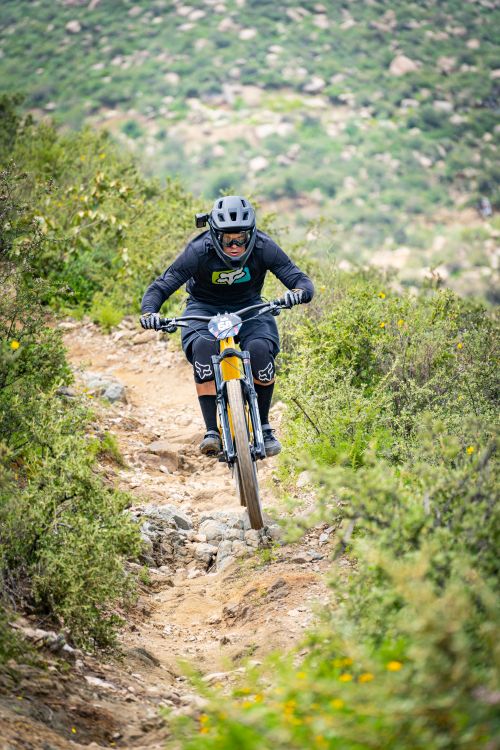
Mixed riding is the hard case. A rider who splits time between smooth and rough trails should weigh which ground matters more. A hardtail with wide tyres and a good fork can handle moderate rough trails.
A short-travel full suspension bike can climb well enough for mixed rides. Either can work, so budget and comfort become the deciding factors.
Who should buy a hardtail
A hardtail suits beginners who want to learn skills on a simple bike. It suits riders on a tight budget who want the best parts for the money. It suits cross-country riders who value climbing and speed on smoother trails.
It also suits riders who do their own maintenance. Fewer parts mean fewer jobs and fewer special tools. A rider who wants to learn bike mechanics will find a hardtail easier to service.
Commuters and tourers who ride some trails also fit the hardtail case. The bike is lighter on the road, simpler to carry, and easier to fit with racks and guards. Full suspension frames often leave less room for those extras.
Who should buy full suspension
Full suspension suits riders who ride rough trails most of the time. It suits downhill and enduro riders, where rear suspension is close to essential. It suits racers on technical courses, where traction and control decide results.
It also suits riders who want comfort. Older riders, riders with back or joint pain, and riders who want longer days in the saddle often gain more from a rear shock than from lighter weight. Comfort is not a luxury on a five-hour ride.
New riders who start on rough trails can also gain from full suspension. The confidence it gives helps them ride more and enjoy it sooner. The skills gap can be closed later with practice, and the fun comes first.
FAQ
Can a hardtail handle rough trails?
Yes, within limits. A skilled rider can ride rough trails on a hardtail, but it takes more effort and care. Sustained rock gardens, big drops, and bike park jumps favour full suspension.
Is full suspension always faster downhill?
On rough descents, usually yes, because the rear wheel stays planted and the rider stays fresher. On smooth descents, a hardtail can be just as fast, and its lighter weight helps.
How much more maintenance does full suspension need?
It needs regular pivot and shock checks plus suspension service, often at least once a year for regular riders. A hardtail needs fork service only, plus the same basic drivetrain and brake checks.
Should a beginner start on a hardtail?
Many experienced riders say yes, because a hardtail teaches line choice and bike handling. A beginner who will ride rough trails from day one can still start on full suspension and learn skills with more comfort.
The bottom line
A hardtail gives efficiency, simplicity, and value. A full suspension bike gives comfort, traction, and control on rough ground. Neither is best in general.
The right pick is the bike that fits the trails ridden most, the budget at hand, and the amount of maintenance the rider will actually do.
Tags: mountain biking, hardtail, full suspension, buying guide
Latest in Sports
- How to Choose a Bike Size Without a Bike Shop Fitting
- Why Do Bike Gears Click and Skip Under Load
- How to Fall Safely When Skateboarding or Snowboarding
- Why Do Goggles Fog Up and How Do Anti Fog Coatings Work
Subscribe for one clear explainer like this in your inbox each week.
Related stories

Why Is Altitude Sickness Worse for Some People?
Altitude sickness hits some people harder because of genetics, ascent speed, and prior history, not fitness level. Here is what raises risk

Why Do You Get Blisters When Hiking and How to Prevent Them
Friction plus moisture plus heat equals a blister. Learn why hiking breeds all three, and the boots, socks, and tape system that keeps

How to choose hiking boots for beginners: fit, features, and break-in
Beginners should buy for fit first: snug everywhere, tight nowhere, with a thumb's width at the toes. Here is how to size, test,