
Why Do Goggles Fog Up and How Do Anti-Fog Coatings Work
Key takeaways
- Fog is condensation: warm, moist air inside the goggle meets a colder lens and forms tiny droplets.
- Hydrophilic coatings spread that moisture into a flat, clear film instead of droplets.
- The coating is microns thin and wears off, so rinsing and never wiping the inside lens extends its life.
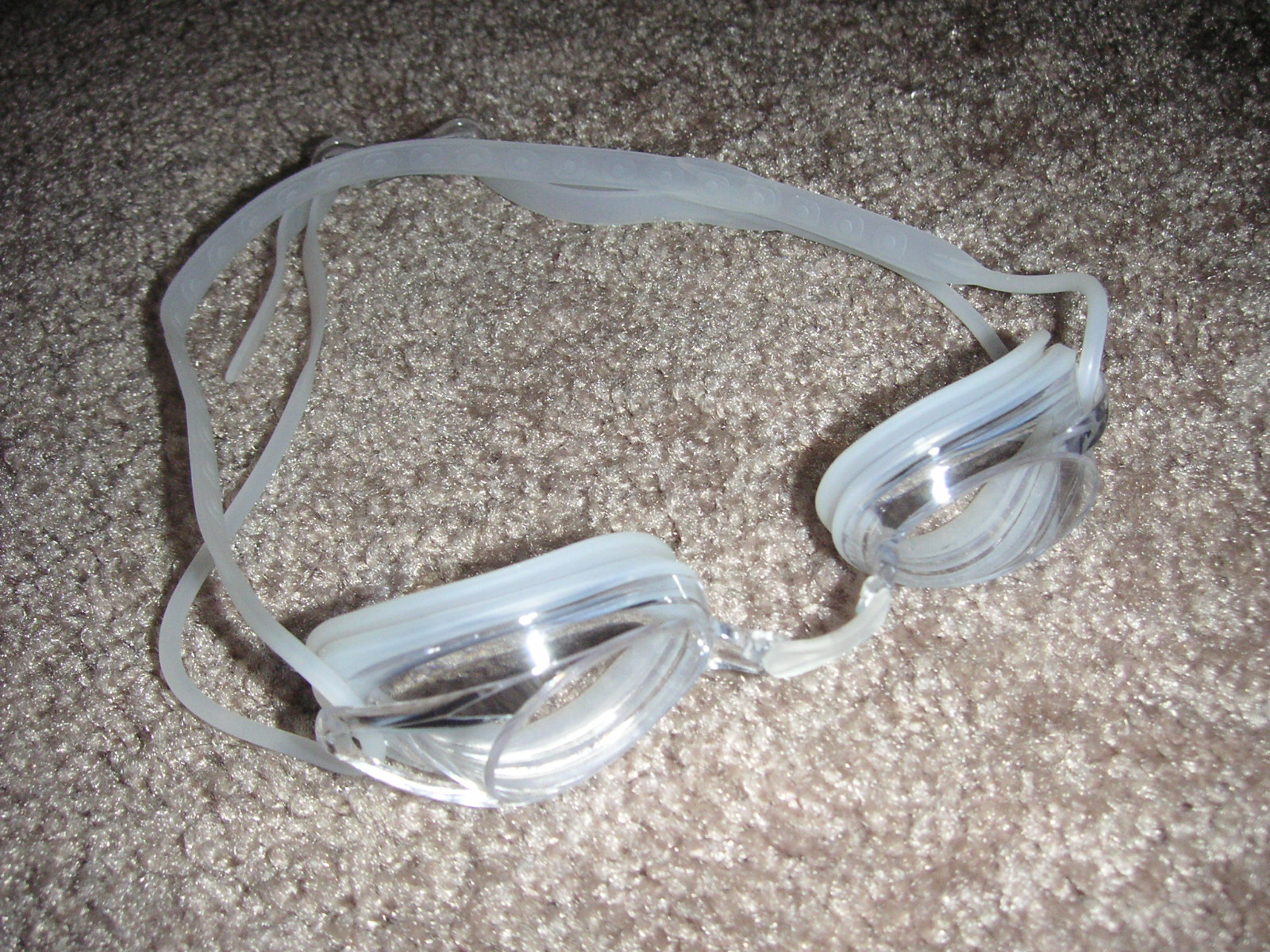
Fogged goggles turn a swim or a ski run into guesswork. One minute the view is sharp, and the next a milky haze covers the lens.
Why do goggles fog up and how do anti-fog coatings work? The answer starts with condensation, the same process that fogs a car window on a cold morning, and ends with a water-attracting coating that stops droplets from forming at all.
This article explains what fog is, how hydrophilic coatings defeat it, why the coating wears away, and how to make it last. It also covers sprays, home fixes, and the point where replacement beats repair.
What fog actually is
Fog inside a goggle is condensation, not dirt. The air sealed inside the goggle picks up heat and moisture from the skin around your eyes.
The outer face of the lens sits in cooler water or colder air. When that warm, moist air touches the cold inner lens surface, the water vapor condenses into thousands of tiny droplets.
Those droplets are the problem. Each one bends and scatters light in a different direction, so the lens turns milky even though no single drop is easy to see. Aqualine describes the same effect with car windows: warm breath or body heat meets cold glass, and the result is haze.
Hard effort makes fog worse. Heavier breathing and a hotter face widen the temperature gap between the inside and outside of the lens.
How hydrophilic coatings work
Most modern goggles carry a hydrophilic coating on the inside of the lens. Hydrophilic means water attracting. The coating is applied during manufacturing, and it changes how moisture behaves on the lens surface.
Instead of letting vapor bead into droplets, the coating pulls the water into a thin, even sheet across the lens. Light passes through a flat film of water almost unchanged, so vision stays clear. Aqualine explains that the coating lowers the surface tension of the lens, which stops water from sticking in droplet form.
Think of it as the difference between rain on a waxed car and rain on clean glass. On wax, water beads into round drops. On the coated lens, water sheets out flat.
Some goggles add a second trick: a dual-pane or double-glazed lens. Two layers with a small air gap between them reduce the temperature difference across the inner surface, so less condensation forms in the first place. Ski goggles use this design widely, while swim goggles rely mostly on the coating.
Hydrophilic versus hydrophobic
Not every coating fights fog the same way. Hydrophobic coatings repel water, while hydrophilic coatings attract it. For fog control, the water-attracting type wins.
A hydrophobic surface makes condensation bead up, which is the exact droplet pattern that scatters light and looks like fog. That is why rain-repellent treatments for car windshields do not belong on goggle lenses. They solve a different problem, shedding liquid water that is already flowing, rather than stopping condensation haze.
Hydrophilic coatings do the opposite. They invite the moisture to spread.
Futurity, reporting on research from ETH Zurich, describes the same principle behind standard anti-fog sprays: hydrophilic agents make condensation form an even thin film rather than separate droplets. The physics is simple, and it works on swim goggles, ski goggles, glasses, and camera lenses alike.
Why factory coatings wear out
No factory coating lasts forever. Swimmers World describes the layer as microns thick, sitting on the surface where it can be rubbed off.
Daily swimmers see it fade within weeks, while a couple of swims a week stretches it to a few months. Skiers get longer life in dry use, but face wipes and snow crystals still wear the layer down.
Touching the inside of the lens is the biggest killer. A towel, a thumb, or a shirt corner scrubs the coating off. Finger oils add to the damage.
Chlorine, sunscreen, salt, and sand speed the decline too. Letting goggles dry with pool water still on the lens leaves deposits that scratch the coating the next time anything touches it.
Heat also degrades the layer. Goggles left on a hot car dashboard or a sunny windowsill age faster, and the frame can warp as well.
Once the coating is gone, no amount of careful handling brings it back. The lens itself is fine, but the anti-fog layer is spent.
How to make the coating last
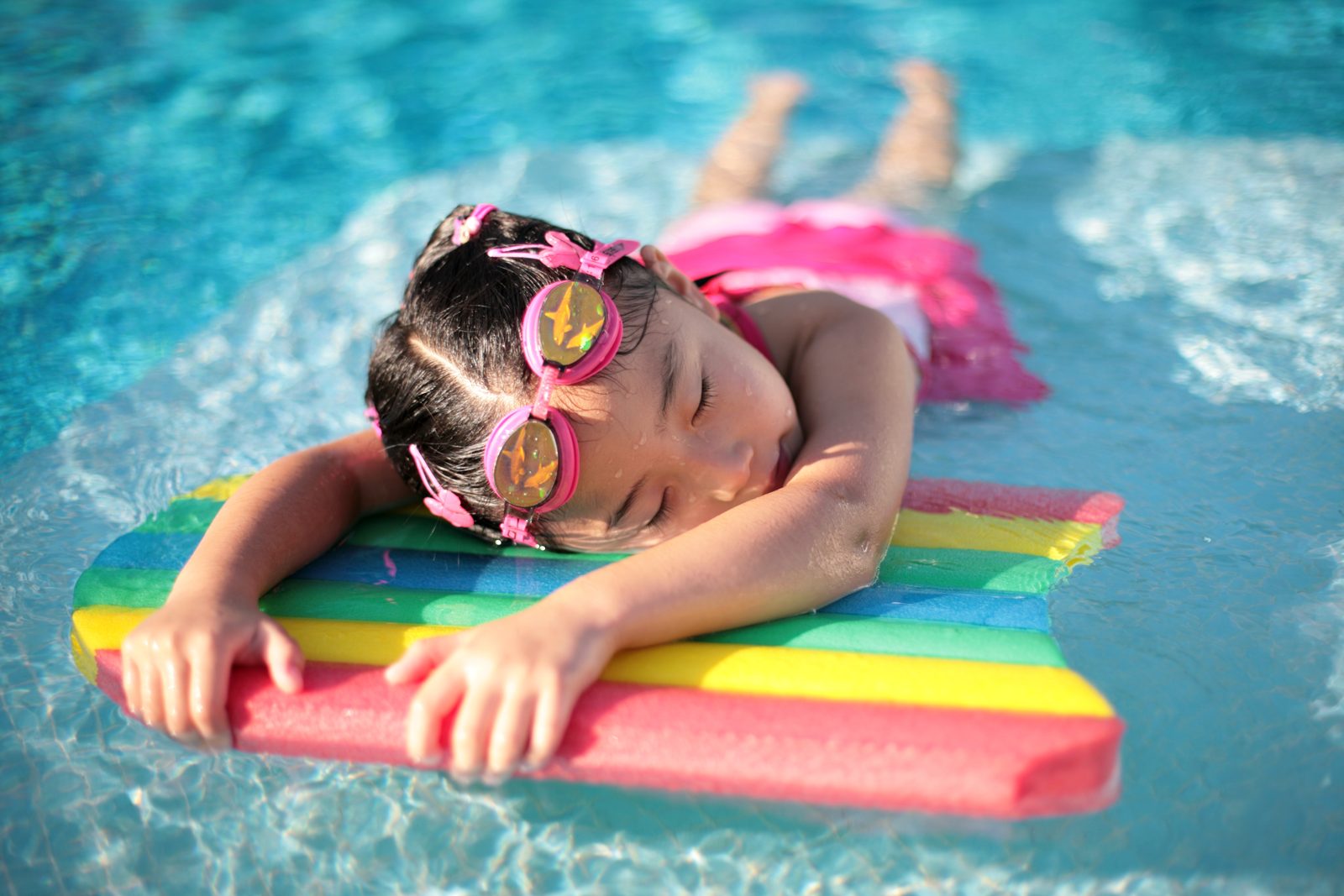
Four habits stretch a coating from weeks into months. First, rinse in fresh, cool water after every swim or ski session.
This washes away chlorine, salt, and grit before they can attack the layer. Use no soap or detergent on the inside lens.
Second, never touch the inside of the lens. If the goggles fog mid-swim, a quick dip in the water often clears them. Resist the urge to wipe.
Third, air dry fully in a cool, ventilated spot. Do not use a towel on the lenses, and do not stash wet goggles in a sealed bag.
Fourth, store them in a hard case or pouch with the lenses facing outward, so nothing presses against the inner surface. Keep them away from direct sun and extreme heat.
Swimmers World adds a useful tip for new goggles: if a fresh pair fogs at once, a tiny smear of non-gel toothpaste, rubbed gently and rinsed off, can remove the factory protective film that sits over the real coating. Do this once, never again.
Sprays, swipes, and home fixes
When the factory coating fades, sprays can help. Anti-fog sprays made for goggles reapply a similar hydrophilic layer to the inside lens. Apply to dry lenses, wait about a minute, rinse lightly, and wear them.
Reapply every session, since a spray is a top-up rather than a repair. Never use car or ski products meant for windscreens on swim goggles, since solvents can strip or cloud the lens.
Some brands build in a refresh trick. Arena sells a Swipe system where rubbing the outer lens spreads the internal treatment again without touching the inside. Other makers offer similar reactivation ideas, but the principle is the same: move the coating back into place instead of scrubbing it.
Home fixes use the same wetting idea. A drop of no-tears baby shampoo, diluted in water, spread inside the lens and rinsed, works as a temporary surfactant. Saliva is the old swimmer trick, since it holds surfactants that flatten droplets for a short while.
A quick pre-swim routine helps even with a healthy coating. Rinse both lenses in cool water, shake off the excess, and put the goggles on while the inside is still damp. That thin film of water gives condensation nowhere to bead up.
When to replace the goggles
Replace the pair once a cool-water rinse and a correctly applied spray both fail to keep the lenses clear. Cracked or hardened gaskets, a stretched strap, and scratches inside the lens are other signals. Most regular swimmers get three to six months from a training pair, according to Swimmers World.
Fit matters at replacement time. Press the goggles onto the eye sockets without the strap. They should stick for a second or two on their own.
Lens tint is a separate choice. Clear suits dim indoor pools, smoke or grey suits mixed light, and mirrored or polarized lenses suit bright outdoor water. Polarized lenses also cut glare, which is why riders who compare sunglasses for snow versus water glare meet the same trade-offs on land.
What the lab is working on next
Researchers want a coating that does not wear off at all. A team at ETH Zurich built a transparent coating a few nanometers thick from gold nanoparticles set in titanium oxide. The coating absorbs the infrared part of sunlight plus a small part of visible light, then turns that light into heat.
The heating is small, about 3 to 4 degrees Celsius, but it is enough to stop fog from forming. In tests, fogged surfaces with the coating cleared four times faster than surfaces treated with a normal anti-fog agent when exposed to sunlight. Lead author Christopher Walker noted that spray treatments lose their effect because the film dries up or spreads unevenly, while a durable coating could last far longer.
The catch is sunlight. The coating needs light to heat up, so it suits glasses and goggles worn outdoors more than indoor pool goggles.
Frequently asked questions
Do anti-fog goggles really work?
Yes, while the hydrophilic coating stays intact. The coating spreads condensation into a flat, clear film so light passes through cleanly. Expect weeks of clarity with daily swimming and months with occasional use.
Why do my goggles fog even with an anti-fog coating?
The usual cause is coating wear from wiping, finger oils, chlorine, or heat. Rinse in cool water, air dry, and store in a case. If a rinse and a spray both fail, the coating is gone.
Can I use anti-fog spray on any goggles?
Use only sprays made for goggles. Car or ski products can contain solvents that strip the coating. Apply to dry lenses, wait a minute, rinse lightly, and reapply each session.
Does wiping the inside lens really ruin the coating?
Yes. One wipe with a towel or thumb can scrub off a large patch of a microns-thin layer. Rinse and air dry instead, and dip the goggles in water to clear mid-session fog.
Are dual-pane lenses better than coated lenses?
They solve different halves of the problem. A coating flattens condensation that forms, while a dual pane reduces the temperature gap that causes it. Many ski goggles combine both.
The bottom line
Fog is condensation, and anti-fog coatings beat it by spreading moisture into an invisible film instead of droplets. The coating is thin and wears out, so the best care is simple: rinse after use, never wipe the inside, air dry, and store in a case. When sprays stop helping, replace the pair.
Clear vision is worth the small routine, whether the goggles are for laps, slopes, or open water. Fogged lenses also cause stumbles and falls, so clear goggles support the same safe-landing habits as falling safely on a skateboard or snowboard.
Tags: goggles, swimming, skiing, sports gear
Latest in Sports
- How to Fall Safely When Skateboarding or Snowboarding
- How to Choose Sunglasses for Snow vs Water Glare
- How to Choose a Bike Size Without a Bike Shop Fitting
Subscribe for one practical sports guide in your inbox each week.
Related stories

Why Is Altitude Sickness Worse for Some People?
Altitude sickness hits some people harder because of genetics, ascent speed, and prior history, not fitness level. Here is what raises risk

Why Do You Get Blisters When Hiking and How to Prevent Them
Friction plus moisture plus heat equals a blister. Learn why hiking breeds all three, and the boots, socks, and tape system that keeps

How to choose hiking boots for beginners: fit, features, and break-in
Beginners should buy for fit first: snug everywhere, tight nowhere, with a thumb's width at the toes. Here is how to size, test,