
How to Choose Sunglasses for Snow vs Water Glare
Key takeaways
- Confirm UV400 or 100 percent UVA/UVB protection first, since polarization alone does not block UV.
- Polarized lenses cut reflected glare on both snow and water, but snow also needs contrast for flat light.
- Snow favors wraparound coverage and lighter tints for changing light; water favors darker, polarized lenses.
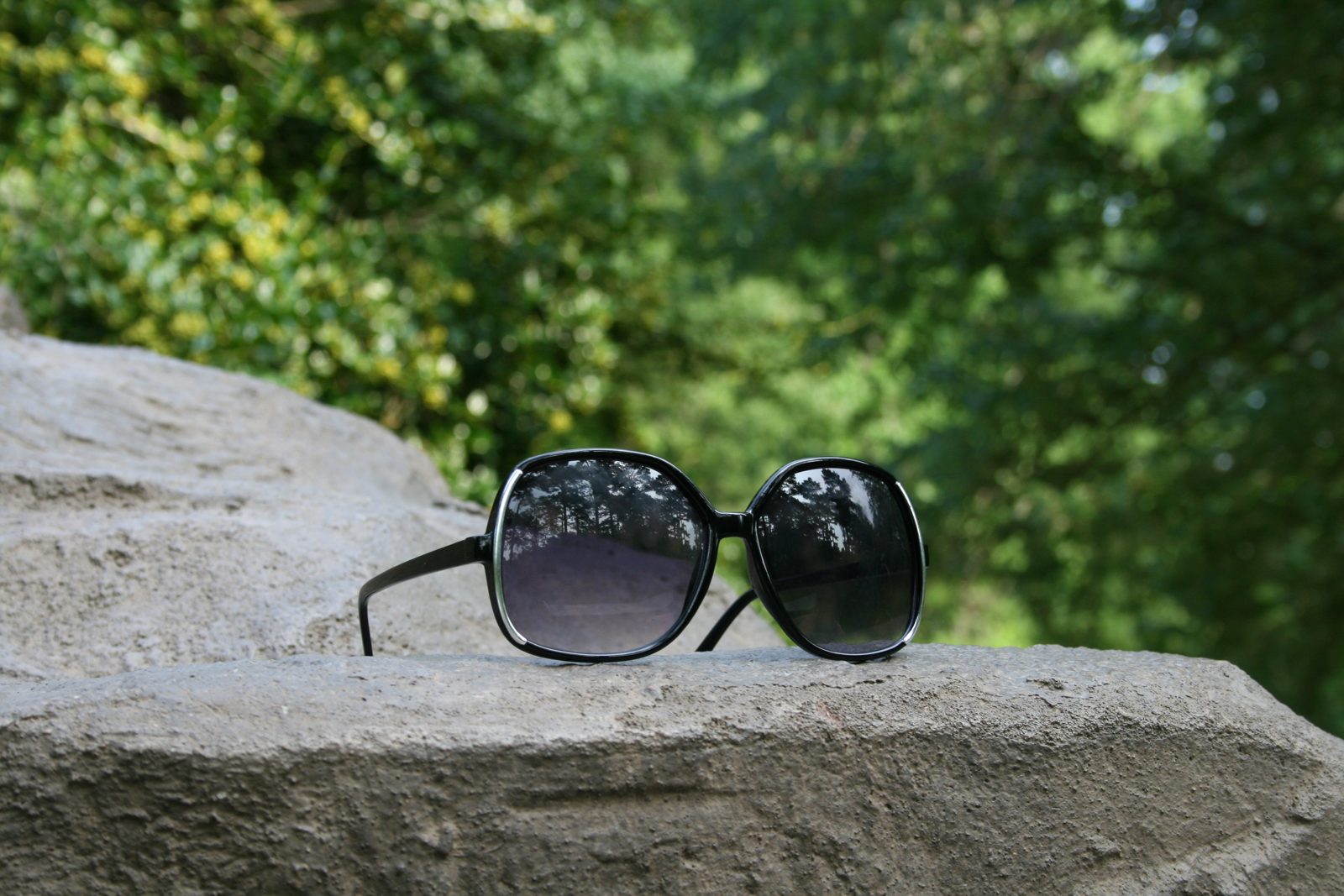
Snow and water both throw light back at your eyes, but they do it in different ways. How to choose sunglasses for snow vs water glare comes down to three choices: UV protection, polarization, and tint.
Snow demands contrast in flat, shifting light, while water demands glare cutting on a bright, level surface. One pair can serve both, but only if you pick the features with both settings in mind.
This article explains what UV400 and polarization each do, how snow glare differs from water glare, and which lens, tint, and frame to pick for each setting.
Start with UV protection, not darkness
Every pair starts with the same rule: confirm UV400 or 100 percent UVA/UVB protection before anything else. UV400 means the lens is designed to block ultraviolet light with wavelengths up to 400 nanometres, covering UVA and UVB. The wording 100 percent UVA/UVB protection means the same thing in practice.
Darkness proves nothing. A pale lens can carry full UV protection, while a very dark lens may carry little.
Dark lenses without UV protection are a poor trade, since reduced visible light lets the pupils open wider while UV keeps coming through. Health Canada makes the same point: UV protection cannot be judged from price, colour, or darkness.
Polarization is a separate feature. The American Academy of Ophthalmology states that polarization reduces glare but does not replace UV protection. Many good sunglasses combine both, which explains much of the confusion, yet both claims still need to appear in the specification.
If the page says only polarized, ask about UV. If it says only UV400, do not expect polarized performance.
For a baseline, look for a recognised standard. ISO 12312-1:2022 covers sunglasses for general use. Buy from a credible brand or optician, and treat a tiny UV sticker as a weak promise.
What polarization actually does
Polarized lenses hold a filter that blocks much of the intense glare reflected from flat surfaces such as roads, lakes, and snowfields. Advnture describes the mechanism plainly: a polarizing film blocks horizontal rays of light while letting vertical rays through. That horizontal light is the blinding sheet you see bouncing off water or snow.
The payoff is better contrast and less squinting in bright reflected light. The improvement can feel dramatic beside water or on a sunny ski slope, yet ordinary on a shaded street.
Polarization does not simply darken the lens. It targets a specific glare pattern, so a polarized lens can look only mildly tinted while cutting glare hard.
Polarization has one real drawback: screens. Some phones, dashboards, and other LCD displays can look unusually dark through polarized lenses at certain angles.
Snow glare: bright, shifting, and low contrast
Snow glare is brutal because snow reflects light in every direction at once. The whole scene turns bright, including the ground at your feet, so the eyes get light from above and below. On a clear day, the result is squinting, eye strain, and a washed-out view where bumps and dips vanish.
Flat light is the special snow problem. Under cloud, the snow surface loses shadows, and every mogul and hollow looks the same pale grey.
A lens that only darkens the scene makes flat light worse. What helps is contrast: a tint that separates shapes in a white world.
That is why snow picks differ from beach picks. Polarization helps with the raw glare, yet many skiers and snowboarders prefer lenses tuned for changing light and contrast in flat conditions. For long days on the mountain, dedicated snow goggles with contrast lenses often beat sunglasses, since they seal out wind and side light as well.
Coverage matters on snow. Wraparound frames block light that sneaks in from the sides and below, which matters when the ground itself reflects.
A close fit also stops wind from drying the eyes. Add a retainer strap if the pair will come off for chairlifts or photos, since dropped sunglasses on a slope are gone.
Water glare: flat, horizontal, and constant
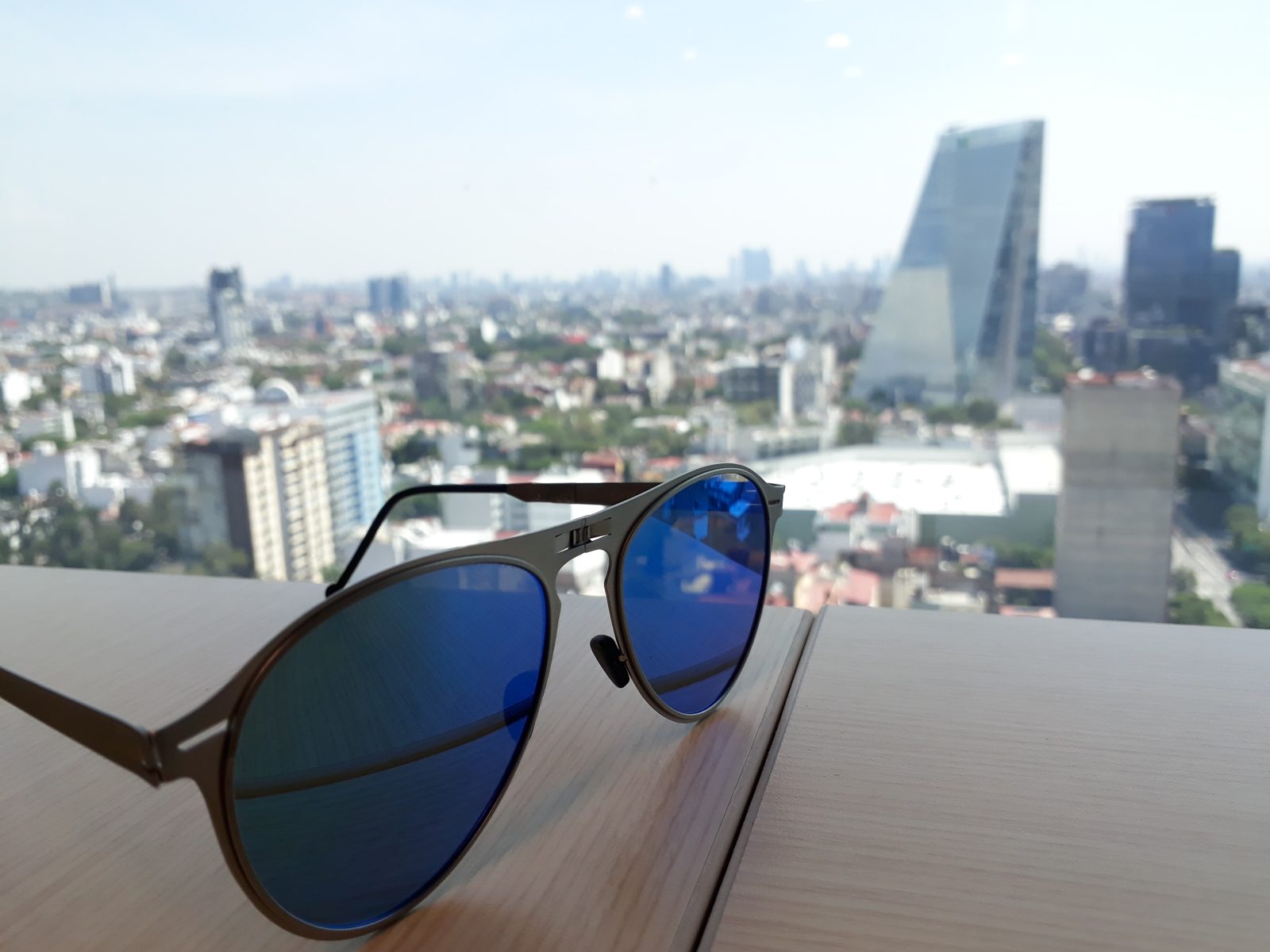
Water glare is simpler and more constant. A lake, river, or sea surface acts like a broad mirror, sending a sheet of horizontal light straight at the eyes. The glare stays strong all day on open water, and it grows when the sun sits low.
Polarization is the obvious winner here. The filter targets exactly that horizontal sheet, so it cuts surface reflections and lets you see more detail: ripples, edges, rocks, and sometimes what sits under the surface.
For boating, that means less eye strain and better awareness. For fishing, it can mean spotting movement you would otherwise miss.
Tint choice for water leans darker. Grey keeps colours true, which suits general boating. Brown or copper boosts contrast and depth perception, which many anglers prefer for reading the water.
Green sits between the two. Mirrored coatings cut visible brightness further and suit harsh midday sun, but the mirror itself adds no UV protection, so the UV400 claim still has to stand on its own.
Fit on the water means staying put. A strap or retainer is cheap insurance against losing a pair overboard. Rinse the pair in fresh water after salt or chlorine exposure, since salt crystals and chemicals wear coatings over time.
Picking the lens: a side-by-side guide
Use this table to match the lens to the setting.
| Feature | Snow | Water |
| --- | --- | --- |
| First check | UV400 or 100 percent UVA/UVB | UV400 or 100 percent UVA/UVB |
| Polarization | Yes, with contrast tint | Yes, strongly recommended |
| Tint | Grey or rose for contrast in flat light | Grey, brown, or copper, often darker |
| Darkness | Category 2 to 3, since light changes fast | Category 3 for bright midday sun |
| Frame | Wraparound, close fit, side coverage | Secure fit, retainer strap |
| Extra | Goggles for long mountain days | Mirrored coating for harsh sun |
Category numbers describe visible-light darkness, not UV protection. Category 2 is a medium tint, Category 3 is dark, and Category 4 is very dark and is not meant for driving. Check the category on the spec sheet, and do not confuse it with the UV claim.
If you buy one pair for both, pick UV400 plus polarization, a grey or brown Category 3 lens, and a wraparound frame. That combo handles bright water well and stays usable on snow.
Tint colours and what they do
Tint colour changes comfort and contrast, not UV protection. Grey keeps colours natural and suits most settings. It is the safe default for people who want one pair for everything.
Brown and copper boost contrast and depth perception. They warm the view and help the eyes pick out shapes on water and on snow.
Many anglers and skiers prefer them for that reason. Rose and amber do similar work in lower light, which helps on cloudy snow days and at dawn on the water.
Green balances the two: it keeps colours fairly true while adding mild contrast. Yellow lenses brighten dim scenes and suit very flat light, but they are too light for bright midday sun on their own.

Frame, fit, and care
Fit decides whether good lenses actually protect. The pair should sit close without pressing, cover the eyes fully, and stay put when you look down. Wraparound frames add side coverage, which matters most on snow and water, where reflected light comes from below and the sides.
Check the nose pads and temples. They should grip lightly without sliding when the face gets wet or sweaty.
For sport, a retainer strap keeps the pair on during falls and stops losses overboard or down a slope. Children need the same fit check on a smaller scale, with straps that hold without pulling.
Care is simple. Clean lenses with a microfiber cloth and mild lens cleaner or warm water. Avoid alcohol, ammonia, or abrasive cloths, which can dull coatings.
Rinse frames with clean water after salt or chlorine exposure. Never leave sunglasses on a hot car dashboard, since heat can warp frames and degrade coatings. Store them in a hard case, not loose in a bag with keys.
Test a pair you already own. Check the product page or packaging for UV400 or 100 percent UVA/UVB wording. If the pair is old, unbranded, or vague, an optician can test the lenses with a photometer.
Frequently asked questions
Do I need polarized sunglasses for snow?
Polarization helps with snow glare, but it is not the whole answer. On snow, contrast in flat light matters as much as glare cutting, so pair polarization with a contrast tint, and consider goggles for long mountain days.
Are polarized sunglasses better for fishing?
Yes, in most cases. Polarization cuts the horizontal sheet of glare off the water surface, which helps you see ripples, edges, and movement below the surface. Add full UV protection and a secure fit.
Can one pair work for both snow and water?
Yes. Pick UV400 plus polarization, a grey or brown Category 3 lens, and a wraparound frame. That setup handles bright water and stays usable on snow, though dedicated goggles still win on flat-light mountain days.
Why do my sunglasses make my phone screen look dark?
Some displays emit polarized light. At certain angles, the sunglass filter blocks more of that light and makes the screen look dark or uneven. Non-polarized lenses avoid the effect, so test your screens before buying.
Do expensive sunglasses protect better?
Not automatically. Price reflects materials, construction, and branding as much as optics. A modest pair with credible UV400 and polarization claims can beat a costly fashion frame that lists neither.
The bottom line
Snow and water both demand UV400 first and polarization second, but the details split. Snow needs contrast for flat light and wraparound coverage against light from every direction. Water needs strong polarization against a flat, horizontal mirror and a secure fit that survives the boat.
Pick the lens for the setting you use most, check the spec sheet instead of the tint, and keep the pair clean and cased. Sunglasses are one layer of a sun plan, alongside UPF fabric and a hat, which is why riders who sort their eyewear often also learn what UPF in clothing means and how it differs from SPF.
Tags: sunglasses, snow, water sports, eye protection
Latest in Sports
- Why Do Goggles Fog Up and How Do Anti-Fog Coatings Work
- What Is UPF in Clothing and How Is It Different From SPF
- How to Fall Safely When Skateboarding or Snowboarding
Subscribe for one practical sports guide in your inbox each week.
Related stories

Why Is Altitude Sickness Worse for Some People?
Altitude sickness hits some people harder because of genetics, ascent speed, and prior history, not fitness level. Here is what raises risk

Why Do You Get Blisters When Hiking and How to Prevent Them
Friction plus moisture plus heat equals a blister. Learn why hiking breeds all three, and the boots, socks, and tape system that keeps

How to choose hiking boots for beginners: fit, features, and break-in
Beginners should buy for fit first: snug everywhere, tight nowhere, with a thumb's width at the toes. Here is how to size, test,