
What Is UPF in Clothing and How Is It Different From SPF
Key takeaways
- UPF rates fabric: UPF 50 blocks 98 percent of UV rays and lets 2 percent through.
- SPF rates sunscreen: it tracks how much longer skin resists reddening, and it needs reapplying.
- UPF covers UVA and UVB, while SPF mainly measures UVB protection.

Shoppers meet two sun ratings that look alike but measure different things. What is UPF in clothing and how is it different from SPF? UPF stands for Ultraviolet Protection Factor, and it rates fabric.
SPF stands for Sun Protection Factor, and it rates sunscreen and other products applied to skin. The numbers look similar, but they come from different tests and cover different rays.
This article explains what each rating means, how the scales compare, what makes a garment protective beyond its label, and how to choose sun-safe clothing for sport and daily life.
What UPF means
UPF tells you how much ultraviolet radiation a fabric lets through to your skin. The number works like a fraction.
A UPF 50 fabric allows 1/50th of UV rays to pass, which means it blocks 98 percent of them. A UPF 30 fabric allows 1/30th through, blocking about 97 percent.
The Skin Cancer Foundation sets clear bands for the rating. A UPF of 30 to 49 offers very good protection, while UPF 50+ rates as excellent.
A fabric must reach UPF 30 to qualify for the Foundation's Seal of Recommendation. UPF 50+ is the highest claim a maker can put on a label, even if the fabric tests higher in the lab.
UPF covers both kinds of ultraviolet light that reach the ground: UVA and UVB. UVA rays age skin over years, while UVB rays cause sunburn. Because a UPF rating reflects both, it gives a fuller picture of what the fabric stops than a UVB-only number would.
What SPF means
SPF measures sunscreen, not cloth. The Skin Cancer Foundation defines it by reddening time: if you burn after 20 minutes without protection, a correctly applied SPF 15 sunscreen may protect your skin 15 times longer. The number is a multiplier on time to burn, under lab conditions, with the product applied at the tested thickness.
SPF mainly measures UVB protection. A sunscreen labeled SPF 30 with no broad-spectrum claim may still let much UVA through. Shoppers should look for the words broad spectrum on sunscreen, which signals UVA coverage alongside the SPF number.
Real-world SPF also depends on behavior. Sunscreen rubs off, sweats off, and washes off, so it needs reapplying, usually every two hours and after swimming or heavy sweating.
UPF versus SPF side by side
The cleanest way to see the difference is a direct comparison.
| Rating | Applies to | Measures | Rays covered | Needs reapplying |
| --- | --- | --- | --- | --- |
| UPF | Clothing and fabric | Fraction of UV that passes through | UVA and UVB | No |
| SPF | Sunscreen on skin | Time multiplier to reddening | Mostly UVB | Yes |
UPF is a property of the garment. Once you put the shirt on, it works until the fabric wears out, and it does not depend on how thickly you applied anything.
SPF is a property of a cream plus a routine. It works only if you apply enough, cover every spot, and reapply on schedule.
The two ratings also fail differently. A UPF shirt fails when it gets stretched thin, soaked, or worn out, or when it leaves skin uncovered. Sunscreen fails when it is under-applied or left on past its working time.
One common confusion is the phrase SPF clothing. SPF is not a fabric label.
If a garment claims sun protection, the correct rating is UPF. A tag that says SPF on clothing is using the wrong scale, and the buyer should treat it with care.
What makes a garment protective beyond the label
A UPF label tells you the tested result, but fabric traits decide how much protection you get in practice. Weave comes first.
Densely woven fabrics like denim let in less light than thin or loosely woven materials like sheer fabrics or lace. The American Cancer Society offers a quick rule: if you can see through it, light can get through.
Color matters too. Dark or bright colors absorb UV rays rather than letting them pass, so they protect better than pale shades.
The Skin Cancer Foundation notes that dark and bright colors keep rays from reaching skin by absorbing them. White shirts feel cooler, yet a white T-shirt may offer only about the protection of an SPF 7 sunscreen, according to the American Academy of Dermatology.
Fit matters as well. Loose clothing protects better than tight clothing, because tight fabric stretches, and stretching opens the weave and lets more UV through.
Coverage matters most of all. Long sleeves, long pants or skirts, and full-coverage swimwear shield more skin than a short-sleeved top, whatever the label says.
Wetness lowers protection. A soaked shirt lets more UV through than the same shirt dry, which matters for swimmers and for anyone who sweats heavily.
Laundering can also shift UPF over time, though the direction depends on the fabric. A garment that has thinned, stretched, or gone sheer belongs in the rag bin, not on a sunny hike.
How to read a UPF label when shopping
Start with the number. For everyday outdoor use, UPF 30 is a sound floor, since it meets the Seal of Recommendation threshold.
For long days in strong sun, on water, on snow, or at altitude, UPF 50+ gives the best margin. The jump from UPF 30 to UPF 50 is small in blocked rays, about 97 percent versus 98 percent, but the margin helps when fabric stretches or gets wet.
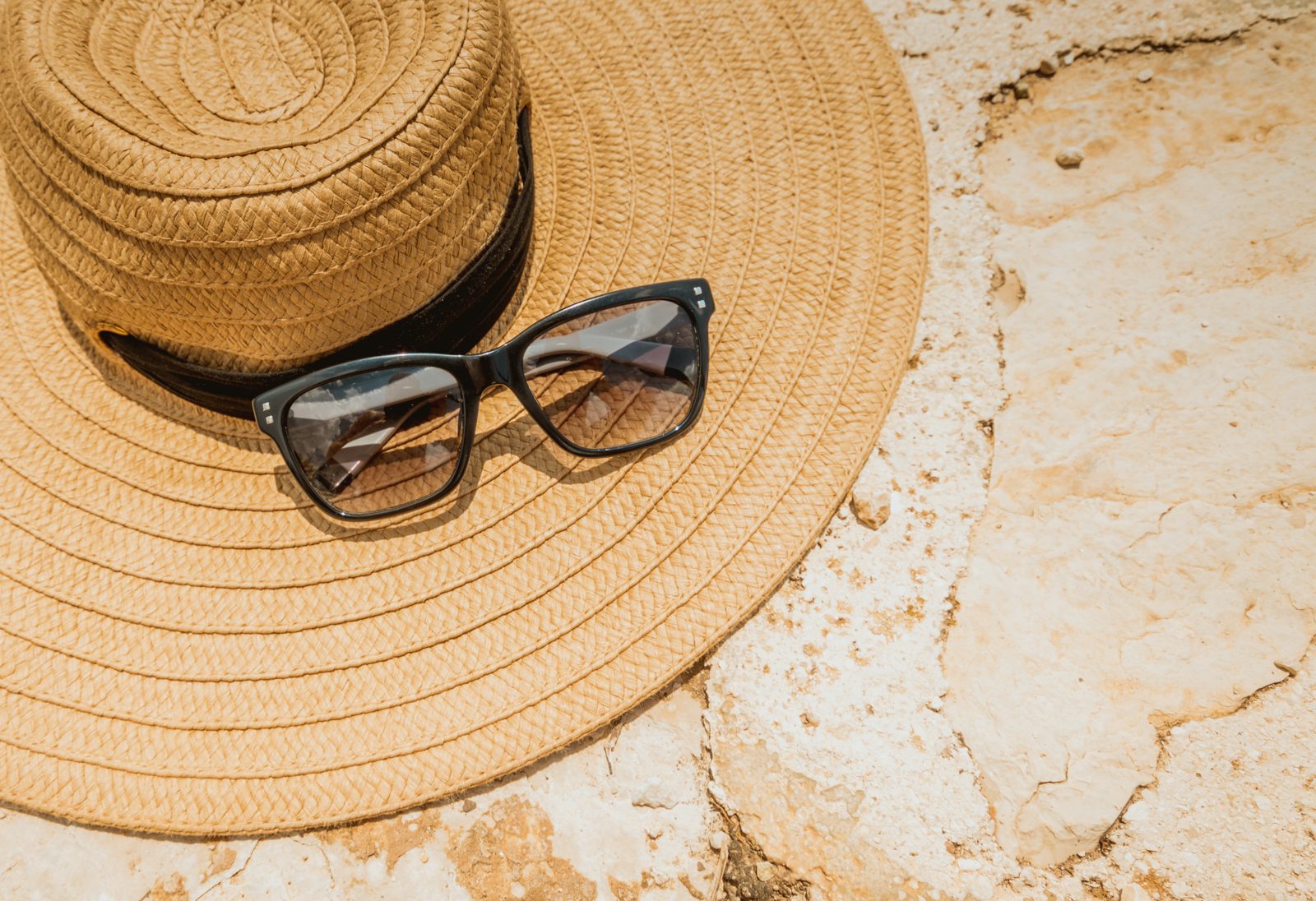
Check what the label covers. A long-sleeved shirt with UPF 50+ protects the arms and torso, but the face, neck, ears, and hands still need a hat, sunglasses, and sunscreen. A wide-brimmed hat with a brim of at least three inches shades the face, scalp, neck, and shoulders, plus easy-to-miss spots like the tops of the ears and the back of the neck.
Look for honest claims. UPF 50+ is the top legal claim, so a label shouting UPF 100 is a red flag.
Also check the fiber and weave. Tight knits, darker colors, and purpose-built sun fabrics tend to test higher.
Think about comfort and heat. Dark, tight fabrics protect best but feel hottest.
Modern sun fabrics use light colors with tight weaves and cooling finishes to balance the trade. The best sun shirt is the one you will actually wear for the whole outing, since a UPF 50+ shirt left in the bag protects nothing.
UPF clothing for sport and outdoor work
Athletes and outdoor workers get the most from UPF clothing because they spend hours in the sun and sweat through sunscreen. Runners, cyclists, anglers, gardeners, and construction workers all benefit from a long-sleeved UPF top, a brimmed hat, and sunscreen on the exposed skin.
Swimmers need a plan for wet fabric. A UPF rash guard or swim shirt helps, but remember that wetness lowers protection, so reapply sunscreen under and around the garment after swimming. Pair the shirt with goggles that resist fogging for a full swim kit, and add a hat for time on the deck.
Snow and water reflect UV, which raises exposure from below and from the sides. Sunglasses matter there too, and the choice between lenses for bright snow and open water follows the same glare logic as choosing sunglasses for snow versus water glare. Fabric, hat, glasses, and sunscreen together beat any one of them alone.
Kids need the same system. Children burn fast and spend long hours outdoors, so a UPF swim shirt, a hat with a neck flap, and sunscreen on the face and hands make a practical set.
Common myths about UPF and SPF
Myth one says a higher SPF always beats UPF clothing. It does not. SPF 100 blocks about 99 percent of UVB, versus 98 percent for SPF 50, a tiny gain that often breeds false confidence.
Myth two says any shirt is as good as a UPF shirt. It is not.
A thin white tee may test near SPF 7, while a rated UPF 30 shirt blocks about 97 percent of UV. The gap is large, and it grows on wet or stretched fabric.
Myth three says sunscreen alone is enough. It can be, but only with full coverage and strict reapplying.
Most people miss spots, apply too little, and forget to reapply. Clothing removes those failure points for the skin it covers.
Myth four says UPF clothing makes sunscreen pointless. It does not.
No shirt covers the face, neck, ears, hands, and feet, and cuffs and collars shift as you move. Sunscreen still belongs on every exposed patch.

Frequently asked questions
Is UPF 50 better than SPF 50?
They measure different things, so the numbers do not line up directly. UPF 50 means the fabric blocks 98 percent of UVA and UVB.
SPF 50 means sunscreen delays reddening about 50 times under lab conditions, mostly for UVB. For covered skin, UPF is steadier, since it needs no reapplying.
Does UPF wash out of clothing?
Ordinary clothing loses or gains protection as it wears, stretches, and thins, but the UPF rating of purpose-built sun fabric does not simply wash off like a coating. Retire garments that have gone thin, sheer, or stretched out.
Can I rely on UPF clothing alone?
No. Clothing covers only the skin it sits on, so the face, neck, ears, hands, and feet still need a hat, sunglasses, and sunscreen. Use fabric as the base layer of a full sun plan.
Why do some labels say UPF 50+ instead of a higher number?
UPF 50+ is the highest claim makers may print, even if a fabric tests higher. The cap keeps labels comparable and stops inflated numbers from misleading shoppers.
Does a dark shirt always beat a light one?
Not always. Dark and bright colors usually absorb more UV, but weave, fiber, and fit matter too. A light, tightly woven sun shirt can out-protect a dark, loose, thin one.
The bottom line
UPF rates fabric, SPF rates sunscreen, and the two work best as a team. UPF 30 to 49 gives very good protection, and UPF 50+ gives excellent protection against both UVA and UVB, with no reapplying. SPF tracks how much longer skin resists reddening, mostly for UVB, and it works only with full, repeated application.
Dress in rated fabric, add a brimmed hat and sunglasses, and put sunscreen on the skin that stays bare. This article is for general information, not medical advice.
Tags: UPF, SPF, sun protection, clothing
Latest in Sports
- How to Choose Sunglasses for Snow vs Water Glare
- Why Do Goggles Fog Up and How Do Anti-Fog Coatings Work
- How to Fall Safely When Skateboarding or Snowboarding
Subscribe for one practical sports guide in your inbox each week.
Related stories

Why Is Altitude Sickness Worse for Some People?
Altitude sickness hits some people harder because of genetics, ascent speed, and prior history, not fitness level. Here is what raises risk

Why Do You Get Blisters When Hiking and How to Prevent Them
Friction plus moisture plus heat equals a blister. Learn why hiking breeds all three, and the boots, socks, and tape system that keeps

How to choose hiking boots for beginners: fit, features, and break-in
Beginners should buy for fit first: snug everywhere, tight nowhere, with a thumb's width at the toes. Here is how to size, test,