
Why Bike Gears Click and Skip Under Load
Key takeaways
- Clicking often means the derailleur is slightly out of position, while skipping under load often means worn parts.
- Cable stretch is the most common cause on new bikes, and a barrel adjuster fix often solves it.
- A chain worn past 0.5 percent stretch can wear the cassette too, so check wear before adjusting anything else.
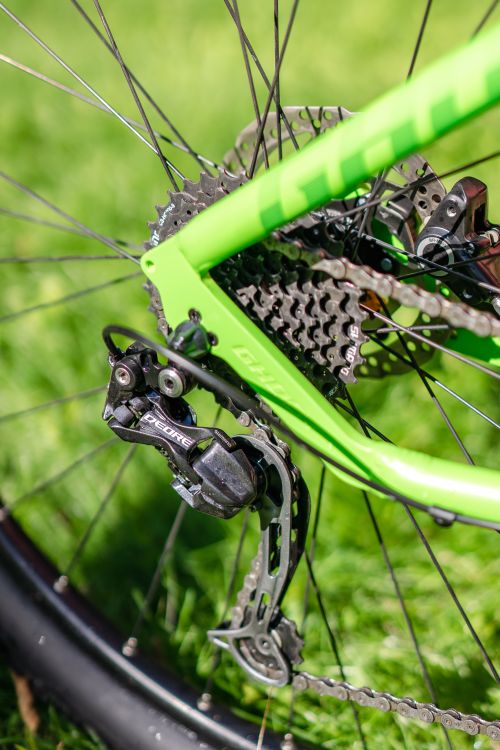
Bike gears click and skip under load when the chain cannot sit cleanly on the cog it should be on. Clicking is often a small alignment error. Skipping is often a bigger wear problem.
Load makes both worse because pedalling hard pulls the chain with more force.
This article explains why bike gears click and skip under load, including cable tension, chain wear, cassette wear, derailleur alignment, and limit screws. It also gives a diagnosis order and the fixes a home mechanic can try.
Clicking is not the same as skipping
Clicking and skipping sound related, but they point to different faults. Clicking is a light, repeated tick as the chain rides near the edge of a cog or brushes the next cog. It often happens in one or two gears, not across the whole range.
Skipping is a jump. The chain leaps to another cog without a shift, or it slips over the teeth under power. The pedals lurch forward a short distance.
That lurch is what makes skipping feel alarming on a climb or in traffic.
Naming the symptom first saves time. A steady click in one gear suggests a small indexing error. A skip under hard pedalling suggests wear.
A random shift suggests alignment or cable trouble.
How shifting works
A mechanical drivetrain moves the chain with a cable. The shifter pulls the cable in small steps. The cable moves the derailleur sideways by a set amount.
The derailleur pushes the chain from one cog to the next.
Each step must line up with one cog. If the cable is a little slack, the derailleur stops short and the chain rides between cogs. If the cable is a little tight, the derailleur overshoots and the chain tries to climb to the next cog.
Both errors cause clicks.
The rear derailleur also has limit screws. They set how far the derailleur can travel at each end of the cassette. They stop the chain from falling off the largest or smallest cog.
They do not control indexing in the middle of the range, so they are rarely the cause of a click in a middle gear.
Load enters the picture because force changes how the chain seats. A chain that sits almost right under light pedalling can slip when the rider stands up and pushes hard. That is why a bike can feel fine on a stand and skip on a hill.
Cause 1: cable stretch and tension
Cable stretch is the most common cause of skipping and clicking on a new bike. Outside quotes mechanic Abby Hippley, who says the cables that link the shifters to the derailleurs need tension adjustment. She notes that cables stretch most in the first half dozen rides on a new bike, and they can also stretch over time.
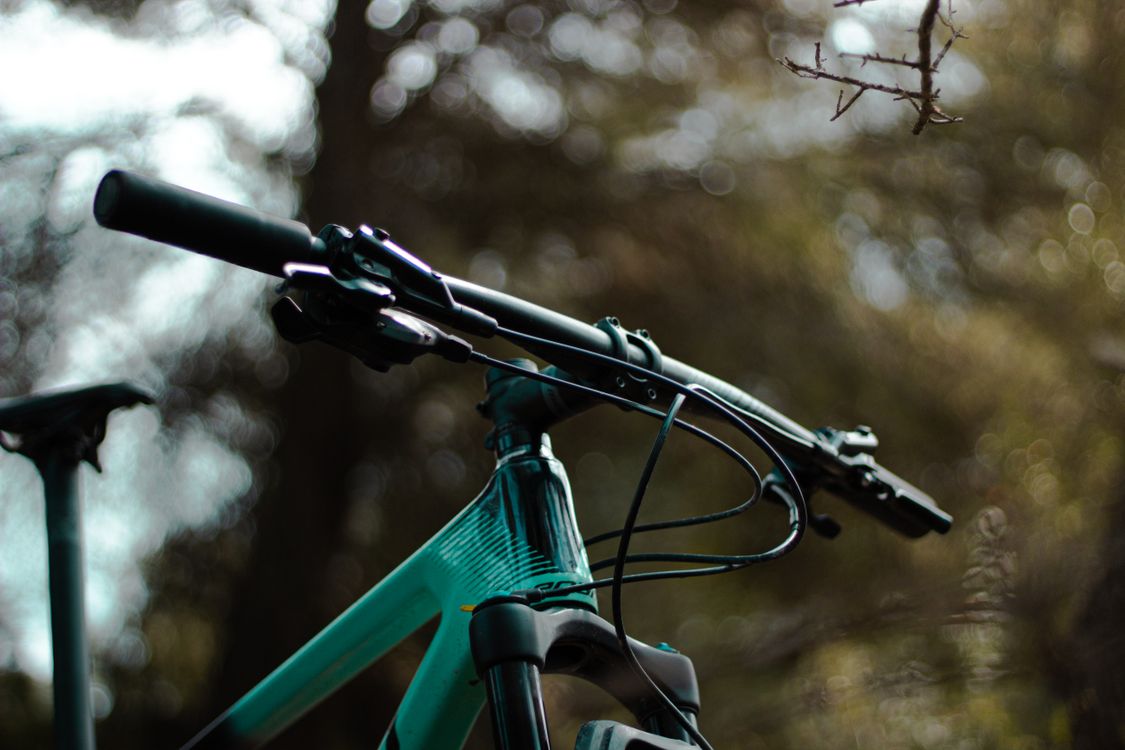
The fix is to add tension with the barrel adjuster. Outside describes the method for the rear derailleur: shift into the smallest rear cog, press the shifter once, and see if the chain moves up a gear. If it does not move, turn the barrel adjuster away from the rider by half a turn to add tension.
Then test again.
Small turns matter. A quarter turn or half a turn is enough for one test. Large turns overshoot and create a new error in the other direction.
Work through the cassette one gear at a time, fine tuning as you go.
Cables can also suffer drag from dirt, rust, or a frayed inner wire. Drag slows the derailleur return and makes shifts sluggish. If the cable feels gritty or the outer housing is cracked, cleaning may help, but a new inner cable and housing is often the cleaner fix.
Cause 2: worn chain
Chains wear by stretching. The pins and rollers wear with use, so the chain gets longer. BikeTips gives a clear test: check chain wear with a chain checker and replace the chain at 0.5 percent stretch or more.
A worn chain no longer meshes cleanly with the cog teeth.
A stretched chain causes skipping under load first. Under light pedalling, it may still sit well enough to feel normal. Under hard pedalling, the chain rides up over the teeth and slips.
That is the classic skip on a climb.
Checking wear with a gauge takes seconds and removes guesswork.
Replacing a chain early is cheap insurance. A fresh chain protects the cassette and chainrings from wearing to match the old stretched chain. Waiting too long turns a chain job into a drivetrain job.
Cause 3: worn cassette and chainrings
A cassette wears with the chain. As a stretched chain runs on the cogs, the cog teeth wear to match the longer chain. Once the teeth are hooked or shark fin shaped, a new chain may skip on the old cassette.
That is why mechanics check the cassette when a chain is replaced.
Cyclingnews makes the same point for skipping under load. If gears skip under load, the fault is probably not adjustment but wear. The chain is usually the first part to need replacing, but if it has worn too far, it will have worn the cassette and chainring teeth to the point where they need replacing too.
Look at the teeth. New teeth have a fairly even, symmetrical shape. Worn teeth look hooked, pointed, or uneven.
A cassette that skips in one or two favourite gears but shifts fine elsewhere often has wear in those cogs, since riders use some gears more than others.
Chainrings wear more slowly than cassettes, but they wear too. A front chainring that skips under load may show the same hooked teeth. Front skipping often appears when the rider shifts under heavy load, which stresses the ring and chain.
Cause 4: bent derailleur hanger
The derailleur hanger is a small part that holds the rear derailleur to the frame. It is designed to bend in a crash instead of breaking the frame. Even a small bend throws shifting off, because the derailleur no longer lines up with the cassette.
A bent hanger can cause clicking, ghost shifting, and poor shifts in part of the range. The bike may shift well in some gears and badly in others. A visual check helps: the derailleur should hang straight below the cassette, not angled in or out.
Straightening a hanger needs a proper alignment tool and a careful hand. Many home mechanics leave this job to a shop, since a wrong bend can snap the hanger. A shop can also check whether the hanger needs replacing rather than straightening.
A knock that bends the hanger can also bend the derailleur itself. If the derailleur cage looks twisted or the jockey wheels do not line up, the derailleur may need replacing.
A diagnosis order that works
Start with the symptom and the bike history. A new bike that clicks after a few rides points to cable stretch. An old bike that skips under load points to wear.
A bike that went wrong after a fall points to the hanger.
Check the chain with a gauge. If wear is past 0.5 percent, replace the chain before fine tuning. Then check the cassette teeth for hooking.
Then check the hanger by eye.
Next, check cable tension with the barrel adjuster method. Shift through the gears one at a time. Add or remove tension in small steps until each shift is clean.
Then check the limit screws only if the chain cannot reach an end cog or falls off.
Fixes a home mechanic can try
Barrel adjuster tuning is the easiest home fix. It needs no tools beyond the bike itself. Turn in small steps, test each gear, and stop when shifts are clean.
Chain cleaning and lubrication help too. A dirty chain clicks and wears faster. Clean it with a rag and a bike-specific cleaner, then apply a bike-specific lubricant to the rollers.
Wipe off the excess so grit does not stick.
Chain replacement is also a home job with a chain tool and a wear gauge. Match the new chain to the drivetrain speed, such as 11-speed or 12-speed. Route it through the derailleur the same way the old chain ran, and check the length against the old chain.
When to stop and see a mechanic
Stop home work if the chain falls into the spokes, if the derailleur hits the spokes, or if the hanger looks cracked. Those faults can lock the wheel or break parts. Walk the bike to a shop rather than riding it.
See a mechanic if skipping continues after a new chain, cable tuning, and a hanger check. The fault may be a worn cassette, a worn chainring, or a freehub problem that needs shop tools. A mechanic can also check electronic shifting, which uses different diagnostics from cable systems.
Regular checks prevent most of this. Check chain wear every few months, keep the drivetrain clean, and tune cable tension after the first rides on a new bike. Small checks early cost far less than a full drivetrain later.
Choosing a bike that fits well also reduces drivetrain stress, since a good fit keeps pedalling smooth. The guide to choosing a bike size without a shop fitting covers the measurements that pick the right frame.
FAQ
Why does my bike only skip in one gear?
One gear often wears first because the rider uses it most. Check the cassette teeth for that cog and check chain wear, then tune cable tension for that part of the range.
Short, gentle rides may be fine, but hard pedalling can make the chain jump and cause a loss of control. Fix skipping before riding hard or in traffic.
How often should I check chain wear?
Check with a gauge every few months, or sooner after wet and gritty riding. Replace the chain at 0.5 percent stretch to protect the cassette.
The bottom line
Clicking usually means the derailleur is slightly out of place, and skipping under load usually means parts are worn. Check chain wear first, tune cable tension in small steps, and check the hanger after any knock. Fixing the right cause, in the right order, keeps the drivetrain quiet and the pedals steady.
Tags: bike gears, cycling, bike repair, derailleur
Latest in Sports
- How to Choose a Bike Size Without a Bike Shop Fitting
- What Is the Difference Between a Hardtail and Full Suspension Mountain Bike
- How to Fall Safely When Skateboarding or Snowboarding
- Why Do Goggles Fog Up and How Do Anti Fog Coatings Work
Subscribe for one clear explainer like this in your inbox each week.
Related stories

Why Is Altitude Sickness Worse for Some People?
Altitude sickness hits some people harder because of genetics, ascent speed, and prior history, not fitness level. Here is what raises risk

Why Do You Get Blisters When Hiking and How to Prevent Them
Friction plus moisture plus heat equals a blister. Learn why hiking breeds all three, and the boots, socks, and tape system that keeps

How to choose hiking boots for beginners: fit, features, and break-in
Beginners should buy for fit first: snug everywhere, tight nowhere, with a thumb's width at the toes. Here is how to size, test,