
Why Do Feet Swell on Long Hikes? Causes and Fixes
Key takeaways
- Hours of walking, heat, and gravity push fluid into the feet and ankles, which is why swelling peaks late on long hiking days.
- Drinking far more water than you lose can dilute blood sodium, a condition whose early symptoms include swollen hands and feet.
- Prevention is simple: pace your drinking to thirst, loosen laces as feet expand, elevate feet at breaks, and choose shoes with room to swell.
You start the trail with boots that fit perfectly. Ten miles later your feet feel like overstuffed sausages, the laces bite, and every downhill step throbs. Swollen feet are one of the most common complaints on long hikes, and most of the time the cause is mundane: hours of impact, heat, and gravity doing exactly what physics says they will do.
Sometimes, though, swelling is the visible tip of a hydration mistake. Drinking far more fluid than the body can process dilutes the sodium in the blood, and puffy hands and feet are among the early warning signs. Knowing which kind of swelling you are dealing with matters, because the fixes point in opposite directions.
This article explains why feet swell on long hikes, when swelling signals overhydration, and the practical steps that keep your feet comfortable to the trailhead and back.
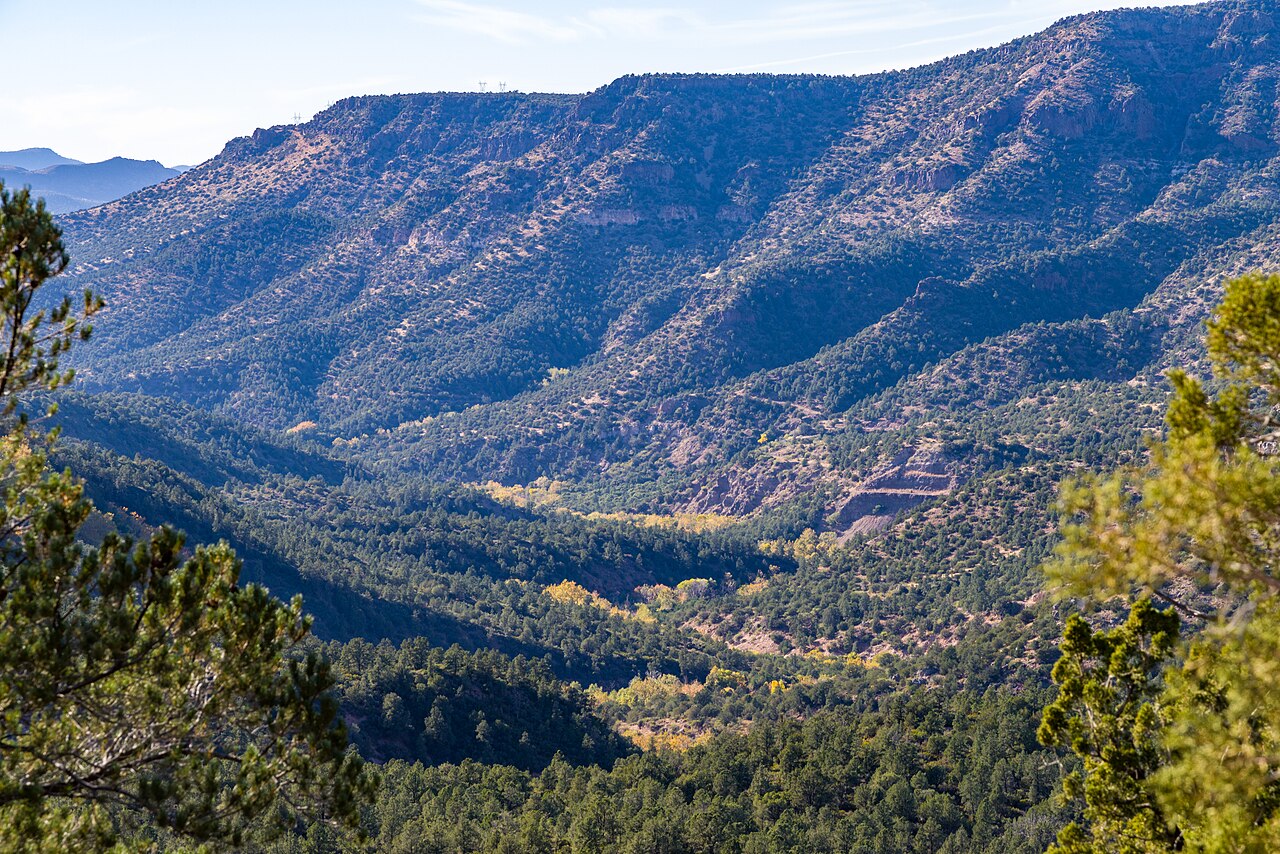
Hikers on Arizona's Fossil Springs Trail. Hours of walking plus heat push fluid downward, which is why feet swell most on long, warm days. Photograph: Coconino National Forest
Image Credits: Wikimedia Commons / Coconino National Forest, Jjanhone
The ordinary cause: gravity, heat, and pounding
Walking is a low-grade, long-duration assault on the feet. Each step sends a shock wave through the foot's soft tissues, and over thousands of steps that micro-trauma triggers mild inflammation.
Inflammation brings fluid, and fluid brings swelling. This is the same reason feet puff up after a long day standing at a festival or walking a city on vacation.
Gravity does the distribution. Fluid follows pressure gradients downward, so the ankles and feet collect what the calves and thighs shed. The effect compounds over hours, which is why your feet feel fine at mile 3 and mutinous at mile 12. Heat amplifies everything: blood vessels dilate to dump heat, more blood flows to the skin of the extremities, and capillary walls let more fluid seep into surrounding tissue.
Footwear turns a mild physiological response into a painful one. Boots fitted snugly in a cool morning expand against leather as the foot swells, and the laces you tied at the trailhead become a tourniquet by afternoon. Downhill sections make it worse by ramming the toes into the toe box with every step, which is one reason downhill hiking wrecks quads and feet in the same outing.
None of this is dangerous by itself. Ordinary hiking edema resolves within hours of getting off your feet, especially with the feet elevated. But it shares symptoms with a genuinely dangerous condition, which is why the next section matters.
When swelling signals overhydration
Exercise-associated hyponatremia, or EAH, is what happens when prolonged exertion plus excessive drinking dilutes blood sodium below 135 millimoles per liter. The Wilderness Medical Society's 2021 practice guidelines, summarized in American Family Physician, define it as occurring during or up to 24 hours after prolonged physical activity, and identify overhydration with hypotonic fluids like water as the usual cause.
Swelling of the hands, legs, and feet is listed among the early symptoms of EAH, alongside nausea, headache, vomiting, and bloating. The mechanism is straightforward: when sodium outside the cells drops, water moves into the cells, and the extremities visibly puff up. Weight gain during the event is the telltale clue that distinguishes overhydration swelling from ordinary hiking edema; ordinary swelling does not make you heavier.
What the research shows
How common is it? In the best-known study, Almond and colleagues sampled 488 finishers of the 2002 Boston Marathon and published the results in the New England Journal of Medicine in 2005.
Thirteen percent had hyponatremia, and 0.6 percent had critical hyponatremia with sodium at or below 120 millimoles per liter. The strongest risk factors were substantial weight gain during the race, drinking more than 3 liters, drinking at every mile, and finishing times over 4 hours.
Hikers move slower and longer than marathoners, which puts multi-hour hikers squarely in the risk window the researchers identified.
The prevention advice from wilderness medicine is blunt. Rogers and Hew-Butler, writing in Wilderness and Environmental Medicine in 2009, concluded that the key preventive step in a wilderness setting is moderate fluid consumption based on perceived need rather than a rigid schedule.
The Wilderness Medical Society guidelines agree: limit drinking to thirst during prolonged exertion. The old mantra of drinking ahead of thirst, once promoted for athletes, is exactly what the consensus statements now warn against.
Medication adds risk worth knowing. Non-steroidal anti-inflammatory drugs such as ibuprofen, the trail staple for sore knees, impair the kidneys' ability to excrete excess water and appear among the risk factors for EAH. Popping ibuprofen at every rest stop while chugging water is the worst combination on this list.
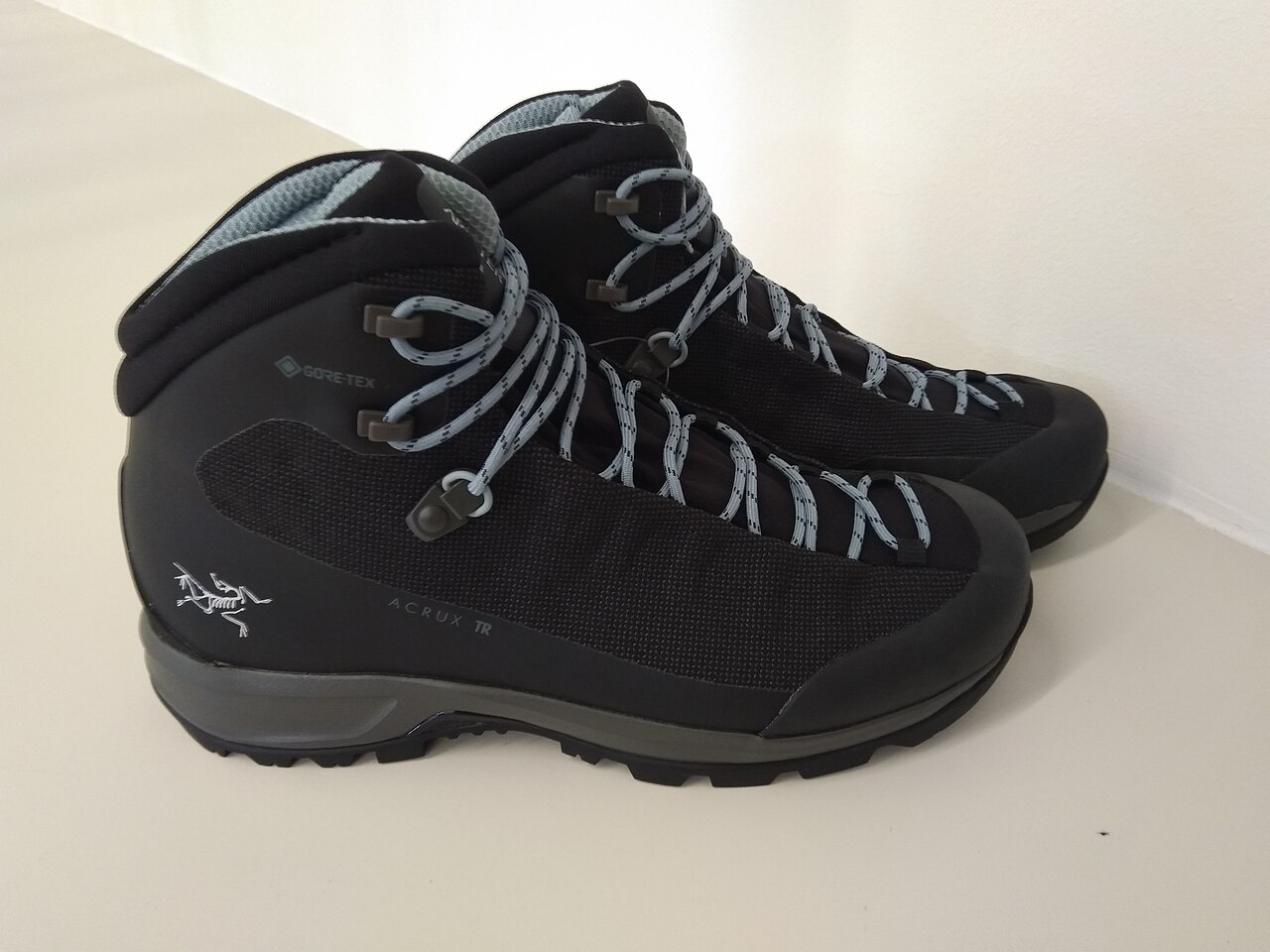
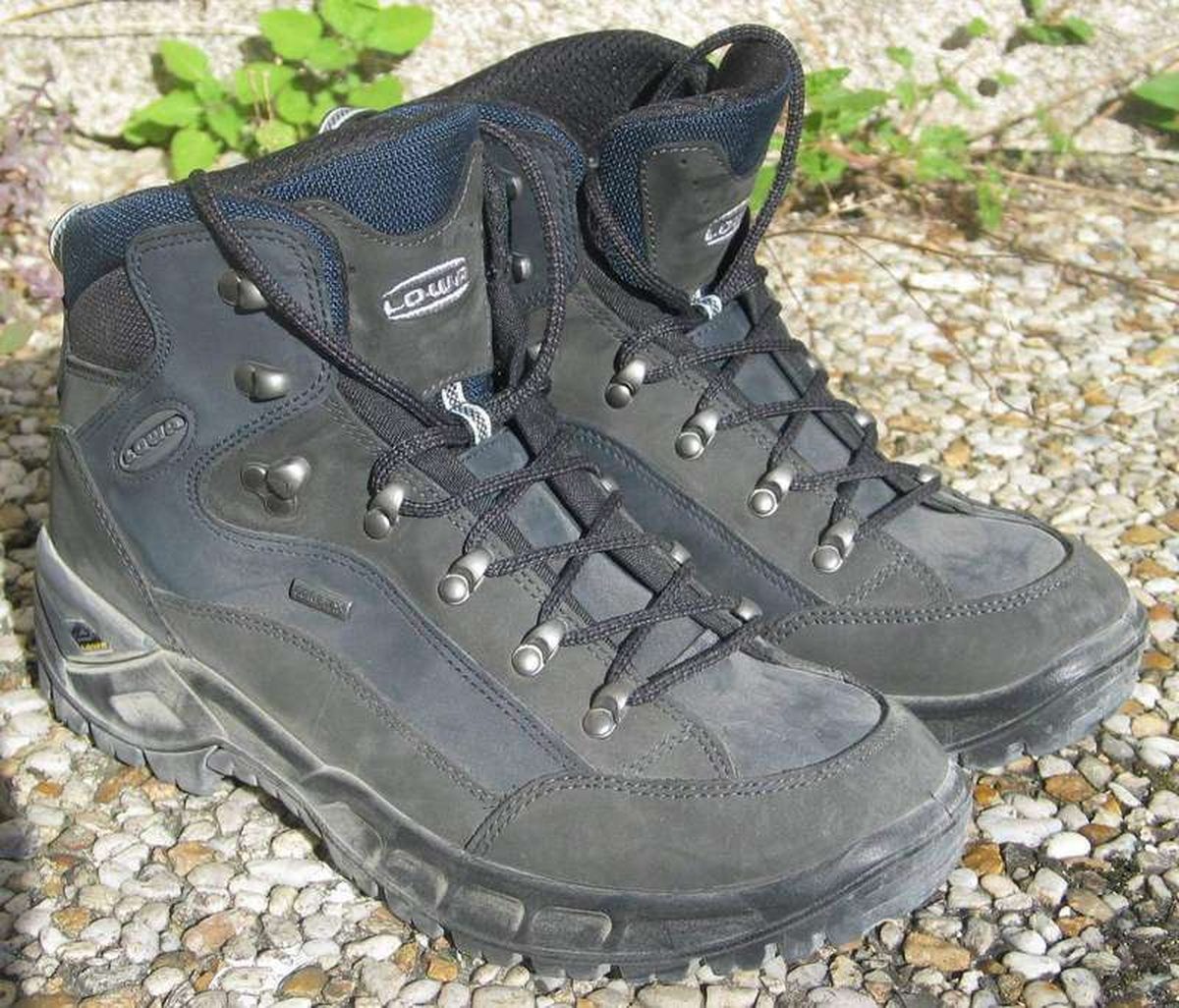
Trekking boots with room in the toe box. Lacing that felt perfect in the morning can strangle a swollen foot by afternoon, so leave expansion room. Photograph: Jjanhone
How to tell the two apart, and what to do
Ordinary hiking swelling is symmetrical, builds gradually, involves mainly the feet and ankles, and comes with no weight gain, no nausea, and no headache. The fix is mechanical: sit down, take the boots off, and elevate your feet above heart level for 10 to 15 minutes at lunch and at camp. Loosen the laces before the swelling starts, not after, and consider shoes with a roomier toe box when you choose hiking boots as a beginner.
Warning signs that mean overhydration
Suspected overhydration looks different. Watch for puffy hands and fingers alongside the feet, rings that suddenly feel tight, a stomach sloshing with fluid, nausea or vomiting, headache, confusion, and any weight gain during the hike.
The Wilderness Medical Society guidance for mild cases is fluid restriction plus salty foods or oral hypertonic solutions. Severe cases need hypertonic saline, which means evacuation and medical care.
The critical rule: a hiker with these symptoms should not be given more water. Because EAH symptoms overlap heavily with heat illness and dehydration, misreading the situation and pushing fluids is the classic, dangerous error.
Trail habits that prevent ordinary swelling
For ordinary swelling, a few trail habits help enormously. Soak feet in a cold stream at breaks; the cold constricts vessels and the water washes away grit that causes blisters from friction and moisture, the other great foot-killer.
Wiggle and flex your toes inside your boots every half hour to pump fluid back upward. At camp, lie with your feet propped on your pack.
And manage salt sensibly: salty snacks replace what sweat takes out, but salt tablets without a reason are not the answer either.
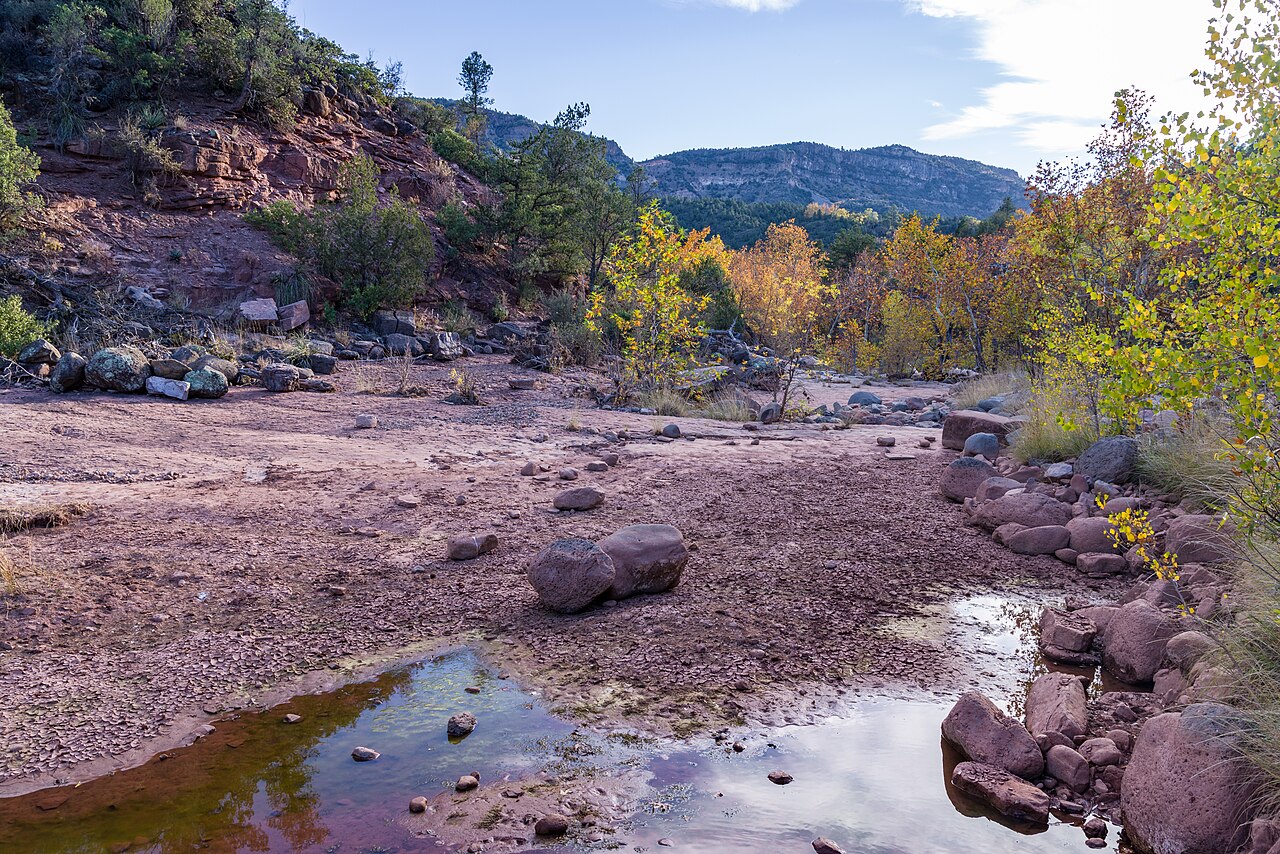
Hikers descending a canyon trail. Long descents hammer the feet and are when swelling and toe-box pressure peak. Photograph: Coconino National Forest
Are swollen feet after hiking normal?
Mild, symmetrical swelling of the feet and ankles after a long day is common and usually harmless; it fades within hours once you rest with feet elevated. Swelling paired with nausea, headache, confusion, or puffy hands points toward overhydration and deserves more caution.
Should I drink less water to prevent swelling?
Do not dehydrate yourself on purpose. The evidence-based rule is to drink to thirst rather than forcing fluids on a schedule. Most hikers under-drink rather than over-drink, but the over-drinkers are the ones who get into trouble, so match intake to actual thirst and sweat loss.
Do compression socks help with hiking swelling?
They can reduce fluid pooling in the lower legs on long days, and many thru-hikers swear by them. They do not address overhydration, and tight socks over already-swollen feet can be uncomfortable, so treat them as a comfort tool, not a safety measure.
When should swollen feet end a hike?
Turn back or seek help if swelling comes with headache, vomiting, confusion, or severe shortness of breath, or if one foot swells dramatically more than the other, which can signal injury rather than edema. Ordinary bilateral puffiness that eases with rest is a reason to adjust, not abort.
This article is for general information only and is not medical advice; seek professional care for concerning symptoms.
The bottom line
Feet swell on long hikes because hours of impact, heat, and gravity push fluid into the lowest tissues, and tight footwear turns that natural response into pain. Prevent it with roomy shoes, loose laces, elevation at breaks, and cold soaks.
And respect the other kind of swelling: puffy hands plus nausea and weight gain mean too much water, not too little, and the fix is to stop drinking, not to drink more. Drink to thirst, watch your hands as well as your feet, and the trailhead will still be a happy place at mile 15.
Latest in Sports & Outdoors
- How to choose hiking boots as a beginner
- Preventing hiking blisters: friction and moisture
- Layering clothing for cold-weather hiking
- What to pack: the day-hike checklist
Get one practical outdoors explainer like this every morning. Subscribe to the Rive News newsletter.
Related stories
Why Is Altitude Sickness Worse for Some People?
Altitude sickness hits some people harder because of genetics, ascent speed, and prior history, not fitness level. Here is what raises risk
Why Do You Get Blisters When Hiking and How to Prevent Them
Friction plus moisture plus heat equals a blister. Learn why hiking breeds all three, and the boots, socks, and tape system that keeps
How to choose hiking boots for beginners: fit, features, and break-in
Beginners should buy for fit first: snug everywhere, tight nowhere, with a thumb's width at the toes. Here is how to size, test,