
How to Layer Clothing for Cold Weather Hiking
Key takeaways
- The three-layer system assigns each layer one job. The base moves sweat, the mid traps heat, the shell blocks wind and rain.
- Cotton is the enemy. It holds perspiration against your skin and chills you, so every layer should be wool or synthetic.
- Start the trail slightly cold and vent early. Sweating through your base layer is the most common layering mistake.
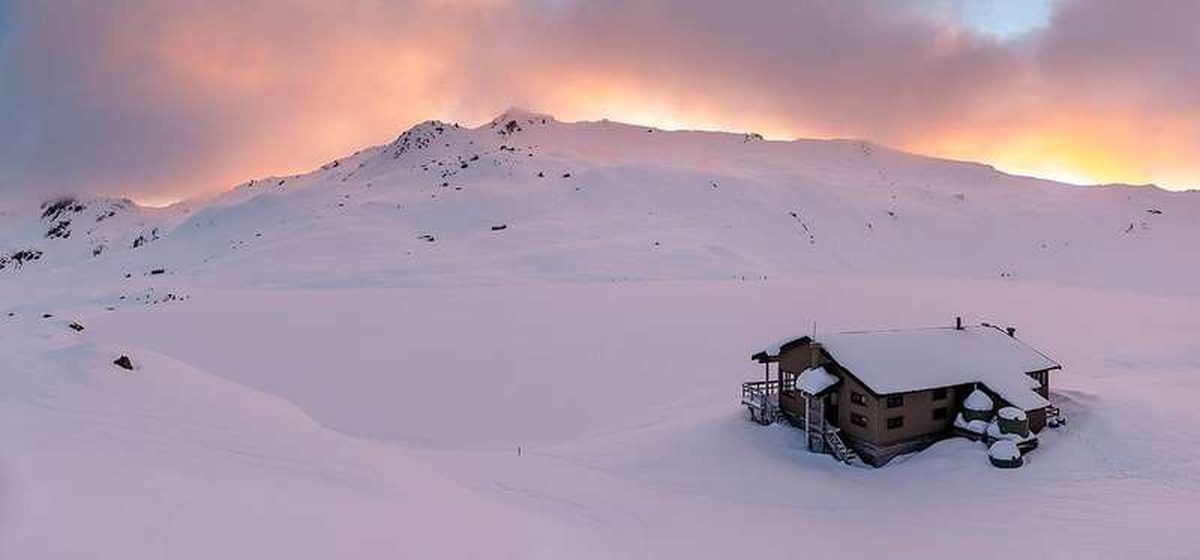
A mountain hut in winter with snow-covered peaks behind; the right layers make this weather enjoyable instead of dangerous. Photograph: Michal Klajban/Wikimedia Commons
Image Credits: Wikimedia Commons
Layering clothing for cold weather hiking means wearing several thin, specialized garments instead of one thick jacket. Each layer does one job, and you add or remove layers as conditions and effort change.
The system exists because mountain weather changes fast and your body heat changes faster. A single heavy jacket is either too warm on the climb or too cold at the summit. Layers let you adjust.
This article explains the three-layer system, what each layer does, how to choose base layer fabrics, the fleece-versus-down decision for insulation, what the outer shell must do, why cotton has no place in the system, how to layer legs, hands, and head, and the mistakes that undo it all.
The three-layer system
Every layering setup has the same three jobs: the base layer manages moisture against your skin, the middle layer insulates by trapping warm air, and the outer layer, the shell, protects against wind and rain.
The power is in the combinations. Climbing hard in cold air, you might wear just base and shell. Stopped for lunch at a windy summit, you add the mid layer. The system adapts in minutes in a way a single jacket cannot.
This modularity is also why combination garments disappoint. Peak Gear Guide's 2026 layering guide warns that insulated waterproof jackets force you to choose between waterproofing and breathability in one garment. Separate layers let you ventilate without losing weather protection.
Base layer: manage moisture
The base layer is your next-to-skin layer, and its job is moving perspiration away from your body. Staying dry is what keeps you warm. Damp skin loses heat far faster than dry skin, and in winter that difference can slide toward hypothermia.
REI's layering basics put it bluntly: cotton retains perspiration and can leave you chilled. A cotton T-shirt under a rain shell leaves you wet and clammy from your own sweat even though no rain touched you. Every serious base layer is merino wool or synthetic instead.
Merino wool, popularized by brands like SmartWool, Ibex, and Icebreaker, regulates temperature well and keeps insulating when damp. Synthetics like Polartec Power Dry or Patagonia Capilene wick aggressively and dry fast. For high-output hiking, either works. For multi-day trips where washing is rare, wool's odor resistance wins.
Fit matters as much as fabric. The base layer should sit close to the skin without restricting movement, since wicking only works through contact. Choose the weight for the conditions: lightweight for active cold-weather hiking, midweight or expedition weight when temperatures truly plummet.
Mid layer: trap heat
The mid layer's job is insulation: trapping warm air close to your body. Natural and synthetic fills both do this, but they behave very differently when the weather turns.
Fleece is the workhorse. It breathes well, stays warm when damp, dries fast, and costs little. Its weakness is bulk: fleece is heavier and less packable than the alternative for the warmth it gives.
Down brings an almost unbeatable warmth-to-weight ratio and packs tiny, but its weakness is water. As WildBounds explains, untreated down loses its thermal performance when wet, because the wet clusters collapse and stop trapping air. Hydrophobic treatments like Nikwax help, but a soaked down jacket in sustained rain is still a liability.
For cold-weather hiking with changing conditions, many hikers carry both: a light fleece worn while moving and a packable down jacket for stops and camp. On a strict budget, fleece first. It handles sweat and weather with less fuss.
Outer layer: block wind and rain
The shell is your weather armor. Its job is stopping wind and precipitation from reaching the insulation underneath, while letting sweat vapor escape from the inside. That second half, breathability, is what separates a hiking shell from a plastic poncho.
For cold-weather hiking, a waterproof breathable hardshell is the standard choice. It goes over everything when rain, wet snow, or biting wind arrives, and comes off the moment you start overheating.
Fit the shell roomy enough to cover your bulkiest mid layer without compressing it. Compressed insulation traps less air and insulates less. KUIU's layering guidance makes the same point from the hunting world: never size a shell so tight it crushes the loft beneath it.
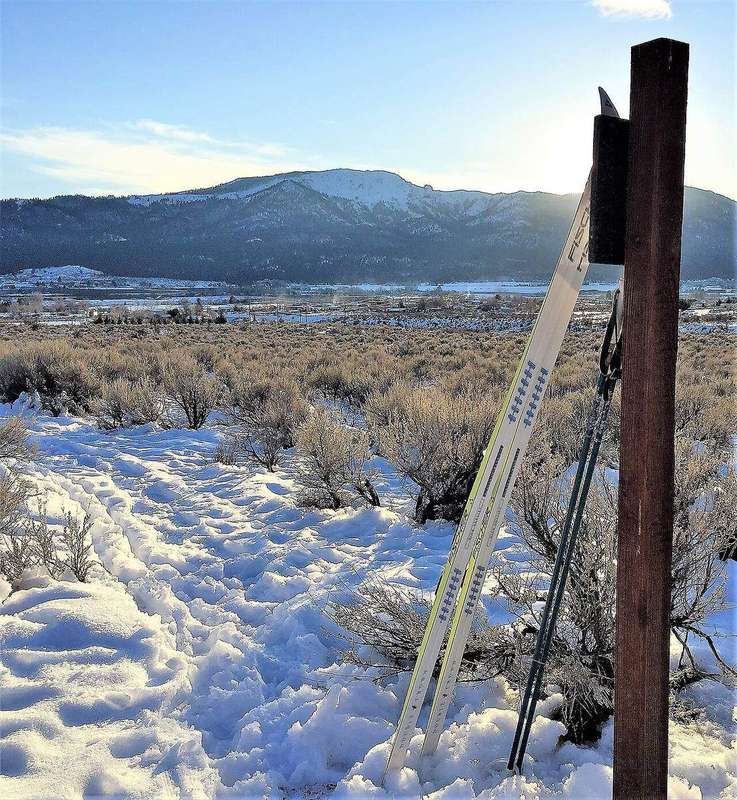
Snow-covered slopes on Bald Mountain in winter; wind and wet snow are what the shell layer exists to defeat. Photograph: blmcalifornia/Wikimedia Commons
Image Credits: Wikimedia Commons
The cotton rule
If the system has one commandment, it is this: no cotton. Cotton absorbs perspiration and holds it against your skin, and wet cotton in cold wind is a fast track to chilling.
The budget version of this mistake is the cotton hoodie as a mid layer. Peak Gear Guide notes that even a $25 synthetic fleece dramatically outperforms a $60 cotton sweatshirt in any weather below 50°F. The cotton feels warm in the store and becomes a cold sponge on the trail.
This applies head to toe: socks, underwear, gloves, hats. Wool or synthetic everywhere. Cotton kills is a cliché in outdoor circles because the physics keeps confirming it.
Legs, hands, and head
Legs generate enormous heat while hiking and need less insulation than your torso. Most winter hikers wear a base layer bottom under softshell pants, adding a waterproof shell pant only in real rain or deep snow.
Hands and head deserve the layering mindset too. Thin liner gloves under insulated mittens beat one thick glove, because you can strip to liners for dexterity without exposing bare skin. A thin beanie under a hood, plus a neck gaiter, covers the head-and-neck heat loss that an otherwise perfect torso system misses.
Feet follow the same no-cotton rule with interest. Wool or synthetic hiking socks, sized so boots are not tight, keep feet warm. Tight boots restrict circulation and make feet cold regardless of sock quality, which is why winter boots run roomier.
Common mistakes
The most expensive mistake is skipping the system for one do-it-all jacket. It overheats you on the climb and under-protects you at rest, and you cannot fix either problem without taking the whole thing off.
The most common mistake is overdressing at the trailhead. Peak Gear Guide's advice is memorable: start cold. You will warm up within 10 to 15 minutes of hiking, and a slightly cool start beats an overheated one that saturates your base layer before the first switchback.
The most dangerous mistake is ignoring sweat. Section Hiker's winter layering experiments hammer the same lesson: if sweat soaks your base layer, you chill rapidly the moment you stop moving. Vent early, strip a layer before you overheat, and treat perspiration as the thing you are managing all day.
Pack the layers you are not wearing where you can reach them. A mid layer buried at the bottom of the pack might as well be at home when the wind picks up at the summit.
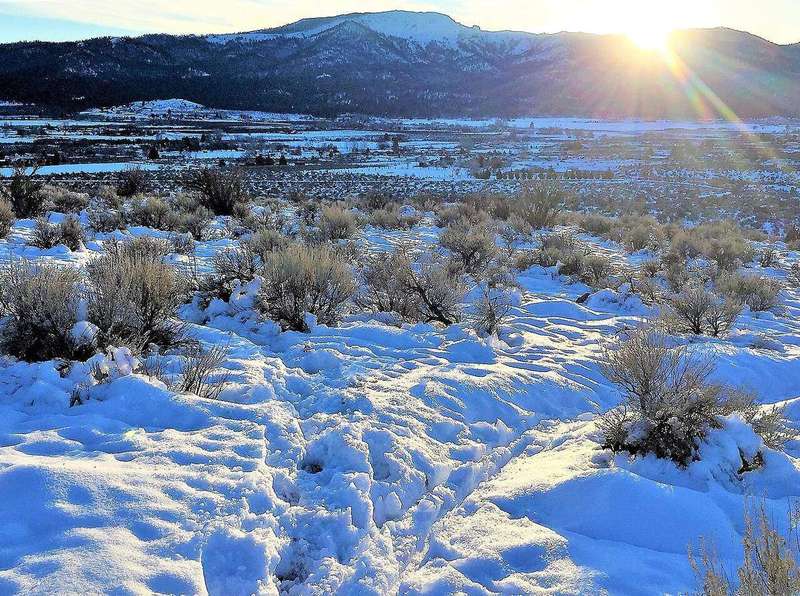
Winter landscape with snow-covered hills; conditions change fast, so keep spare layers where you can reach them. Photograph: blmcalifornia/Wikimedia Commons
Image Credits: Wikimedia Commons
Frequently asked questions
How many layers do I need for winter hiking?
Three on top is the standard: base, mid, shell. In deep cold, add a second mid layer (fleece plus down) and insulated pants. The number matters less than the ability to add and remove as effort changes.
Is a down jacket enough as a mid layer?
Down works as a mid layer in dry cold but suffers in wet conditions unless treated. Many hikers prefer fleece for the active mid layer and save down for stops, when you are not generating sweat to threaten it.
Can I wear a rain jacket as my shell?
Yes, if it is breathable. A non-breathable rain jacket traps sweat inside, soaking your mid layers from within. For hiking, waterproof-breathable is worth the premium over a basic rain shell.
What should I wear on my legs for cold hikes?
A synthetic or wool base layer under softshell hiking pants covers most winter day hikes. Add waterproof shell pants for rain, wet snow, or high wind. Like the torso, avoid cotton and vent before you overheat.
The bottom line
Cold-weather hiking comfort is a system, not a garment. Wick sweat with the base, trap heat with the mid, block weather with the shell, and banish cotton from all three.
Start the trail a little cold, adjust layers before you sweat, and keep spares accessible. Do that and winter trails stop being something you endure and start being something you choose.
Tags: hiking, layering, cold weather, outdoor clothing, winter hiking
Rive News is the research desk behind this publication, covering outdoor sports, hiking, and gear with sourced, honest guidance.
Latest in Sports & Outdoors
- How to choose hiking boots for beginners: fit, features, and break-in
- What Does Hiking Trail Difficulty Rating Actually Mean?
- Why Do You Get Blisters When Hiking and How to Prevent Them
- What to Do If You Get Lost Hiking: Step by Step
Subscribe for one practical outdoors guide in your inbox every week.
Related stories

Why Is Altitude Sickness Worse for Some People?
Altitude sickness hits some people harder because of genetics, ascent speed, and prior history, not fitness level. Here is what raises risk

Why Do You Get Blisters When Hiking and How to Prevent Them
Friction plus moisture plus heat equals a blister. Learn why hiking breeds all three, and the boots, socks, and tape system that keeps

How to choose hiking boots for beginners: fit, features, and break-in
Beginners should buy for fit first: snug everywhere, tight nowhere, with a thumb's width at the toes. Here is how to size, test,