
What to Do If You Get Lost Hiking: Step by Step
Key takeaways
- The moment you suspect you are lost, stop moving: panic and wandering are what turn a wrong turn into a rescue.
- Use the STOP protocol (Stop, Think, Observe, Plan), the method taught by the US Forest Service and survival courses.
- If you are not confident in your route, stay put, stay visible, and wait: it makes you far easier to find.
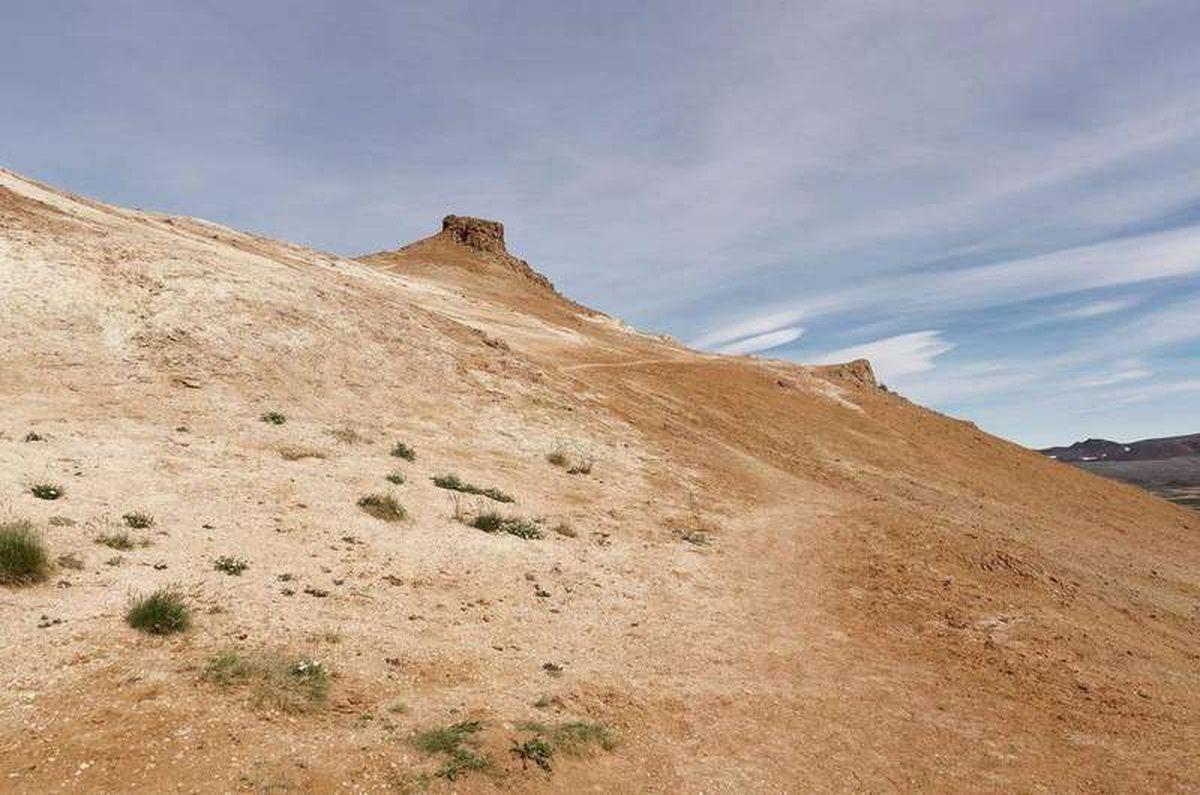
Getting lost while hiking means losing track of the trail, your position, or the way back. It happens to experienced hikers too: Breaks Interstate Park superintendent Austin Bradley told WVLT that many of his park's search-and-rescue cases involve people with hiking experience.
The single most important response is not a gadget or a trick. It is a four-step mental protocol called STOP: Stop, Think, Observe, Plan. The US Forest Service teaches it as the standard response to getting lost, and survival educators use the same acronym worldwide.
This article walks through what to do if you get lost hiking, step by step, including the STOP protocol itself, when to stay put, how to signal, and the preparation that keeps a wrong turn from becoming an emergency.
Step 1: Stop (sit down and stay calm)
The moment you realize you may be lost, stop. Sit down, stay calm, and stay put. The US Forest Service states this directly: panic is your greatest enemy.
This is harder than it sounds. The urge to keep walking, to push ahead in hopes of finding the trail, is exactly what gets people deeper into trouble.
Wandering burns calories, increases confusion, and carries you into terrain that is harder for searchers to reach. It is surprisingly common for lost walkers to travel in circles without realizing it.
Give yourself a few minutes. Drink some water. Eat a snack.
The goal of this step is to break the panic spiral before it starts, so that everything after it is a decision, not a reaction.
Step 2: Think (retrace how you got here)
With your body still and your breathing steady, go over in your mind how you got to where you are. The Forest Service advises asking: what landmarks should you be able to see? Do not move at all until you have a specific reason to take a step.
Work backward through the hike. When did you last see a trail marker or blaze?
Which direction were you heading? What was the last thing you recognized with confidence? Try to separate what you know for sure from what you are guessing.
Also think about the bigger picture: what time is it, how long until dark, what is the weather doing, and how are you physically? These answers shape whether self-rescue is sensible or whether staying put is smarter.
Step 3: Observe (use your senses and your gear)
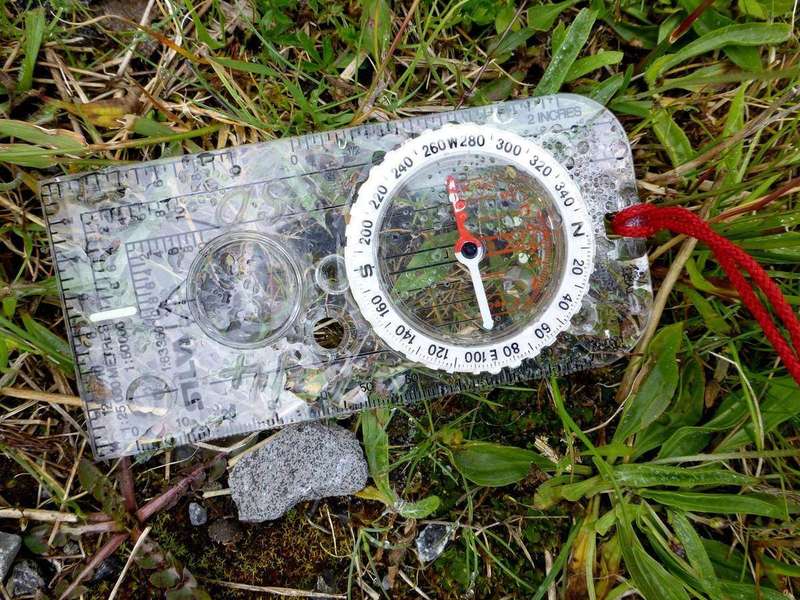
Now gather information. Get out your compass and determine directions from where you are standing; do not walk aimlessly, the Forest Service advises. If you are on a trail, stay on it: trails are marked with signs at intersections and with diamond blazers or markers, though signs are sometimes vandalized or stolen.
Look and listen. Can you hear water, vehicles, voices, or farm machinery?
Can you see radio towers, logging roads, or familiar landmarks? Check your map against the terrain and note where the sun sits in the sky.
Take stock of your supplies too: how much water and food you have, what layers you carry, whether your phone has signal. A cell phone may not work in the backcountry, but try it anyway. According to AdventureSmart's hiking safety guidance, an emergency 911 call can sometimes connect through any carrier's tower in range, even if you have no regular reception.
Step 4: Plan (choose one course of action)
Based on your thinking and observations, come up with possible plans, think them through, then act on one of them, per the Forest Service. The key rule: if you are not very, very confident in the route, it is always better to stay put.
Staying put is an active strategy, not giving up. If it is nightfall, if you are injured, or if you are near exhaustion, stay in place. Make yourself visible: bright clothing spread out, a signal mirror, three blasts on a whistle (the universal distress signal), or a small smoky fire if you can manage one safely.
If you decide to self-rescue, keep it conservative. Retracing your own steps to the last known trail marker is usually the safest move. The Forest Service's last-resort option is following a drainage or stream downhill, which can lead to a trail or road, but warns this is often difficult and can be dangerous.
Self-rescue tips if you decide to move
Should you move, the Forest Service offers practical rules. Stop and rest when you start to feel tired; do not wait until you are exhausted. Your body cannot hike hard and digest food at the same time, so rest at least 30 minutes when you stop to eat.
Drink enough water to avoid dehydration, and fix small problems while they are still small: a hot spot on your foot becomes a blister that stops you walking. On hot days, avoid hiking between 10 a.m.
and 4 p.m. ; rest in shade until it cools.
Most importantly, leave a trail of your decision. If you move, make it deliberate and trackable, so searchers who find your last known position have a direction to follow.
The preparation that prevents all of this
The Forest Service calls advanced planning the best survival tool of all. Before every hike, even a short one, pack more than enough food and water, a compass you know how to use, proper maps, layered clothing with spare socks, and overnight essentials: blanket, flashlight, matches in a water-resistant container.
Tell someone your exact plan: where you are going, the trail, when you will return, your vehicle and parking spot, and your group size. Do not go alone. And check with the local ranger district for warnings about fires, bears, flooding, or closures.
A trip plan left with someone who knows what to do is what turns "overdue" into "rescue started." That one habit matters more than any gear.
Frequently asked questions
What is the STOP protocol for getting lost?
STOP stands for Stop, Think, Observe, Plan. Stop moving and calm down; think about how you got there; observe your surroundings and check your compass and map; then plan one deliberate course of action. It is taught by the US Forest Service and survival educators.
Should I keep walking to find the trail?
Usually not. The Forest Service warns against walking aimlessly, and rescue professionals like Austin Bradley of Breaks Interstate Park advise hikers to stop walking and call for help. Walking on burns energy and takes you farther from where searchers will look.
How do I signal rescuers?
Make yourself visible and audible: bright clothing or gear spread in the open, three whistle blasts (the international distress signal), a signal mirror flashing toward aircraft, or a small smoky fire if conditions allow. Three of anything is the universal sign of distress.
What should I do before a hike to stay safe?
Pack food, water, a compass, maps, layers, and overnight basics even for short hikes. Tell someone your exact route and return time.
Check local ranger warnings. Never hike alone.
The bottom line
If you get lost hiking, the order of operations is simple: stop, think, observe, plan. Stillness first, decisions second. And when in doubt about the way out, stay put and make yourself findable.
Before your next hike, write down your trip plan and hand it to someone. That piece of paper is the cheapest rescue insurance there is.
---
Rive News is the research desk behind these guides, covering work, learning, and everyday decisions with sourced, practical explainers.
Related stories
- Why Does Tire Pressure Drop in Cold Weather?
- Is eSIM Safer Than a Physical SIM Card?
- How to Study for Exams Without Burning Out
Subscribe for one practical guide in your inbox every morning.
Corrections: spot an error? Contact the desk and we will fix it with a timestamped update, never a silent edit.
Related stories

Why Is Altitude Sickness Worse for Some People?
Altitude sickness hits some people harder because of genetics, ascent speed, and prior history, not fitness level. Here is what raises risk

Why Do You Get Blisters When Hiking and How to Prevent Them
Friction plus moisture plus heat equals a blister. Learn why hiking breeds all three, and the boots, socks, and tape system that keeps

How to choose hiking boots for beginners: fit, features, and break-in
Beginners should buy for fit first: snug everywhere, tight nowhere, with a thumb's width at the toes. Here is how to size, test,