
Why Do Marathon Pacers Carry Flags and Run So Evenly?
Key takeaways
- Pacers carry flags, signs, or balloons so thousands of runners can spot their target finish time in a crowded field.
- They run even splits because sports science is clear: steady pacing is the fastest way to cover 42.195 km.
- Most pacers are experienced volunteers running well inside their own ability, monitored against strict time tolerances.
Stand at the start of any big marathon and you will see them: runners holding tall signs that read 3:30, 4:00, 5:00, moving at a metronome pace through a sea of tens of thousands. They look like human cruise control. They are, and that is exactly the point.
This article explains why marathon pacers carry flags and run so evenly, including what the flags signal, why even splits win races, who the pacers are, and how precisely they are held to their times.
The flag is a moving finish line
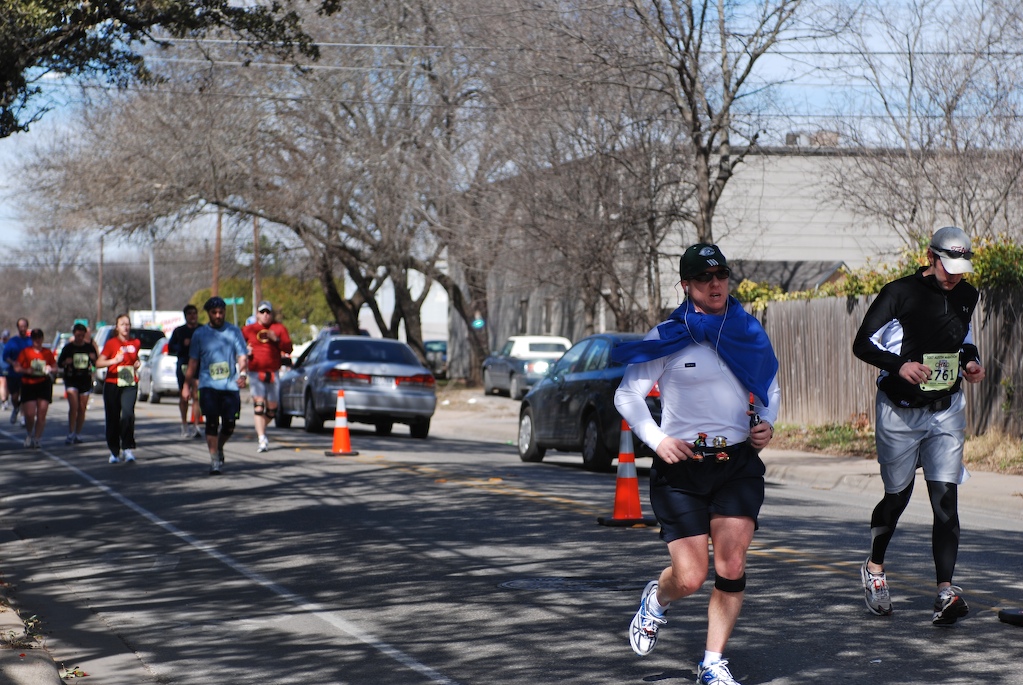
A marathon pacer is a runner assigned to lead a group toward a target finish time. A 4:00 pacer aims to cross the line close to four hours, and the visible sign, flag, or balloon is how runners find them in the chaos of a mass start, Running Gear Lab explains. You can join the group, leave it, or simply use the pacer as a moving reference point somewhere ahead of you.
In marathon culture, the group that forms around a pacer is sometimes called a "bus": runners board it and hand over time management, trusting the pacer to handle splits and adjustments while they focus on effort, breathing, and hydration. The advertised time is the goal, and most organizers encourage asking the pacer before the start whether they plan to finish a minute or two under the sign time, which is common.
The flag solves a visibility problem that watches cannot. In a field of 40,000 runners, a small flag bobbing above the crowd is readable from hundreds of meters away. It is a public promise: follow this, and this is your finishing time.
Even splits are the science-backed way to run 42.195 km
Pacers run evenly because the evidence says that is fastest. As sports scientist Brian Hanley, co-author of the "Strategic and Tactical Decision Making in Races" chapter in Science and Practice of Middle and Long Distance Running, told Steadyfoot: there is no doubt that an even pace is the best strategy for distance running.
Aiming for a 3-hour marathon means hitting halfway in 1 hour 30 minutes and the first quarter in 45 minutes. Keep the splits as steady as possible, and if energy remains, push in the final kilometers.
The physiology is straightforward. Going out too fast burns through glycogen early and leaves you crawling through the second half, the classic marathon bonk.
Negative splits, running the second half faster, are theoretically attractive but brutally hard to execute when you are already tired at halfway. Even splits thread the needle: no early damage, no impossible late surge.
For the runner behind the flag, the benefit is mental as much as physical. As Marathon Handbook puts it, following a pacer lets athletes take the mental load off pacing: no tracking splits, no adjusting speed, just run.
Adrenaline, crowd energy, and congestion tempt almost everyone to start too fast, and the pacer is the anchor against that mistake. When the legs turn heavy in the final miles, having someone else own the arithmetic is a genuine relief.
Who carries the flag: volunteers held to the second
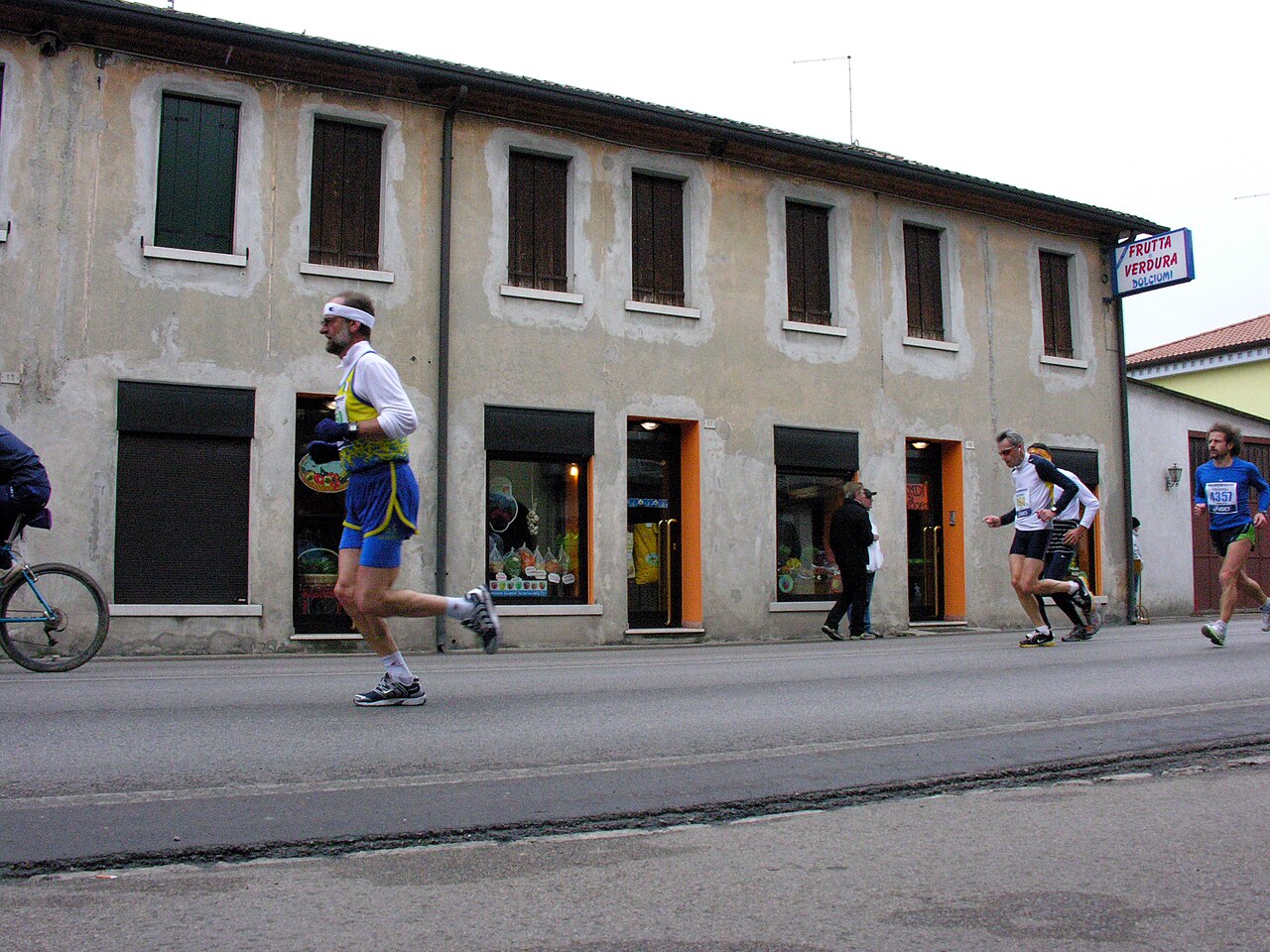
Official pacers are appointed by race organizers, usually as volunteers, and assigned a target time well within their ability. Marathon Handbook notes that a 4:00 group pacer might personally hold a 3:30 marathon best, which leaves enough reserve to monitor splits, answer questions, and stay calm when the race gets crowded.
The standards are tighter than most runners realize. At the 2026 London Marathon, pacers covered finish times from 2 hours 45 minutes all the way to 7 hours 30 minutes, BBC Sport reported.
Two-time London pacer Nina Farine-King explained the tolerances: pacers must be within a minute of their projected time at halfway, and at the finish no slower than 30 seconds off and no faster than a minute ahead of the target. She described the work involved: two watches, constant checks against course clocks, and heavy planning and training. Running fast is one challenge, she said; running accurately is another.
Do not confuse these public pacers with the elite pacemakers you see on television. The professionals setting tempo for the lead pack work for the elite field and often step off before the finish. The flag-carrying volunteers are there for everyone else, and they get medals too, just the same as everybody else, as Farine-King noted.
Races take the role seriously at scale. The 2026 Tata Mumbai Marathon fielded 32 pacers across its full marathon, half marathon, and 10K categories, with 13 covering the full marathon alone. Behind every one of those flags is a runner who chose precision over a personal best, so thousands of strangers can chase theirs.
Frequently asked questions
Do marathon pacers run the entire race?
Public pace-group pacers generally run the full distance to their advertised finish time. Elite pacemakers for professional fields are different: they set an early tempo and often drop out before the finish.
How do I pick the right pace group?
Choose a group slightly slower than your best realistic target, especially in your first marathon. Ask the pacer before the start whether they run gun time or chip time, and whether they plan to finish under the sign time.
Are marathon pacers paid?
Most are volunteers, experienced runners appointed by the organizer. The reward is usually race entry, kit, and the satisfaction of helping others hit their goals, plus a finisher medal like everyone else's.
What happens if a pacer misses their time?
Pacers work to strict tolerances, such as within a minute at halfway at the London Marathon. They are human, and weather, crowds, or race-day issues can throw off the plan, which is why experienced runners still track their own effort and splits as a backup.
The bottom line
Marathon pacers carry flags because a visible, moving target beats a watch in a crowd of thousands. They run evenly because even splits are the proven fastest way to finish a marathon, and because their job is precision, not personal glory.
Behind each flag is a volunteer running well inside their ability, checked against the clock to the minute, absorbing the mental load of pacing so the runners behind can just run. If you have a goal time, find the flag. That is what it is for.
Latest in Sports
- Why Do Tennis Players Grunt?
- Luka Doncic Drops 52 in Jazz Win
- Santos vs Palmeiras: Neymar Suspended
- Cameron Boozer Takes No.1 on Rookie Ladder
Subscribe to the Rive News newsletter for one clear sports explainer in your inbox every morning.
Image Credits: Wikimedia Commons / Enoch Lai, public domain; Wikimedia Commons / Sillyfolkboy
Related stories

Why Is Altitude Sickness Worse for Some People?
Altitude sickness hits some people harder because of genetics, ascent speed, and prior history, not fitness level. Here is what raises risk
Why Do You Get Blisters When Hiking and How to Prevent Them
Friction plus moisture plus heat equals a blister. Learn why hiking breeds all three, and the boots, socks, and tape system that keeps
How to choose hiking boots for beginners: fit, features, and break-in
Beginners should buy for fit first: snug everywhere, tight nowhere, with a thumb's width at the toes. Here is how to size, test,