
Why do runners get a side stitch? Causes and prevention
By Rive News / Research desk | Rive News / Published October 20, 2026 at 9:00 AM PKT
Key takeaways
- A side stitch is exercise-related transient abdominal pain, and about 70 percent of runners get one in any given year.
- The leading theory blames irritation of the parietal peritoneum, the thin lining around the abdominal cavity.
- Most stitches fade within 2 to 5 minutes with slower pacing, deep belly breathing, and firm pressure on the spot.
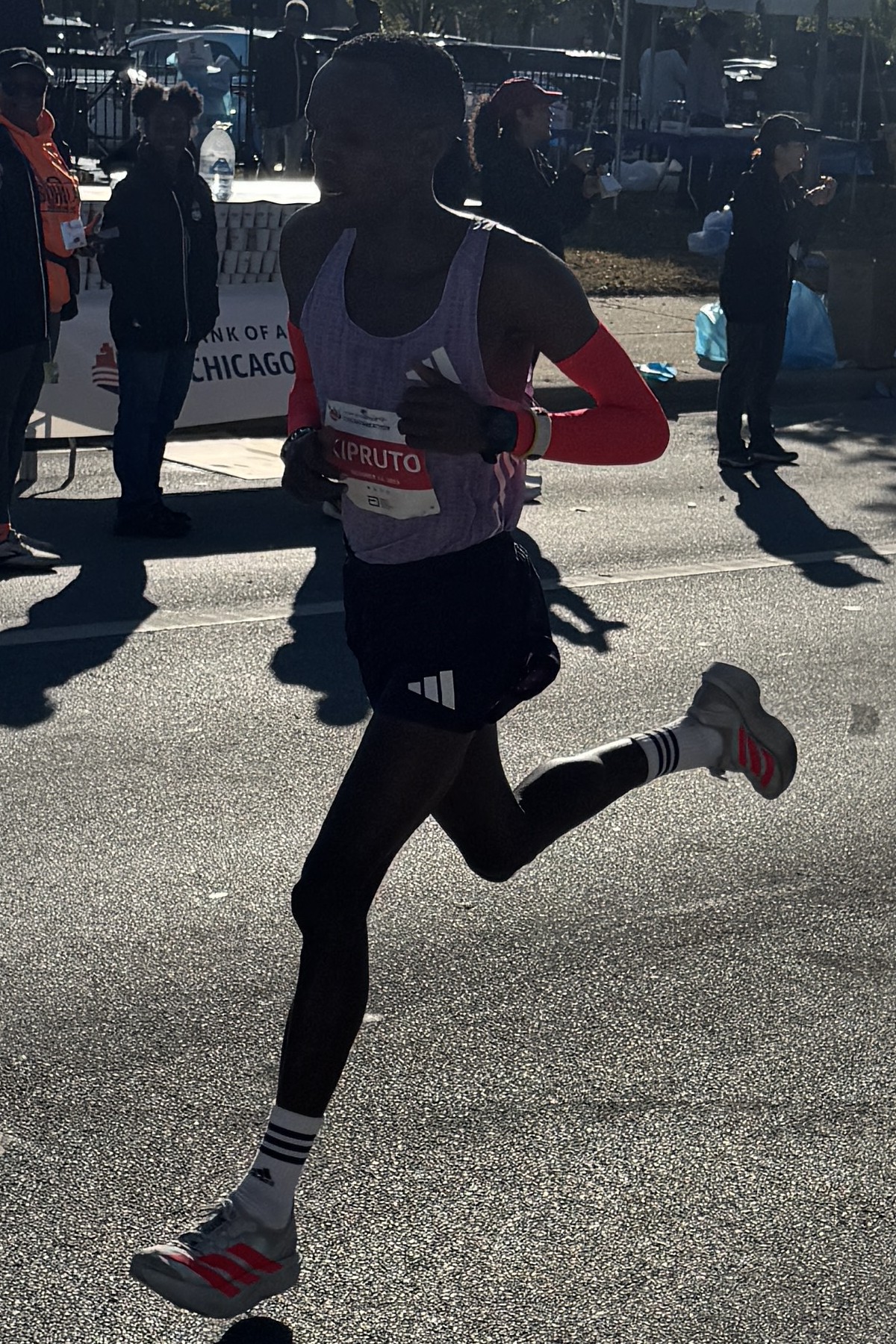
A marathon runner in full stride. Side stitches are most common during steady, rhythmic running.
Image Credits: Wikimedia Commons
A side stitch is the sharp, cramp-like pain that stabs just below the ribs while you run. It usually appears on the right side and can force even an experienced runner to slow down or stop.
Sports medicine gives it a formal name: exercise-related transient abdominal pain, or ETAP. Roughly 70 percent of runners experience one in any given year, according to clinical research summarized by SportCoaching.
This article explains side stitches, including what causes them, what happens inside the body, how to stop one mid-run, and how to prevent them.
What causes a side stitch
Despite decades of research, there is no single proven cause for every side stitch. Scientists have proposed several theories, and more than one may be true at the same time.
The most widely supported explanation today points to irritation of the parietal peritoneum. This is the thin lining around the abdominal cavity, and running jostles everything inside it. If you have recently eaten or drunk a lot, the stomach is heavier and tugs harder on nearby tissues, as Explain It Daily describes.
An older theory blames the diaphragm, the large breathing muscle under the lungs. Hard running forces the diaphragm to work intensely, and if breathing becomes shallow, the muscle fatigues and spasms. This idea explains some stitches but not all of them, according to the same source.
Several triggers make a stitch much more likely:
- Eating a full meal within 2 hours of running
- Drinking a large volume of fluid at once, especially sugary or fizzy drinks
- Starting the run too fast without a warm-up
- Shallow chest breathing instead of deep belly breathing
- Slouching or poor posture, which compresses the abdomen
Hypertonic beverages, such as concentrated juice and some sports drinks, are particularly likely to trigger stitches, SportCoaching reports. Beginners and runners returning after a break get stitches most often, but fast runners can get them too at high intensity.
What happens inside the body
A stitch usually shows up as a localized stabbing or aching pain just under the lower ribs, most often on the right side. It tends to arrive within the first 15 to 30 minutes of moderate-to-high intensity running, according to research cited by wellness researchers.
Some runners also feel a dull ache at the tip of the shoulder on the same side. This is referred pain from diaphragm irritation, traveling up the phrenic nerve that runs from the neck through the diaphragm. The shoulder itself is fine; the signal starts lower down.
The good news is that stitches are not serious. There is no evidence they cause lasting damage to muscles, organs, or the diaphragm. They are genuinely painful and can derail a training session, but they are a temporary mechanical problem, not an injury.
It helps to know that a stitch is not the same as a muscle cramp in the legs. Side pain while running comes from irritation around the abdomen and breathing muscles, while leg cramps involve the limb muscles themselves.
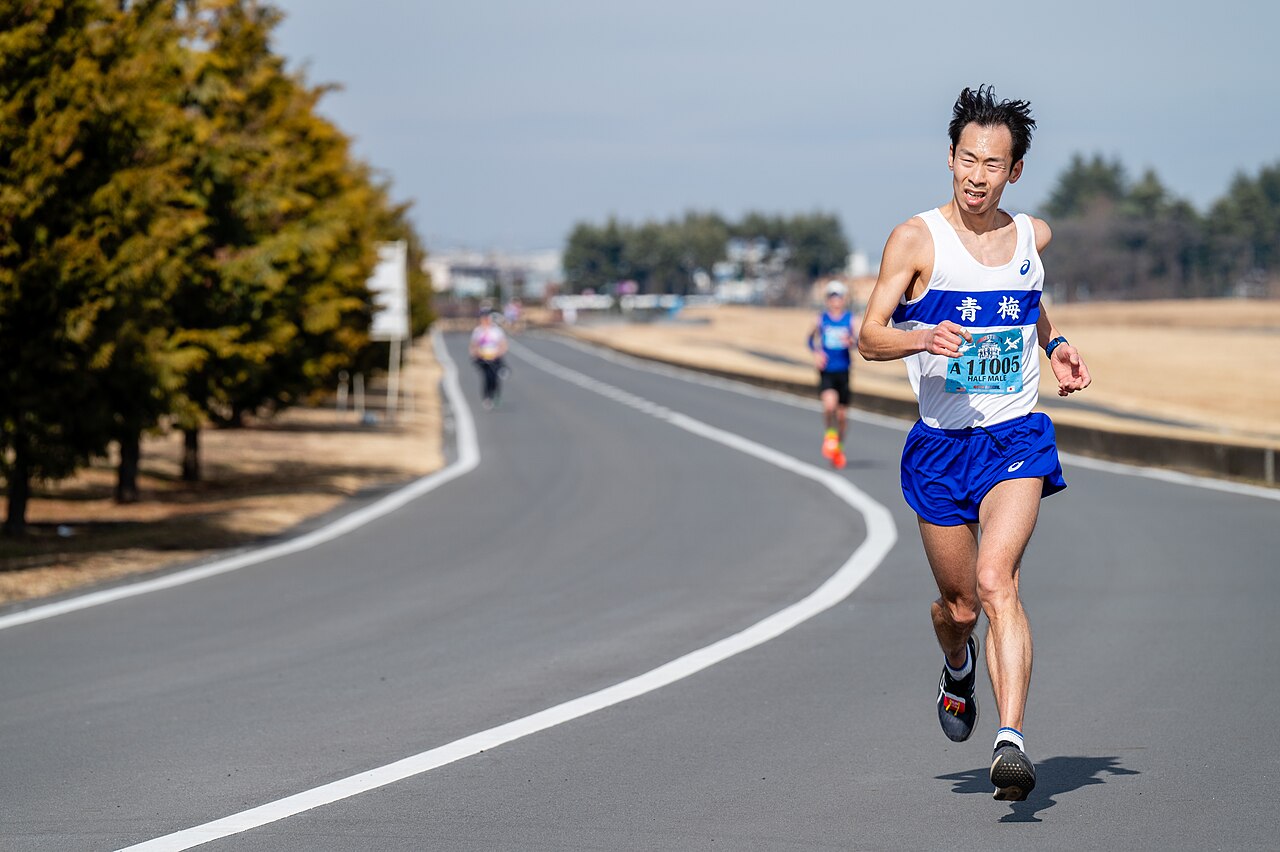
Runners competing in a half marathon. Stitches often strike in the first 15 to 30 minutes of a hard run.
Image Credits: Wikimedia Commons
How to stop a side stitch mid-run
Slowing down works faster than trying to run through the pain. Drop to a walk or an easy jog, then use one of these techniques.
First, switch to slow, deep belly breathing. Let your abdomen expand on each inhale rather than lifting your chest. This takes load off the diaphragm and calms the irritated tissues around it.
Second, press two fingers firmly into the painful spot for about 10 seconds while breathing steadily. The pressure changes the mechanical load on the abdominal lining, which is often enough to break the pain cycle.
Third, bend slightly forward while tightening your abdominal muscles. This posture shift alters how the organs tug on the lining, according to SportCoaching's summary of the research.
A fourth option is timing your exhale with your stride. Breathe out forcefully when the foot on the same side as the stitch hits the ground, using deep breaths. If the stitch is on the right, some runners find it helps to exhale as the left foot strikes instead, which interrupts the jarring rhythm.
You can also raise the arm on the affected side overhead and lean gently away from the stitch. This stretches the muscles around the rib cage and gives the diaphragm more room. Most stitches resolve within 2 to 5 minutes once you slow down and apply these fixes.
How to prevent side stitches
Prevention starts hours before the run, because meal timing is the biggest controllable factor.
- Leave 2 to 3 hours after a full meal before running.
- If you need to eat closer to a run, take a small, easily digested carbohydrate snack 30 to 60 minutes before, such as a banana, toast, or a small bowl of oats.
- Avoid high-fat and high-fibre foods in the 3 hours before running, since they slow stomach emptying.
- Skip concentrated juices, fizzy drinks, and very sugary sports drinks before and during runs.
- Sip fluids in small amounts rather than gulping a large volume at once.
What you eat before a morning race matters just as much as when you eat it. Light, familiar foods digest fastest.
A proper warm-up also helps. Start with a few minutes of easy jogging before picking up the pace. Going out hard from a standing start is a classic stitch trigger, especially in cold air.
Breathing mechanics deserve practice. During easy runs, rehearse deep diaphragmatic breathing so it feels natural when the pace rises. Core strength plays a role too: side planks with knee tucks can reduce stitch frequency by stabilizing pressure inside the abdomen.
Finally, watch your posture. Keep your torso tall and your shoulders relaxed rather than hunched. Good running form reduces the jostling that irritates the abdominal lining.
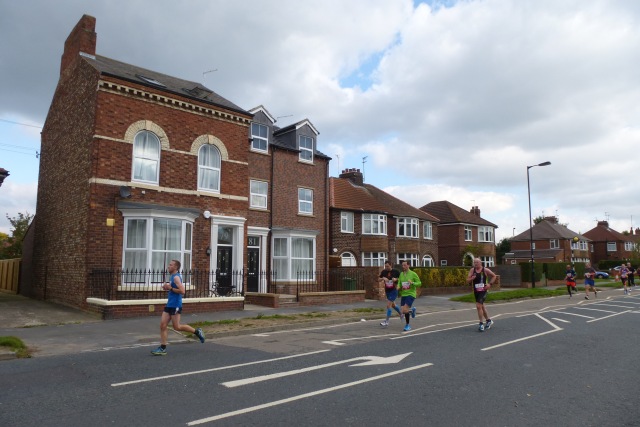
Runners in a city marathon. Warming up and pacing the early miles lowers the chance of a stitch.
Image Credits: Wikimedia Commons
Can a side stitch be dangerous?
No. Side stitches are temporary and harmless, with no evidence of lasting damage. See a doctor only if the pain lasts long after you stop exercising, appears without exercise, or comes with other symptoms like dizziness or chest tightness.
Why does the pain sometimes reach my shoulder?
Irritation of the diaphragm can refer pain upward along the phrenic nerve to the tip of the shoulder on the same side. SportCoaching notes this is a recognized pattern and does not mean your shoulder is injured.
Should I run through a side stitch?
Slowing to a walk or easy jog while using breathing and pressure techniques resolves a stitch faster than pushing through it. Once the pain eases, you can build the pace back up.
Does drinking water cause side stitches?
Water itself is not the main culprit. Large volumes drunk at once, plus sugary or carbonated drinks, are the triggers most linked to stitches. Sipping modest amounts is the safer approach, and plain water is fine for most runs under an hour.
The bottom line
A side stitch is a temporary irritation of the tissues around your abdomen, not a sign that something is broken. Slow down, breathe deeply from the belly, press the painful spot, and it usually fades within minutes.
The lasting fix is prevention. Time your meals, keep fluids modest and low in sugar, warm up, and breathe deeply. These small habits remove the most common triggers and let you run without interruption.
If stitches keep appearing despite these changes, keep a short log of what you ate, drank, and how fast you started each run. Patterns show up quickly, and a smart post-run stretching routine can help you review what your body tolerates.
Rive News is a research desk that turns sports science and clinical guidance into plain-English explainers for everyday athletes.
Latest in Sports
- What to do when you twist your ankle playing sport
- What to eat before a morning match or race
- Why footballers wear shin guards
Get one practical sports tip in your inbox every week: subscribe to the Rive News newsletter.
© 2026 Rive News. Published October 20, 2026.
Related stories

Why Is Altitude Sickness Worse for Some People?
Altitude sickness hits some people harder because of genetics, ascent speed, and prior history, not fitness level. Here is what raises risk
Why Do You Get Blisters When Hiking and How to Prevent Them
Friction plus moisture plus heat equals a blister. Learn why hiking breeds all three, and the boots, socks, and tape system that keeps
How to choose hiking boots for beginners: fit, features, and break-in
Beginners should buy for fit first: snug everywhere, tight nowhere, with a thumb's width at the toes. Here is how to size, test,