
How to Stay Warm Outdoors Without Bulky Clothing
Key takeaways
- Three thin layers beat one thick coat because each layer has a job: wick, insulate, and block wind.
- Skip cotton next to skin. It holds sweat, dries slowly, and leaves you cold.
- A windproof shell plus warm hands, feet, and head adds more warmth than extra bulk.

Staying warm outside is not about wearing the thickest coat you own. It is about managing heat and moisture with a few thin layers that each do one job well. A bulky coat traps you in one setting, and it often leaves you sweating on a climb and freezing at the next stop.
The system that outdoor guides use has three parts: a base layer that moves sweat away from skin, a mid layer that traps warm air, and an outer layer that blocks wind and rain. This article explains that system, including how to pick each layer, why fabric choice matters, and how to stay warm without feeling stuffed.
Why thin layers beat one heavy coat
Your body loses heat in several ways. Sweat cools you as it evaporates. Wind strips warm air away from your skin.
Cold surfaces pull heat through contact. A single heavy coat fights only one of those problems, and it cannot adapt when your effort changes.
Layers adapt. You can open a vent, drop a mid layer, or add a shell as the weather shifts. Thin layers also trap air between them, and trapped air is what insulates you.
Two thin insulating layers often hold more warm air than one thick garment, and they let you fine tune the fit.
The danger of getting this wrong is real. Hypothermia is a medical emergency that occurs when body temperature falls below 35 degrees Celsius, only 2 degrees below normal. Trekitt notes that a wet cotton shirt next to the skin speeds evaporative cooling and can push a cold, wet, windy day toward that danger zone.
Staying dry is as important as staying warm.
The base layer moves sweat away
The base layer sits against your skin. Its main job is to pull sweat outward so it can evaporate instead of cooling you from the inside. A good base layer fits snugly without constricting you, and it should have flat seams that do not rub under a pack.
Never wear cotton as a base layer. Cotton absorbs sweat, holds it, and dries slowly. That wet layer keeps cooling you long after you stop moving.
Both MEC and Trekitt give the same advice: cotton belongs nowhere near your skin in cold weather.
Two fabric families work well. Synthetics such as polyester and polypropylene dry fast, stretch well, and cost less than wool. They suit high output activities like trail running and ski touring.
Their weakness is odor, since they can hold body smell on multi day trips.
Merino wool is the other strong choice. MEC reports that merino can absorb up to 35 percent of its weight in moisture and still feel dry to the touch, because the moisture moves inside the fibers. Wool stays warm when damp, resists odor, and feels soft against skin.
It dries more slowly than synthetics and usually costs more. For hiking, hill walking, and travel, merino is hard to beat.
The mid layer traps warm air
The mid layer is the insulation. It traps the warm air your body produces and keeps moving moisture outward. Fleece is the classic choice.
It is light, breathable, and keeps insulating even when damp. Gridded fleece and high loft fleece trap warm air without adding bulk.
Thin insulated jackets are the low bulk alternative. Down gives remarkable warmth for its weight and packs down small. It loses much of its insulating value when wet, and it dries slowly.
Synthetic insulation costs less, dries faster, and keeps more of its warmth when damp, but it is heavier and bulkier for the same warmth. In wet climates, synthetic insulation is often the wiser pick.
Fit matters here. A mid layer should be roomy enough to sit over the base layer and allow full movement, yet snug enough that warm air does not pour out. Zippered vents help you dump heat on a climb without stripping a layer.
If you run hot, a vest as a mid layer keeps your core warm while your arms stay free.
The outer layer blocks wind and rain
The outer layer is your weather shield. It must block wind, shed rain or snow, and still let moisture escape from the layers beneath. A shell that seals moisture in will leave you damp from your own sweat, which defeats the point.
Hard shell jackets use waterproof breathable membranes and taped seams for full storm protection. They are the right call for rain, wet snow, and exposed ridges. Soft shell jackets trade some waterproofing for stretch, breathability, and comfort.
They handle cold, dry days and light precipitation well, and a soft shell can replace a mid layer plus shell combo in the right conditions.
Wind deserves special attention. A lightweight windproof layer adds a large amount of warmth for almost no weight or pack size. Worn over a base or mid layer, it stops the wind chill that strips heat away.
Trekitt points out that fleece alone is not wind resistant, so a fleece mid layer without a wind blocking shell can feel cold in a gusty breeze.
Warm the parts people forget
Hands, feet, and head lose heat fast, and cold extremities make a whole outing feel miserable. A beanie under a hood is a layering system on its own. A polyester or wool hat traps heat while the hood adds rain protection.
Gloves benefit from layering too. Thin liner gloves under waterproof mitts or heavier gloves trap air and protect against frostbite. Liners also let you keep some dexterity when you need to use a phone, a map, or a zipper.
Feet need wool socks and waterproof boots. Wool socks keep insulating when damp, and a dry pair in your pack can rescue a long day. Avoid cotton socks for the same reason you avoid cotton base layers.
For long walks, the same care that prevents cold also prevents blisters on walks, since dry feet blister less than wet ones.
Dress for the effort, not the parking lot
The most common layering mistake is dressing for the coldest moment of the day and then overheating. You feel warm standing still, then you start moving, sweat builds, and you cool rapidly at the first stop. The fix is to start slightly cool and add a layer when you rest.
Use vents and zippers before you strip layers. Open pit zips, unzip the shell, and push sleeves up for a few minutes. When you stop for a break, put the insulation layer on at once, before you feel cold.
Carrying a packable insulated jacket for stops is one of the highest value moves in cold weather, even in summer in the mountains.
Food, water, and pace matter too. Your body burns fuel to make heat, so eat regularly and drink water through the day. Dehydration and low energy make you feel colder.
Slow your pace on steep climbs so sweat stays manageable, and keep moving gently at rest stops instead of standing still in the wind.
A slim kit for a cold day out
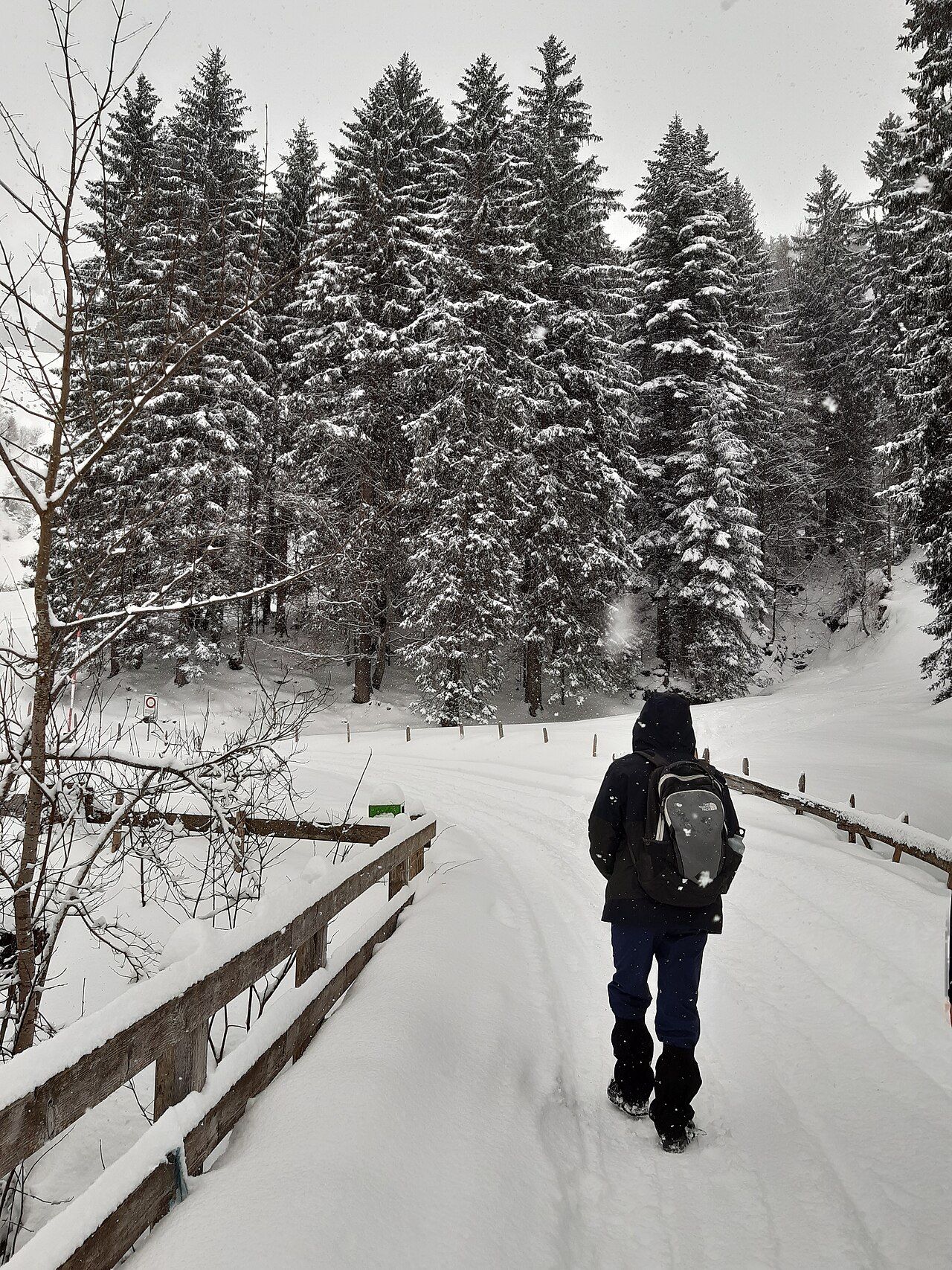
You do not need a closet full of gear to stay warm without bulk. A practical kit for a cold day hike or a winter city outing looks like this.
- Merino or synthetic base layer top, plus base layer leggings in real cold.
- One thin insulating mid layer, such as gridded fleece or a packable insulated jacket.
- A windproof and water resistant shell that fits over both.
- A beanie, liner gloves plus warm gloves, and wool socks.
- A spare dry pair of socks and one extra insulation layer in your pack.
Check the fit of the whole system at home. Raise your arms, bend, and twist. Nothing should ride up, bind, or gap at the waist.
If you cannot move freely, change the pieces, not the number of layers. For runners, the same thin layer logic works on the trail, and it pairs well with choosing between trail running and road running for the right shoes and shell.
Do I need all three layers every time?
No. On mild days, your shell might be a light wind jacket, or you might skip the mid layer. Think in functions, not in item counts, and match the layers to the weather and your effort.
Is cotton ever fine in cold weather?
Cotton is fine for short trips in dry, calm weather. For long, cold, or wet days, merino or technical fabrics work far better next to skin because they dry faster and keep insulating when damp.
What if I sweat a lot?
Choose a fast drying synthetic base layer, use vents early, and slow your pace on climbs. At rest stops, add insulation at once so sweat does not chill you.
Down or synthetic insulation?
Down wins on warmth for weight and pack size in dry cold. Synthetic wins in wet weather, costs less, and keeps more warmth when damp. Pick based on the forecast, not the brand.
How do I stay warm while standing still?
Add your insulation layer before you cool down, cover your head and hands, and keep your feet dry. A warm drink and a snack help your body keep producing heat.
The bottom line
Warmth without bulk comes from a system, not a single heavy coat. A sweat moving base layer, a thin insulating mid layer, and a windproof, breathable shell cover the three jobs that matter. Skip cotton next to skin, protect your head, hands, and feet, and adjust layers as your effort changes.
With that kit, you can stay warm, keep moving, and skip the stuffed feeling entirely.
Tags: cold weather, layering, outdoor gear, winter
Latest in Sports
- Stay safe swimming in open water
- Prevent blisters on walks
- Improve stamina for football without a gym
Subscribe for weekly outdoor guides that keep you comfortable outside in every season.
Related stories

Why Is Altitude Sickness Worse for Some People?
Altitude sickness hits some people harder because of genetics, ascent speed, and prior history, not fitness level. Here is what raises risk

Why Do You Get Blisters When Hiking and How to Prevent Them
Friction plus moisture plus heat equals a blister. Learn why hiking breeds all three, and the boots, socks, and tape system that keeps

How to choose hiking boots for beginners: fit, features, and break-in
Beginners should buy for fit first: snug everywhere, tight nowhere, with a thumb's width at the toes. Here is how to size, test,