
How to prevent blisters on long walks without pain
Key takeaways
- Blisters form when friction and moisture work together, so dry feet and a good shoe fit stop most of them.
- Moisture-wicking socks, broken-in shoes, and tape on known hot spots are the three moves that matter most.
- Stop at the first hot spot, dry the skin, and cover it, since a blister is far easier to prevent than to treat.
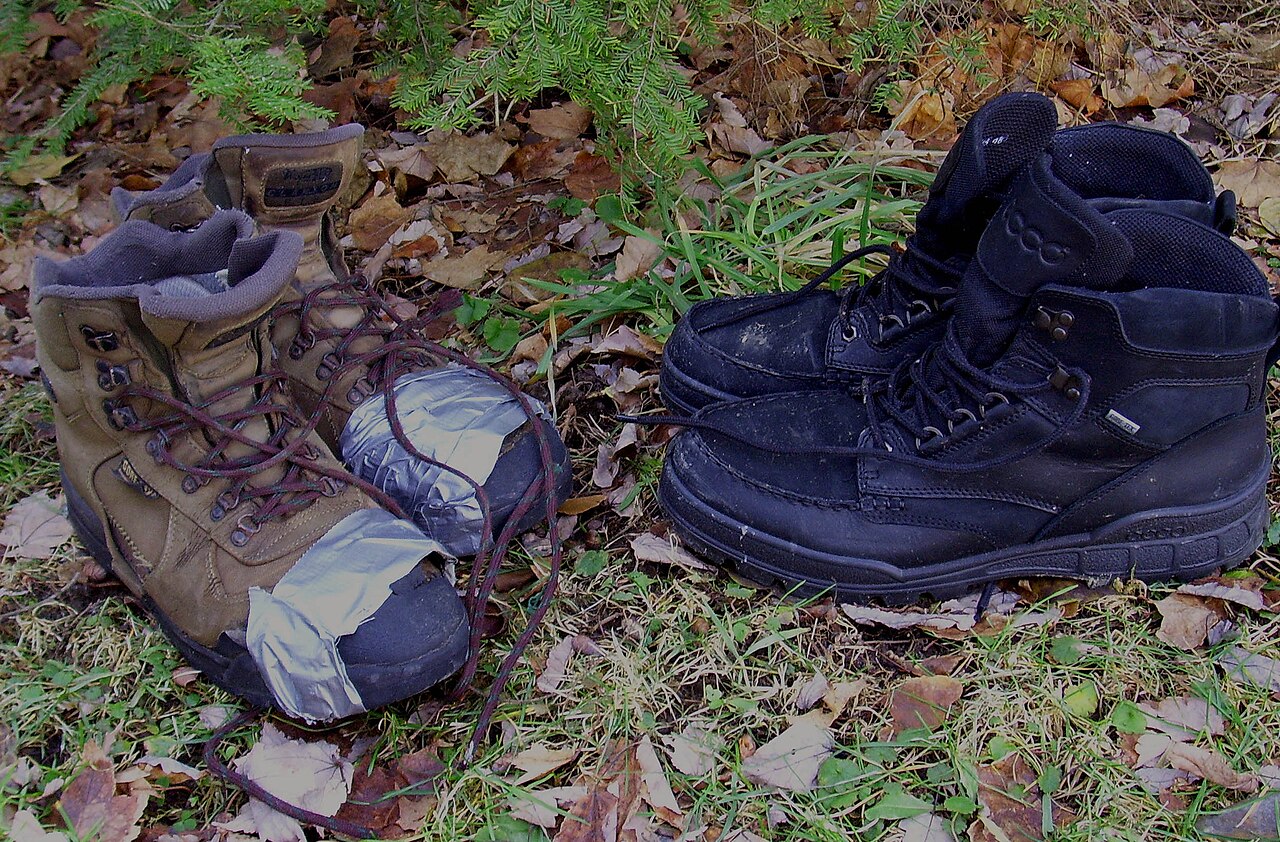
A blister is a small pocket of fluid that forms when layers of skin separate under repeated rubbing. On a long walk, the rubbing comes from a shoe, a sock seam, or a wrinkle in a sock. Moisture makes it worse, because damp skin softens and rubs raw faster than dry skin.
That mix of friction and moisture is the whole story behind most walking blisters.
The good news is that blisters give a warning. The sore, warm patch called a hot spot shows up before any fluid forms. This article explains how to prevent blisters on long walks, including shoe fit, sock choice, taping, and what to do the moment a hot spot appears.
Why blisters form
Friction is the trigger. When a shoe slips against the foot, or a sock bunches and drags, the outer skin and the layers beneath it move out of sync. That shear force tears the connection between skin layers.
The body then fills the gap with fluid to protect the deeper tissue and help it heal.
Moisture speeds the process up. Sweat, rain, and stream crossings all soften the skin. Cotton socks hold that moisture against the foot, which is why so many blister guides single them out.
A damp sock also wrinkles and bunches more easily, adding fresh rubbing points with every step.
Get the fit right before the walk
Shoes should hold the heel still while leaving room for the toes. One hiking guide describes the target as a thumb's width of room at the toe and zero slip at the heel. That gap leaves space for swelling without letting the foot slide around inside the shoe.
Laces should feel snug but not tight, and you should be able to wiggle your toes.
Break new shoes in before any long walk. Wear them around the house and on short walks for a few days first, so the material molds to your foot and stiff spots soften. Popular Science notes that heavy leather boots are usually harder to break in and more likely to cause blisters than lighter, more flexible footwear.
If you are prone to blisters, lightweight boots or trail runners may suit you better.
Sizing matters more than brand. For new hiking shoes, Popular Science reports the general advice to choose footwear half a size larger than your normal size. Feet swell on long walks, and a shoe that fits in the shop can turn tight by mile eight.
The safest move is to have your feet measured and to try shoes on with the socks you plan to walk in. Cold weather adds another layer to fit, since thick socks change the fit, and a guide to staying warm outdoors without bulky clothing covers that balance.
Choose socks that keep feet dry
Socks are the layer that sits against your skin, so they matter as much as shoes. Choose socks made from merino wool or synthetic, moisture-wicking material. These fibers pull sweat away from the skin and dry faster than cotton.
Cotton holds moisture against your foot and stays damp, which raises friction all day.
Fit matters in socks too. Oversized socks bunch and rub, and the extra fabric creates ridges that grind against the skin. Choose socks that fit your foot without wrinkles, and turn them inside out to check for thick seams before a long walk.
Seamless or flat-seam socks reduce one more rubbing point.
Liner socks add a second layer of defense. A thin liner sock under a hiking sock lets the two sock layers rub against each other instead of against your skin. The friction moves to the fabric-to-fabric layer, which spares your foot.
Many long-distance walkers use this two-sock system on multi-day trips, and it also helps on a single long day.
Tape hot spots before they start
If you know where your blisters usually form, cover those spots before you start walking. The usual sites are the heels, the side of the big toe, and the ball of the foot. Kinesiology tape, leukotape, or moleskin all work as a barrier layer.
The tape takes the rubbing so your skin does not have to.
Apply tape to clean, dry skin. Smooth it down well and round the corners so it does not peel up inside the sock. The patch should extend past the problem area on all sides, since edges that end right on a rubbing point can roll up and make things worse.
Test the tape on a short walk first so you learn how it holds up with sweat.
Board-certified dermatologist Anthony Rossi, quoted by the American Academy of Dermatology, summed up the approach this way: prevention is really the key when it comes to blisters. His advice starts with paying attention to your skin and taking precautions before a long stretch of walking, running, or other activity.
The mid-walk routine that saves feet
Stop at the first sign of trouble. A hot spot feels warm, sore, or tender, and it means friction is already damaging the skin. Robin Larson, wilderness medicine program supervisor at the National Outdoor Leadership School, told Popular Science that walkers should stop immediately when they feel a hot spot.
Finding the cause, a seam, debris, or a loose sock, takes a minute and saves the day.
Take your shoes and socks off and let the feet dry for about five minutes. Dump out any grit from the shoes and smooth out sock wrinkles. Cover the hot spot with tape, moleskin, or a blister bandage before you put your shoes back on.
One hiking guide suggests about five minutes of foot maintenance every two hours on long days, which is a small price for feet that last the whole walk.
If a blister forms anyway
Leave an intact blister alone when you can. The unbroken skin, called the roof, is the best protection against infection. Pad around it with a moleskin donut, a ring of padding with a hole in the middle, so shoes and straps do not press directly on the blister.
Cover the area with a bandage or tape and keep walking gently if you must.
Do not tear or peel the roof away. Popular Science quotes Larson warning that tearing it creates a bigger wound with a greater risk of infection. The American Academy of Dermatology gives similar advice: avoid popping or draining a blister, since that can lead to infection.
If a blister is large and very painful, draining may be needed, but it calls for clean hands, a sterilized needle, and a small puncture at the edge, with the skin flap left in place.
Keep the area clean and covered after any draining. Wash with soap and water, apply petroleum jelly, and cover with a bandage. Watch for signs of infection such as spreading redness, pus, increased pain or swelling, warmth, or fever.
This article is for general information, not medical advice. See a clinician if you notice those signs, or if you have diabetes, since even small foot wounds need prompt care in that case.
Most blisters heal on their own in one to two weeks, according to the dermatology guidance. Do not resume the activity that caused the blister until it has healed. Walking on a fresh blister day after day keeps reopening it and stretches out recovery.
Pack a small blister kit
A pocket-sized kit turns a hot spot into a two-minute fix instead of a ruined walk. Pack it for any walk longer than a couple of hours, and keep it in the same place in your pack so you can find it without unpacking.
- Two pairs of moisture-wicking socks, one liner pair and one hiking pair
- A roll of kinesiology tape or leukotape
- A sheet of moleskin and scissors, or pre-cut moleskin donuts
- Two hydrocolloid blister bandages
- A small needle and alcohol wipes, only for blisters that must be drained
- A zip bag for damp socks, so they do not soak the rest of your pack
Build up distance gradually
Feet adapt to walking, but they need time. Jumping from short strolls to a full-day hike is a classic way to earn blisters, even in good shoes. Add distance over several weeks so skin toughens and you learn where your feet rub.
The same gradual build-up helps with stamina for football and gym training, where the body adapts to a load it meets often.
Do liner socks really help?
Yes, for many walkers. A thin liner under a hiking sock moves the rubbing to the layer between the two socks instead of against your skin. Try the combination on a short walk before trusting it on a long one.
Should I pop a blister before a long walk?
No, not if you can avoid it. The intact roof protects the raw skin underneath and lowers infection risk. Pad around it with a moleskin donut and cover it instead.
Drain only a large, painful blister, using clean technique and keeping the skin flap in place.
What tape works best on hot spots?
Kinesiology tape, leukotape, and moleskin all work when applied to clean, dry skin. Kinesiology tape is breathable and flexible, leukotape sticks hard, and moleskin adds padding. Pick the one that stays put on your skin through sweat, and carry spares.
When should I see a doctor about a blister?
See a clinician if you notice spreading redness, pus, increasing pain or swelling, warmth, or fever. People with diabetes should get prompt care for any foot wound, even a small one.
The bottom line
Preventing blisters is mostly preparation: broken-in shoes that hold the heel, moisture-wicking socks, and tape on the spots that always rub. On the walk, stop at the first hot spot, dry the skin, and cover it. That five-minute pause is the cheapest blister treatment there is.
Tags: walking, hiking, foot care, blister prevention
Latest in Sports
- How to stay safe swimming in open water
- How to learn to swim as an adult without embarrassment
- How to improve stamina for football and the gym
- Trail running versus road running
Subscribe for one practical outdoors guide each week.
Related stories

Why Is Altitude Sickness Worse for Some People?
Altitude sickness hits some people harder because of genetics, ascent speed, and prior history, not fitness level. Here is what raises risk

Why Do You Get Blisters When Hiking and How to Prevent Them
Friction plus moisture plus heat equals a blister. Learn why hiking breeds all three, and the boots, socks, and tape system that keeps

How to choose hiking boots for beginners: fit, features, and break-in
Beginners should buy for fit first: snug everywhere, tight nowhere, with a thumb's width at the toes. Here is how to size, test,