
What Is the Difference Between Trail Running and Road Running?
Key takeaways
- Road running is steady and measurable, while trail running is variable and effort-based.
- Trail runners typically run 1 to 3 minutes per mile slower than on roads.
- Trail shoes trade cushioning for grip, protection, and a stable platform.
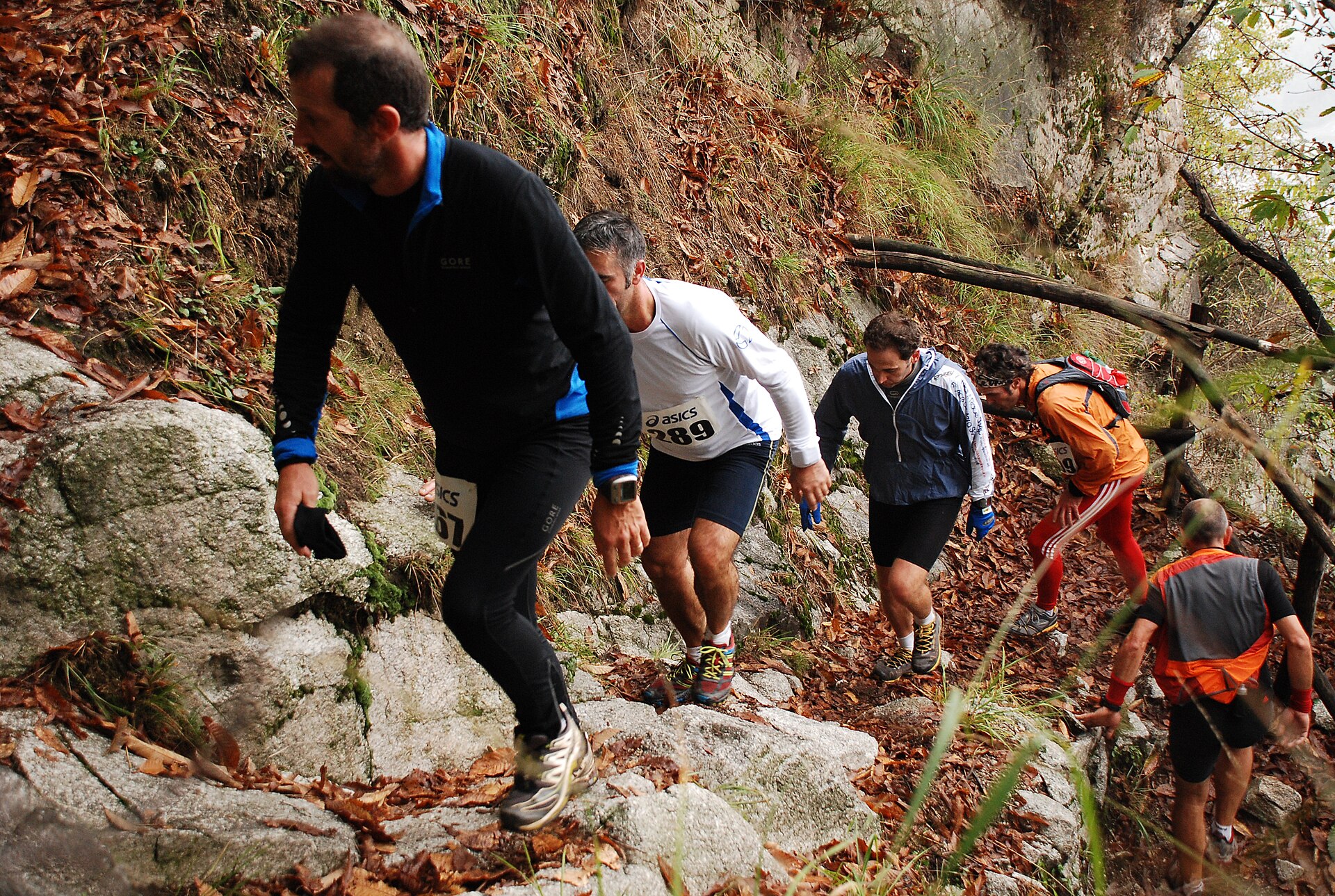
Road running takes place on pavement, paths, and treadmills, where the surface stays smooth and predictable. Trail running takes place on dirt, gravel, roots, rocks, and mud, where the surface changes with every step. The two styles look similar from a distance, yet they ask different things of the body, the mind, and the gear.
This article explains the difference between trail running and road running, including surface and effort, pace, muscles and injury patterns, shoes, gear and logistics, and which style fits which runner.
The core difference is the surface
Road running is about consistency. The same surface, the same footing, and a repeatable effort let a runner hold a precise pace and compare one session with the next. Trail and Kale calls this the core difference: road running gives measurable pace and repeatable effort, while trail running makes pace largely irrelevant and effort the honest measure.
Trail running is about variability. Packed dirt gives way to loose gravel, tree roots, wet rock, steep climbs, and technical descents. The runner must read the ground constantly and adjust stride, balance, and speed.
A route that looks short on a map can feel long when it climbs and twists.
That variability changes the mental load too. Road running lets the mind wander or lock onto a workout. Trail running demands attention to footing, which many runners describe as absorbing.
The two styles complement each other better than most people expect before they try, as Trail and Kale notes.
Pace and effort work differently on trails
A trail runner should not judge a trail run by road pace. Trail and Kale reports that runners typically run 1 to 3 minutes per mile slower on trails than on roads, depending on how technical the terrain is. A 7 minute per kilometer trail run can feel harder than a 5 minute per kilometer road run.
The reason is effort, not fitness. Hills, soft ground, and constant balance work raise heart rate even at slow speeds. Trail runners therefore plan by time and effort rather than pace.
A two-hour trail run is a two-hour trail run, whatever distance it covers.
Road running suits structured training. Intervals, threshold runs, and tempo efforts need a predictable surface where pace stays honest. Trail running suits long efforts, strength building, and days when the goal is time on feet rather than a split.
What each style does to the body
Trail running recruits more muscle than road running at the same effort. The constant micro-adjustments on uneven ground activate stabilizing muscles in the ankles, knees, hips, and core that road running largely bypasses. Steep climbs load the glutes and hamstrings, and technical descents demand eccentric quad strength that many road runners find they lack.
Calorie burn follows the same pattern. Trail and Kale puts trail running at typically 10 to 20 percent more calories than road running at equivalent effort, because of extra muscle recruitment, elevation change, and stabilization work.
Runners who want to build stamina can pair either style with gym work that improves stamina for football, since the same conditioning carries over to running. The gap grows on steep or technical terrain.
Injury patterns differ as well. Road running repeats the same impact thousands of times per run on an unyielding surface. That repetition drives common overuse injuries such as IT band syndrome, shin splints, plantar fasciitis, and stress fractures.
Trail running spreads the load across more muscle groups and softer ground, which lowers overuse risk.
The trade-off is acute injury risk. Roots, rocks, uneven camber, and loose surfaces raise the chance of ankle rolls, trips, and falls. Good technique and proper footwear reduce that risk a great deal.
Runners with recurring overuse injuries often find that adding trail miles helps, while runners returning from an ankle sprain should rebuild carefully.
Blisters can trouble runners in both styles, and our guide on how to prevent blisters on walks covers the basics that apply to running too.
Shoes: grip and protection versus cushion and speed
Shoes show the clearest difference between the two styles. REI Expert Advice, written by Joe Pasteris, breaks the contrast into three parts: outsoles, midsoles, and uppers.
Trail outsoles carry bigger, softer lugs that dig into dirt and grip wet rock. Lug depth varies with terrain, from shallow lugs near 2 to 3 mm for mixed surfaces to deeper lugs of 4 to 6 mm or more for technical mountain ground. Road outsoles stay flatter and smoother, which gives a stable, consistent contact patch on pavement and lasts longer under friction.
Trail midsoles run stiffer, which creates a stable platform on uneven ground. Many trail shoes add a rock plate, a thin rigid layer that shields the foot from sharp rocks. Road midsoles use softer cushioning to absorb the pounding of pavement, and some add posts or bars to control inward or outward roll.
Trail uppers are tougher. Reinforced overlays guard the toes, heels, and sides against rocks, roots, and sticks. Some trail shoes add lace pockets so loops cannot snag, and gaiter attachment points to keep debris out.
Road uppers use more mesh, which keeps the shoe lighter and more breathable.
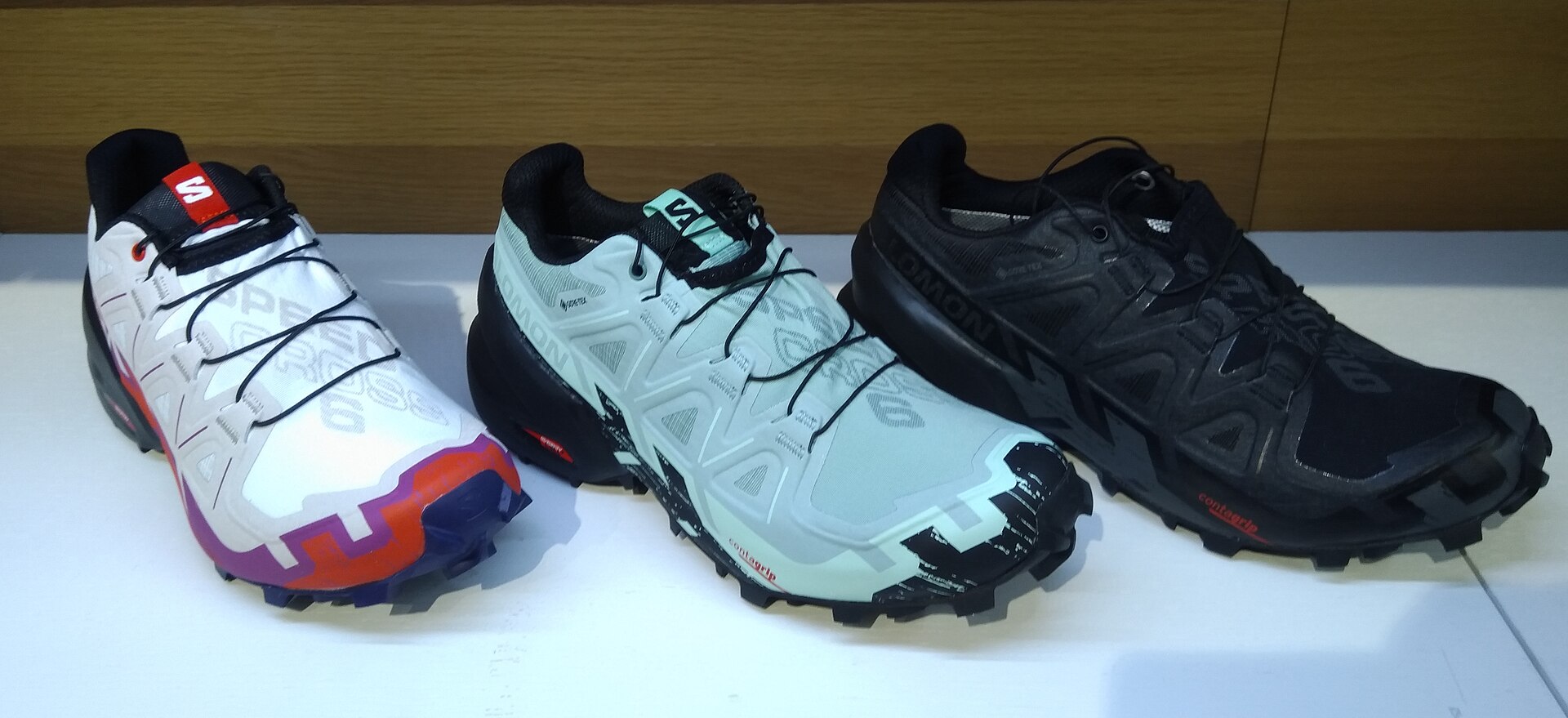
Fleet Feet adds that the softer rubber on trail shoes wears out faster on hard pavement.
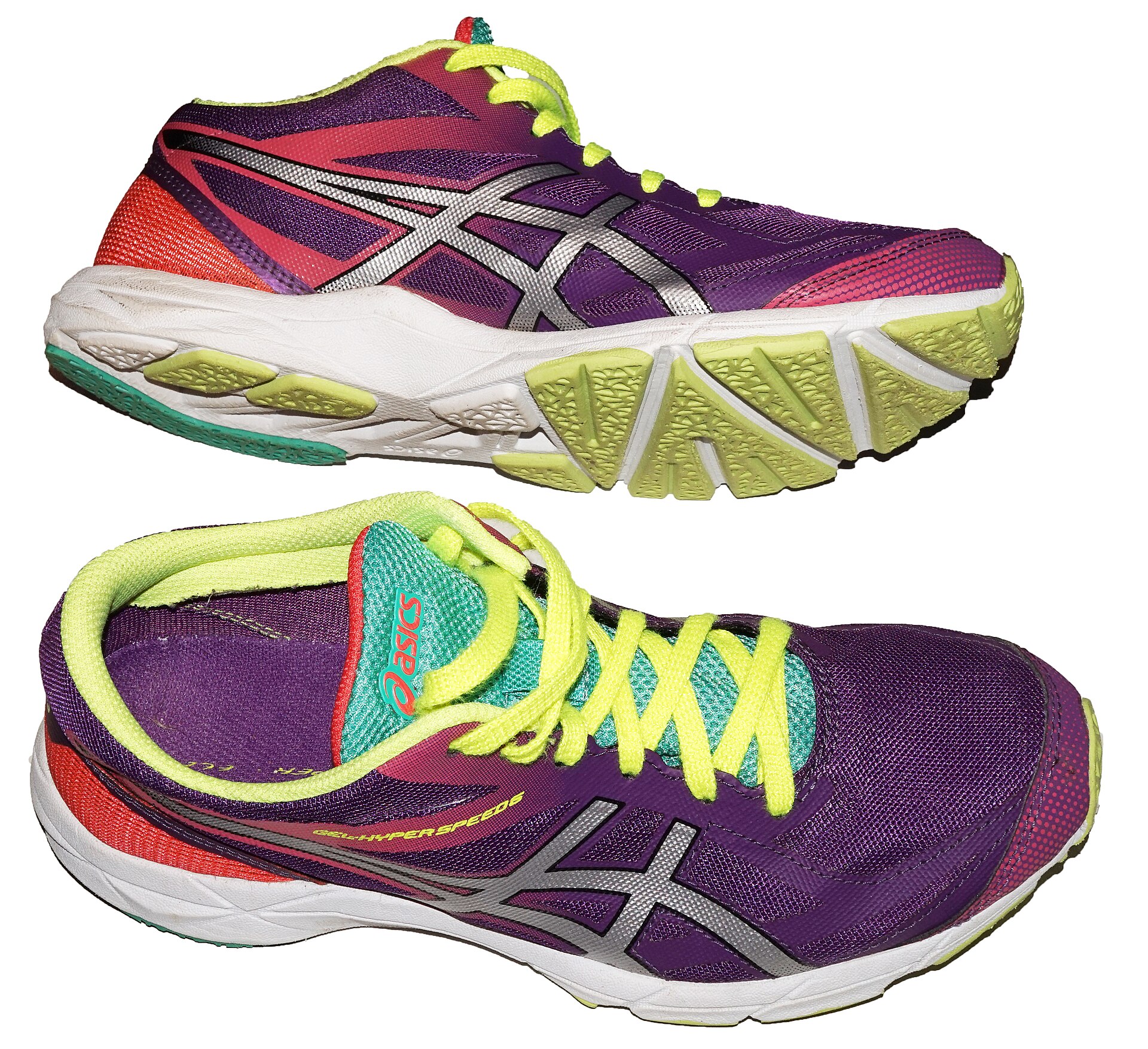
That is why trail shoes belong on trails, and road shoes belong on roads, even though each can handle the other surface in a pinch.
Can you swap shoes between surfaces?
On smooth, dry, well-kept trails, road shoes work. On wet, rooted, loose, or technical ground, their lack of grip becomes a real hazard, and they offer no shield against sharp rocks. Trail shoes handle road sections, but deep lugs feel clumsy on tarmac and wear down faster.
A road-to-trail hybrid suits runners whose routes mix both surfaces. Shallow lugs roll well enough on pavement and still bite on dirt. Runners who split time evenly between surfaces often end up with one pair of each, or a hybrid for mixed days.
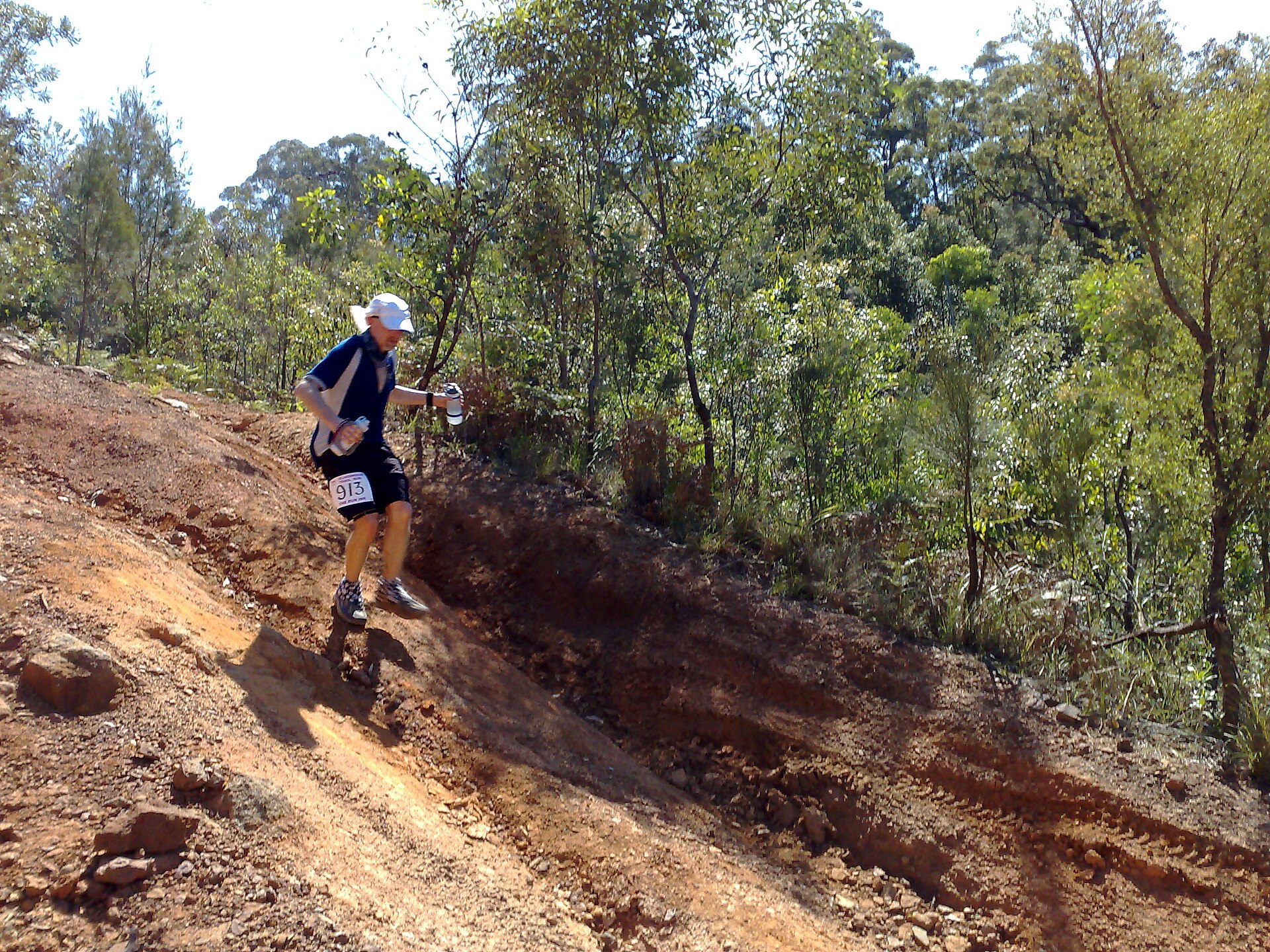
Gear and logistics beyond shoes
Road running asks little beyond shoes. Most runners can step out of the front door and run. Trails ask for more planning.
Water comes first. Trail and Kale notes that a hydration vest becomes essential beyond about an hour on terrain without facilities. Roads usually offer fountains, shops, or a short loop home.
Navigation matters too. Roads have signs and familiar landmarks. Trails branch, fade, and cross unmarked ground, so a GPS watch or a phone with offline maps earns its place.
Runners should also tell someone the planned route and return time, especially on remote trails.
Safety kit scales with remoteness. A light layer, a charged phone, and a little food cover most day runs. Longer mountain routes add rain protection, a headlamp, and extra water.
Layering well matters up high, as covered in our guide on how to stay warm outdoors without bulky clothing.
Road runners face traffic instead, so bright clothing and a lit route matter more there.
Which style should you choose?
Start with road running if you are new to running and want to build a base without adding terrain complexity. Structured training, pace-based progress, and easy access all favor roads. Most runners begin there, and many stay there happily.
Add trail running if overuse injuries keep returning, if you want more variety, or if you want the full-body strength that roads alone rarely build. Start on gentle, well-marked trails in shoes with real grip. Walk the steep or technical parts without shame.
Every experienced trail runner walks.
Run both if you can. Road sessions build speed and structure. Trail sessions build resilience, strength, and balance.
The mix keeps training fresh and spreads the physical load across the whole body.
Frequently asked questions
Is trail running harder than road running?
It depends on the measure. Trail running is slower and more demanding per mile, with more muscle work and more focus. Road running is harder in pace discipline and repetitive impact.
Most runners find trails harder at first and more enjoyable once they adapt.
Does trail running burn more calories than road running?
Yes, typically 10 to 20 percent more at the same effort, according to Trail and Kale. The extra cost comes from muscle recruitment, hills, and constant stabilization on uneven ground.
Is trail running better for your knees?
For overuse injury reasons, generally yes. Variable surfaces and softer ground cut the repetitive impact behind many road-running knee problems. Acute injury risk is higher on technical terrain, but footwear and technique cut that risk.
Do I need trail shoes for my first trail run?
If the trail is smooth, dry, and well kept, road shoes will do. If it is muddy, rocky, rooted, or steep, trail shoes with real lugs make the run safer and far more pleasant. Borrow or rent a pair before buying if you want to test the idea.
The bottom line
Trail running and road running share a stride but little else. Roads reward steady pace, precise training, and soft cushioning. Trails reward attention, strength, and grip, and they charge a slower pace for the exchange.
Try both, match the shoe to the ground, and let time and effort, not pace alone, judge a trail run.
Tags: running, trail running, road running, training
Latest in Sports
- How to learn to swim as an adult without embarrassment
- How to stay warm outdoors without bulky clothing
- How to prevent blisters on walks
Subscribe for one practical training guide each week.
Related stories

Why Is Altitude Sickness Worse for Some People?
Altitude sickness hits some people harder because of genetics, ascent speed, and prior history, not fitness level. Here is what raises risk

Why Do You Get Blisters When Hiking and How to Prevent Them
Friction plus moisture plus heat equals a blister. Learn why hiking breeds all three, and the boots, socks, and tape system that keeps

How to choose hiking boots for beginners: fit, features, and break-in
Beginners should buy for fit first: snug everywhere, tight nowhere, with a thumb's width at the toes. Here is how to size, test,