
Apple HomeView brings a smart screen to your home: price and date
Key takeaways
- Apple HomeView costs $299. It goes on sale November 13, 2026.
- It is a 7-inch smart screen. It controls lights, locks, cameras, and more.
- It knows up to six people by face. Each person gets a private screen.
Apple has a new smart home hub. It is called HomeView. It costs $299.
Pre-orders opened on October 13. It reaches stores on November 13. It is a small screen for your home.
It plays music. It makes video calls. It controls lights, locks, and cameras.
What happened
Apple showed HomeView at its Welcome Home event. The event took place on October 13 in New York City. Apple says HomeView is the center of the home.
It is also personal to each user.
The price and the date
Both versions cost $299 in the U.S. Pre-orders started on October 13. Both models reach stores on November 13. Apple will sell it in eight countries at launch.
They are the US, Canada, the UK, Australia, India, New Zealand, Singapore, and South Africa. It will not sell it in the European Union. Apple says Siri AI is not yet in iOS in the EU.
Two versions
HomeView comes in two shapes. One sits on a table or counter. It has a speaker base and a tilt hinge.
The other mounts on a wall. The table version comes in four colors. They are silver, starlight, rose pink, and space gray.
The wall version comes in two colors. They are silver and space gray. The wall version needs a mount from Schneider Home.
Mounts start at $59.95. A wired power mount starts at $79.95. A third mount arrives in early 2027.
It costs $129.95.
What it can do
HomeView has a 7-inch Liquid Retina display. It runs on the A18 chip. It has a new voice helper called Siri AI.
You can talk to it. You can also tap the screen.
It controls your smart home. You can check camera feeds. You can change the heat.
You can turn lights on and off. You can lock doors. You can close blinds.
A Home Camera view can show up to nine video feeds at once. That helps you watch pets or parcels at the door.
It is also a hub for fun. It plays Apple Music with animated art and words on screen. It plays podcasts, news, and Apple TV shows.
It works with some third-party audio and video apps. You can move music from your iPhone to HomeView. Apple calls this Handoff.
You can link more than one HomeView for music in each room.
It helps you stay in touch. You can make FaceTime calls. The camera keeps you in frame as you move.
Apple calls this Center Stage. Engadget reports a 12MP front camera. You can read and answer texts by voice or on screen.
Intercom sends a quick voice note to one room or the whole house. In the kitchen, it can turn web recipes into steps. It can run hands-free timers for you.
The screen shows faces that change what you see. A Photos face turns it into a photo frame. A Flow face reacts to movement in the room.
A Snoopy face shows the time, weather, and sports. The screen shifts with your distance. It shows big, simple info from far away.
It shows more detail as you step closer. It stays bright in sunlit rooms. It can dim to 0.3 nits at night.
HomeView also sounds strong. Two drivers in the display keep sound crisp. A woofer in the base adds bass.
Apple says it fills the room with sound. The wall version tunes its sound for wall use.
Why it matters
One screen for the whole home
Many homes now have smart gear. But the gear sits in many apps. That can feel messy.
HomeView puts the controls in one place. You speak or tap. The home responds.
Apple is late to this race. Amazon and Google already sell smart screens. Engadget calls HomeView Apple's answer to the Echo Show and Nest Hub.
Apple now has its own screen. It links the screen to Apple phones and other Apple gear.
A screen that knows who you are
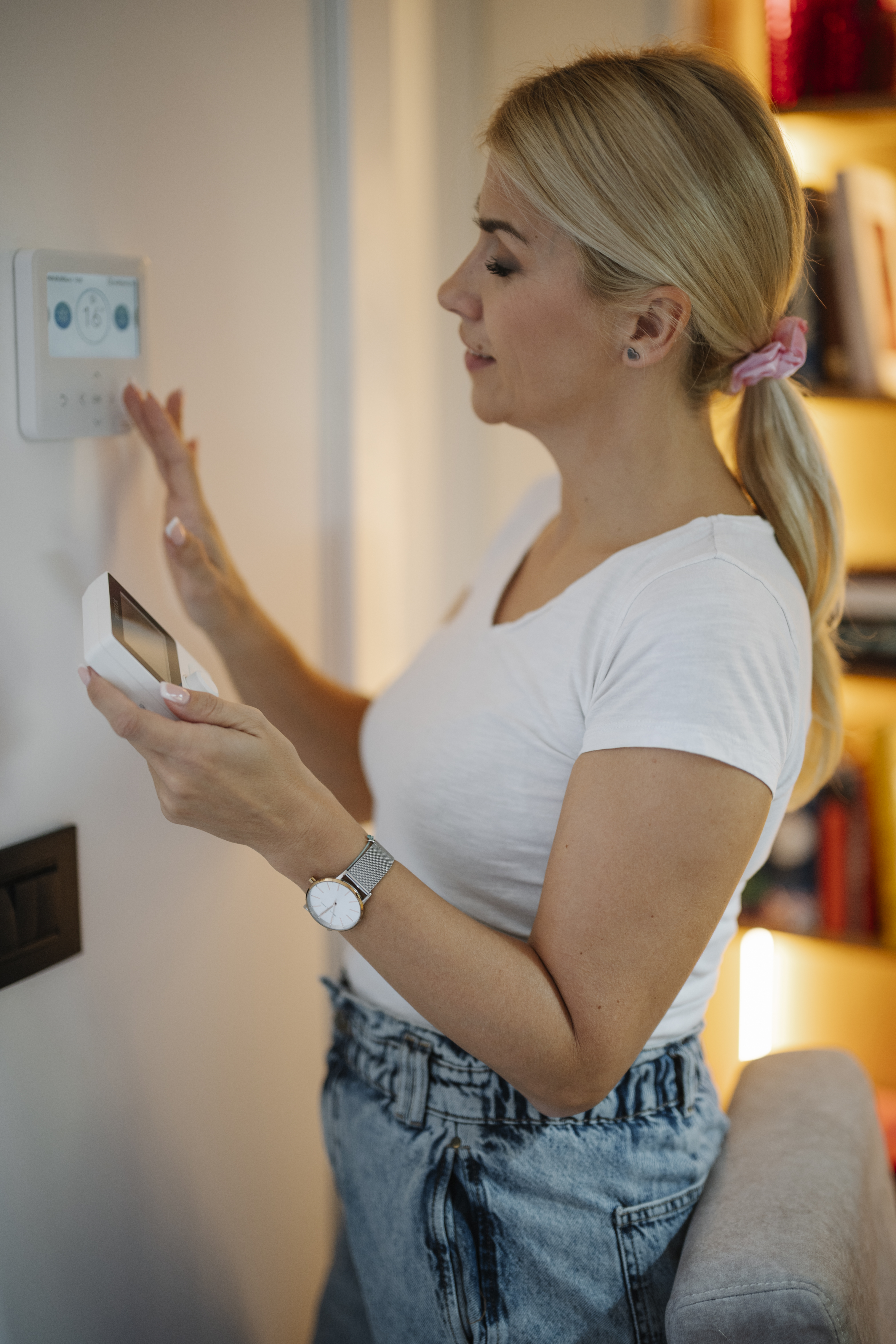
HomeView can tell up to six people apart by face. Each person gets a home screen with their own apps and widgets. Your texts and calendar stay hidden from others.
Shared photos and music stay open to all. Apple says the screen shifts from a shared view to your own view. That could solve a real home problem.
Shared screens often mix up private stuff.
Privacy checks
Apple says privacy sits at the core. Camera and mic data run in sealed-off parts of the chip. Apple calls these Secure Exclaves.
The rest of the system cannot read that data. Siri requests run on the device or in Private Cloud Compute. Apple says it does not store that data.
Your private content shows only when the system sees your face. Your paired iPhone or iPad must also be near and just unlocked. That fits Apple's wider push to keep accounts safe.
What happens next
You need a compatible iPhone or iPad to set it up. That is in Apple's fine print. Some camera smarts need an iCloud+ plan.
Smart home gear is sold on its own. You can buy it from Apple online or in the Apple Store app.
Siri AI works in English at launch. It works in eight countries at launch. Canadian French support comes later in a free update.
Apple will also sell new home gear. It calls the line Apple Home Collection. It made the gear with LG and Schneider.
The line has cameras, a door lock, and thermostats. Some items arrive in December. Others arrive in early 2027.
They work with HomeView and other Apple hubs.
Watch for reviews near launch. They will test face login, Siri answers, and sound.
On November 13, buyers will test Apple's pitch. The pitch is simple. One screen, one voice helper, one home.
If it works, the smart home gets much less messy. If it feels slow or pricey, rival screens will keep their lead. Either way, the home screen war is now real.
Related stories

Apple plans two October launches: smart home hub, OLED MacBook Pro
Apple set October 13 for a smart home launch with a new hub, Apple TV 4K and HomePod mini, then October 27 for OLED MacBook Pro models

How to Check If Your Phone Supports eSIM in 30 Seconds
Dial *#06# and look for an EID number to confirm eSIM support in under 30 seconds. This guide also walks through the iPhone and Android

eSIM vs iSIM: what is the difference?
An eSIM is a dedicated chip on the phone's board, while an iSIM lives inside the processor itself. Qualcomm's Snapdragon 8 Gen