
What Is RCS Messaging and Why Did iPhone Finally Get It
Key takeaways
- RCS is the modern replacement for SMS and MMS. It adds typing indicators, read receipts, sharp media, and Wi-Fi messaging to ordinary texts.
- Apple added RCS to the iPhone with iOS 18, released September 16, 2024, after announcing the move in November 2023.
- The shift followed years of pressure: Google's "Get the Message" campaign, Tim Cook's famous "buy your mom an iPhone" dismissal in 2022, and regulatory scrutiny.
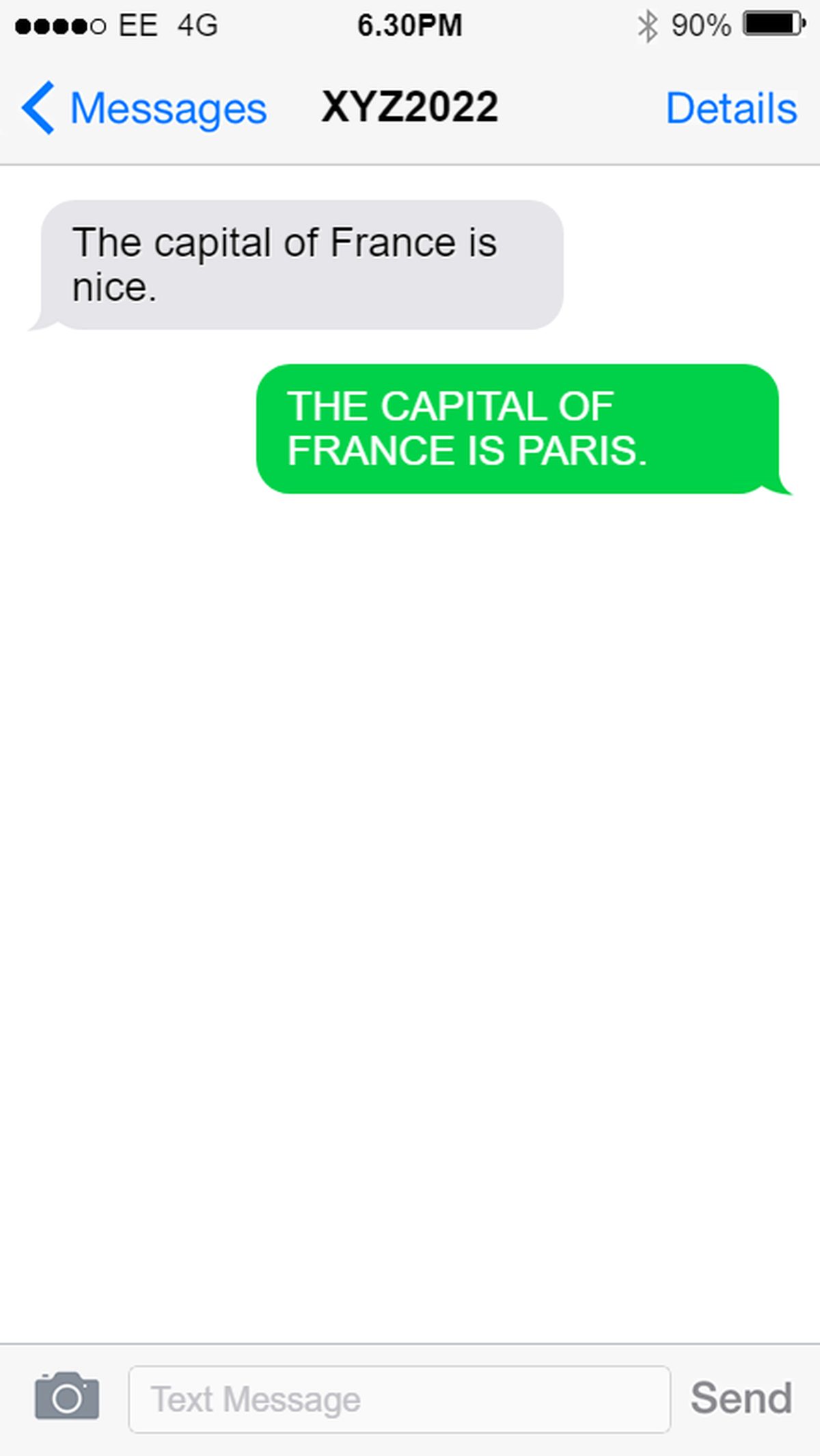
For years, texting between an iPhone and an Android phone meant blurry photos, broken group chats, and the dreaded green bubble. That changed with iOS 18. Apple finally adopted RCS, the messaging standard Android phones had used for years. Cross-platform texting got quietly but meaningfully better.
RCS stands for Rich Communication Services. It is the GSMA-backed successor to SMS and MMS. It is built to carry the features people expect from modern chat: typing indicators, read receipts, high-resolution photos and video, and messages that travel over Wi-Fi or mobile data instead of the carrier's aging text network.
This article explains what RCS messaging is and why the iPhone finally got it. It covers how RCS differs from SMS, what changed on the iPhone, why Apple resisted for so long, what the upgrade does not fix, and the bottom line.
How RCS differs from SMS
SMS and MMS are decades-old carrier technologies. SMS carries 160 characters of plain text over the cellular signaling channel. MMS bolts on low-resolution media with strict size limits. Both were designed for a world of flip phones.
RCS replaces that plumbing with an internet-era protocol. Messages go over Wi-Fi or mobile data. That means no per-message carrier fees on Wi-Fi and no dependence on the cellular network. Photos and videos arrive in high resolution instead of compressed into unrecognizable pixels. Group chats gain the controls people take for granted: adding and removing participants, naming the chat, and leaving cleanly.
The feature list reads like a checklist of everything green-bubble chats lacked. Real-time typing indicators, delivery and read receipts that can be switched off, larger file sizes and file sharing, audio messages, and cross-platform emoji reactions on texts. For iPhone-to-Android conversations, the experience now resembles iMessage far more than it resembles old SMS.
One important distinction: RCS is a standard, not an app. It does not matter which RCS-compatible app you use, because the features are the same for everyone on the standard. That is the difference from WhatsApp or iMessage, which only work inside their own walled gardens. A walled garden is a service that only works within one company's products.
What changed on the iPhone
Apple announced in November 2023 that RCS support would come to the iPhone. It was a reversal that surprised the industry after years of refusal. The feature shipped with iOS 18 on September 16, 2024. After updating, iPhone owners do not have to do anything. The RCS Messaging toggle in Settings, under Apps and then Messages, is enabled by default. Conversations with supported non-Apple contacts upgrade from SMS to RCS automatically.
Apple described the change in a press statement: "When messaging contacts who do not have an Apple device, the Messages app now supports RCS for richer media and more reliable group messaging compared to SMS and MMS."
A few practical details from MacRumors' guide: RCS requires iOS 18 or later and a carrier that supports it. It is not available in every country or region. Apple supports the core RCS standard but not Google's proprietary extensions. Proprietary means owned by one company, not open to all. That means some features Google built on top, such as its own end-to-end encryption layer, are not part of Apple's implementation. And yes, Android messages are still green. Apple kept the blue bubble exclusive to iMessage.
For Android users, the upgrade is visible in Google Messages. The compose field reads "RCS message" instead of "Text message" when chatting with an iPhone on iOS 18. The missing piece is the lock icon. Without cross-platform end-to-end encryption, there is no padlock to show.
Why Apple resisted for so long
Apple's reluctance was never technical. It was strategic. Internal documents revealed during the Epic trial showed Apple considered bringing iMessage to Android and rejected the idea. Former marketing chief Phil Schiller said porting it "would hurt us more than help us." Another executive wrote that iMessage amounts to "serious lock-in," according to Engadget's reporting. Lock-in means keeping users stuck on your products.
The public low point came at the Code 2022 conference. Asked how Apple could improve messaging between iPhone and Android users, CEO Tim Cook said, "I don't hear our users asking that we put a lot of energy into that." When the questioner explained that videos sent to his Android-using mother arrived blurry, Cook joked: "buy your mom an iPhone." TechCrunch and Engadget both reported the exchange in September 2022.
Google spent years applying pressure, including its public "Get the Message" campaign arguing that Apple should fix cross-platform texting. The campaign's site framed the issue plainly: "It's not about the color of the bubbles. It's the blurry videos, broken group chats, missing read receipts and typing indicators, no texting over Wi-Fi and more."
So why did Apple move in November 2023? The company has not said outright, but the circumstantial case is strong. Regulatory pressure was mounting, particularly in the European Union, where legislation was taking shape that could require messaging services to interoperate. Interoperate means work together across platforms. Adopting the open RCS standard let Apple improve cross-platform messaging on its own terms, without opening iMessage itself. It was a concession that protected the blue bubble while defusing the regulatory and public-relations pressure.
What the upgrade does not fix
RCS on iPhone is a real improvement, but it is not iMessage for Android. Conversations between Apple devices still default to iMessage. That keeps its end-to-end encryption, full feature set, and blue bubbles.
The encryption gap matters most. Apple has said it is working with the GSMA to bring end-to-end encryption to the RCS standard itself, rather than adopting Google's proprietary version. Until that work lands, RCS chats between iPhone and Android are more capable but not sealed the way iMessage chats are. Travelers who rely on encrypted messaging should know the difference before assuming a green-bubble chat is private.
Feature parity is also incomplete. Apple's implementation covers the core standard: text, high-resolution media, links, delivery and read receipts, typing indicators, and tapbacks in supported configurations. Some Google Messages extras, like reacting to media or replying inline inside group chats, were on Google's wishlist for Apple to add later.
And the social layer did not change. Green still means "not an iPhone," and the bubble color debate survives. What changed is that green no longer has to mean a bad experience.
FAQ
Do I need to turn on RCS on my iPhone?
No action is required. On iOS 18 and later, the RCS Messaging toggle is enabled by default under Settings, then Apps, then Messages. Your carrier must support RCS, and activation can take a little time after updating.
Does RCS cost money?
RCS messages travel over Wi-Fi or mobile data rather than the carrier's SMS channel. So there is no per-message SMS fee when you are on Wi-Fi. Your normal data usage applies on cellular.
Is RCS as secure as iMessage?
No. iMessage has end-to-end encryption between Apple devices. RCS between iPhone and Android currently lacks cross-platform end-to-end encryption. Apple is working with the GSMA to add it to the standard.
Why are my messages to Android still green?
Apple kept green for all non-iMessage conversations, whether they use RCS or old SMS and MMS. Blue remains exclusive to iMessage between Apple devices.
The bottom line
RCS is texting dragged into the modern era: sharp photos, typing indicators, read receipts, real group chats, and Wi-Fi messaging, all inside the default Messages app. Apple resisted it for years to protect iMessage's lock-in, then adopted it under the combined weight of public pressure and looming regulation.
If you text across the iPhone-Android divide, update to iOS 18 or later, confirm the RCS toggle is on, and enjoy the end of blurry videos. The bubbles are still green. The experience no longer has to be.
Rive News is a research desk covering technology with source-first explainers.
Latest in tech
- What is a passkey and how it works, explained simply
- What happens to your passkeys if you lose your phone
- How to check if your phone supports eSIM
- How to avoid roaming charges without buying a local SIM
Get one clear tech explainer in your inbox every morning. Subscribe to the Rive News newsletter.
Rive News follows a source-first corrections policy. Published October 12, 2026. © 2026 Rive News.
Related stories

Apple plans two October launches: smart home hub, OLED MacBook Pro
Apple set October 13 for a smart home launch with a new hub, Apple TV 4K and HomePod mini, then October 27 for OLED MacBook Pro models

How to Check If Your Phone Supports eSIM in 30 Seconds
Dial *#06# and look for an EID number to confirm eSIM support in under 30 seconds. This guide also walks through the iPhone and Android

eSIM vs iSIM: what is the difference?
An eSIM is a dedicated chip on the phone's board, while an iSIM lives inside the processor itself. Qualcomm's Snapdragon 8 Gen