
What Is the Difference Between 4G LTE and 5G for Everyday Use
Key takeaways
- Mid-band 5G is several times faster than 4G LTE, while low-band 5G may feel close to LTE.
- 5G cuts lag from 30 to 50 milliseconds on LTE to 10 to 30 milliseconds in real use.
- 4G LTE still wins on coverage, indoor reach, and battery life in many places.
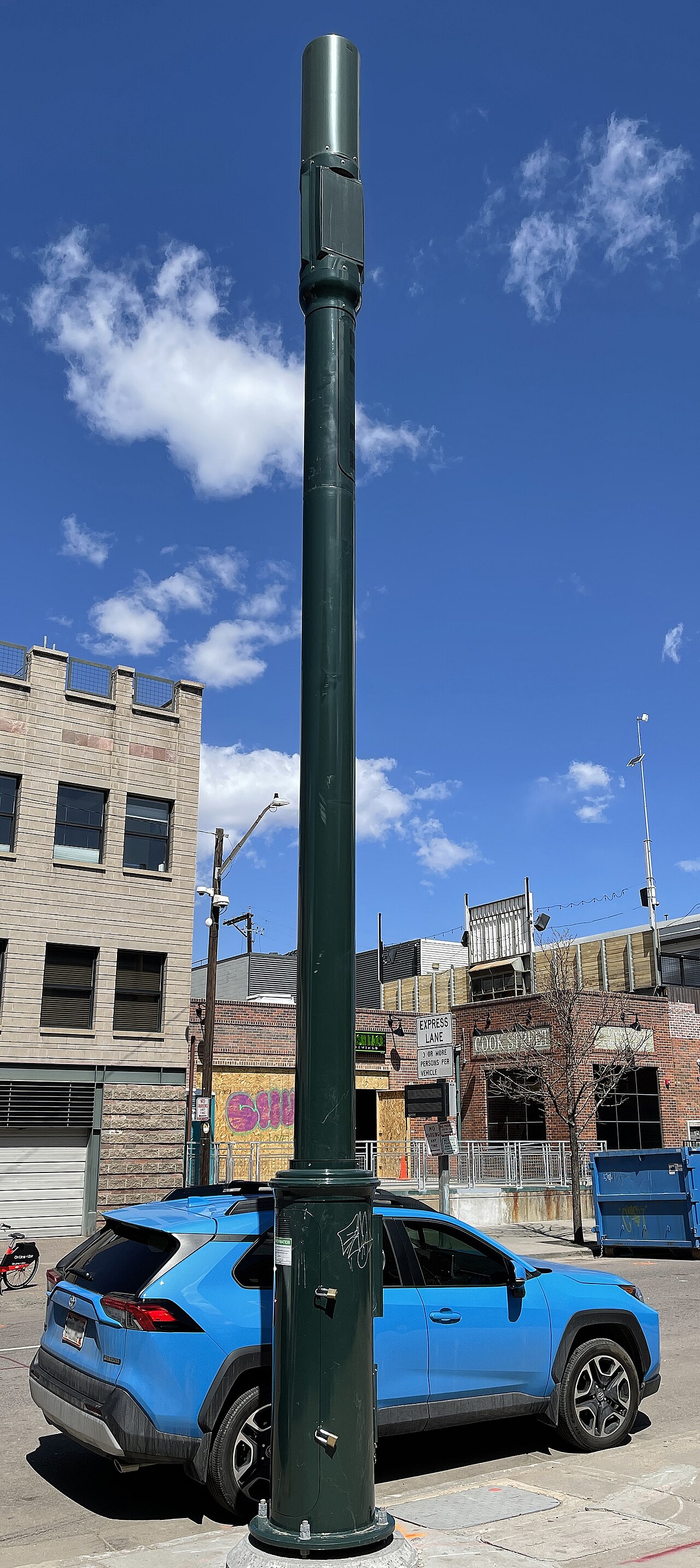
4G LTE and 5G are both mobile network technologies, but they are not just two names for the same service. LTE stands for Long-Term Evolution, the standard behind 4G. 5G is the fifth generation of mobile networks, built on a new radio interface called 5G NR.
The practical gap between them shows up in speed, lag, capacity, and coverage.
This article explains what each network does, including how speed and lag compare in real use, how spectrum bands change the experience, and when LTE is still the smarter choice.
What 4G LTE does well
LTE is the mature network. It carries calls, messages, maps, music, video, and browsing for most of the world, and it does so with near universal coverage in many countries. Real world LTE download speeds typically land in the tens of megabits per second, which is enough for HD video, video calls, and social media.
LTE also reaches indoors and into rural areas better than most 5G. Its signals use bands between about 600 MHz and 2600 MHz, and the lower bands travel far and pass through walls more easily. Phones on LTE also tend to use less battery, since the technology is mature and the signal is stable in more places.
LTE is not standing still, but its limits are real. In crowded places such as stadiums and city centers, LTE can slow down as thousands of phones share the same capacity. Lag on LTE typically runs 30 to 50 milliseconds, which is fine for browsing and video but less ideal for fast, real time apps.
What 5G adds
5G adds three things: higher speed, lower lag, and far more capacity. Real world 5G speeds now sit around 275 to 315 Mbps in leading markets, according to Digi International, with some locations passing 1 Gbps. Theoretical peaks run as high as 20 Gbps, but those numbers need ideal conditions and short range signals.
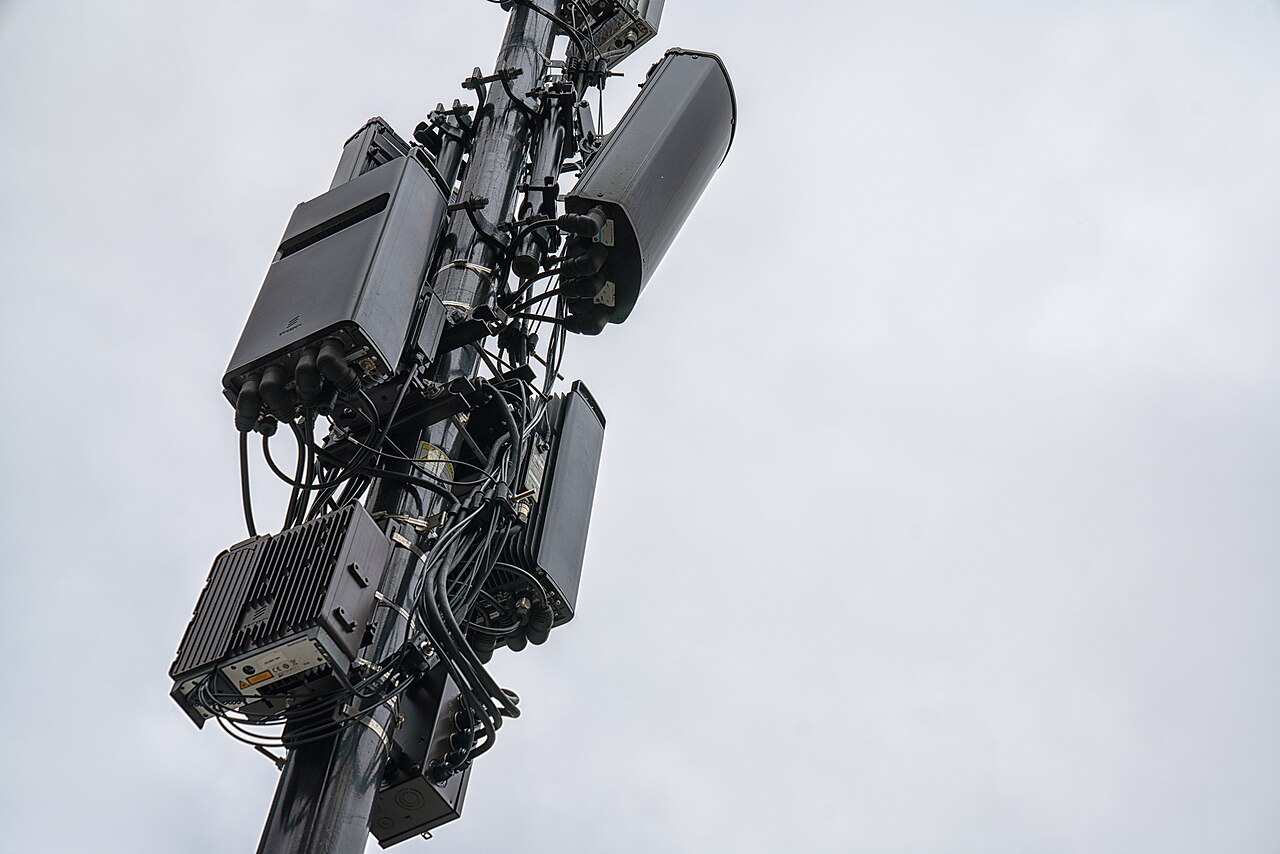
Capacity matters as much as speed. 5G supports far more connected devices per coverage area than LTE, so a crowded street or stadium stays usable. The network also uses small cells, wider channels, and advanced antennas to keep performance steady when many people connect at once.
5G reached large scale quickly. Digi reports that global 5G subscriptions passed 3 billion in the first quarter of 2026. 5G carried 48 percent of global mobile data traffic by the end of 2025. North America ended 2025 at 79 percent 5G subscription penetration. Those numbers show that 5G is now the main traffic layer in leading markets, not a trial.
Speed in real life, not on paper
Headline speeds mislead because 5G is not one network. It runs on three spectrum bands, and the band decides the experience.
Low-band 5G sits below 1 GHz. It covers wide areas and reaches indoors well, but its real world speeds often sit close to a good LTE connection. If your phone shows a 5G icon on low-band spectrum, the jump over LTE may feel small.
Mid-band 5G sits roughly between 2 and 6 GHz. This is where the real gain over LTE shows up. EarthLink reports that real world mid-band 5G reaches roughly 150 to 300 Mbps, about three to six times faster than the 35 to 50 Mbps typical of 4G LTE.
Mid-band carries the bulk of US 5G traffic today.
High-band 5G, also called mmWave, sits at 24 GHz and above. It can deliver the highest peak speeds, sometimes past 1 Gbps, but only at short range. Walls, foliage, and even coated glass can block it.
Think of mmWave as a venue and hotspot tool for stadiums, airports, and dense downtown blocks, not a coverage layer.
For everyday use, the rule is simple. Mid-band 5G feels like a real upgrade for downloads, 4K streaming, large app updates, and cloud backups. Low-band 5G feels like LTE with a new icon.
A strong LTE signal can beat a weak 5G signal, so the icon alone tells you little.
Lag and why it matters
Lag, or latency, is the delay before data starts moving. LTE typically delivers 30 to 50 milliseconds. 5G typically delivers 10 to 30 milliseconds in real world use, and standalone 5G can push into single digits in the right deployment.
The ideal 5G target of around 1 millisecond needs ideal conditions and does not describe normal phone use.
For browsing, email, and streaming, the drop from 40 to 20 milliseconds is hard to notice. For competitive gaming, cloud gaming, video calls, and augmented reality, it feels more responsive. Lower lag also helps real time control apps, such as remote machine operation and industrial automation, where fast feedback matters more than raw speed.
Standalone versus non-standalone 5G matters here. Early 5G ran as non-standalone, meaning the 5G radio leaned on an LTE core. Standalone 5G runs on a full 5G core and unlocks the lowest lag, network slicing, and newer features such as Voice over New Radio.
More than 90 of the roughly 390 operators with commercial 5G had launched standalone 5G by 2026, according to Digi.
Coverage, battery, and cost
Coverage is where LTE still wins for many people. LTE reaches highways, small towns, and rural areas where 5G is still low-band only or absent. Phones fall back to LTE on their own when 5G fades, which is why a phone can show LTE for much of a road trip.
Battery life tilts toward LTE as well. 5G radios can draw 15 to 25 percent more power than LTE, according to Ubifi, especially where the 5G signal is weak and the phone works hard to hold the connection. If your phone hunts between 4G and 5G all day, locking it to LTE can stretch the battery.
Cost follows the same pattern. 5G plans often cost 10 to 20 dollars per month more than comparable LTE plans, per Ubifi. If most of your use is browsing, maps, music, and HD video, LTE already covers it, and the extra speed may not be worth the premium.
Which one should you use
Choose based on what is actually available where you live and how you use your phone.
Pick LTE when coverage matters most. It fits rural areas, long commutes, and buildings where 5G is weak. It also fits light to moderate use, older phones, and anyone who wants longer battery life and a lower bill.
LTE handles streaming, browsing, video calls, and social media without trouble.
Pick 5G when you have strong mid-band coverage and you move large files, stream 4K video, play cloud games, or work with many connected devices. It also fits fixed wireless home internet, where a 5G gateway turns a nearby signal into home Wi-Fi without cables. In a strong coverage area, the speed and capacity gain is easy to feel.
Most people do not need to choose at all. Modern phones switch between 4G and 5G on their own based on signal strength. You can leave that switching on and let the phone pick the better connection.
If battery life drops or the connection feels unstable, locking the phone to LTE for a day is a fair test.
Is 5G always faster than 4G LTE?
Not always. Low-band 5G can run close to LTE speeds. A strong LTE signal can beat a weak 5G signal.
The biggest speed gaps appear on mid-band and high-band 5G.
Does 5G use more battery?
Yes, often. 5G radios can draw 15 to 25 percent more power than LTE, especially in weak coverage. In strong coverage the gap shrinks.
Will LTE be switched off soon?
No hard shutdown is near, but carriers are moving spectrum from LTE to 5G over time. LTE stays viable for years, while its capacity may shrink slowly at busy sites.
Do I need a new phone for 5G?
Yes. A phone needs a 5G radio and support for your carrier's bands. Almost all new phones include 5G, while older phones stay on LTE.
Is 5G home internet worth it?
It can be, where mid-band 5G is strong. A 5G gateway gives fast home Wi-Fi without a cable install, which suits renters and homes beyond cable reach. Where 5G is weak, a wired connection stays more stable.
The bottom line
5G is a real upgrade, but the size of the upgrade depends on the band and the coverage in your area. Mid-band 5G is several times faster than LTE and cuts lag in half or better. Low-band 5G feels close to LTE.
LTE still wins on coverage, indoor reach, battery life, and cost in many places. Check what bands your carrier offers where you live, test both settings on your phone, and pick the connection that stays fast and stable in the places you actually use it.
Tags: 5G, 4G LTE, mobile networks, smartphones
Latest in Tech
- Free up storage on your phone without deleting photos
- Keep logins safe with a password manager
- How wireless charging works and whether it harms the battery
Subscribe for weekly tech explainers that cut through the jargon.
Related stories

Apple plans two October launches: smart home hub, OLED MacBook Pro
Apple set October 13 for a smart home launch with a new hub, Apple TV 4K and HomePod mini, then October 27 for OLED MacBook Pro models

How to Check If Your Phone Supports eSIM in 30 Seconds
Dial *#06# and look for an EID number to confirm eSIM support in under 30 seconds. This guide also walks through the iPhone and Android

eSIM vs iSIM: what is the difference?
An eSIM is a dedicated chip on the phone's board, while an iSIM lives inside the processor itself. Qualcomm's Snapdragon 8 Gen