
Why does your phone battery drain faster in cold weather
Key takeaways
- Cold slows the chemical reactions inside lithium-ion batteries, so the phone cannot deliver its stored charge.
- A phone that shuts down in the cold is usually protecting itself, and the charge returns as it warms up.
- Keep the phone in an inside pocket, use low power mode, and never charge a freezing phone.
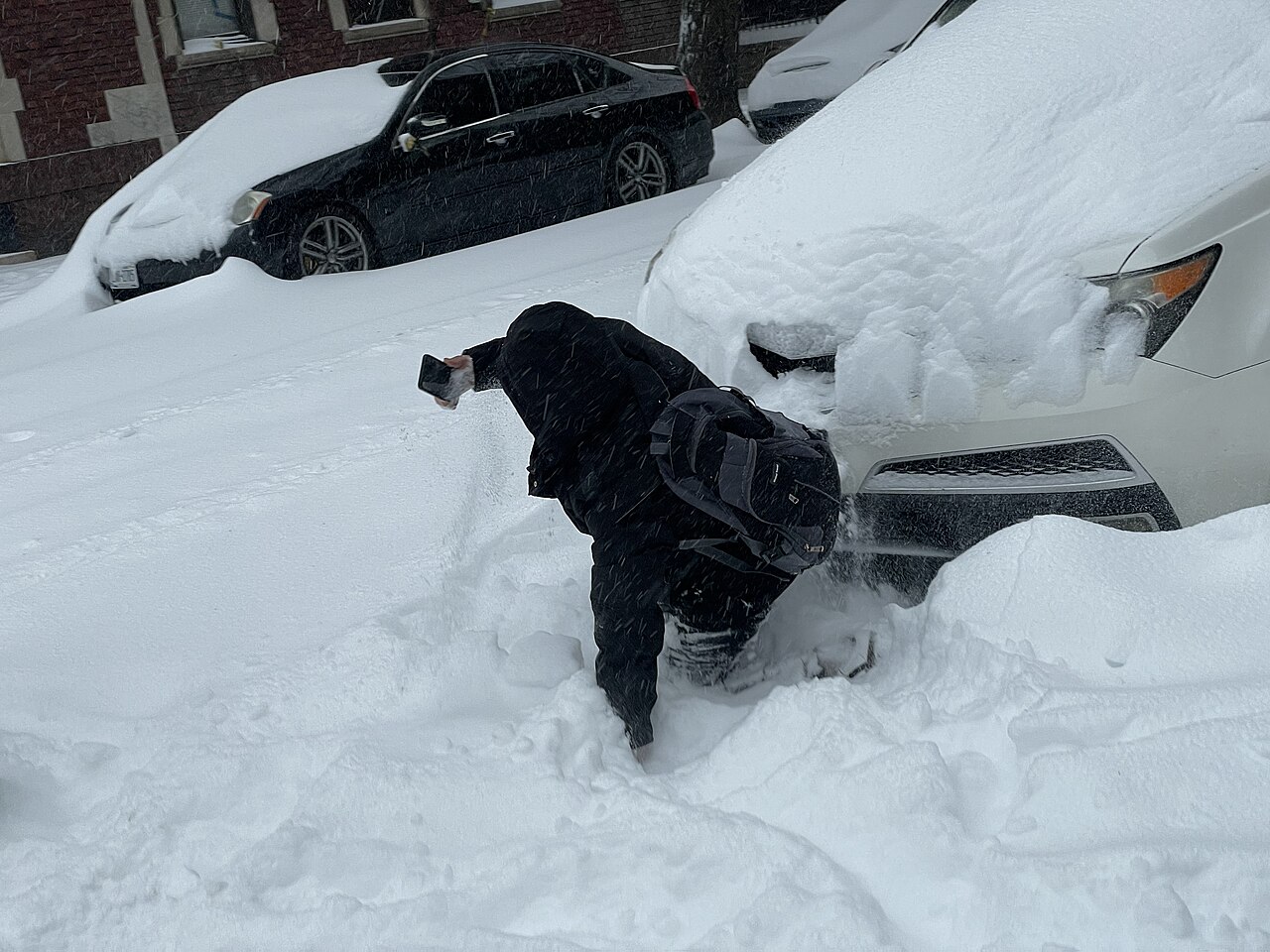
A phone that showed 80 percent indoors can drop to 20 percent after a short walk in winter cold. The same phone may shut down without warning, then switch back on indoors with charge still showing. The battery did not lose its charge in those minutes.
The cold locked it away.
Nearly every modern phone runs on a lithium-ion battery. That battery makes power through chemical reactions, and cold weather slows those reactions down. The result is a phone that behaves as if its battery were nearly empty, even when plenty of charge remains.
This article explains why your phone battery drains faster in cold weather, including the chemistry inside the battery, why phones shut down early, how charging in the cold can cause harm, and how to protect your phone.
What cold does inside the battery
A lithium-ion battery works by moving lithium ions between two electrodes through a liquid electrolyte. In warm conditions, the ions travel smoothly and the battery delivers steady power. In cold conditions, the electrolyte thickens and the ions move slowly.
Internal resistance rises, so the battery must work harder to produce the same amount of energy.
The effect is large. Research published in the Journal of The Electrochemical Society, cited by NewsKarnataka, shows that a lithium-ion battery capacity can fall by up to 70 percent at sub-zero temperatures. Even at 5 to 15 degrees Celsius, the kind of cold found in many winter mornings, ion movement drops enough to cause visible battery drain.
Age makes the effect worse. Batteries that have passed about 500 charge cycles are most vulnerable, because degraded electrolyte reacts more strongly to temperature change. That is one reason a two-year-old phone can struggle through winter mornings while a new phone copes better.
A phone that drains fast indoors too may have a worn battery or a runaway app, and software updates sometimes change battery behaviour as well.
Phone makers publish the ranges their devices are built for. Apple lists an ideal operating range of 0 to 35 degrees Celsius for the iPhone, with a storage range of minus 20 to 45 degrees. The Weather Network notes that lithium-ion batteries typically function between minus 20 and 60 degrees, but performance falls off fast near the extremes.
Below freezing, the phone is already outside its comfort zone.
Why your phone shuts down early
A sudden shutdown in the cold is usually protection, not failure. When the battery voltage dips below a safe threshold under load, the phone switches off to guard the battery from damage. Opening the camera, using navigation, or brightening the screen all demand bursts of power, and those bursts are what trip the shutdown.
The battery gauge adds to the confusion. The gauge is calibrated for warmer conditions, so its reading turns unreliable when the battery is cold. A phone that dies at 30 percent may show charge again once it warms up, because the charge was never gone.
The cold only blocked access to it.
Wait before you restart. The Weather Network advises waiting until you are inside and the phone has warmed up before trying to switch it back on. Forcing a cold phone to start can trigger another shutdown, and repeated cold starts put extra strain on the battery.
Charging a cold phone can cause lasting harm
Cold itself causes only temporary trouble, but charging a cold battery can cause permanent damage. Under normal conditions, lithium ions slide neatly into the anode, which is the orderly process that keeps the battery healthy. When the battery is cold, the ions cannot enter properly.
Instead, the ions pile up on the anode surface as metallic lithium, a process called lithium plating. Plating permanently cuts capacity, raises internal resistance, and in rare cases creates safety risks. That is why NewsKarnataka advises against charging a smartphone when its temperature is below 10 degrees Celsius.
A cold phone may also charge slowly, refuse to charge, or stop charging halfway. ZDNET describes this as the battery going into a safe mode to protect itself from damage. The fix is patience: bring the device into a room-temperature space, around 18 to 22 degrees Celsius, and let it warm up on its own before plugging it in.
Do not rush the warming with a radiator or a hair dryer, since heat above 35 degrees can damage the battery in the other direction.
If you must charge outdoors, wireless charging does not solve the cold problem, and a cheap cable can make it worse by delivering power unevenly. Warm the phone first, then charge it with a proper cable. A power bank kept in an inside pocket can help keep a phone running during a long cold outing, but the phone itself still needs warmth.
How to protect your phone in winter
The best defence is warmth. Carry the phone in an inside pocket, close to your body, rather than in a bag or an outer jacket pocket. A case or an insulated sleeve adds a little protection, and every degree helps.
If your phone supports face unlock, use it so you can keep gloves on and the phone sheltered.
Turn on low power mode before a long spell outdoors. Low power mode cuts background activity, mail fetching, and visual effects, which stretches the charge the battery can deliver. Lower the screen brightness as well, since the display is one of the largest power draws.
Prepare before you leave. Charge the phone at home, download maps and tickets, and save the directions you need. Download what you need before heading out, and free up storage first if the phone is full.
For remote trips, write down key numbers and addresses as a backup, so a dead phone does not strand you.
Avoid leaving the phone in a parked car, where temperatures fall fast. Avoid repeated jumps between heated rooms and freezing air, since rapid temperature swings stress the battery and can cause condensation inside the device.
When you come back inside, let the phone warm up slowly before charging it or using it hard.

Frequently asked questions
Does cold weather permanently damage a phone battery?
Cold alone usually causes temporary trouble, and performance returns once the phone warms up. Charging a cold battery is the real risk, since lithium plating can cut capacity for good. Keep the phone warm and wait before plugging it in.
Why does my phone die at 30 percent in winter?
The battery gauge is calibrated for warm conditions, so cold makes its reading unreliable. Voltage dips under load can trip a protective shutdown while charge remains. Let the phone warm up indoors, then check the reading again.
Should I keep my phone in a case in winter?
A case helps a little by insulating the phone from wind and cold air. An inside pocket near your body helps far more. Use both, and take the phone out only when you need it.
Can I warm a cold phone with a heater or hot water bottle?
Do not use strong heat. Let the phone warm up slowly at room temperature, around 18 to 22 degrees Celsius. Heat above 35 degrees can damage the battery, so a radiator or a hair dryer is a bad trade.
The bottom line
Cold slows the chemistry inside your phone battery, so the charge becomes harder to reach and the phone may shut down to protect itself. The effect is temporary, and the charge usually returns as the phone warms up. Keep the phone in an inside pocket, use low power mode, and never charge a freezing phone.
Tags: phone battery, cold weather, lithium-ion, battery care
Latest in Tech
- Do software updates make phones slower
- Free up storage on your phone without deleting photos
- How wireless charging works and whether it harms the battery
- Can face unlock be fooled by a photo
Subscribe to the Rive News newsletter for one practical guide each week.
Related stories

Apple plans two October launches: smart home hub, OLED MacBook Pro
Apple set October 13 for a smart home launch with a new hub, Apple TV 4K and HomePod mini, then October 27 for OLED MacBook Pro models

How to Check If Your Phone Supports eSIM in 30 Seconds
Dial *#06# and look for an EID number to confirm eSIM support in under 30 seconds. This guide also walks through the iPhone and Android

eSIM vs iSIM: what is the difference?
An eSIM is a dedicated chip on the phone's board, while an iSIM lives inside the processor itself. Qualcomm's Snapdragon 8 Gen