
Why phone screens crack easily despite tough glass
By Rive News / Research desk | Rive News / Published October 27, 2026 at 9:00 AM PKT
Key takeaways
- Modern phone glass is chemically hardened, but hardening improves scratch resistance more reliably than crack resistance.
- Glass is strong against even pressure and weak against sharp, concentrated impacts, which is exactly what a corner drop delivers.
- Thin, edge-to-edge designs and rigid metal frames leave the glass with little room to flex or shed energy.
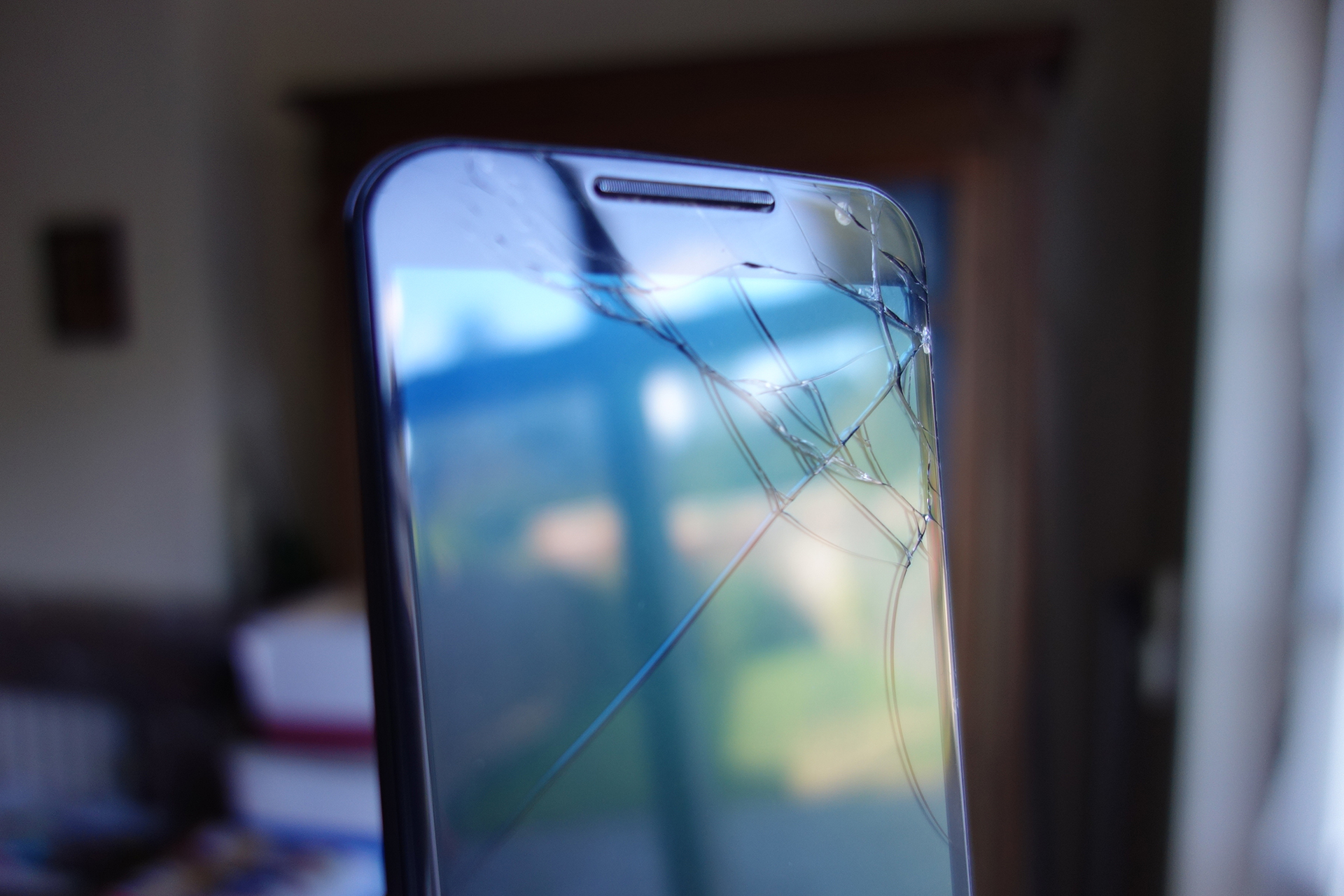
[A smartphone with a cracked front screen.] Photograph: smartphone photo
Image Credits: Wikimedia Commons
Phone screens crack easily despite tough glass because "tough" means something narrower than most buyers assume. The glass on a modern phone resists scratches well, survives many flat drops in lab tests, and still shatters from one unlucky fall onto a corner or a rough surface. That gap between lab toughness and real-world breakage is the story.
This article explains why phone screens crack easily despite tough glass, including how the glass is hardened, why hardness and flexibility trade off, and why design makes the problem worse. It also covers what actually protects a screen, and what does not.
What "tough glass" really means
Most flagship phones use chemically strengthened glass, with Corning's Gorilla Glass the best-known brand. The strengthening process is called ion exchange: the glass is soaked in a hot potassium salt bath, at about 400 degrees Celsius, where smaller sodium ions in the glass are replaced by larger potassium ions from the bath. The larger ions crowd the surface, creating a layer of compressive stress that resists scratches and small impacts.
That compression layer is real, but it is thin, and it only helps until it is breached. A deep scratch, a sharp stone, or a high-energy corner impact can punch through the compressed layer into the tensioned glass beneath. Once a crack starts in glass, it runs fast, because glass cannot stretch or deform the way metal can.
Gorilla Glass has improved across generations, with Gorilla Glass 5, introduced in 2016, designed for higher drops onto rougher surfaces, and Gorilla Glass Victus, launched in 2020, rated by its maker for drops from up to 2 metres. Those are genuine gains, but they are gains measured in controlled drops onto specified surfaces, not guarantees against every pavement, tile edge, or gravel path.
Hardness and flexibility fight each other
The central trade-off is between scratch resistance and crack resistance. Scratch resistance comes from hardness: a hard surface resists being gouged by another material. Crack resistance needs some give: a material that can flex slightly absorbs impact energy instead of passing it straight into a fracture.
Glass cannot easily do both at once. Make it harder, and it becomes more brittle; make it more flexible, and it scratches more easily.
MakeUseOf, comparing flagship and budget phones, notes that Corning prioritises drop resistance over scratch resistance, because a crack can ruin a phone while a scratch usually does not. That is a deliberate choice, not a failure of engineering.
The Mohs hardness scale makes the scratch side concrete. Most phone glass scratches at level 6 on the Mohs scale, with deeper grooves at level 7, which is why sand, mostly quartz at hardness 7, scratches screens in pockets. Keys and coins, which are softer than the glass, usually do not, despite the folk belief that they are the culprit.
Why one corner drop beats many flat drops
Impact geometry decides most real breakages. A phone dropped flat spreads its energy across a wide area, and the glass often survives.
A phone dropped on a corner concentrates the same energy into a tiny point, and the glass at that point faces stresses far above its strength. Rough surfaces make it worse, since a single grain of grit becomes the contact point.
Real falls also differ from lab falls in height and surface. Lab tests often use smooth surfaces and controlled heights, while real drops happen from waist or pocket height, about 1.2 to 1.5 metres, onto asphalt, tile grout, or concrete. Those surfaces add sharp contact points that lab rigs do not reproduce, which is why a phone can survive ten lab drops and die on one pavement drop.
Curved edges add another weakness. On phones with screens that curve at the sides, the edges are harder to protect with a case, and they carry higher strain when the phone bends on impact. The edge is also the first part to strike in many corner drops, so the most fragile part of the glass is the most exposed.
Thin design leaves nowhere for energy to go
Modern phones are thin, light, and mostly screen, which leaves little material to absorb a fall. Older phones had thick bezels and plastic bodies that flexed and spread impact energy; current flagships have near-zero bezels and rigid metal and glass bodies that pass impact straight to the screen. The screen is bigger, closer to the edge, and backed by a fused display stack, so there is no crumple zone.
The display stack itself adds fragility. Beneath the cover glass sit the touch sensor, the display panel, and adhesive layers, all bonded into one module.
Even if the cover glass survives, a hard impact can delaminate layers or damage pixels, producing dead spots, discolouration, or touch faults. Repair then means replacing the whole module, not just the glass, which is why a cracked screen costs so much to fix.
Cases help, but they cannot repeal physics. A good case with raised lips and corner padding spreads impact and keeps the glass off flat surfaces, which covers the common flat drop.
A case cannot fully protect an exposed curved edge, and it cannot absorb all the energy of a corner strike on rough ground. A tempered-glass screen protector adds a sacrificial layer that takes scratches and some impact, but it is itself glass, and it cracks for the same reasons.
Why sapphire is not the answer
Readers sometimes ask why phones do not use sapphire, which is far harder than glass. Sapphire resists scratches better, but it is heavier, more expensive, and harder to bond to touch layers at phone scale. It is also brittle in its own way, and a sapphire screen would still crack under a sharp corner impact, just at a higher price.
Plastic screens, used on some foldable phones, show the other side of the trade-off. They flex instead of cracking, but they scratch easily and feel softer under a stylus or fingernail.
Every screen material sits somewhere on the same hardness-flexibility line, and no current material escapes it. The choice is always which failure to accept more often.
What actually reduces breakage
A case with corner protection and a raised lip is the single most effective step, because it changes the impact geometry in the common drop. A tempered-glass protector is second, since it absorbs scratches and minor impacts that would otherwise reach the cover glass. Neither makes a phone unbreakable, and sellers who claim otherwise are overselling.
Handling habits matter more than most accessories. Keeping the phone out of the same pocket as sand, grit, or loose stones prevents the deep scratches that later become crack starting points.
Gripping the phone securely, rather than balancing it on a lap or a car roof, prevents the highest-energy falls. Avoiding extreme heat and cold also helps, since temperature swings add internal stress to the glass over time.
If the screen does crack, the practical question is whether the touch layer and display still work. A crack that only affects the cover glass is cosmetic, though it weakens the glass against the next drop. A crack with dead touch zones, lines, or spreading discolouration means the display module is damaged, and a professional repair or replacement is the sensible route.
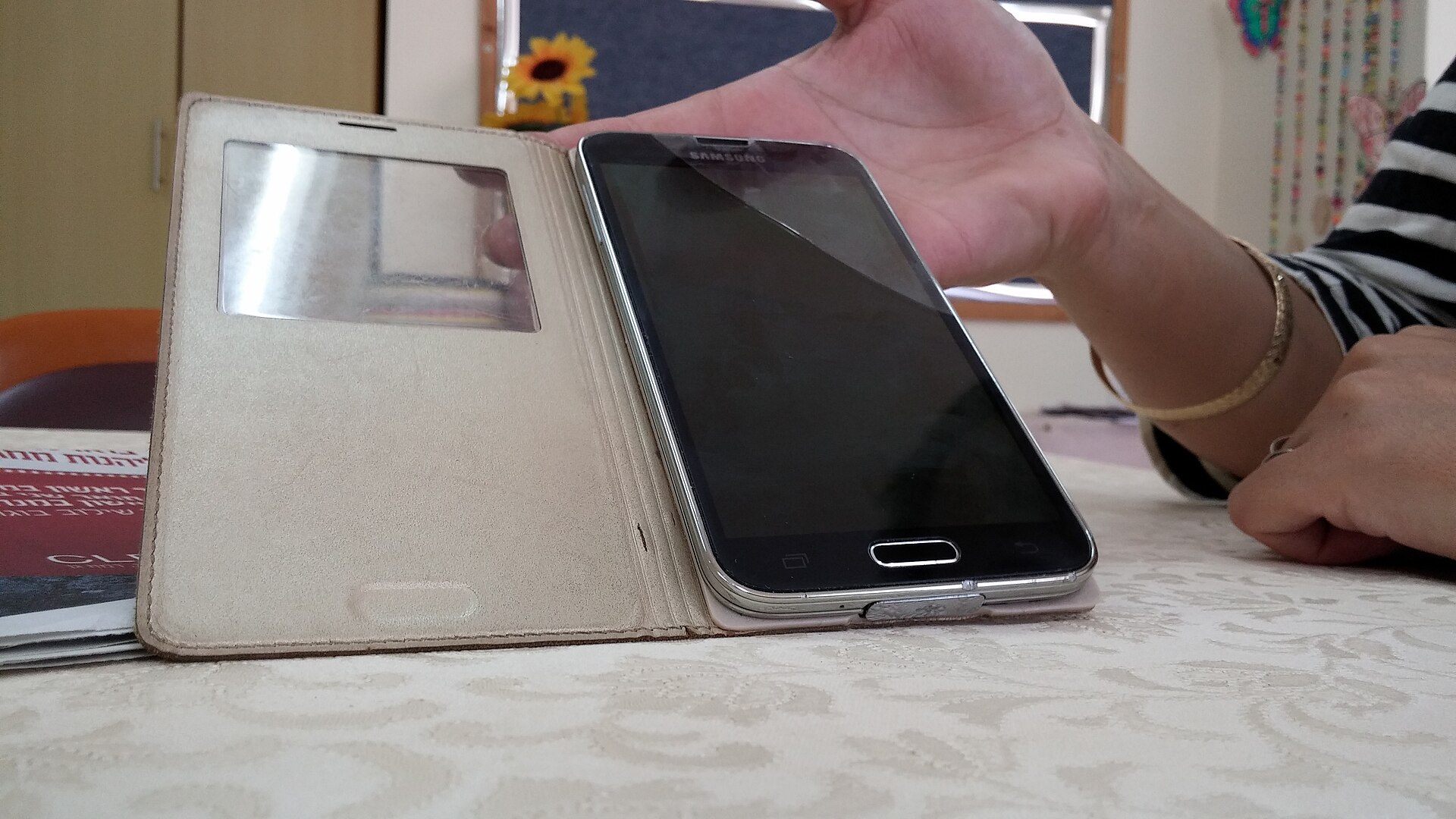
[A cracked phone screen showing spiderweb fracture lines.] Photograph: phone photo
Image Credits: Wikimedia Commons
Frequently asked questions
Does a more expensive phone have tougher glass?
Not necessarily, since the same Gorilla Glass generation appears on phones at very different prices. A budget phone can carry the same front glass as a former flagship, as MakeUseOf notes for models sharing Gorilla Glass Victus+. Price buys cameras, chips, and build quality, not a different physics of glass.
Why does my screen crack even with a case on?
A case reduces the odds but cannot remove them, especially for corner drops onto rough surfaces. Cases protect flat faces and raised edges best, while exposed curved edges and sharp grit remain weak points. A hard corner strike concentrates force beyond what a thin case can absorb.
Do screen protectors prevent cracks?
They help against scratches and minor impacts by taking damage first, but they do not make the screen unbreakable. A strong corner impact can crack both the protector and the screen beneath it. They are cheap insurance, not a guarantee.
Should I keep using a phone with a cracked screen?
A lightly cracked screen with full touch function is usable, but the glass is weaker and the crack can spread or cut fingers. A screen with dead touch areas, display lines, or sharp loose fragments should be repaired. Back up the phone before any repair, since screen work sometimes requires a full module swap.
The bottom line
Phone screens crack because glass is a compromise, not because makers forgot to make it tough. Ion-exchange hardening gives real scratch and drop gains, but hardness trades against flexibility, and thin edge-to-edge designs leave the glass exposed to the worst kind of impact: a sharp corner strike. Cases and protectors shift the odds, they do not change the material, and the next bad drop can still win.
Tags: phones, materials, glass
The Rive News research desk writes plain-language explainers from published sources, with no invented experts or first-hand claims.
Related
- How do touch screens know exactly where your finger is?
- How do touchscreens detect your finger?
- Why does metal feel colder than wood at equal temperature?
- Why is diamond hard and graphite soft when both are carbon?
Subscribe for one plain-language explainer a day, drawn from published sources.
Rive News publishes explainers from public sources; corrections are noted on the article when a sourced fact changes.
Related stories
Apple plans two October launches: smart home hub, OLED MacBook Pro
Apple set October 13 for a smart home launch with a new hub, Apple TV 4K and HomePod mini, then October 27 for OLED MacBook Pro models
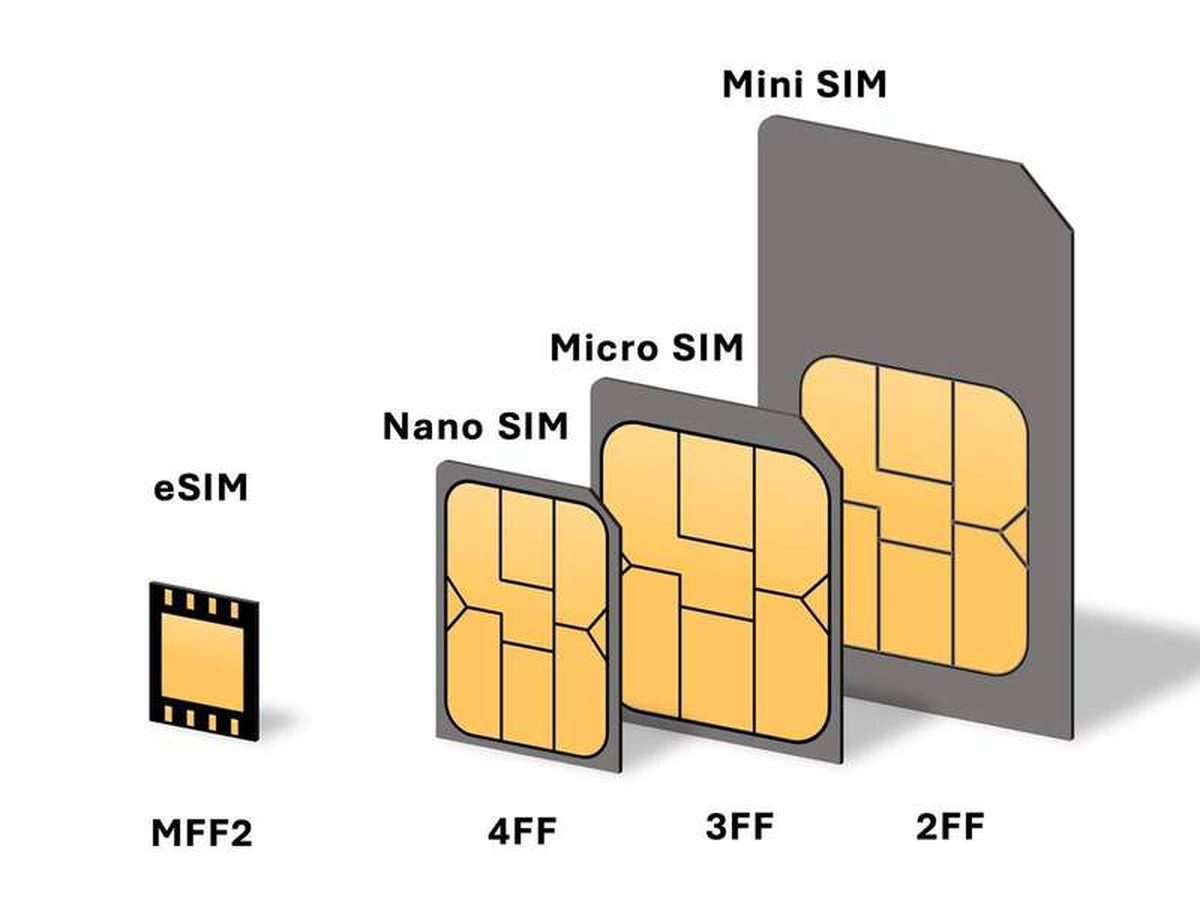
How to Check If Your Phone Supports eSIM in 30 Seconds
Dial *#06# and look for an EID number to confirm eSIM support in under 30 seconds. This guide also walks through the iPhone and Android
eSIM vs iSIM: what is the difference?
An eSIM is a dedicated chip on the phone's board, while an iSIM lives inside the processor itself. Qualcomm's Snapdragon 8 Gen