
SpaceX launch paints jellyfish cloud over Florida sky
Key takeaways
- A SpaceX Falcon 9 rocket launched at 6:33 AM on Tuesday.
- The launch left a glowing jellyfish cloud in the dawn sky.
- The Dragon cargo ship will reach the space station on Thursday.
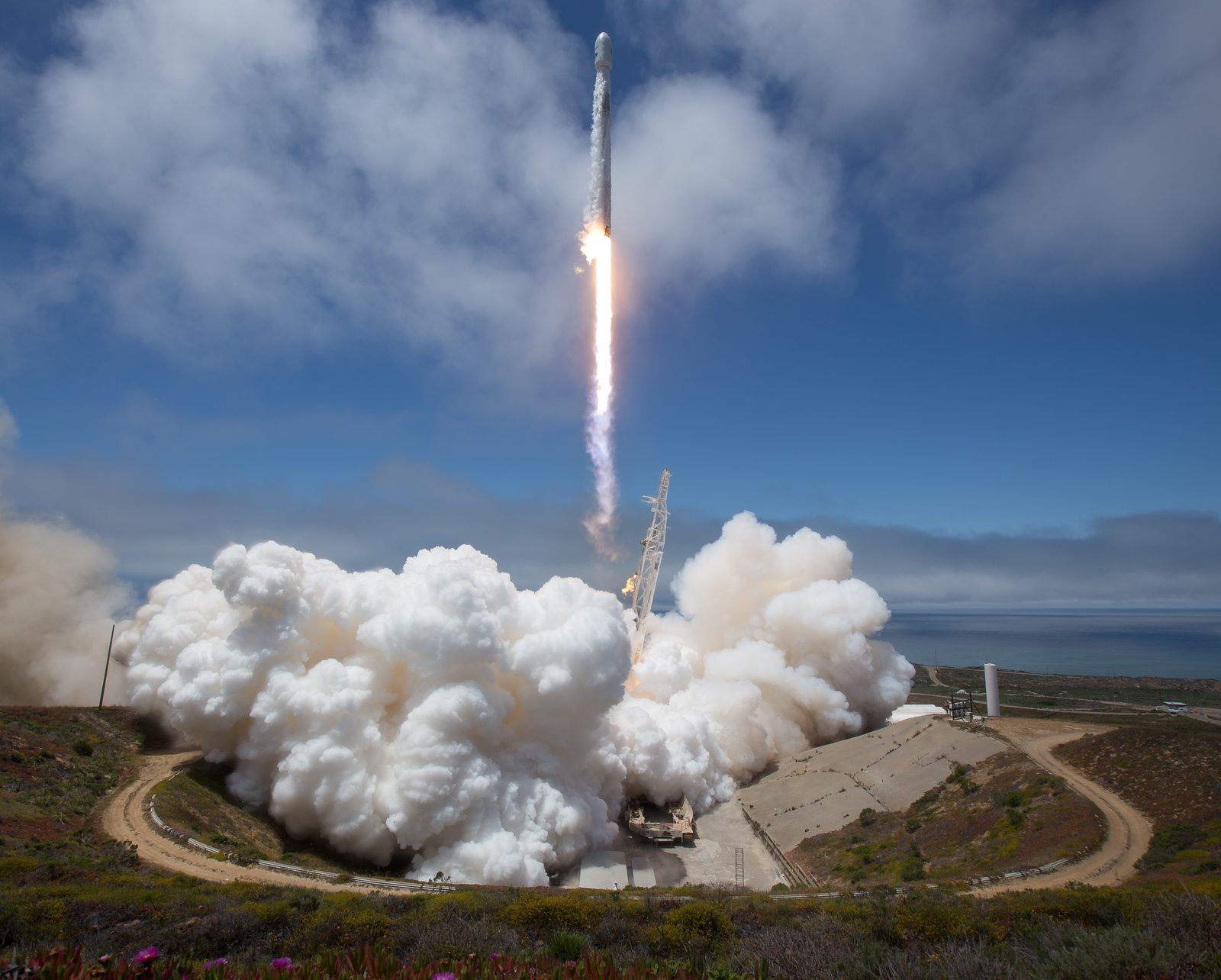
People across Florida woke up to a strange sight on Tuesday. A glowing cloud shaped like a jellyfish hung in the dawn sky. It was not a UFO.
It was not a missile. It was a SpaceX rocket launch.
A Falcon 9 rocket lifted off at 6:33 AM Eastern time. It launched from Cape Canaveral Space Force Station in Florida.
The launch pad was Space Launch Complex 40.
The rocket carried a Dragon cargo ship. The mission is called CRS-35. It is a supply run to the International Space Station.
The station is a lab that orbits Earth.
The glow in the sky came from the rocket's exhaust. Sunlight hit the exhaust high above Earth. People on the ground were still in the dark.
That mix of light and dark made the glow.
What happened
The Falcon 9 rose into the pre-dawn sky on Tuesday, October 13. The launch took place on time. The rocket climbed fast.
Its exhaust spread out behind it.
High above Earth, the rocket reached sunlight. People on the ground were still in darkness. The sun was still below the horizon for them.
But the rocket was high enough to catch the sun's rays.
Sunlight lit up the exhaust plume. A plume is the trail of gas behind a rocket. The exhaust holds water vapor.
The vapor freezes into tiny ice crystals. Those crystals catch the light and glow.
That is why the cloud looked like a jellyfish. The plume spread out in thin air. It formed a bright head and long trails.
People called it a space jellyfish.
The show was visible far beyond Florida. People in North Carolina saw it. People in central Pennsylvania saw it.
A photographer caught it from New Jersey. It passed over New York at dawn.
NASA has seen this before. The agency has recorded the same effect on past SpaceX launches. It happens when launch time meets dawn or dusk light.
The exact look depends on the path and the weather.
The rocket itself did its job. The first-stage booster flew for the eighth time. It is called B1096.
After stage separation, it flew back and landed. It landed at Landing Zone 40. People near the coast heard sonic booms.
The Dragon ship kept flying. It carries over 6,300 pounds of cargo. That is about 2,860 kilograms.
The cargo holds science, supplies and new solar arrays.
The solar arrays are the final pair of roll-out arrays. They will add power to the station. Astronauts will install them on future spacewalks.
A spacewalk is work outside the station.
The cargo also holds science tests. One test looks at making artificial retinas. A retina is the part of the eye that sees light.
Another test grows heart tissue in weightlessness. A third test studies swelling and brain disease.
Dragon also carries a case for a failed robot arm joint. The joint belongs to Canadarm2. That is the station's robot arm.
The seven-member Expedition 75 crew waits on the station. They spent Tuesday doing science. They checked eyes with a medical device.
They cleaned a science freezer. They tested a suit that controls robots from far away.
Why it matters
The jellyfish cloud was a sky show. But the mission behind it is real work. The station needs fresh supplies.
It needs new science. It needs new power.
The solar arrays matter most. They are the last pair of roll-out arrays. They will boost the station's power.
More power means more science can run.
The science matters too. Growing heart tissue in space could help doctors on Earth. Weightlessness lets tissue grow in new ways.
Artificial retinas could one day help blind people see.
The launch also shows reuse at work. The booster flew for the eighth time. It landed again.
Reuse keeps costs down. It lets SpaceX fly more often.
The glow itself taught people something. Many woke up and feared the worst. Some thought it was a missile.
Some thought it was a leak. It was just sunlight and exhaust.
That is why explainers help. A dawn launch plus clear skies can make this glow. It is rare.
But it is not a danger.
For more science, see our explainer on the aurora over the northern US. It was another sky show. Our guide to dark matter explains a space mystery in plain words.
What happens next
Dragon will reach the station on Thursday. It should dock at about 11 AM Eastern time.
It will dock at the Harmony module. The flight takes about 52 hours.
The ship will stay docked for about a month. The crew will unload the cargo. They will start the new tests.
They will plan the spacewalks for the solar arrays.
Sky watchers can look for more shows. Dawn and dusk launches can glow again. The next chance depends on launch time and clear skies.
People near Cape Canaveral may hear sonic booms again.
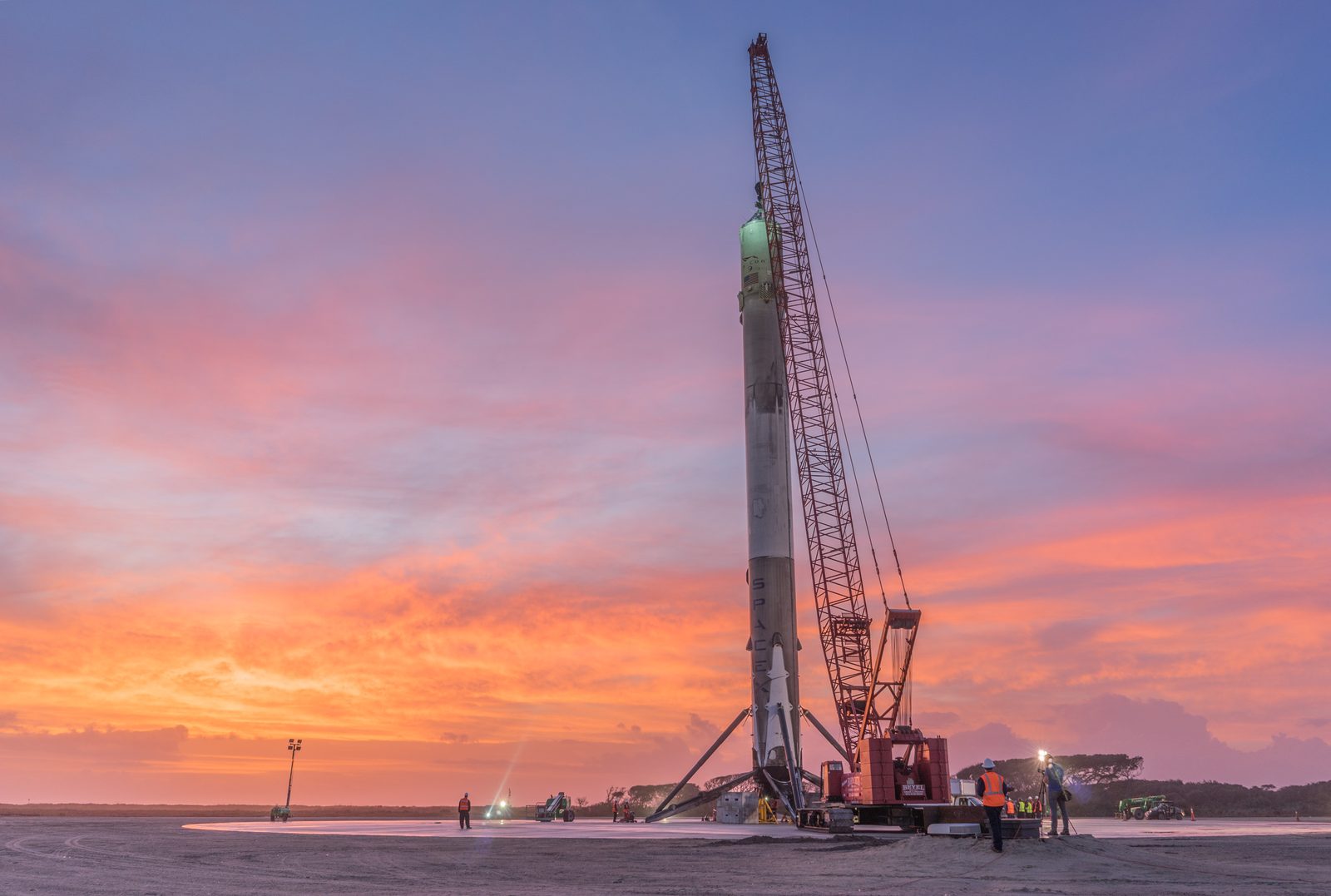
Tuesday's launch gave Florida a morning to recall. The sky glowed. The rocket flew.
The cargo is on its way. The station crew waits for Thursday.
Related stories

Apple plans two October launches: smart home hub, OLED MacBook Pro
Apple set October 13 for a smart home launch with a new hub, Apple TV 4K and HomePod mini, then October 27 for OLED MacBook Pro models

How to Check If Your Phone Supports eSIM in 30 Seconds
Dial *#06# and look for an EID number to confirm eSIM support in under 30 seconds. This guide also walks through the iPhone and Android

eSIM vs iSIM: what is the difference?
An eSIM is a dedicated chip on the phone's board, while an iSIM lives inside the processor itself. Qualcomm's Snapdragon 8 Gen