
Hotel vs motel: what actually sets them apart
By Rive News / Research desk | Rive News / Published October 27, 2026 at 9:00 AM PKT
Key takeaways
- Hotels are multi-storey buildings with interior corridors, a lobby, and full services such as restaurants and concierge desks.
- Motels are usually one or two storeys with rooms that open directly onto an outdoor car park.
- Motel is a blend of motor and hotel, and the format grew with car travel in the United States.
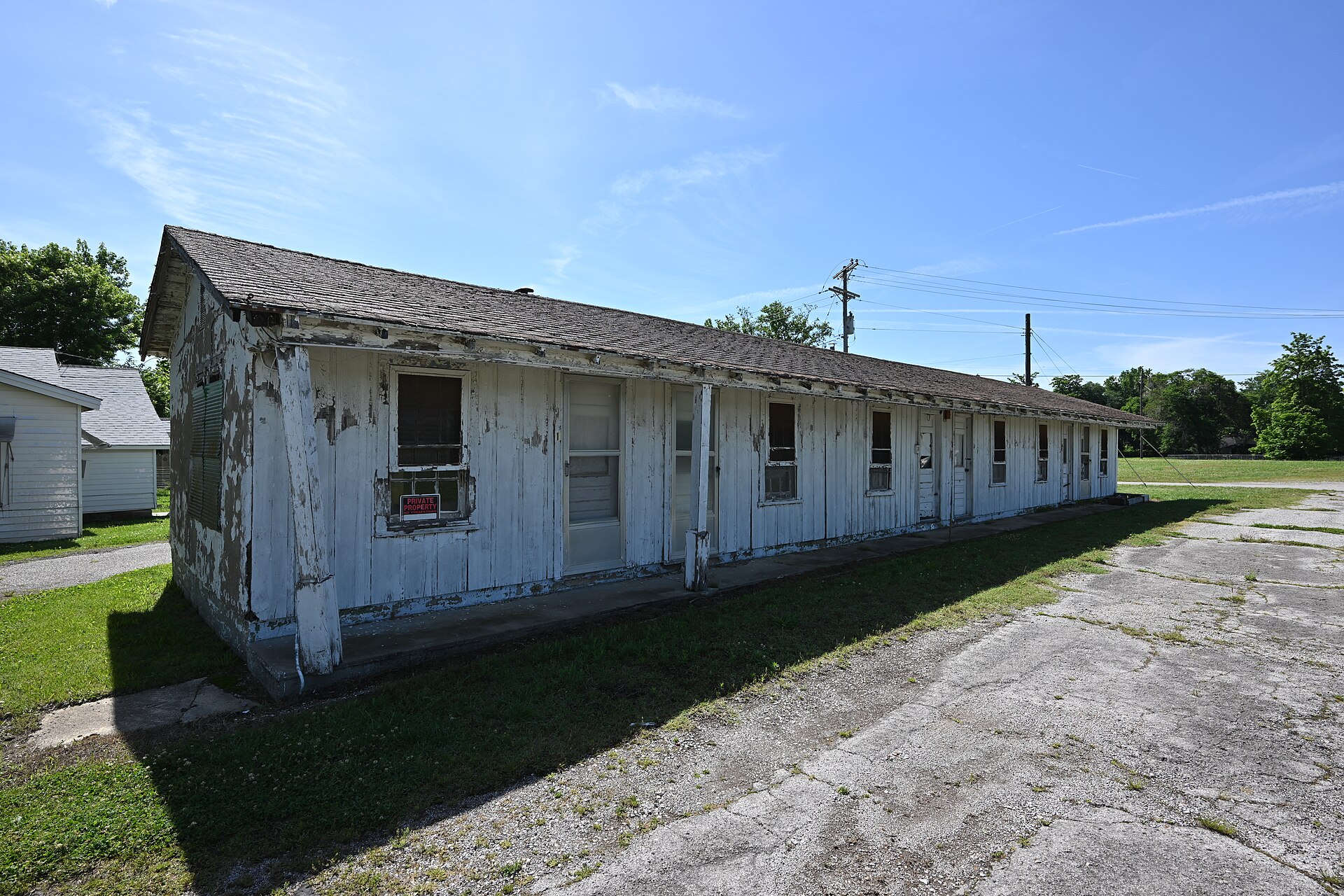
[A motel building with rooms facing the car park.] Photograph: the subject
Image Credits: Wikimedia Commons
A hotel and a motel both offer a private room and a bed away from home. The difference lies in how the building is laid out, where it stands, and how much service comes with the room.
Hotels are built around a lobby and interior hallways, while motels let guests walk from a parked car straight into a room. That single design choice shapes price, amenities, and the kind of trip each suits.
This article explains the layout, history, services, and price differences, and it ends with a simple way to choose between them.
The layout difference
The most reliable distinction is how guests reach their rooms. Hotels use a central lobby with interior hallways, elevators, and stairs leading to rooms on several floors.
Motels use exterior corridors, with room doors opening directly onto a walkway or car park. A guest can park in front of a room, unload luggage in a few steps, and leave in the morning without passing through a lobby.
SiteMinder describes the same split in its hotel versus motel guide. Hotels are multi-storey buildings with interior room access via a lobby and hallways, while motels are typically one or two storeys with rooms that open directly to an outdoor car park.
The layout also affects security and atmosphere, since hotel corridors are enclosed and staffed while motel walkways are open to the car park. Some travellers prefer the enclosed hotel route, while road trippers value the direct car access of a motel.
Where the words come from
Hotel comes from the French word hotel, which originally described a large elegant residence. The term came into wide use in the 18th century for grand establishments offering lodging, meals, and service.
Motel is a blend of motor and hotel, coined for the age of car travel. Britannica Kids notes that the term came into common use in the 1920s, indicating an establishment that provided parking for cars as well as food and lodging.
The name gained ground through the Milestone Mo-Tel in San Luis Obispo, California, which trademarked the name Mo-Tel. Earlier roadside lodgings existed as tourist courts and auto camps, but the trademarked name helped popularize the motel format across the United States.
How motels grew with the road
Motels became particularly popular in the United States during the 1950s and 1960s. Families driving highways such as Route 66, from Chicago to California, needed affordable overnight stops along the way.
The motel format suited that trip perfectly, because drivers could stop late, park at the door, and leave early. No reservation system, bellhop, or restaurant booking stood between a tired driver and a bed.
Hotels kept serving city centres, airports, and resort areas, where travellers stayed longer and expected more services. The two formats therefore divided the market by trip type rather than by competing for the same guest.
Services and amenities compared
Hotels typically offer restaurants, bars, gyms, pools, conference rooms, and concierge services. Room service, daily housekeeping, and a staffed front desk around the clock are standard at full-service hotels.
Motels offer a narrower set, usually a comfortable bed, a clean bathroom, and sometimes a simple breakfast. A pool, vending machines, or a breakfast buffet may appear, but a restaurant and concierge are rare.
Room types differ too, since hotels offer rooms of several classes and sizes within one building. Motels tend toward uniform rooms, which keeps pricing simple and turnover fast for road travellers.
Staffing follows the same pattern, with hotels employing larger teams across departments. Motels run leaner, which is one reason their nightly rates sit lower.
Price and stay length
Motels compete mainly on price and convenience, targeting budget-conscious travellers and road trippers. Hotels command higher rates because they offer more amenities, better locations, and a broader range of services.
Stay length reinforces the gap, since motels are designed for short overnight stops on a longer journey. Hotels suit multi-night stays, business trips, and holidays where guests use the building itself as part of the experience.
That said, the line has blurred over time, and Britannica Kids notes that many motels have become so large that the distinction has become almost meaningless. Some roadside properties now offer pools, breakfast rooms, and renovated suites that rival mid-range hotels.
Booking platforms add to the blur, since a property can list itself under the category that matches its target market. A limited-service property with a pool may call itself a hotel, while a similar property chasing road trippers may call itself a motel.
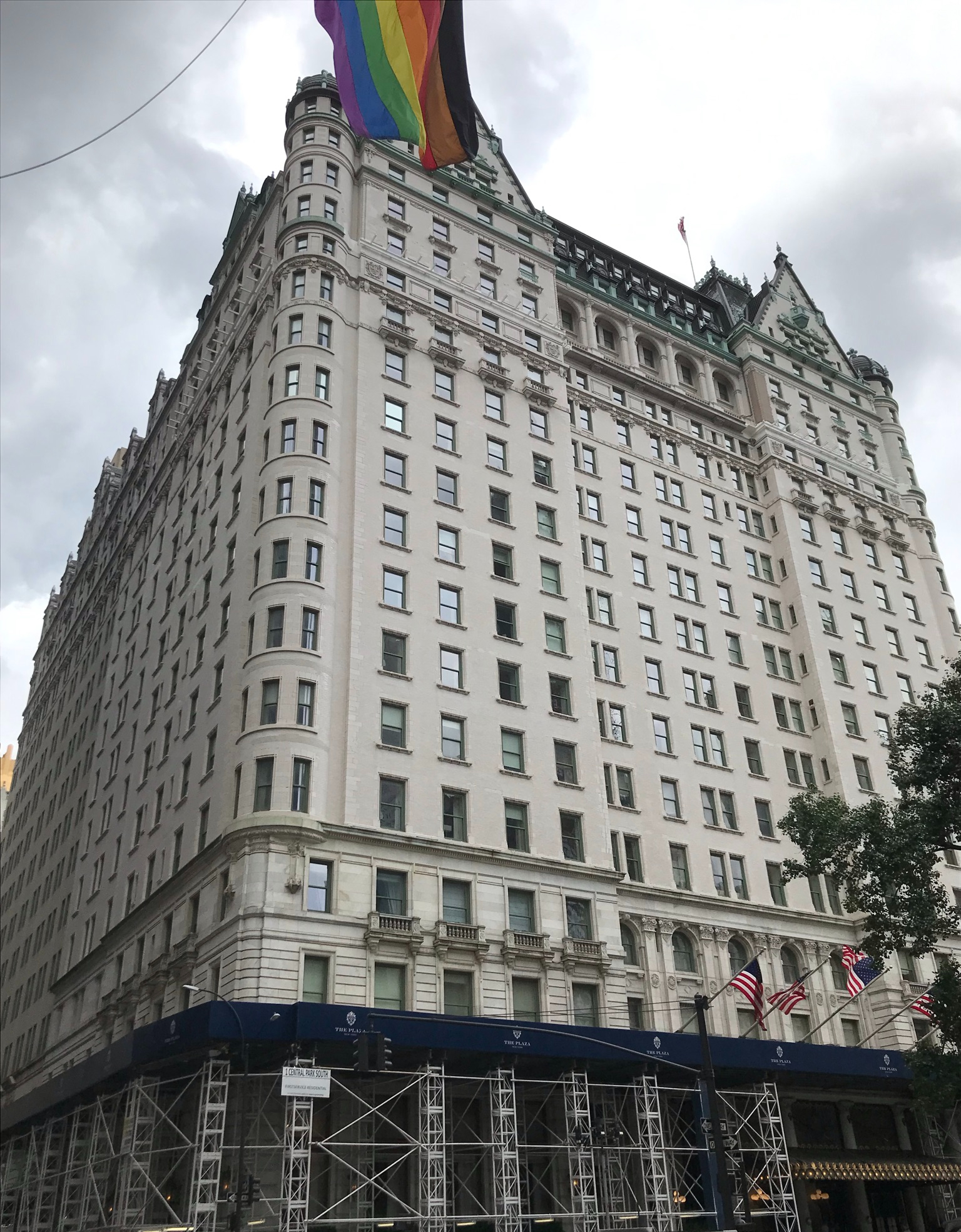
[The exterior of a large hotel building.] Photograph: the subject
Image Credits: Wikimedia Commons
Which one fits your trip
Choose a motel when the trip is about the road rather than the stay. A single night between driving days, a tight budget, and a car full of luggage all favour the motel format.
Choose a hotel when the stay itself matters, such as a business trip, a city break, or a holiday with children. Restaurants, a gym, and a concierge earn their keep when guests spend days in one place.
Check the room access description before booking, since it reveals more than the property name. A listing that mentions exterior corridors and parking at the door describes a motel layout even if the property calls itself a hotel.
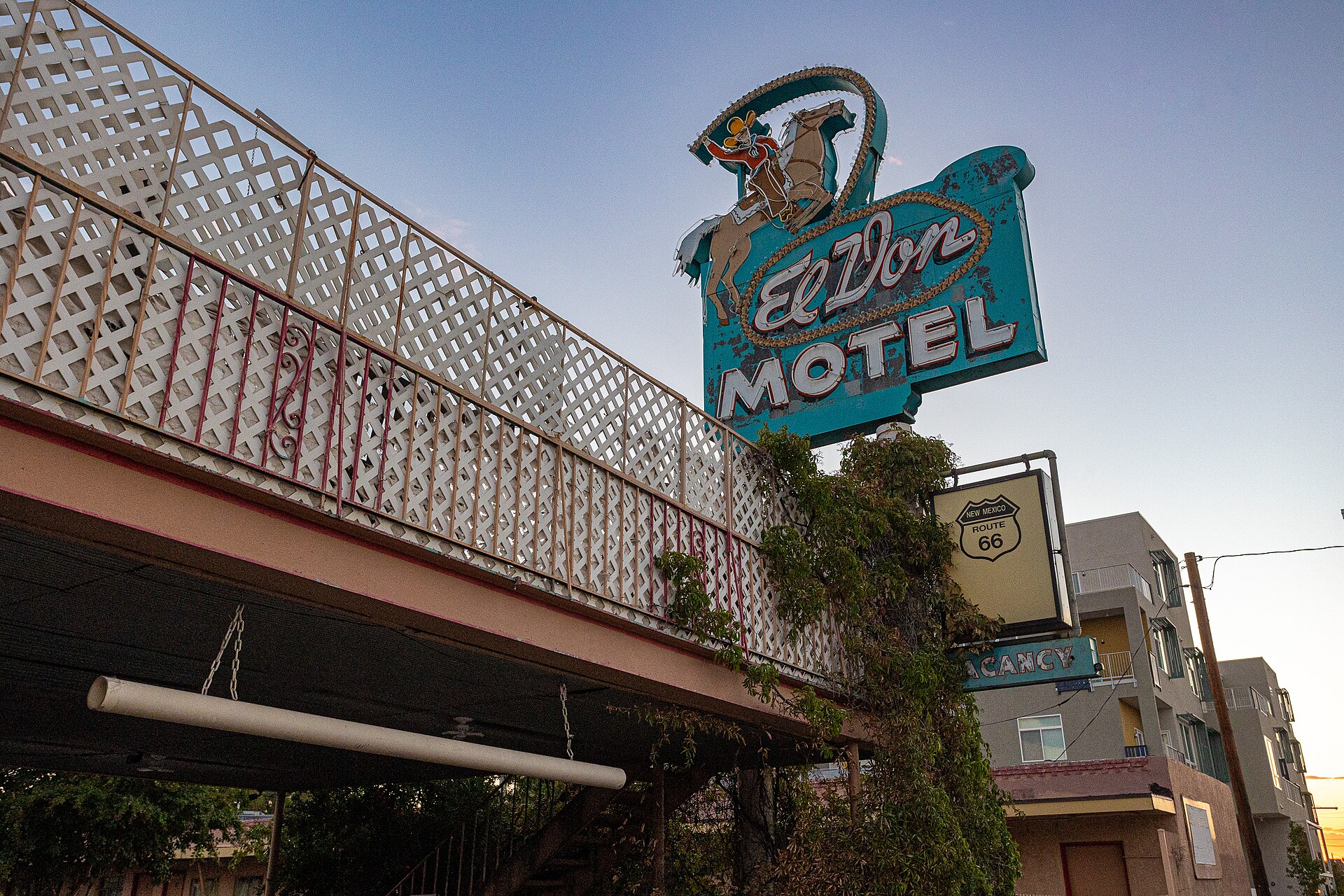
[A vintage neon motel sign on a roadside building.] Photograph: the subject
Image Credits: Wikimedia Commons
Frequently asked questions
Is a motel always cheaper than a hotel?
In most cases yes, because motels offer fewer services and run leaner operations. A renovated motel in a popular area can still cost more than a basic hotel nearby.
Can a motel have a pool and restaurant?
Yes, some motels offer a pool, a breakfast room, or vending machines. Full restaurants and concierge services remain rare, and they usually signal a hotel rather than a motel.
What does motel stand for?
Motel is a blend of motor and hotel, coined in the 1920s for roadside lodging aimed at motorists. The Milestone Mo-Tel in California helped popularize the name.
Are motels safe for families?
Most motels serve families routinely, especially along highways and in small towns. Checking recent reviews, lighting around the car park, and room access helps judge any single property.
The bottom line
The hotel versus motel difference comes down to layout, location, and service. Hotels wrap rooms in a lobby, hallways, and full amenities, while motels put the room door beside the car park and keep everything simple.
History explains the split, since hotels grew from grand city lodgings and motels grew from the motor age. Pick the format that matches the trip, and check room access before trusting the name on the sign.
Tags: hotels, motels, road trips
Rive News is a research desk covering everyday science, money, travel, and family life in plain language.
Related
- What is the difference between a hostel dorm and a capsule hotel
- What is the difference between a layover and a stopover
- What documents do you need to travel with kids internationally
- How to beat the queues at popular tourist spots in 2026
Subscribe for one plain-language explainer in your inbox each morning.
Rive News publishes researched explainers and corrects errors when readers point them out.
Related stories

The 3-1-1 liquids rule for planes: what each number means
TSA's 3-1-1 rule limits carry-on liquids to 3.4-ounce containers in one quart bag. Where the 2006 rule came from, what counts, and how
Why Is Airplane Food So Bland at Altitude?
A 2010 Fraunhofer study found altitude cuts sweet and salty perception by up to 30 percent. Low humidity, cabin pressure, and noise all

Carry-on size limits: why airlines each set their own
Airlines set their own carry-on limits because the FAA only requires each carrier to have a policy, not one global size. Why 22 x 14 x