
Why Planes Cruise at 35,000 Feet and Not Higher, Explained
Key takeaways
- Commercial jets cruise between 31,000 and 42,000 feet, where thin air cuts drag and fuel burn.
- At 35,000 feet air density is roughly a quarter of sea level, but engines still get enough oxygen to run efficiently.
- Above about 45,000 feet, the service ceiling, the air is too thin for wings and engines to work safely.
Most passenger flights settle into a cruise somewhere near 35,000 feet, about 11 kilometers up. That number is not arbitrary. It sits at the meeting point of three forces: fuel physics, engine chemistry, and air traffic rules.
This article explains why commercial jets fly at that height, what would happen if they climbed higher, and why the number moves from flight to flight.
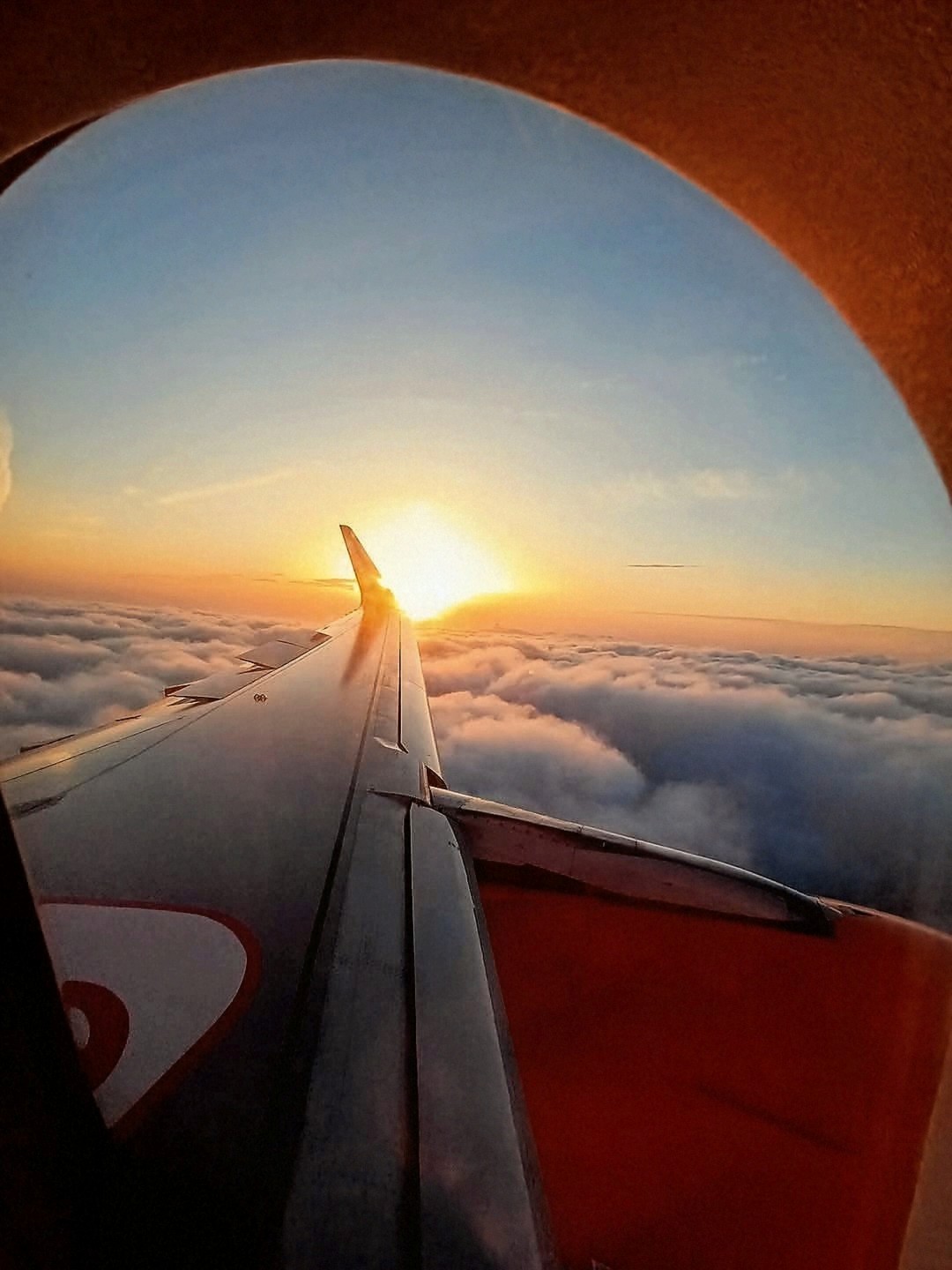
Thinner air means cheaper flight
The central reason is simple physics. Air gets thinner as altitude rises.
At 35,000 feet, air density is roughly a quarter of what it is at sea level, according to Science Insights. Thinner air pushes back less on the fuselage and wings, so drag drops.
Less drag means the engines do less work to hold the same speed. Less work means less fuel burned per mile. Fuel is one of the largest operating costs for airlines, so this efficiency matters enormously.
Turbofan engines, the kind on modern airliners, are also most efficient at high altitude when operating near their design limits, notes Simple Flying. The engines do not need to produce as much thrust because the air is thinner, so the plane can fly faster while burning less fuel at the same time.
The ceiling: engines need air too
The advantage stops at a point. As air density drops, each engine cycle draws in less oxygen. That changes the fuel-to-air mix in the combustor, which cuts efficiency and thrust.
Go too high and the engines cannot generate enough power to keep the plane at a safe speed. The 31,000 to 42,000 foot band is where drag reduction pays off without starving the engines of the air they need.
There is also the matter of lift. Wings need enough air molecules flowing over them to hold the plane up.
Beyond the service ceiling, typically around 45,000 feet for commercial airliners, the air becomes too thin for safe flight. That zone is effectively off limits for passenger jets.
Weight shapes the exact number within the band. Heavier planes fly lower; lighter planes fly higher. A fully loaded long-haul jet may start its cruise at 33,000 feet and climb as fuel burns off and the aircraft gets lighter, a practice called cruise climb.
Concorde was the famous exception. It cruised at 50,000 to 60,000 feet, high enough to need a special wing and engine design, and climbed steadily as it burned fuel, according to pilot Peter Terry, a 30-year commercial airline pilot.
Above the weather and the traffic
Altitude also buys a smoother ride. Most rain, wind, and turbulence top out around 36,000 feet. Cruising at or above 35,000 feet puts jets above nearly all significant weather, which makes for smoother and safer flights.
The troposphere, the lowest layer of the atmosphere where most weather happens, extends to about 36,000 feet. Just above it, in the lower stratosphere, the air is calmer. There are also no birds, insects, drones, or light aircraft at that height, all of which operate far lower.
There is a second, less obvious benefit. The atmosphere acts as a shield against some cosmic radiation, and higher altitudes expose passengers to slightly more of it. This is a minor concern on normal routes and part of why crew scheduling tracks cumulative exposure.
The odd-and-even altitude rule
Air traffic control organizes cruise levels by direction. Under FAA rules, aircraft heading roughly east, on compass headings from 0 through 179 degrees, fly at odd flight levels: 31,000, 33,000, 35,000 feet, and so on. Westbound aircraft fly even levels: 32,000, 34,000, 36,000 feet.
This 1,000-foot separation between opposite directions keeps planes apart vertically without complex routing. Airline dispatchers calculate each flight's ideal altitude from its weight, route, and forecast winds, then request it from air traffic control. Wind matters too: a strong tailwind at a different level can outweigh the efficiency of the textbook optimum.
Why not always fly at the absolute maximum?
Even when the plane could go higher, the climb itself costs fuel. A long, fuel-hungry climb to an extreme altitude can burn more than it saves, especially on shorter routes. Pilots and dispatchers weigh the climb cost against the cruise savings.
There is also a safety margin at play. Pressurized cabins protect passengers, but at 35,000 feet an unprotected person would lose consciousness in under a minute. Cabin pressure systems and oxygen masks exist for exactly this reason, and they are certified within a designed operating envelope.
So 35,000 feet is a compromise with a deep logic: low enough to breathe for engines and wings, high enough to slash drag and dodge weather.
Frequently asked questions
Why is cruising altitude measured in feet?
The airline industry still uses feet and inches as its standard measurements, even in countries that use metric on the ground. The odd-and-even flight level system is built around thousands of feet.
Do all planes cruise at the same altitude?
No. Turboprops do best below about 30,000 feet, according to the FAA. Military jets like the MiG-25M have reached far higher; Soviet pilot Alexander Fedotov flew one to 123,520 feet in 1977, the jet record.
Why does my flight sometimes cruise lower, like 28,000 feet?
Short flights, heavy loads, turbulence at higher levels, or unfavorable winds can all push the planned cruise lower. The dispatcher picks the level that balances fuel, time, and comfort for that specific flight.
Does flying higher make jet lag worse?
Not directly. Jet lag comes from crossing time zones, not from altitude. Cabin pressure is held at roughly 6,000 to 8,000 feet regardless of cruise altitude, which is why your ears pop during climbs and descents.
The bottom line
Planes cruise near 35,000 feet because that band offers the best trade: thin air that cuts fuel burn, enough oxygen to keep engines and wings working, and a calm ride above the weather. Higher would starve the engines. Lower would waste fuel fighting drag.
Latest in Travel
- Why airplane wings are swept back
- Why airplane food tastes bland at altitude
- Jet lag: eastward vs westward
- Why your ears pop on planes
Subscribe for one clear travel explainer every week.
Related stories

The 3-1-1 liquids rule for planes: what each number means
TSA's 3-1-1 rule limits carry-on liquids to 3.4-ounce containers in one quart bag. Where the 2006 rule came from, what counts, and how
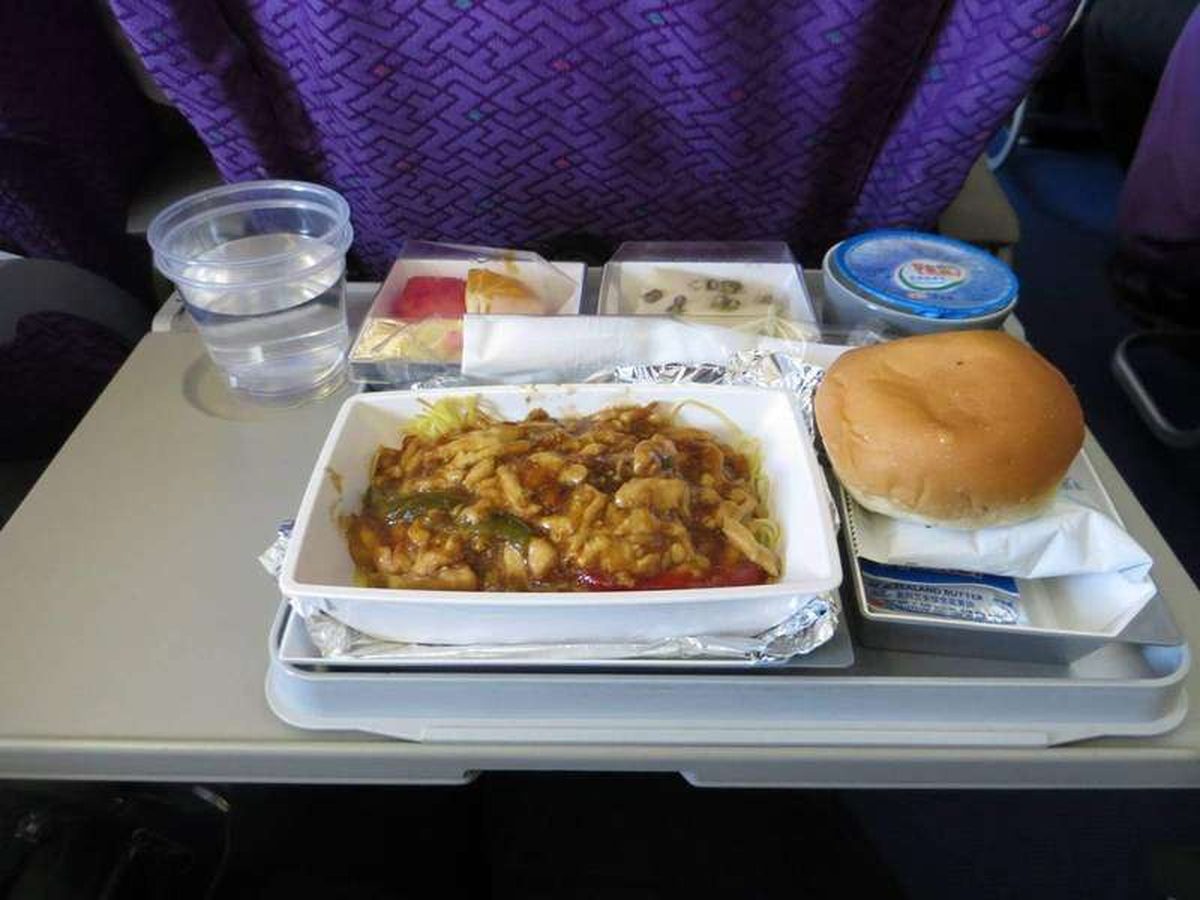
Why Is Airplane Food So Bland at Altitude?
A 2010 Fraunhofer study found altitude cuts sweet and salty perception by up to 30 percent. Low humidity, cabin pressure, and noise all
Carry-on size limits: why airlines each set their own
Airlines set their own carry-on limits because the FAA only requires each carrier to have a policy, not one global size. Why 22 x 14 x