
What to Do If Your Car Overheats on the Motorway
Key takeaways
- A rising gauge means act at once: switch off the air conditioning, turn the heater to maximum, and pull over safely.
- Never open the radiator cap on a hot engine; wait at least 30 minutes before touching anything under the bonnet.
- Do not drive on if the gauge climbs again after cooling; call for a tow instead.
An overheating engine on the motorway is a stressful moment, and it rewards a fixed routine over improvisation. The temperature gauge climbs toward the red zone, steam may appear from under the bonnet, and the car may lose power. What you do in the next two minutes decides whether the bill is a topped-up coolant bottle or a warped cylinder head.
This article explains what to do if your car overheats on the motorway. It covers the warning signs, the pull-over sequence, the do-not-open rules, the checks to make after cooling, and when to call for a tow instead of driving on.
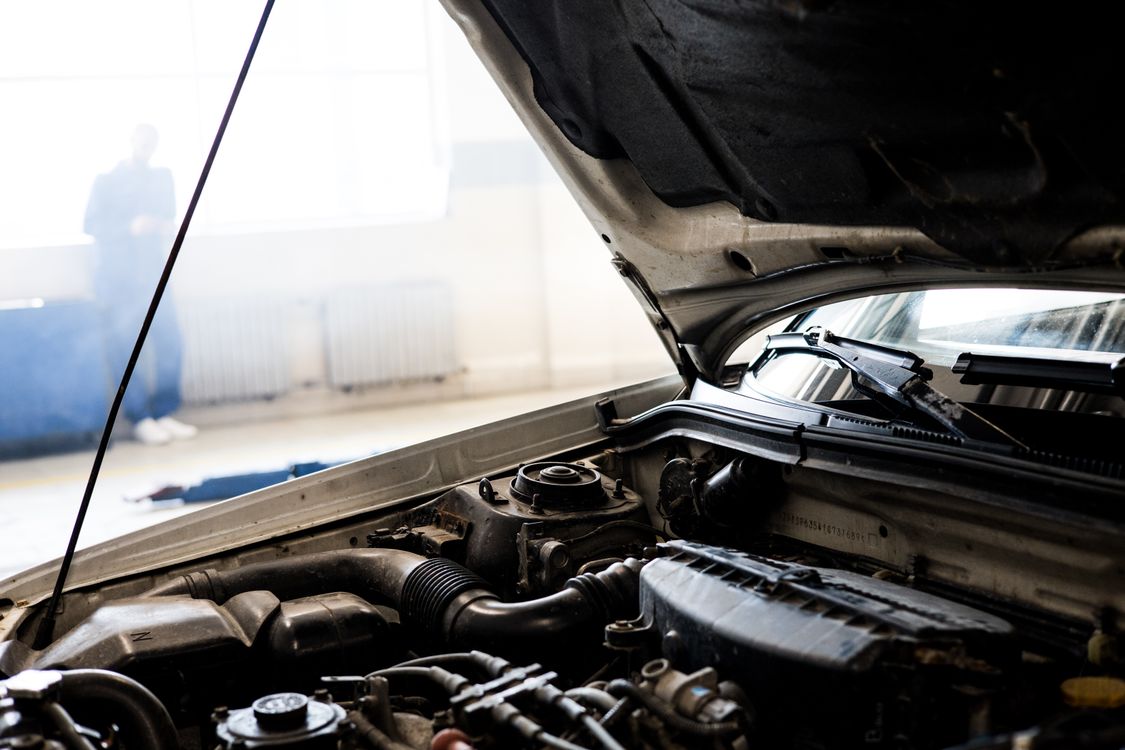
Recognize the warning signs early
The temperature gauge is the earliest warning. It normally sits near the middle of its range. When it moves toward the red zone, or a red temperature light comes on, the engine is overheating.
Do not wait to see if it settles. Act on the first climb.
Other signs confirm the problem. White steam or smoke from under the bonnet usually means coolant is leaking and evaporating. A sweet smell points to leaking antifreeze.
A hissing noise can mean coolant is boiling or escaping, and a knocking sound means the fuel-air mixture is igniting wrongly under high heat.
Any of these signs means the same thing: the cooling system cannot keep up. Overheating can warp the cylinder head, blow the head gasket, and in extreme cases seize the engine. Early action is cheap.
Late action is not.
The pull-over sequence
Step one: reduce the load. Switch off the air conditioning at once, since it adds load to the engine. Turn the heater to maximum heat with the fan on high.
This sounds wrong on a hot day, but the heater core works like a small second radiator. It pulls heat away from the engine and into the cabin. Open the windows if the cabin gets uncomfortable.
Step two: get off the live lanes. Signal, check your mirrors, and move smoothly to the hard shoulder, an emergency refuge area, or the nearest exit if one is close. Do not stop in a live lane or on a bend where other drivers cannot see you.
On a smart motorway with no hard shoulder, use a refuge area or leave at the next exit if you can do so safely.
Step three: switch off and stay safe. Once stopped, switch off the engine. Turn on the hazard lights.
If you have a high-visibility vest, put it on before leaving the car. Get out on the side away from traffic, move behind the barrier if one is present, and take all passengers with you. Do not stay in a car stopped on a hard shoulder.
Step four: wait. This is the hardest step, because it feels like doing nothing. It is the most important one.
The engine needs at least 30 minutes to cool. Motorist Malaysia's guidance is explicit: pull over, switch off the engine, and wait at least 30 minutes before opening the bonnet. The cooling system stays pressurized while hot, and that pressure is what makes the next step dangerous.
The do-not-open rules
The cooling system runs under pressure, and hot coolant can spray out and cause severe burns. Three rules keep you safe.
Do not open the radiator cap on a hot engine. This is the single most repeated warning in every breakdown guide, and it is repeated because people keep ignoring it. The cap holds back pressurized coolant that is hotter than boiling water at normal pressure.
Opening it releases that pressure in a burst of steam and scalding liquid. Wait until the engine is fully cool, at least 30 minutes, and even then open the cap slowly with a thick cloth.
Do not open the bonnet straight away. Steam can escape when the bonnet catch releases. Give the engine time first.
When you do open the bonnet, stand to the side and lift it slowly, keeping your face and hands clear of the gap.
Do not pour cold water on a hot engine. Cold water on a boiling-hot block can crack metal castings. It can also splash and burn.
Let the engine cool on its own. If you need to add coolant later, do it only after the engine has cooled, and use the correct coolant mix for your car.
While you wait, look for the cause from a safe distance. A puddle under the car, a split hose, or a fan that is not running when the engine is hot are all clues. Do not touch anything yet.
Observation is free, and it helps the mechanic later.
Checks after the engine cools
After at least 30 minutes, check the temperature gauge and look for steam. If both have settled, you can inspect the car.
Check the coolant level. Look at the coolant reservoir, the translucent plastic bottle near the radiator. The level should sit between the minimum and maximum marks.
If it is low, top it up with the coolant type your manual specifies. Motorist Malaysia notes that the usual mix is 50/50 coolant and water, though some cars use a 70/30 mix. Your manual has the exact type.
Plain water is a poor substitute: it is a common cause of overheating, and it offers no corrosion protection.
Look for leaks. Check hoses for cracks, softness, or bulges. Look for white or green stains around the radiator, hoses, and water pump, which signal dried coolant.
Check the ground under the car for fresh puddles. A leaking hose or radiator means the car should be towed, not driven.
Check the cooling fan. The electric fan should run when the engine is hot. If it never runs, the fault may be a blown fuse, a failed fan motor, or a stuck thermostat.
Note it for the mechanic.
Restart and watch the gauge. If the coolant is topped up and no leak is visible, restart the engine and watch the gauge closely. If the temperature rises again quickly, or steam reappears, switch off at once and call for help.
A car that overheats twice has a fault that roadside topping-up will not fix.
One more check belongs on every motorway trip: the cooling system before you set off. A quick look at the coolant level, the belt condition, and the radiator fins takes two minutes. A car battery warning light deserves the same habit.
When to call for a tow
Call for roadside assistance or a tow when any of these apply: steam is still coming from the bonnet after cooling, the temperature gauge climbs again after a restart, you can see a leak, the engine makes unusual noises, or the car has lost power. Driving on in any of these states risks turning a repair into a replacement.
If you are on a motorway, use the nearest emergency phone if your phone has no signal, and give your location from the nearest marker post. Stay behind the barrier while you wait. Keep the hazard lights on.
A tow feels like a defeat. It is not. It is the cheapest option once the engine has overheated twice, since a warped head or a blown gasket costs far more than a tow.
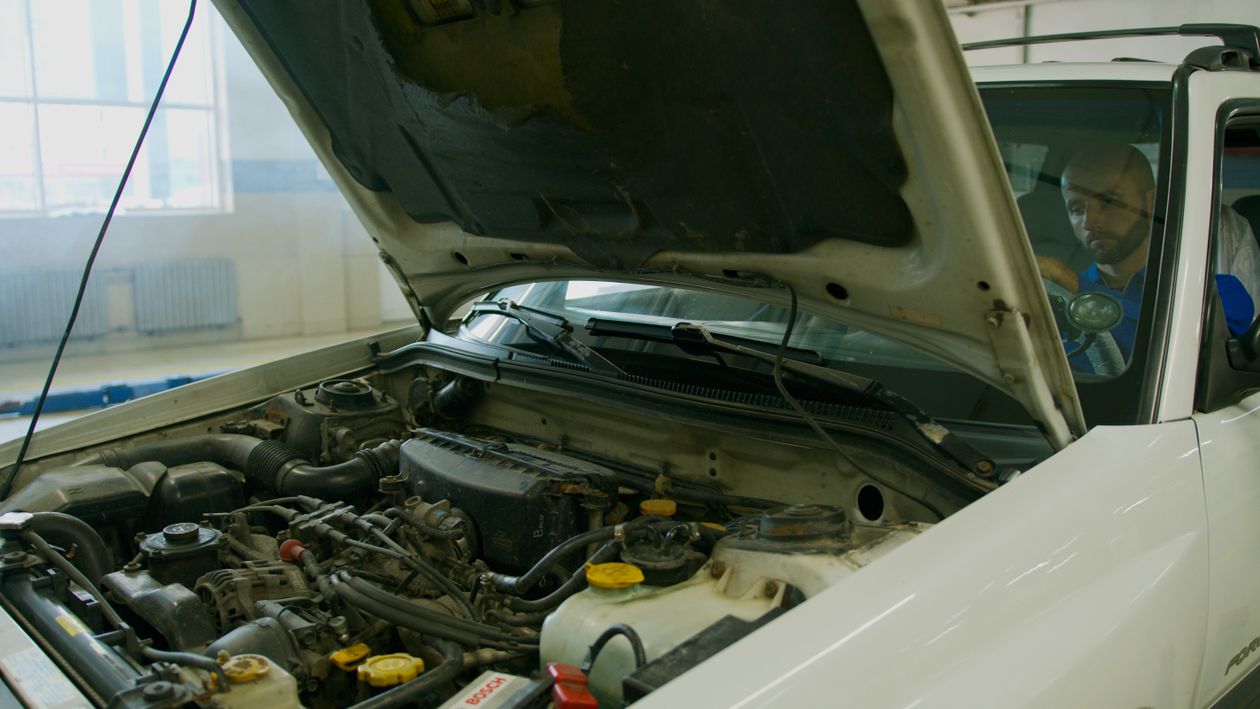
Preventing the next overheat
Most overheating has a maintenance cause, and most causes are cheap to prevent.
Check coolant monthly and before long trips. Look at the reservoir when the engine is cold. Top up with the correct type, and never open the radiator cap on a hot engine to check.
Flush the cooling system on schedule. AutoRacing1's maintenance guide notes that flushing the cooling system every 30,000 miles removes sediment that restricts coolant flow. Follow your manual's interval if it differs.
Inspect belts and hoses. Cracks, softness, or bulges mean a hose or belt is near the end of its life. A failed belt can stop the water pump, which stops coolant circulation at once.
Replace worn parts before they fail.
Keep the radiator fins clean. Dirt and debris on the fins block airflow and reduce cooling. Rinse gently with a low-pressure hose on cool fins, working from the engine side toward the front.
Never use a pressure washer, which bends the delicate fins.
Watch the fan and thermostat. If the fan does not run when the engine is hot, or the gauge behaves oddly after a thermostat change, get it checked. A thermostat stuck closed blocks coolant flow and raises the temperature fast.
Mind the load. Towing, steep climbs, and slow traffic on hot days all stress the cooling system. On a long climb, watch the gauge the way you watch the fuel gauge, and ease off early if it starts to rise.
Can I keep driving if the gauge is only slightly high?
No. A gauge above its normal range means the cooling system is already behind. Pull over at the next safe place.
A short drive at high temperature can warp the head.
Should I turn the engine off or leave it running?
Switch it off once you are safely stopped. Turning it off stops heat buildup. The one exception is if you are still moving toward a safe stopping place: keep going gently until you reach it, then switch off.
How long should I wait before opening the bonnet?
At least 30 minutes. The cooling system stays pressurized while hot, and opening the cap or bonnet too soon risks burns from steam and coolant.
What if the car overheats in slow traffic, not on the motorway?
The same sequence applies: air conditioning off, heater on maximum, pull over when safe, switch off, wait 30 minutes. In traffic, a fan that does not run is a common cause, so check it after cooling.
The bottom line
What to do if your car overheats on the motorway is a fixed sequence, and it is worth memorizing before you need it. Air conditioning off, heater on maximum, pull over safely, switch off, hazards on, everyone out and behind the barrier. Wait at least 30 minutes.
Never open the radiator cap on a hot engine. Check the coolant, look for leaks, restart only if the gauge holds steady, and call for a tow if it climbs again.
An overheated engine is a warning, not a death sentence, if you respect it. Stop early, wait patiently, and let the tow truck carry the risk instead of your engine.
Tags: car maintenance, breakdown safety, motorway driving, engine cooling
Latest in Auto
- How to Tell When Your Brakes Need Replacing
- Why Does My Car Shake When I Brake?
- How to Change a Car Battery Yourself Safely
Subscribe for one practical driving guide each week, straight to your inbox.
Related stories

Why Does Tire Pressure Drop in Cold Weather?
Cold weather can cut tire pressure by 1 psi for every 10°F drop, thanks to the ideal gas law. Here is what happens inside the tire and what

Why Do Brake Rotors Warp, or Do They Actually?
Mechanics rarely see a truly warped rotor. The shudder usually comes from uneven pad deposits a few thousandths of an inch thick. Here

How to Buy a Used Car Without Getting Scammed: The Checklist
Over 450,000 cars a year have rolled-back odometers, NHTSA says. This checklist covers VIN checks, title washing, and the inspection that