
How to Tell If Your Brakes Need Replacing
Key takeaways
- Squealing means the wear indicators are speaking, and grinding means metal is meeting metal.
- Check pad thickness: pads under 6 mm deserve attention, and pads near 3 mm need replacing soon.
- A soft pedal, a warning light, or a longer stopping distance means book an inspection without delay.
Brakes rarely fail without warning. They squeal, vibrate, pull, and fade first, and each signal points to a different part of the system. Learning to read those signals keeps a small repair from becoming a large one.
A brake check has three parts: listen, feel, and look. Together they form a checklist any driver can run in a few minutes, with no tools beyond a flashlight and a careful eye.
This article explains how to tell if your brakes need replacing, including the listen check, the feel check, the look check, the warning lights, what wears brakes out faster, and what to do next.
Listen: what brake sounds mean
Sound is usually the first warning, and different sounds mean different things.
Squealing or squeaking when you press the pedal typically means the pad wear indicators are kicking in. Most modern pads carry a small metal tab that scrapes against the disc when the pad material runs low, and that scrape is the high-pitched squeal. It is the car asking for new pads, not yet an emergency, but not a sound to ignore for weeks.
Grinding is more serious. A grinding noise usually means the pads have worn through and metal is meeting metal. At that point the rotor is being damaged with every stop, and the repair bill grows fast.
Book an inspection right away if you hear grinding.
Clicks, rattles, and other odd noises that start when you press the pedal and stop when you release it can point to brake hardware or pad problems. If the noise changes with brake pressure, it may signal uneven wear. Loose or missing anti-rattle clips and worn shims let pads move in the caliper, and that movement vibrates into noise.
One exception is worth knowing. Light squealing on the first stop of a damp morning can come from overnight moisture or surface rust on the rotors, and it often clears after a few stops. If the squeal stays past the warm-up, treat it as a wear signal rather than weather noise.
Noise can also come from pad material rather than wear. Ceramic friction materials are usually softer and quieter than semi-metallic ones, according to Counterman, and higher-grade pads often carry slots and chamfers that dampen noise. A good mechanic will check hardware, shims, and pad quality before blaming the pads alone.
Feel: what the pedal tells you
The pedal is the most honest gauge of brake health. Changes in feel almost always mean something changed in the system.
A vibrating or pulsing pedal under braking can signal warped rotors or pads wearing unevenly. The vibration rattles through the whole brake system and can cut stopping ability. It often shows up most clearly during firm stops from higher speeds.
A soft or spongy pedal can indicate air in the lines, old fluid, or low fluid. Brake fluid absorbs moisture over time, which lowers its performance and can corrode parts from inside. If the pedal sinks toward the floor, look for leaks and get the car inspected at once, since that can precede a serious failure.
A stiff pedal that is hard to press can point to sticking or seizing calipers. A car that pulls to one side when braking usually shows uneven wear or a caliper problem on one side. Both deserve prompt attention, since they change how the car behaves in an emergency stop.
Stopping distance is the test that matters most. If the car needs more road to stop than it used to, the pads or rotors may be worn. A decrease in braking response or a delayed reaction is a key replacement sign.
Any large change in stopping power calls for a full system check, not a wait-and-see week.
Look: the visual inspection
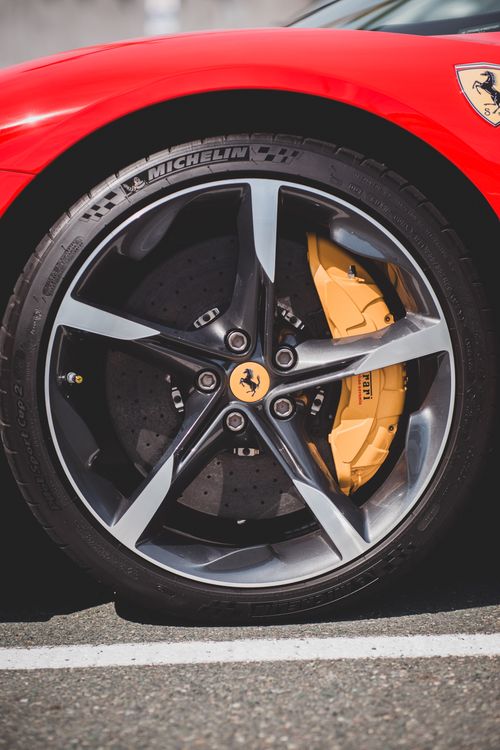
A visual check takes minutes and needs no tools beyond a flashlight. Many cars let you see the pads through the wheel spokes.
Check pad thickness first. If the friction material is less than 6.4 mm (about 1/4 inch) thick, it is time for new pads, according to AutoTech Blackhawk. Other guides draw the line tighter: pads near 3 mm need replacing soon.
Either way, the rule is the same. Thin pads have little material left to turn speed into heat, and they wear to the backing plate fast once they get thin.
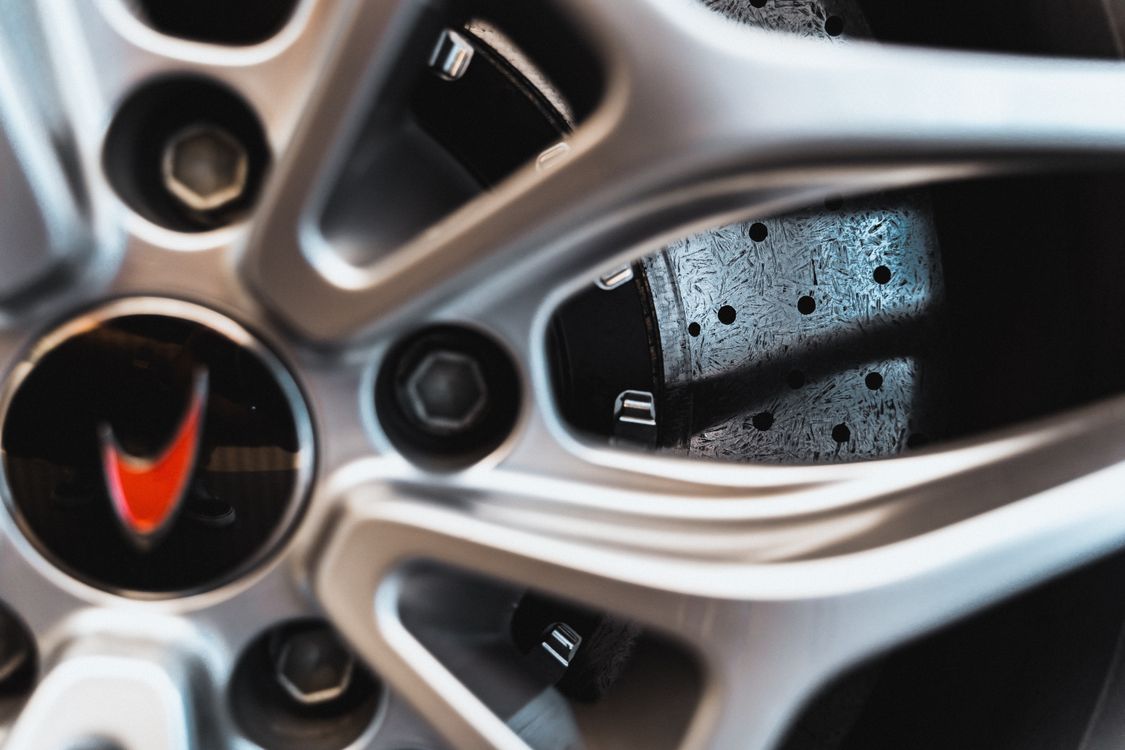
Look at the rotors next. Deep grooves, scoring, or a blue heat tint mean the rotor is damaged and needs replacing. Rotors should look smooth and even.
A rotor with a heavy lip at the edge has worn significantly and deserves a measurement.
Check the wheels for dust. A lot of black dust on one wheel can indicate pads breaking down, though some dust is normal with certain pad materials. What matters is a sudden change: one wheel far dirtier than the others points to uneven wear on that corner.
Look under the car for leaks. Brake lines with cracks, splits, or wet spots are not safe. Brake fluid leaks show up as a clear or amber fluid near the wheels or under the master cylinder area.
Any leak means the car should not be driven until it is inspected.
Front and rear brakes wear at different rates. Front brakes handle roughly 60 to 90 percent of stopping power in most cars, since weight transfers forward under braking, and front pads usually wear out sooner. Check both ends during routine inspections, and do not assume the rears are fine because the fronts were replaced.
If your car has a dashboard warning, the visual check can wait. A red brake warning light means the system needs immediate inspection. An ABS light points to the anti-lock system.
A yellow brake fluid light can mean leaks or low fluid. All three are direct warnings, and none should be ignored because the brakes still feel fine.
What wears brakes out faster
Driving style is the largest factor you control. Hard braking and quick stops, such as those in rush-hour traffic, wear pads fast. Riding the brake downhill overheats pads.
Anticipating stops, coasting to slow down, and braking early and gently all extend pad life.
Place matters too. City drivers who stop at every light will replace pads earlier than highway commuters. Mountain roads add heat and stress on long descents, and wet or rough roads make the system work harder.
Bad roads with gravel and potholes tax the brakes as well.
Weight matters. Heavy loads and towing add strain, since more mass needs more friction to stop. If you tow regularly, inspect pads more often and brake earlier and more gently to offset the load.
Pad type plays a role. Ceramic pads often last longer and produce less dust. Tire condition matters as well, since worn tires and uneven wear patterns change how the braking force reaches the road.
If your car shakes when you brake, read our guide on why your car shakes when you brake for the related causes.
Brake pads generally last 30,000 to 50,000 miles, according to AutoTech Blackhawk, but driving style and vehicle type can move that figure in either direction. Treat mileage as a rough guide, and trust the look-listen-feel check over the odometer.
What to do next
If the check shows one warning sign, book an inspection within days. If it shows two or more, or any grinding, a sinking pedal, a leak, or a warning light, book it now and keep driving to a minimum until then.
At the shop, ask for a full inspection, not just a pad quote. Pads, rotors, calipers, hoses, and hardware all affect braking, and a worn rotor or sticking caliper will ruin a new set of pads quickly. Ask the mechanic to show you the old pads and measure the thickness, so you can see the wear yourself.
Ask about bedding in new pads. New pads need gentle braking for the first 200 miles to transfer material evenly onto the rotor, and skipping that step can cause squeaking from uneven deposits. Follow the shop's break-in advice, and avoid hard stops during that period.
Keep a simple service record. Note the date, mileage, and what was replaced at each brake job. The record helps the next inspection go faster, and it shows the next buyer that the car was maintained.
For wider maintenance, read our guide on how to change a car battery yourself safely and our explainer on what the check engine light means.
FAQ
How thin is too thin for brake pads?
Pads under 6.4 mm (1/4 inch) are due for replacement, and pads near 3 mm need replacing soon. Check through the wheel spokes with a flashlight, or ask a mechanic to measure them during a service.
Why do brakes squeal only in the morning?
Overnight moisture or light surface rust on the rotors can cause brief squealing that clears after a few stops. If the squeal stays once the brakes warm up, treat it as a wear signal.
Does grinding always mean the pads are gone?
Grinding usually means the pads have worn through and metal is touching metal. It needs immediate inspection, since every stop damages the rotor further and raises the repair cost.
Can I keep driving with a soft brake pedal?
No. A soft or sinking pedal can mean air in the lines, low fluid, or a leak, and any of these can precede brake failure. Get the car inspected before driving it further.
How long do brake pads last?
Pads generally last 30,000 to 50,000 miles, but city driving, hills, heavy loads, and hard braking shorten that span, while gentle highway driving extends it. Trust the look-listen-feel check over mileage.
The bottom line
Listen for squealing and grinding, feel for vibration and pedal changes, and look at pad thickness and rotors. Pads under 6 mm deserve attention, grinding means act now, and a warning light or sinking pedal means stop driving until the car is inspected. Brakes are the one system where early attention is always cheaper than waiting.
Tags: auto, car maintenance, brakes, safety
Latest in Auto
- Why your car shakes when you brake
- How to change a car battery yourself safely
- What the check engine light means
- How to make your tyres last longer
Subscribe to the Rive News newsletter for one practical guide in your inbox each week.
Rive News publishes explainers from public sources. This article is for general information, not a substitute for a qualified mechanic's inspection.
Related stories

Why Does Tire Pressure Drop in Cold Weather?
Cold weather can cut tire pressure by 1 psi for every 10°F drop, thanks to the ideal gas law. Here is what happens inside the tire and what

Why Do Brake Rotors Warp, or Do They Actually?
Mechanics rarely see a truly warped rotor. The shudder usually comes from uneven pad deposits a few thousandths of an inch thick. Here

How to Buy a Used Car Without Getting Scammed: The Checklist
Over 450,000 cars a year have rolled-back odometers, NHTSA says. This checklist covers VIN checks, title washing, and the inspection that