
How to Make Your Tyres Last Longer With Simple Care
Key takeaways
- Check tyre pressure monthly, since underinflation wears the edges and overinflation wears the centre.
- Rotate tyres every 5,000 to 8,000 miles so front and rear tyres wear evenly.
- Replace tyres at 3 mm of tread for grip, and at 10 years of age no matter how much tread is left.
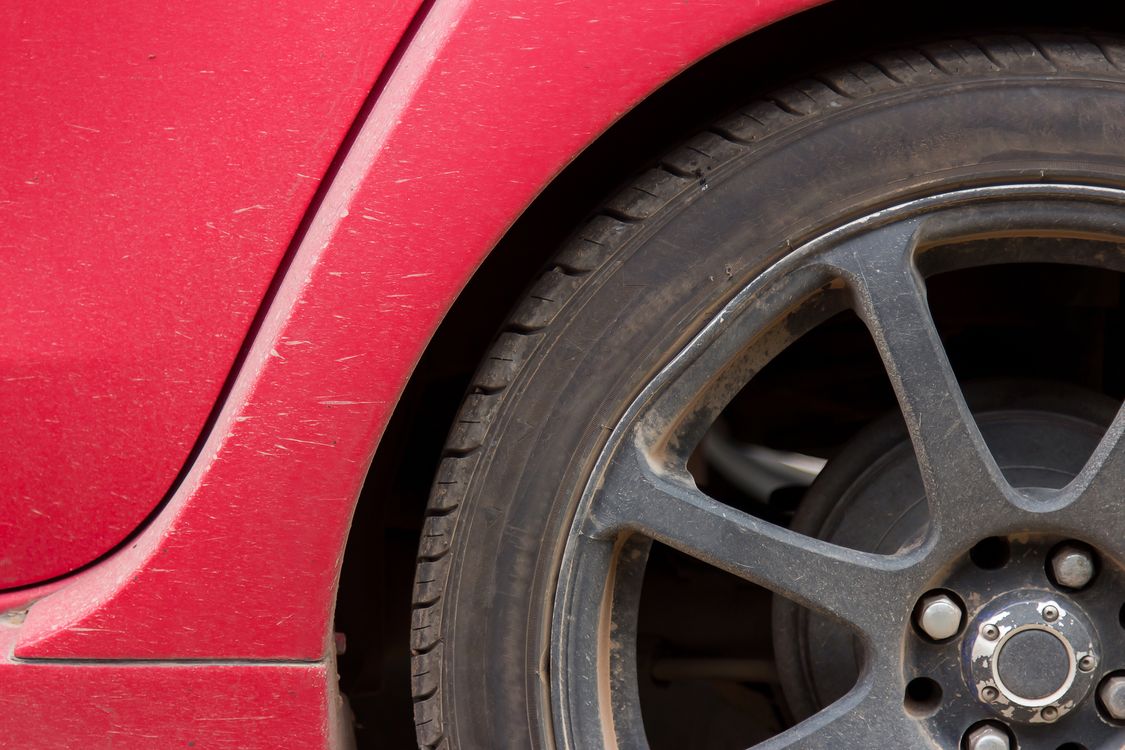
Tyres are the only part of a car that touches the road, and they wear out with every mile. Making them last longer is mostly a matter of small habits: right pressure, regular rotation, straight alignment, and smooth driving. None of these steps is hard, and together they can add thousands of miles to a set.
Most tyres last between 20,000 and 50,000 miles, according to Just Tyres, with premium brands lasting longer when driven with care. Time matters too. Tyres should generally be replaced every 5 to 10 years as the rubber ages, and Just Tyres notes that manufacturers such as Michelin and Continental advise replacement at 10 years no matter the tread depth.
This article explains how to make your tyres last longer, including pressure, rotation, alignment and balancing, driving habits, load, and inspection.
Keep the pressure right
Tyre pressure is the single most useful habit for tyre life. Just Tyres advises checking pressure monthly and always before long trips. Use the pressure listed in the vehicle handbook or on the sticker inside the driver door, not the number printed on the tyre sidewall.
The sidewall number is the maximum the tyre can take, not the pressure your car needs.
Underinflated tyres wear on the edges. The tyre squashes under the car, so the shoulders of the tread take the load. Overinflated tyres wear in the centre.
The middle of the tread bulges out and takes the load instead. Both kinds of uneven wear shorten tyre life, and both are easy to avoid with a monthly check.
Check pressure when the tyres are cold. Driving warms tyres and raises the pressure reading, so a check after a long drive reads high. Check in the morning, or after the car has sat for a few hours.
A garage forecourt gauge works, and a small digital gauge at home is cheap and more consistent.
Temperature changes shift pressure on their own. A cold snap can drop pressure by 1 to 2 PSI, which is enough to matter over a winter. Check more often when the seasons change.
A slow leak shows up the same way, as one tyre that keeps reading lower than the rest.
Rotate tyres on a schedule
Tyres wear at different rates depending on where they sit. Front tyres carry the steering and most of the braking force, so they usually wear faster than rear tyres. Rotation moves tyres between positions so the wear evens out across the set.
Just Tyres recommends rotation every 5,000 to 8,000 miles, or as the vehicle maker advises. Elite Garages gives a similar range of 5,000 to 7,500 miles. If those numbers sound hard to track, pair rotation with another job: ask for it at every second service, or every six months for average drivers.
The usual pattern moves front tyres to the rear and rear tyres to the front. Some cars need a different pattern, and directional tyres can only swap front to back on the same side. The handbook or a tyre shop can confirm the right pattern for your car.
Do not guess with directional tyres, since fitting one backward hurts wet grip.
Rotation is also a free inspection. The mechanic sees each tyre off the car, including the inner edges that are hard to check at home. Inner edge wear often means an alignment problem, and catching it at rotation time saves the next set of tyres.
Check alignment and balancing
Alignment sets the angles at which the wheels meet the road. When those angles are off, one edge of the tyre drags, and the tread wears in a feathered or one sided pattern. Just Tyres advises getting alignment checked if the car pulls to one side or if wear looks uneven.
Potholes, kerbs, and rough roads knock alignment out. A hard hit on a pothole is the classic cause. If the steering wheel sits off centre on a straight road, or the car drifts left or right on a flat road, book an alignment check.
Protyre advises checking alignment every 5,000 to 10,000 miles, or every second oil change for many drivers.
Balancing is a separate job. It evens out small weight differences around the wheel so the tyre spins smoothly. Unbalanced tyres vibrate, and the vibration wears the tread unevenly as well as tiring the driver.
Get balancing checked when you feel a vibration through the seat or steering wheel, or when new tyres are fitted.
Alignment and balancing cost far less than a new set of tyres. Treat both as routine, not as repairs for when something feels wrong.
Drive smoothly and avoid damage
Driving style decides how fast tread disappears. Hard braking, fast cornering, and sharp acceleration all scrub rubber off the tread. Just Tyres lists smooth driving as a key tyre saver: avoid hard braking, sudden acceleration, and aggressive cornering, and drive at moderate speeds to cut heat buildup in the tyres.
Speed matters because heat rises with it. Long runs at high speed heat the tread, and hot rubber wears faster. Slowing down on long motorway runs helps the tyres, and it helps fuel use at the same time.
The gain is small per trip, but it adds up across a set of tyres.
Brake early and gently where you can. Reading the road ahead and lifting off early saves the brakes as well as the tyres. The same applies to corners.
Slow down before the bend, not in it, so the tyres are not asked to brake and turn hard at once.
Avoid potholes, kerbs, and rough edges. A sharp pothole edge can cut the sidewall or crack the wheel, and kerbing at speed damages the tyre shoulder. Slow down for rough roads and give drains and potholes room.
If you do hit a pothole hard, check the tyre for bulges and the wheel for cracks as soon as you can stop safely.
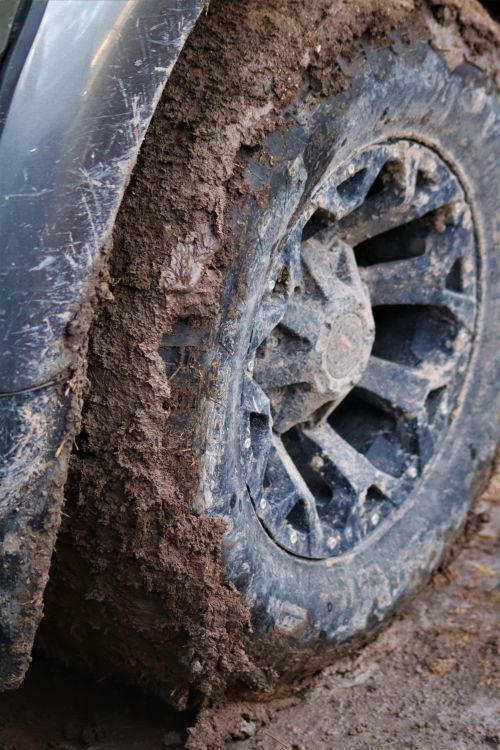
Do not overload the car
Every car has a maximum load, listed in the handbook and often on the driver door sticker. Extra weight presses the tyres harder into the road, raises their temperature, and speeds up wear. Just Tyres warns that overloading can also risk a blowout, since a hot, overloaded tyre can fail without warning.
Heavy loads need higher pressure. Most handbooks list two pressures: one for normal loads and one for full loads. If you are carrying four adults and a full boot, use the full load figure.
Return to the normal figure when the load is gone, since running high pressure with a light load wears the centre of the tread.
Inspect tyres every month
A monthly look at each tyre catches problems while they are cheap. Just Tyres advises inspecting tyres monthly for cuts, bulges, or embedded objects. Walk around the car and look at each tyre, including the inner edges you can see by turning the steering to full lock.
Check tread depth with a gauge or a 20p coin. The UK legal minimum is 1.6 mm, but Just Tyres advises replacing tyres at 3 mm for better grip. The 20p test is a rough guide: place the coin in the tread, and if the outer band of the coin shows, the tread is below the legal limit.
A proper gauge costs little and gives a real number.
Look for cracks in the sidewall and between the tread blocks. Rubber hardens and cracks with age, sun, and heat. Small cracks are a sign the tyre is ageing, and deep cracks mean it should be checked by a tyre shop.
Bulges in the sidewall are more urgent. A bulge means the inner structure is damaged, and the tyre can fail at speed.
Check for nails, screws, and stones stuck in the tread. A nail in the tread can often be repaired if it is in the middle of the tread and the tyre has not run flat. A nail in the sidewall cannot be repaired safely.
Do not pull a nail out at home if the tyre is holding air. Drive gently to a tyre shop and let them judge it.
Watch for uneven wear patterns, since they point to the cause. Wear on both edges means underinflation. Wear in the centre means overinflation.
Wear on one edge means alignment trouble. Feathered edges, where the tread blocks feel sharp one way and smooth the other, also point to alignment.
Store spare and seasonal tyres properly
Tyres that sit unused still age. Sun, heat, and ozone harden the rubber, so storage matters. Just Tyres advises keeping spare or seasonal tyres in a cool, dry place, away from direct sunlight, stored upright or stacked and covered to prevent cracking.
Keep stored tyres away from electric motors, solvents, and fuels. Ozone from motors and fumes from chemicals speed up cracking. A dark corner of a garage or shed, off the concrete floor, is better than a sunny yard.
Bagging each tyre in a dark plastic bag cuts light and ozone exposure.
If tyres are stored on wheels, stack them flat. If they are stored without wheels, stand them upright and rotate them every few weeks so they do not develop a flat spot. Mark each tyre with its position when you take it off, so it goes back in the right place next season.
How often should I rotate my tyres?
Every 5,000 to 8,000 miles is the usual advice from Just Tyres, with Elite Garages giving 5,000 to 7,500 miles. Pair rotation with a service visit so it is not forgotten. Check the handbook for the pattern your car needs.
What tread depth means a tyre needs replacing?
The UK legal minimum is 1.6 mm, but Just Tyres advises replacing tyres at 3 mm for better grip. Wet grip falls off fast below 3 mm, so the extra margin is worth it. Replace any tyre with a sidewall bulge at once, whatever the tread depth.
Does tyre pressure really affect tyre life?
Yes. Underinflated tyres wear on the edges and run hotter, while overinflated tyres wear in the centre and give less grip. A monthly check against the handbook figure is the cheapest way to add life to a set.
The bottom line
Tyres last longer when the basics are steady: monthly pressure checks, rotation every 5,000 to 8,000 miles, alignment checks after potholes or uneven wear, and smooth driving. Add a monthly inspection for tread depth, cracks, and bulges, and replace tyres at 3 mm of tread or 10 years of age. For more car care, see how to change a car battery yourself safely, what the check engine light means, and how to tell when brakes need replacing.
Tags: tyres, car maintenance, driving, safety
Latest in Auto
- How to change a car battery yourself safely
- What the check engine light means
- How to tell when brakes need replacing
- What to do when your car overheats on the motorway
Subscribe to the Rive News newsletter for one practical guide each week.
Related stories

Why Does Tire Pressure Drop in Cold Weather?
Cold weather can cut tire pressure by 1 psi for every 10°F drop, thanks to the ideal gas law. Here is what happens inside the tire and what

Why Do Brake Rotors Warp, or Do They Actually?
Mechanics rarely see a truly warped rotor. The shudder usually comes from uneven pad deposits a few thousandths of an inch thick. Here

How to Buy a Used Car Without Getting Scammed: The Checklist
Over 450,000 cars a year have rolled-back odometers, NHTSA says. This checklist covers VIN checks, title washing, and the inspection that