
What Does the Check Engine Light Actually Mean
Key takeaways
- The light means the car's computer found a fault in the engine or emissions system, not that the engine is about to fail.
- A flashing light means pull over safely and stop driving, while a steady light usually means book a diagnosis soon.
- A trouble code points to a system, not a part, so a code alone never proves which component failed.
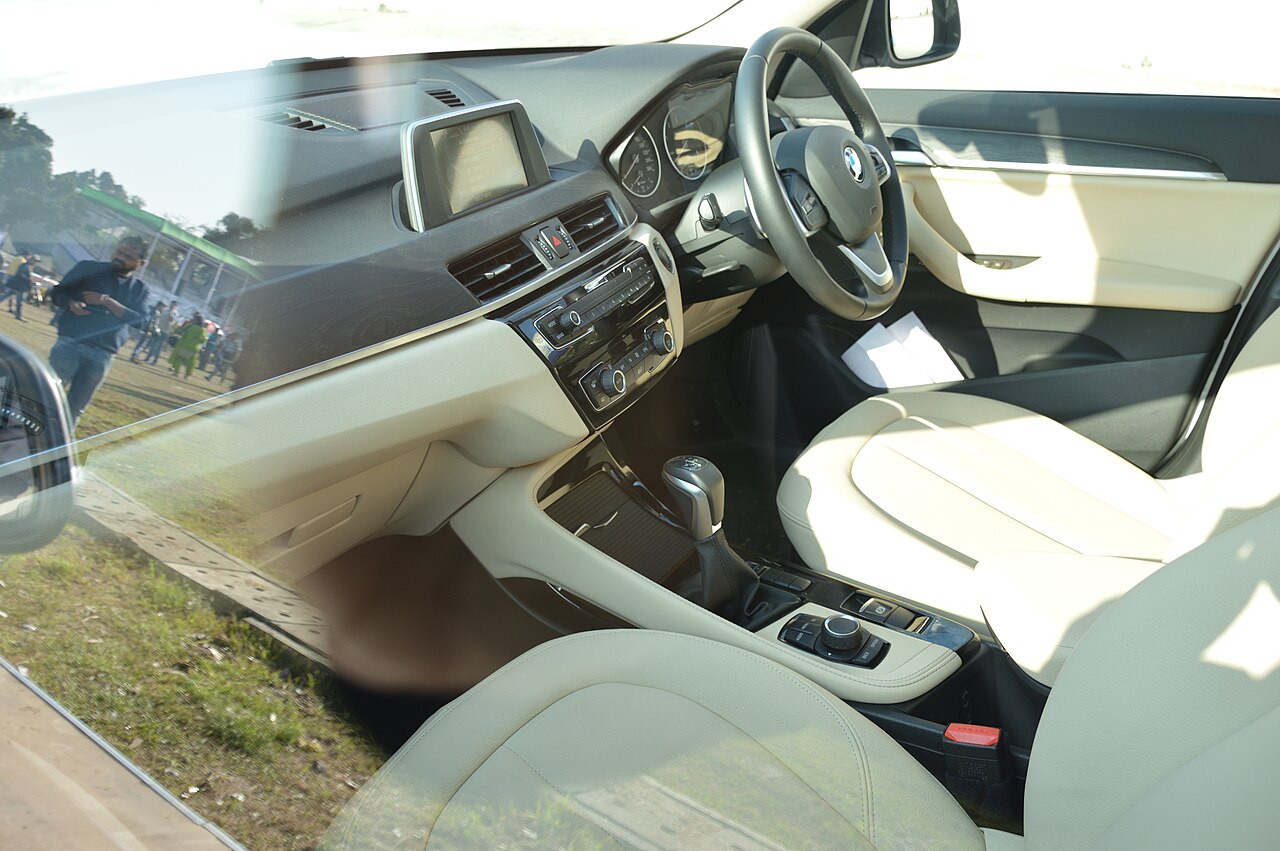
The check engine light is one of the least helpful warnings in a car. It tells you something is wrong, but not what, and not how urgently you should act.
That vagueness is by design. One lamp covers hundreds of possible faults, from a loose fuel cap to a failing catalytic converter.
This article explains what does the check engine light actually mean, including the steady-versus-flashing rule, the loose-cap-to-misfire triage, what trouble codes can and cannot prove, and when to stop driving.
The light is a messenger, not a diagnosis
Your car runs a constant self-check. Sensors watch the engine, the exhaust, and the emissions system, and the computer compares their readings against expected ranges.
AAA explains that the check engine light has been installed on vehicles since the 1930s, when it flagged major engine trouble. Since 1996, most cars have carried emission monitoring systems that track how much pollution the vehicle releases.
Those electronic sensors monitor hundreds of conditions per second. When a reading falls outside the normal range, the computer stores a diagnostic trouble code and switches the light on.
The code is the useful part. The light only tells you to look for it. A scan tool reads the stored code, and that code narrows the search to one system.
One warning follows from this. A code names a circuit or a reading, not a failed part. Treating a code as a shopping list is one of the most common and most expensive mistakes drivers make.
Steady light versus flashing light
The first thing to check is how the light behaves. That single detail separates a prompt repair from an emergency.
A steady light means the computer found a fault that affects fuel efficiency, emissions, or an important mechanical system. If the car still runs normally, you can usually finish your trip, drive gently, and book a diagnosis soon.
If the car runs poorly with a steady light, drive cautiously and deal with the problem right away. Rough running, loss of power, strange smells, or a rising temperature gauge all raise the urgency.
A flashing light is different. It means something is critically wrong, and further damage can follow quickly. Pull off the road safely, switch the engine off, and call for roadside assistance.
AAA Idaho public affairs director Matthew Conde put it plainly: "A solid check engine light urges the driver to address the issue as soon as possible, while a flashing light usually requires immediate attention."
A flashing light often means an active misfire. Unburned fuel reaches the exhaust, where it can overheat and destroy the catalytic converter in minutes. That is why the advice is to stop rather than to drive on and hope.
The loose-cap-to-misfire triage
Most check engine lights fall somewhere on a scale from trivial to serious. Working through that scale keeps a cheap fix from turning into a garage bill.
Start with the fuel cap. The cap seals the evaporative emission control system, which traps fuel vapour instead of letting it escape into the air. A loose or cracked cap lets the system fail its own pressure test.
The computer then logs a leak code. Codes linked to a loose or missing cap include P0455, for a large evaporative system leak, and P0457, which often points to the cap itself, according to Engineer Fix.
If the light came on shortly after refuelling, the cap is the prime suspect. Remove it, check the rubber seal for cracks or dirt, refit it until it clicks, and drive normally for a few days. The light may take several drive cycles to clear.
Next come the sensors. A faulty oxygen sensor misreads the oxygen in the exhaust, which changes how much fuel the engine injects. A dirty mass airflow sensor has a similar effect.
Both can cut fuel economy and trigger the light.
Then come ignition parts. Worn spark plugs and failing ignition coils cause misfires, which are the most urgent common cause after a flashing light. Symptoms include rough idling, hesitation under acceleration, and shaking.
The catalytic converter sits at the expensive end. It cleans the exhaust, and it can fail on its own or be damaged by an ignored misfire or a faulty oxygen sensor. AAA warns that a small fault such as a bad oxygen sensor can snowball into converter damage if it is ignored.
Other causes include an intake vacuum leak, a weak battery or alternator, and a cracked intake manifold gasket. The full list is long, which is why the code and the symptoms together matter more than any single guess.
What a trouble code can and cannot prove
A diagnostic trouble code is a starting point, not a verdict. Many auto parts stores will read the code for free, and that reading is useful information.
AAA warns that parts stores cannot truly diagnose the issue. They can only report which parts or systems may have failed. Replacing a part named by a code will not necessarily fix the problem.
A concrete example shows why. An oxygen sensor code can mean the sensor has failed, the wiring is damaged, the engine is running rich for another reason, or the converter downstream is failing. Each cause needs a different repair.
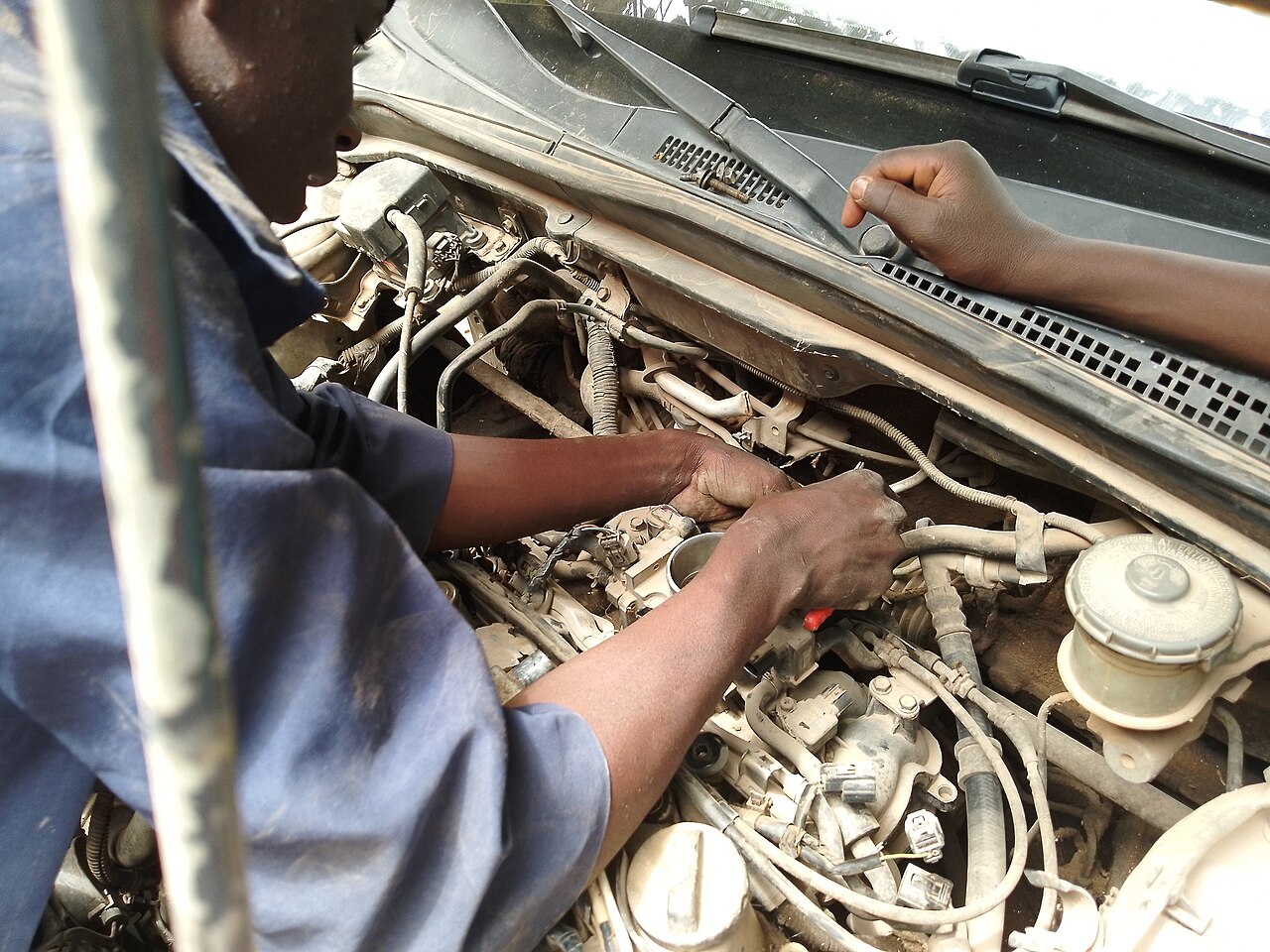
A professional diagnosis tests the suspect system rather than swapping parts. A technician checks live sensor data, inspects wiring and connectors, and confirms the fault before quoting a repair.
That testing costs money, and it often saves more than it costs. Guessing at parts can burn through the price of a diagnosis several times over without fixing anything.
Keep the code record when you visit a garage. Note the code number, when the light came on, whether it was steady or flashing, and any symptoms such as shaking or smells. That note shortens the diagnostic work.
What happens if you ignore it
A steady light with a car that drives normally tempts drivers to ignore it. The risks of waiting are real, even when the car feels fine.
AAA lists four consequences of ignoring the light. Emissions rise, fuel efficiency falls, small faults grow into larger ones, and safety can suffer if the fault worsens suddenly.
The snowball effect is the costly one. A faulty oxygen sensor can damage spark plugs and the catalytic converter. A misfire left alone can destroy the converter.
Each step up the chain costs far more than the step before it.
Some faults also affect roadworthiness. A car with a failed converter may fail an emissions test, and a car that stalls in traffic creates a hazard for everyone around it.
Ignoring a flashing light is the worst option of all. The damage that follows can happen in minutes, not weeks, and the repair bill can run into four figures.
A light that turns itself off is not proof that the fault healed. Some faults are intermittent, and the computer may switch the lamp off while keeping a pending code stored. A light that comes and goes is still worth scanning.
What to check before you call a garage
A short list of checks can settle the simplest cases without a visit. Work through them in order, and stop as soon as something looks wrong.
First, check the fuel cap. Tighten it, check the seal, and give the car a few days of normal driving to retest the system.
Second, check the dashboard as a whole. A temperature gauge climbing toward red, an oil pressure warning, or a battery warning alongside the check engine light all raise the urgency. If the car battery warning light has come on, treat the electrical system as a suspect too.
Third, listen and feel. Rough idling, hesitation, shaking, new noises, or a smell of fuel all point toward ignition or fuel problems rather than a sensor glitch.
Fourth, check for obvious leaks or loose parts under the bonnet only if you are comfortable doing so. Look for cracked hoses, loose caps, and disconnected plugs. Do not touch hot or moving parts.
If the light is flashing, skip the list. Pull over safely, switch off, and call for help.
Frequently asked questions
Can a loose gas cap really turn the light on?
Yes. A loose or cracked cap breaks the seal on the evaporative emissions system, and the computer logs a leak code. Tighten the cap until it clicks, then drive normally for a few days while the system retests.
Does a loose gas cap cause a misfire?
No. Engineer Fix explains that a loose cap causes an emissions system fault, not a combustion failure. A true misfire means a cylinder failed to burn its fuel-air mixture, and it usually brings rough running or a flashing light.
Is it safe to drive with the light on?
A steady light with a car that drives normally usually allows a careful trip to a garage. A flashing light means stop driving as soon as it is safe, because continued driving can damage the catalytic converter.
Will the light turn off on its own?
It can, if the fault does not repeat over several drive cycles. The computer may keep a pending code stored, so a light that comes and goes is still worth scanning.
The bottom line
The check engine light means the computer found a fault, and its behaviour tells you how fast to act. Flashing means stop. Steady means diagnose soon, starting with the fuel cap and the symptoms.
Get the code read, keep the record, and let a technician test before you pay for parts. That order turns a vague warning into a repair you can trust.
Tags: check engine light, car maintenance, diagnostics, emissions
Latest in Auto
- Why the car battery warning light comes on
- Why your car shakes when you brake
- Change a car battery yourself safely
- How to make your tyres last longer
Subscribe to the Rive News newsletter for one practical motoring guide each week.
Related stories

Why Does Tire Pressure Drop in Cold Weather?
Cold weather can cut tire pressure by 1 psi for every 10°F drop, thanks to the ideal gas law. Here is what happens inside the tire and what

Why Do Brake Rotors Warp, or Do They Actually?
Mechanics rarely see a truly warped rotor. The shudder usually comes from uneven pad deposits a few thousandths of an inch thick. Here

How to Buy a Used Car Without Getting Scammed: The Checklist
Over 450,000 cars a year have rolled-back odometers, NHTSA says. This checklist covers VIN checks, title washing, and the inspection that