
Why Does Your Car Battery Warning Light Come On
Key takeaways
- The light means the battery is not charging, not that the battery is simply flat.
- The most common cause is the alternator, but belts, connections, cabling, and the battery itself can trigger it.
- Switch off non-essential electrics and head to a garage fast, since the car runs on stored battery power alone.
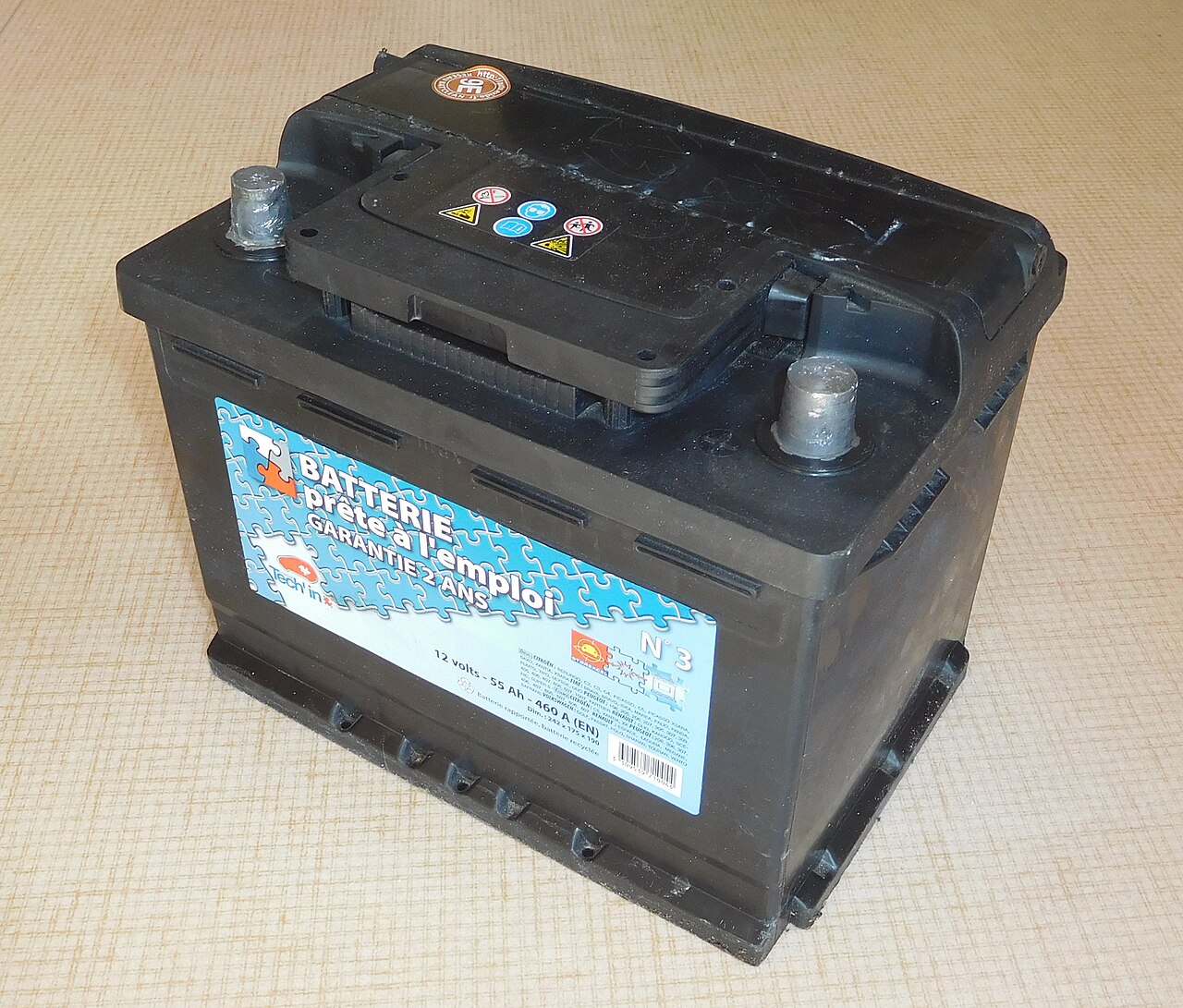
A red battery symbol on the dashboard looks like a battery problem. In most cases it is a charging problem. The car is telling you the battery is not receiving charge while the engine runs.
This article explains why your car battery warning light comes on, including what the light monitors, the main causes, how to tell an alternator fault from a battery fault, and what to do when the light appears.
What the battery light actually monitors
The battery light is a charging system warning. It watches whether the charging system is feeding the battery and the electrics. When the engine runs, the alternator should generate power for the car and top up the battery.
The RAC describes the Ford battery charging system warning light as a sign that the battery is not charging correctly. It lists the possible causes as a faulty alternator, a worn battery, a bad electrical connection, or damaged cabling. The Renault guide uses the same wording: the light means the battery is not charging.
That is the key point. The light does not measure how much life the battery has left. It reports that charging has failed or fallen short.
A healthy battery with a dead alternator still triggers the light. A failing battery can also trigger it, but that is the less common path.
The light should come on with the ignition and go out once the engine starts. That brief glow is a self-check. If it stays on after starting, or comes on while driving, the charging system needs attention.
The alternator: the most common cause
The alternator is a small generator driven by the engine. It powers the lights, the ignition, the heater fan, and the other electrics while you drive. It also recharges the battery.
When the alternator fails, the car starts drawing on the battery alone. The battery drains. The lights dim, the heater weakens, and the engine can cut out once the stored charge runs out.
That is why the light is urgent even when the car still drives normally at first.
Alternator faults take several forms. The internal brushes wear down. The voltage regulator fails.
A bearing seizes and the unit groans or grinds. Any of these stops the alternator from holding the right output voltage.
Age and heat wear alternators down over years. A car that does many short trips stresses the charging system too, since the battery rarely gets a full recharge. If your battery light has come on and the battery is under three years old, the alternator is the first suspect.
For other dashboard warnings, see what the check engine light means.
The drive belt: a cheap fix with big effects
The alternator does not run on its own. A drive belt, often called a serpentine or auxiliary belt, spins it from the engine. If that belt slips, cracks, or snaps, the alternator stops turning and the light comes on.
A slipping belt may squeal, especially on a cold start or when you switch the air conditioning on. A snapped belt is more dramatic: the light comes on, the power steering may go heavy, and the temperature gauge may climb if the same belt drives the water pump.
Belt checks are quick. Look for cracks, fraying, or a glazed shine on the belt surface. Press the belt lightly to check tension, but keep fingers and clothing clear of moving parts and a hot engine.
A worn belt is one of the cheapest charging faults to fix, so it is worth checking before assuming the alternator has failed.
Battery faults that trigger the light
A battery can trigger the light when it cannot hold a charge. Old batteries lose capacity. Cold weather exposes weakness, since starting takes more effort and chemical reactions slow down.
A battery over four or five years old is a plausible culprit.
Internal damage also matters. A shorted cell drops the battery voltage and the charging system cannot bring it back. Swelling, a rotten egg smell, or a case that feels hot can all point to a failing battery.
Do not open a battery or touch leaking fluid. Leave that to a garage.
Loose or corroded terminals cause a similar effect. Corrosion looks like a white, green, or blue crust around the terminals. It blocks the flow of current between the battery and the car.
The alternator may be fine, but the charge cannot reach the battery. Cleaning terminals is a simple job, but switch the engine off first and avoid touching both terminals at once. If you plan to fit a new unit yourself, how to change a car battery yourself safely covers the steps.
Wiring and connection faults
Wiring faults sit between the battery and the alternator. A corroded earth strap, a damaged cable, or a loose plug can break the charging circuit. Road salt, damp, and vibration all attack connections over time.
These faults can make the light flicker. A light that comes and goes, especially over bumps or in wet weather, often points to a loose connection rather than a dead alternator. Note when the flicker happens.
That detail helps a mechanic find the fault faster.
Flickering can also come from a failing voltage regulator. The regulator keeps the alternator output steady. When it fails, voltage swings up and down.
Lights may brighten and dim with engine speed. That pattern points to the charging system rather than the battery.
How to tell alternator from battery
A simple voltage test separates the two. You need a multimeter, which is a cheap tool sold at auto shops. Set it to DC volts and touch the red probe to the positive terminal and the black probe to the negative terminal.
With the engine off, a healthy fully charged battery reads about 12.6 volts. A reading near 12.0 volts or lower means the battery is weak or discharged. With the engine running, the reading should rise to about 13.7 to 14.7 volts if the alternator is charging.
AutoTechIQ gives the same ranges.
Read the pair of numbers together. If the off reading is near 12.6 volts but the running reading stays near 12 volts, the alternator is not charging. If the running reading is in the charging range but the car still struggles to start, the battery is the likelier fault.
Watch the running reading for a minute. A steady reading in range is a good sign. A reading that falls, or one that climbs above 15 volts, points to a regulator or alternator fault.
Switch the engine off and get the car checked if the reading looks unstable.
What to do when the light comes on
Act at once. The car is running on stored battery power, and that power is limited. The RAC warns that with the Ford red charging light on, the battery may fail without notice, and it advises against driving on.
Switch off non-essential electrics: air conditioning, heated screens, heated seats, the stereo, and phone chargers. Keep headlights on if you need them for safety. Every item you switch off buys a little more driving time.
Head to the nearest garage or a safe place to stop. Do not switch the engine off until you reach help, since it may not restart. If you are at home or at work, call a mobile mechanic.
If you are on the road, pull over somewhere safe and call for roadside assistance.
Do not keep driving in the hope the light clears. A short flicker that clears on its own still deserves a check, but a steady light means you are on borrowed time. A tow costs less than a stalled car in traffic.
Keeping the car in good shape also helps other parts last, and how to make your tyres last longer covers one more part of that routine.
What repair costs look like
Costs vary by car, but the shape of the bill is consistent. AutoTechIQ puts a replacement battery at about 100 to 250 dollars. An alternator replacement runs about 300 to 700 dollars or more with labour.
A drive belt or a terminal clean costs far less.
Those figures are broad guides for the US market, and prices differ by model and region. Ask the garage for a charging system test before agreeing to parts. A good garage tests the battery, alternator, and connections together and names the failed part.
Replacing the battery when the alternator is at fault leaves you with the same light and a lighter wallet.
A jump start will not fix a charging fault. It may get the engine turning, but the battery will drain again if the alternator is not charging. Use a jump start only to reach help, not as a repair.
FAQ
Can I drive with the battery light on?
Only as far as the nearest safe place or garage. The car runs on battery power alone, and that power runs out. A steady red light means get help now rather than finishing the journey.
Does the light mean I need a new battery?
Not always. The light means the battery is not charging. The fault is often the alternator, the belt, or a connection.
Test before you buy a battery.
Why does the light flicker sometimes?
A flicker often points to a loose belt, a loose connection, or a failing regulator. Note when it flickers and tell the garage. The pattern helps narrow the cause.
Can cold weather cause the light?
Cold weather exposes a weak battery, but it does not cause a charging fault on its own. If the light stays on after starting on a cold morning, the charging system still needs a check.
Will the light clear on its own?
It can clear if the fault is brief, such as a wet belt that dries out. Do not rely on that. A light that cleared still deserves a charging test, since the fault may return.
The bottom line
The battery warning light means the charging system has failed, not that the battery is simply flat. The alternator is the most common cause, followed by the belt, connections, cabling, and the battery itself. Switch off extra electrics, drive to help without switching the engine off, and ask for a charging system test before paying for parts.
A quick voltage check tells you most of what you need to know. If the car also shakes under braking, why your car shakes when you brake covers that separate fault.
Tags: cars, battery, warning lights, maintenance
Latest in Auto
- Why your car shakes when you brake
- How to change a car battery yourself safely
- What the check engine light means
- How to tell when your brakes need replacing
Subscribe to the Rive News newsletter for one practical motoring guide each week.
Related stories

Why Does Tire Pressure Drop in Cold Weather?
Cold weather can cut tire pressure by 1 psi for every 10°F drop, thanks to the ideal gas law. Here is what happens inside the tire and what

Why Do Brake Rotors Warp, or Do They Actually?
Mechanics rarely see a truly warped rotor. The shudder usually comes from uneven pad deposits a few thousandths of an inch thick. Here

How to Buy a Used Car Without Getting Scammed: The Checklist
Over 450,000 cars a year have rolled-back odometers, NHTSA says. This checklist covers VIN checks, title washing, and the inspection that