
How to check your coolant level and top it up safely
Key takeaways
- Check coolant only when the engine is fully cold, using the reservoir marks, never by opening a hot radiator cap.
- Top up with the coolant type your manual specifies, premixed or a 50/50 mix with distilled water, and never above the MAX line.
- A level that keeps dropping, or coolant that looks rusty or oily, points to a leak or a bigger problem.
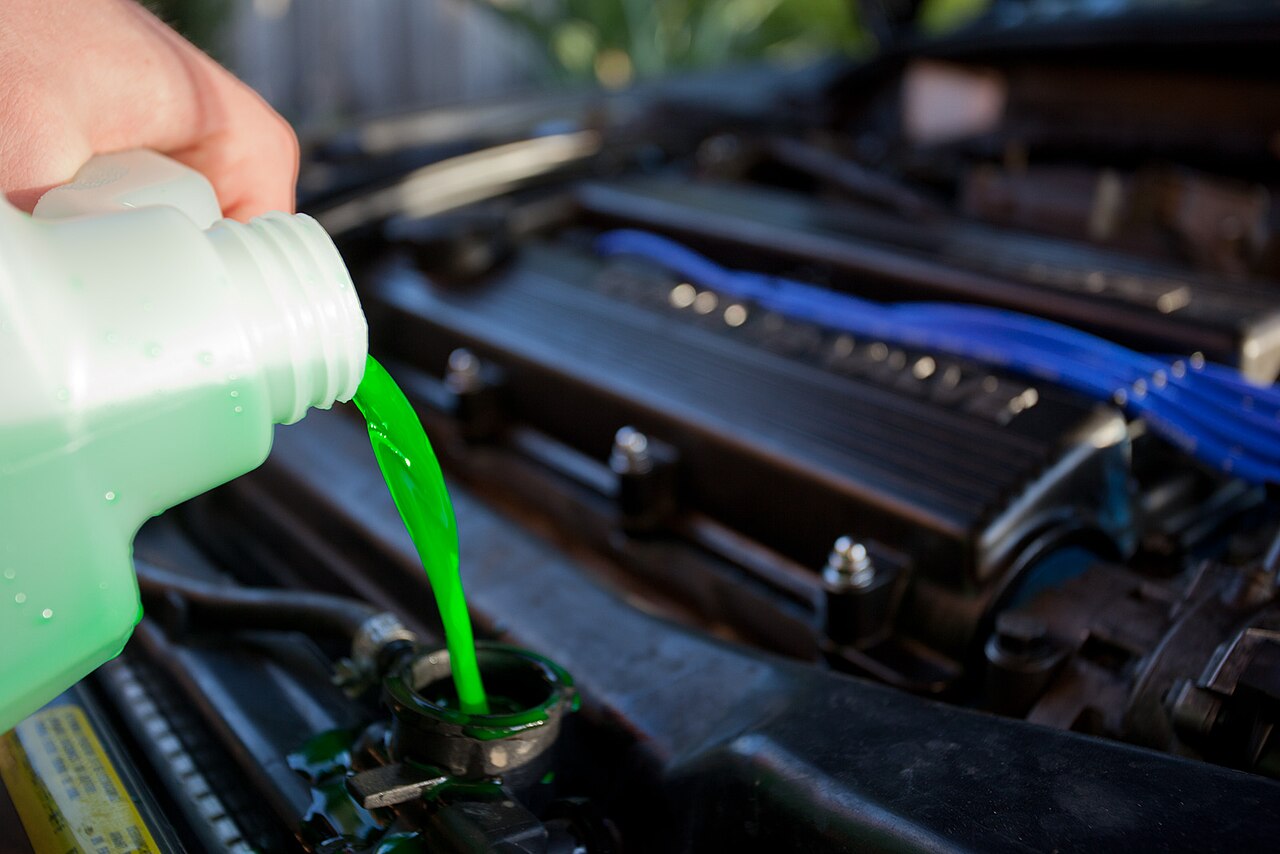
Coolant is the fluid that carries heat away from your engine and keeps the temperature in a safe range. It also guards against freezing in cold weather and helps slow corrosion inside the cooling system. When the level drops too low, the engine can overheat, the cabin heater can stop working, and a small problem can turn into a costly repair.
This article explains how to check your coolant level and top it up safely, including where to look, which coolant to use, what the color of the fluid tells you, and when a low level means you need a mechanic. The whole check takes a few minutes once you know the routine.
What coolant does in your car
Your engine makes a large amount of heat while it runs, and the cooling system moves that heat away. Coolant circulates through the engine and radiator, picks up heat, and releases it through the radiator. The system works under pressure, which raises the boiling point of the fluid and lets it carry more heat.
A low coolant level breaks that cycle. With less fluid moving through the system, heat builds up faster than the radiator can shed it. The temperature gauge climbs, and in serious cases the engine can suffer damage to gaskets or the cylinder head.
That is why a quick check in your driveway beats dealing with steam on the side of the road.
The one rule that comes first
Never open the cooling system when the engine is hot. Hot coolant sits under pressure, and releasing the cap can spray scalding fluid and steam. YourMechanic puts it bluntly in its guide: never open the radiator when the engine is hot.
The same rule applies to the reservoir cap on many cars.
Wait until the engine is fully cold before you touch anything. One guide suggests waiting 20 to 40 minutes after driving, while a safer habit is to check first thing in the morning before the car has run at all. YourMechanic offers a rough touch test: if you cannot hold a light touch on the radiator for 20 seconds, it is still too hot.
Where to check the level
On most modern cars, you check the coolant reservoir, not the radiator. The reservoir is a translucent plastic tank near the radiator, often marked with the words Coolant or Engine Coolant. Its side carries MIN and MAX lines, sometimes labeled LOW and FULL.
You can usually read the level through the tank wall without removing the cap at all.
Find the tank under the hood and look at where the fluid sits against those marks. If the level rests between the minimum and maximum lines while the engine is cold, the level is where it should be. If it sits below the minimum line, the system needs attention.
The reservoir exists to make this check safe and simple, so use it for everyday checks.
Some older vehicles have no clearly marked overflow tank, and layouts vary between models. If you cannot identify the reservoir, your owner's manual will show its location and the correct coolant type. That manual is also the final word on which formula your car needs, since mixing the wrong types can cause trouble.
A flat tyre check uses the same habit of checking before a trip, and coolant deserves the same place in the routine.
How to top up coolant step by step
Top up only when the engine is completely cold. Work slowly, keep the fluid off your skin and off paint, and use a funnel to avoid spills. Coolant is toxic, so keep it away from children and pets, and wipe up any spill right away.
- Park on a level surface and confirm the engine is cold.
- Open the hood and find the coolant reservoir and its MIN and MAX marks.
- Read the level through the tank wall. If it is below MIN, plan a top-up.
- Check your owner's manual for the correct coolant type and whether it comes premixed.
- Open the reservoir cap, not the radiator cap, and pour slowly with a funnel.
- Fill to the MAX or FULL line, never above it. Overfilling can push fluid out as the system warms up.
- Close the cap firmly, then recheck the level after a short drive and a full cool-down.
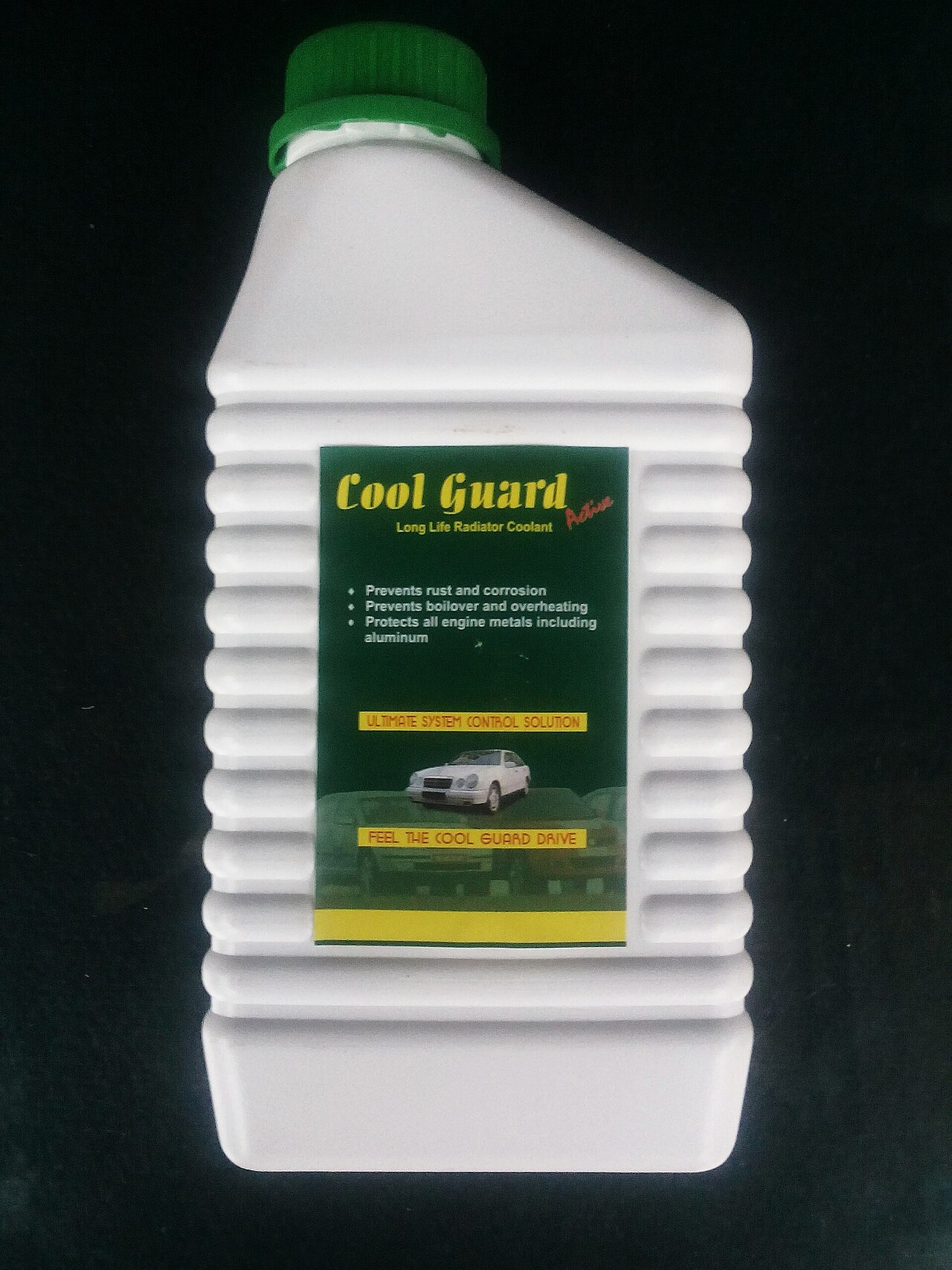
If you use concentrate instead of premixed coolant, mix it with distilled water first. Most guides describe a 50/50 ratio of coolant to distilled water unless the product label says otherwise. Distilled water matters because tap water can leave mineral deposits inside the system over time.
After topping up, watch the level over the next several days. A single low reading that stays stable after a proper top-up may be nothing more than slow loss over time. A level that drops again soon after you filled it points to an underlying problem that needs repair.
The same watch-and-wait habit helps when you check a used car for accident history before trusting it on a long drive.
What the color and condition tell you
Healthy coolant usually looks clean and consistent. Depending on the vehicle and formula, it may be green, orange, pink, yellow, or blue. The exact color matters less than the condition, since different makers use different dyes.
What you want is a clear fluid with no debris floating in it.
Dirty coolant tells a different story. Rusty, sludgy, oily, or milky fluid can mean contamination, internal wear, or overdue maintenance. A brown or rust-colored look is a common sign that the system needs more than a simple top-up.
If you see that, book an inspection instead of just adding fresh fluid on top of dirty fluid.
Smell gives another clue. A sweet smell under the hood often comes from coolant escaping somewhere in the system. Dried coolant can leave a crusty white or colored residue around hoses, the radiator, or the reservoir.
Puddles under the car in bright colors, often green, orange, or pink, also point to a leak.
Why the level drops
Coolant does not usually vanish without a reason. A small drop over a long period can be normal, but repeated low levels point to a leak or a failing part. Common causes include a split hose, a worn radiator cap, a failing water pump, or a crack in the reservoir.
Each of these lets fluid escape or lets pressure out of the system.
Signs you may have a coolant problem
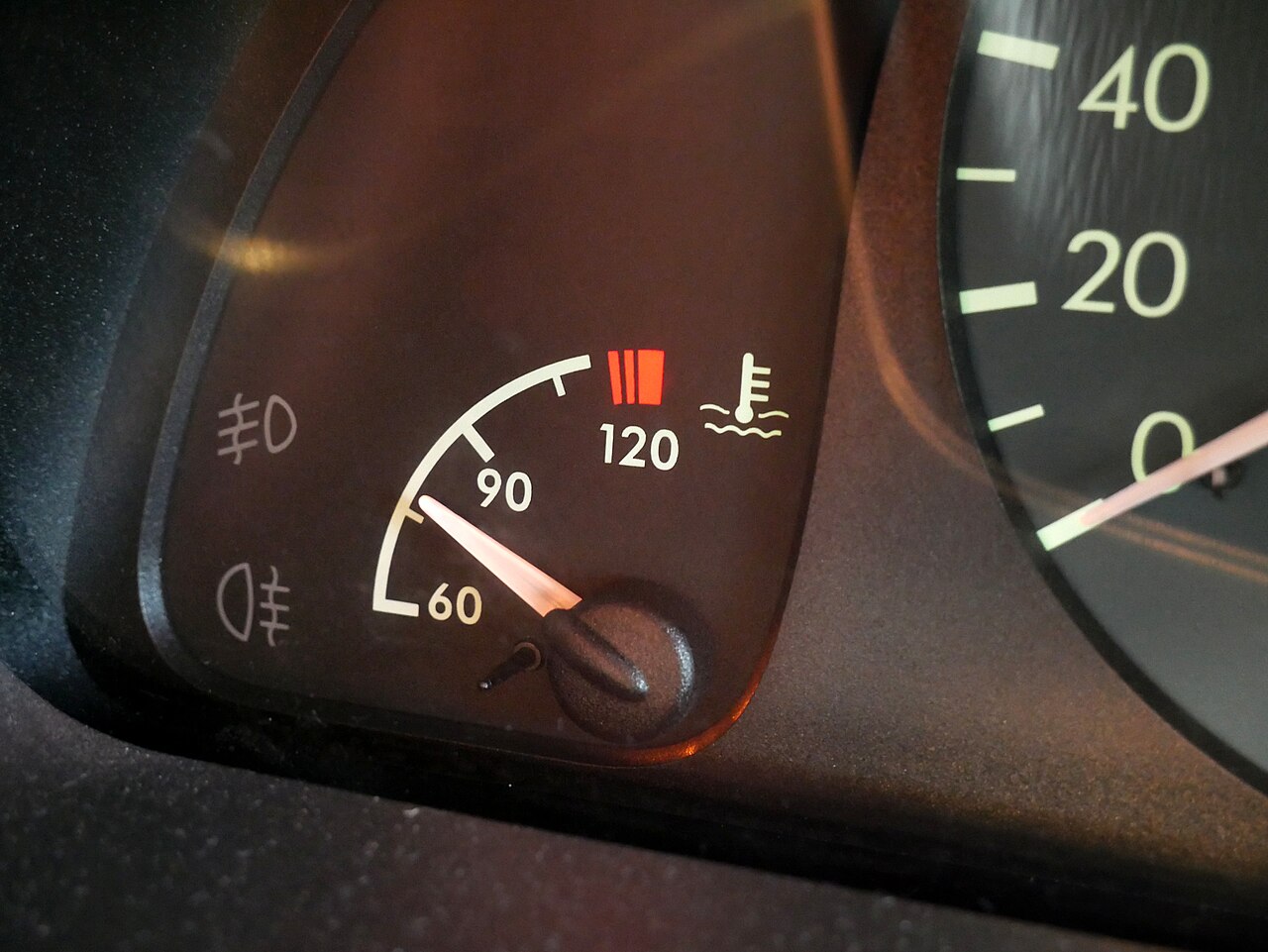
The reservoir level tells only part of the story. Your car may show other warnings that the cooling system needs attention. A temperature gauge that runs hotter than normal is one of the clearest signals.
A low coolant warning light on the dashboard is another.
Stop driving if the gauge climbs into the red zone or steam appears. Pull over safely, turn the engine off, and let it cool fully before you look under the hood. Driving on with an overheating engine can turn a hose repair into head gasket damage.
How often to check
For most drivers, checking coolant about once a month is a practical habit. It also makes sense before a road trip, during very hot or very cold weather, or any time you notice a warning light or unusual engine temperature. A quick look at the reservoir takes about a minute.
Older cars, or cars that have had cooling system repairs before, deserve more frequent checks. One UAE-focused guide suggests every two to four weeks in hot climates, which is sensible anywhere summers run hot. Tie the check to something you already do, such as a fuel stop or a monthly engine oil dipstick check, so it becomes routine instead of a chore.
Common mistakes to avoid
The biggest mistake is opening the radiator cap or reservoir cap when the engine is hot. It is a safety issue, and it is never worth the risk. The second mistake is adding plain water and forgetting about it.
Water may help in an emergency, but it is not a long-term substitute for the proper coolant mix.
Using the wrong coolant type is another common error. Different makes and models use different formulas, and mixing them can reduce protection or form sludge. If you are unsure, check the manual or ask a repair shop before you pour.
Buying premixed coolant removes the mixing question entirely.
When to get professional help
If the coolant is low once and stays stable after a proper top-up, you may be fine. Some situations call for a shop visit sooner rather than later. Book one if the engine has overheated, if the level drops repeatedly, if you see leaks, or if the heater stops working well.
A technician can pressure test the system and inspect the radiator, hoses, thermostat, water pump, and cap. That check finds leaks that are hard to spot from above, including slow seeps that only appear under pressure. It also checks whether the cooling fan and thermostat open and close as they should.
Can I check the coolant level without opening the radiator cap?
Yes. Read the level through the wall of the translucent reservoir tank, where it should sit between the MIN and MAX marks. That is the normal check on most modern cars.
What does it mean if my coolant level keeps dropping?
It usually means a leak or a failing part, such as a hose, radiator cap, or water pump. A single low reading can be normal slow loss, but a level that falls again after a top-up needs an inspection.
Is it safe to top up coolant myself?
Yes, as long as the engine is fully cold and you use the coolant type your manual specifies. Never open the radiator cap on a hot engine, and keep coolant away from children and pets because it is toxic.
The bottom line
Wait for a cold engine, read the reservoir against its MIN and MAX marks, and top up with the right coolant to the line, never past it. Treat a level that keeps dropping, or fluid that looks rusty or oily, as a warning sign instead of a refill chore. That simple routine keeps the cooling system doing its job and keeps a small leak from becoming engine damage.
Tags: car maintenance, coolant, engine care, DIY car checks
Latest in Auto
- How to check a used car for accident history
- How to change a flat tyre safely at the roadside
- How to check engine oil with a dipstick on newer cars
- Why your car air conditioning blows warm air
Subscribe for one practical car maintenance guide each week.
Related stories

Why Does Tire Pressure Drop in Cold Weather?
Cold weather can cut tire pressure by 1 psi for every 10°F drop, thanks to the ideal gas law. Here is what happens inside the tire and what

Why Do Brake Rotors Warp, or Do They Actually?
Mechanics rarely see a truly warped rotor. The shudder usually comes from uneven pad deposits a few thousandths of an inch thick. Here

How to Buy a Used Car Without Getting Scammed: The Checklist
Over 450,000 cars a year have rolled-back odometers, NHTSA says. This checklist covers VIN checks, title washing, and the inspection that