
Why Does Your Car Air Conditioning Blow Warm Air?
Key takeaways
- Low refrigerant from a leak is the most common reason a car AC blows warm air, according to Kelley Blue Book.
- A failing compressor, blocked airflow, or an electrical fault can produce the same warm-air symptom.
- Fix the leak before recharging, since a recharge alone leaks out again and wastes money.
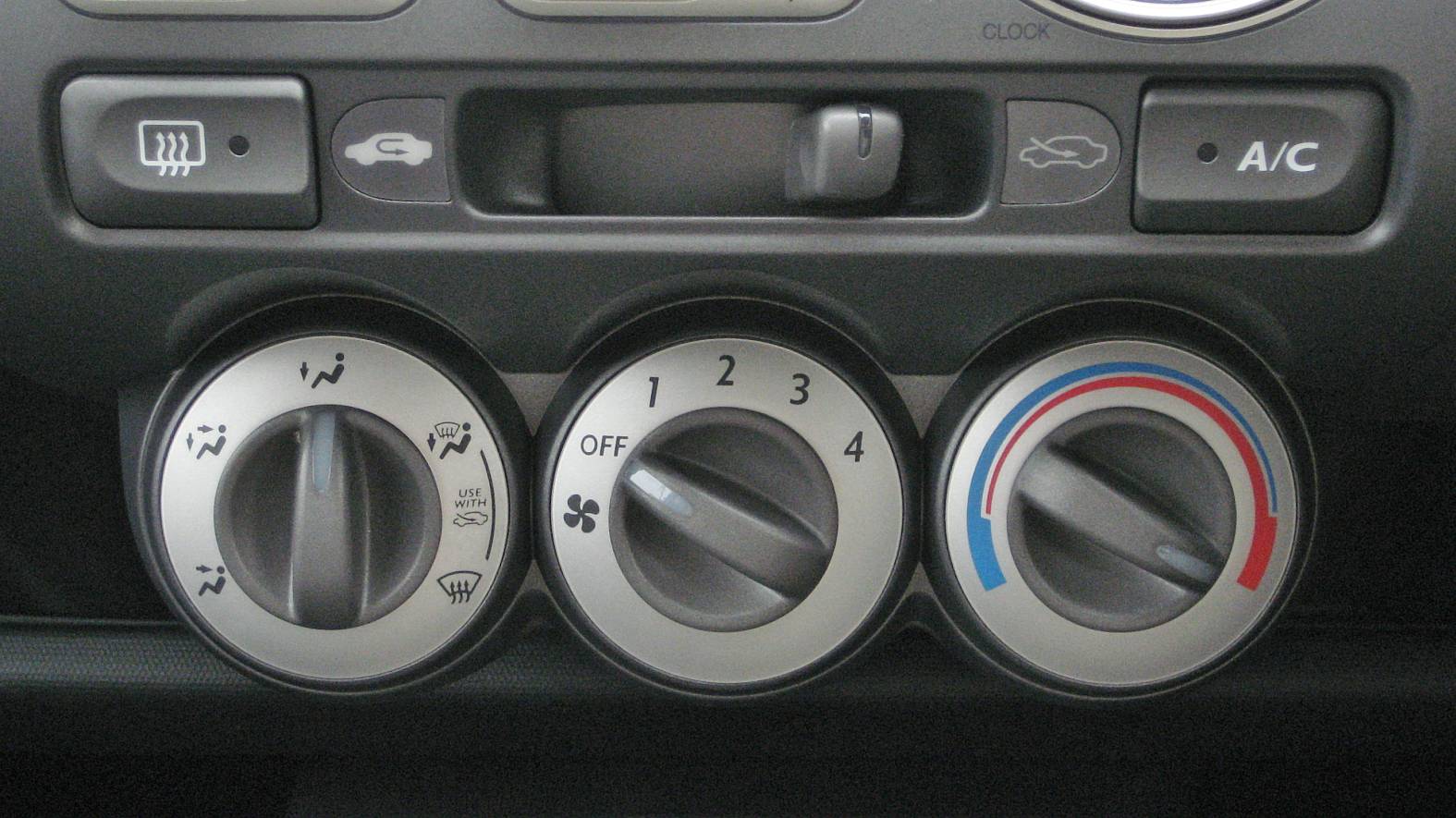
Warm air from the vents on a hot day usually means the cooling loop has broken down somewhere. The fan still runs, so air still moves, but the system no longer pulls heat out of that air.
A car air conditioner is a sealed loop filled with refrigerant. The refrigerant absorbs heat inside the cabin and releases it outside, then cycles back to absorb more. When any part of that loop fails, the heat stays put and the vents blow warm.
This article explains how car air conditioning makes cold air, including low refrigerant and leaks, a failing compressor, blocked airflow and dirty parts, electrical faults and a stuck blend door, checks you can do, and repair costs.
How car air conditioning makes cold air
The compressor pressurizes the refrigerant and pushes it around the loop. Kelley Blue Book calls the compressor the heart of the air conditioner, since it pressurizes the refrigerant and circulates it through the system.
Next, the condenser at the front of the car sheds the heat the refrigerant picked up. The refrigerant then passes through an expansion valve or orifice tube, cools sharply, and flows through the evaporator behind the dashboard.
Cabin air blows across the cold evaporator and comes out of the vents chilled. A blower motor moves the air, and a set of doors and flaps aims it toward the vents you selected. If one link in this chain fails, the whole chain stops cooling.
Refrigerant does not get used up the way fuel does. AutoNation Mobile Service reports that an AC recharge can last anywhere from three to five years, depending on use and upkeep.
Low refrigerant and leaks
Low refrigerant is the most common reason a car AC blows warm air. Kelley Blue Book states that low refrigerant levels are the most common reason drivers ask why their car AC blows hot air, and that leaks cause a gradual loss of refrigerant.
AutoNation Mobile Service lists damaged seals and O-rings, worn hoses, a corroded or punctured condenser, a leaking evaporator, and compressor shaft seal failure as the common leak sources, worn down by age, heat, vibration, corrosion, and road debris.
Cooling fades week by week, the system takes longer to cool the cabin, and the air may feel cool on mild days but warm on hot days. Some drivers notice a hissing sound, oily residue near AC parts, or frost on refrigerant lines.
A recharge without a leak repair is only a short-term fix. AutoNation Mobile Service warns that the new gas escapes through the same opening, so the fix order matters: find the leak, repair it, then recharge.
Shops find leaks with an electronic detector, UV dye checked under ultraviolet light, or a nitrogen pressure test. Leak detection alone runs about 50 to 170 dollars, according to AutoNation Mobile Service. Never vent refrigerant yourself, since CarParts notes that venting it is illegal in the US and that the system must be recovered with proper equipment.
A failing compressor
The compressor is the pump that keeps refrigerant moving. When it fails, pressure never builds and the evaporator never gets cold, so the vents blow warm air no matter how low you set the temperature.
CarParts, in a guide updated August 5, 2026, describes a bad compressor as a failing or failed pump that can no longer raise refrigerant pressure or push refrigerant through the system. The same guide names warm air as the clearest symptom of a bad compressor.
A rattling or knocking sound with the AC on can point to a compressor that is starting to fail. A screeching belt can mean the compressor has locked up and the belt is slipping against a pulley that refuses to turn.
A seized compressor can cause trouble beyond warm air. CarParts warns that if it damages or throws the drive belt, the driver should stop, because this belt often also turns the alternator and water pump. A car that loses charging and engine cooling at once needs a tow.
Compressor failure is often the end of a longer chain. Running with a low charge starves the compressor of oil, since refrigerant carries its lubricating oil around the loop, so treat weak cooling early.
Blocked airflow and dirty parts
Sometimes the cooling loop works fine but the air cannot get through. A clogged cabin air filter restricts airflow, cuts system efficiency, and leaves the vents blowing weakly or warm, according to Kelley Blue Book. Replacing that filter is one of the cheapest fixes in this whole list.
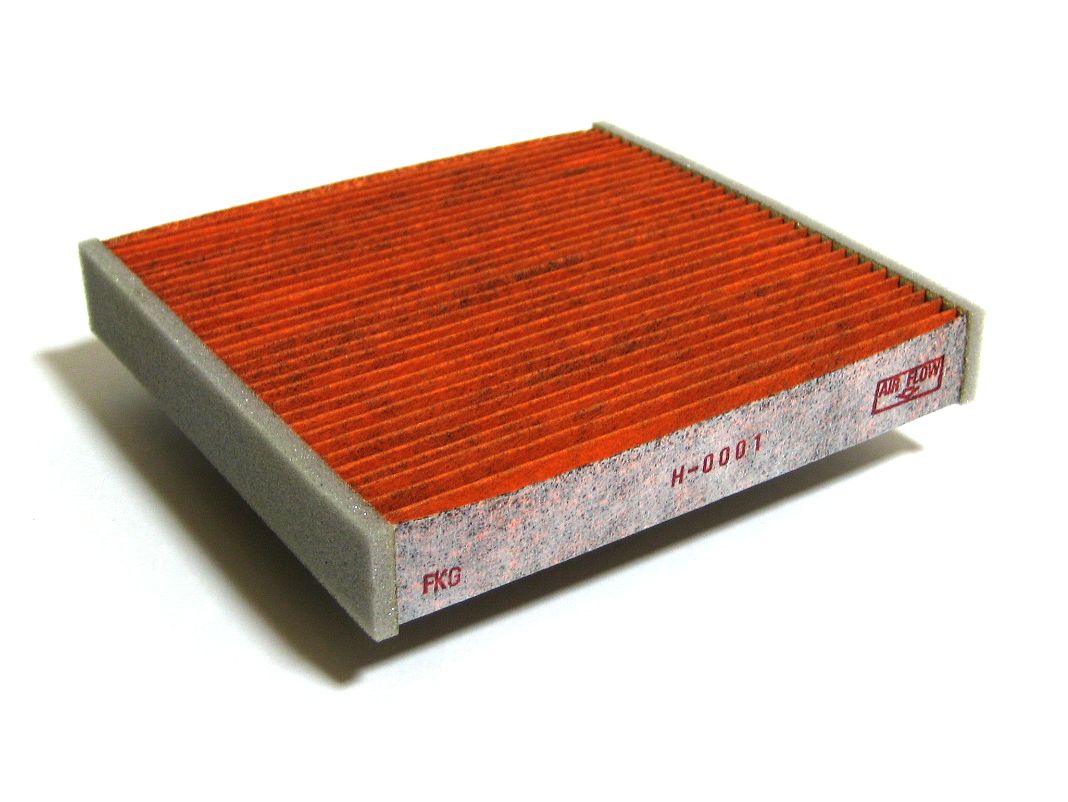
The condenser can choke on dirt as well. Leaves, bugs, dust, and road grime coat the condenser coils and block the heat exchange that cooling depends on. Kelley Blue Book notes that accumulated dirt and debris on condenser coils can hinder heat exchange and cause the AC to blow hot air.
The evaporator can also collect debris that blocks airflow and weakens cooling. Kelley Blue Book advises that most drivers should leave condenser and evaporator cleaning to professionals, since a bent fin or a careless blast of water can do more harm than the dirt did.
While you chase the AC fault, it helps to check the engine oil with the dipstick and to check the coolant level and top up safely.
Electrical faults and a stuck blend door
Electrical faults can shut the system down without any leak at all. Kelley Blue Book lists a faulty relay, a blown fuse, bad sensors, loose connections, damaged wiring, or a malfunctioning control panel, any of which can keep the compressor clutch from engaging.
On many cars, a magnetic clutch links the engine belt to the compressor. When you switch the AC on, it connects the pulley to the compressor shaft, and if it gets no power or fails, the compressor never starts pumping.
Low refrigerant can also cut power to the clutch by design. CarParts explains that a low charge trips the low-pressure cutout switch, which keeps the clutch from engaging to protect the compressor, so a clutch that never engages does not always mean a dead compressor.
Then there is the blend door. The blend door actuator controls airflow between the heater core and the evaporator. Kelley Blue Book says that if the blend door sticks on the heat setting, the car AC can blow hot air even when the cooling loop works.
A stuck blend door often gives itself away: the temperature may not change when you turn the dial, or you may hear clicking behind the dashboard as the actuator tries to move. Replacing the actuator restores normal temperature control, according to Kelley Blue Book.
What you can check before a shop visit
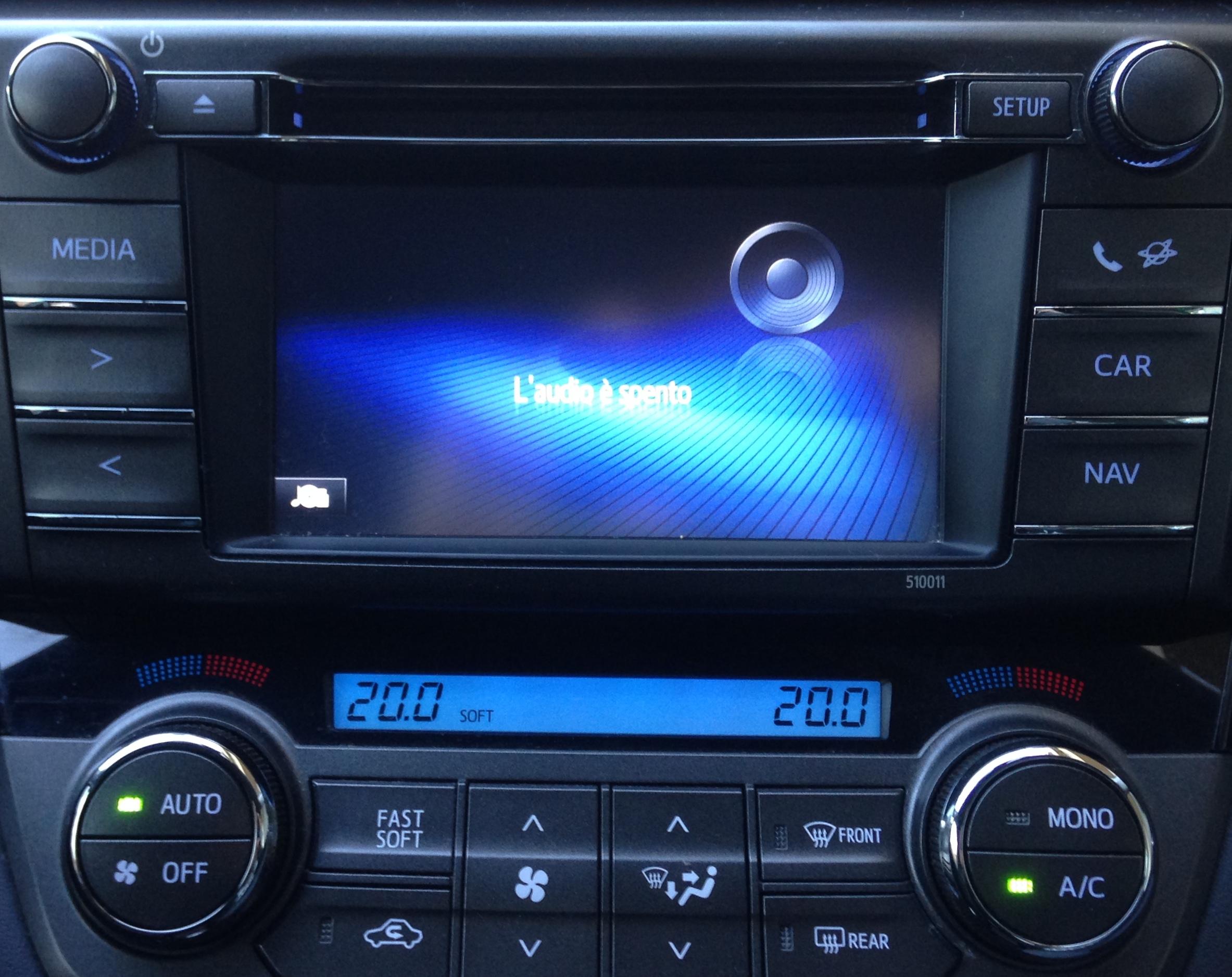
Start with the controls, since a wrong setting fools many drivers. Confirm the temperature dial sits at full cold, the AC button is on, and the system is not stuck on a heat or defrost mode. Try both fresh-air and recirculation modes and note which one feels cooler.
Next, check the airflow. Turn the fan through its speeds and feel whether air volume rises with each step. Weak airflow at every speed points toward a clogged cabin air filter or a blower problem.
Strong airflow that stays warm points toward the refrigerant loop or the blend door.
Pop the bonnet with the engine off and look for simple clues. Oily residue around AC hoses, fittings, or the compressor can mark a leak site, and a loose or cracked drive belt deserves attention.
With the engine running, switch the AC on and listen. A click from the compressor area suggests the clutch engaged, while no click, a rattle, or a screech each point a technician in a different direction.
Check the cabin air filter if your car makes it reachable behind the glove box. A filter packed with dust and leaves is a cheap fix you can handle in minutes, much like knowing how to change a flat tyre safely at the roadside.
Skip anything that opens the refrigerant loop. Recovery, evacuation, leak testing with dye, and recharging belong to a shop with the right tools, since a do-it-yourself kit can overfill the system and mask a leak.
What repairs cost
Costs vary by car, region, and fault, and two sources here give different compressor figures. Kelley Blue Book puts a refrigerant recharge at about 200 dollars and the average AC repair cost at dealerships at around 500 dollars. The same source puts compressor replacement at 1,700 dollars or more.
CarParts gives a lower compressor range of 800 to 1,500 dollars professionally, with the part alone running from about 100 dollars to upwards of 2,000 dollars. A recharge adds 150 to 300 dollars in that guide, and the swap itself usually takes an hour or two plus evacuation and recharge time.
Leak repairs span a wide range because the leak site decides the bill. AutoNation Mobile Service puts total refrigerant leak repair costs at 400 to 3,000 dollars or more, with leak detection at 50 to 170 dollars and a recharge at 200 to 500 dollars or more. A hose or seal job lands near the low end, while a compressor or evaporator job lands near the high end.
Get a written quote before authorizing a big repair. Ask the shop to name the failed part and the leak site, and whether the quote covers evacuation, the recharge, and a retest.
Frequently asked questions
Can I still drive with the AC blowing warm air?
Yes, in most cases, since warm air alone does not make a car unsafe. Stop driving and arrange a tow if the compressor seizes and damages the drive belt, because that belt often drives the alternator and water pump as well, according to CarParts.
Does a recharge fix a refrigerant leak?
No. A recharge refills the system, but the new refrigerant escapes through the same leak. AutoNation Mobile Service states that recharging without repairing the leak is only a temporary fix, so the leak repair must come first.
How often should the AC be serviced?
Kelley Blue Book advises a check and service by an ASE-certified technician at the start of each warm season. A yearly check catches slow leaks, dirty filters, and weak clutches before the first heatwave exposes them.
The bottom line
Warm air from car vents most often traces back to low refrigerant from a leak, a failing compressor, blocked airflow, or an electrical fault. Check the controls, airflow, and cabin air filter first, then let a shop handle leak testing and the sealed refrigerant loop. Fix the leak before paying for a recharge.
Tags: car air conditioning, car AC repair, car maintenance, warm air vents
Latest in Auto
- Check Engine Oil With the Dipstick in Newer Cars
- Check Coolant Level and Top Up Safely
- Change a Flat Tyre Safely at the Roadside
- Clean Car Headlights That Have Gone Cloudy
Subscribe to the Rive News newsletter for one explainer every morning.
Related stories

Why Does Tire Pressure Drop in Cold Weather?
Cold weather can cut tire pressure by 1 psi for every 10°F drop, thanks to the ideal gas law. Here is what happens inside the tire and what

Why Do Brake Rotors Warp, or Do They Actually?
Mechanics rarely see a truly warped rotor. The shudder usually comes from uneven pad deposits a few thousandths of an inch thick. Here

How to Buy a Used Car Without Getting Scammed: The Checklist
Over 450,000 cars a year have rolled-back odometers, NHTSA says. This checklist covers VIN checks, title washing, and the inspection that