
Why do diesel engines clatter at idle? Compression ignition explained
Key takeaways
- Diesel clatter is the sound of compression ignition: fuel injected into superheated air ignites almost all at once in a rapid pressure spike.
- Diesel compression ratios of 14 to 1 up to 25 to 1 heat intake air to about 900 to 1,000 Kelvin, which auto-ignites the fuel.
- Modern pilot injection softens the pressure rise by starting a small flame before the main fuel charge arrives.
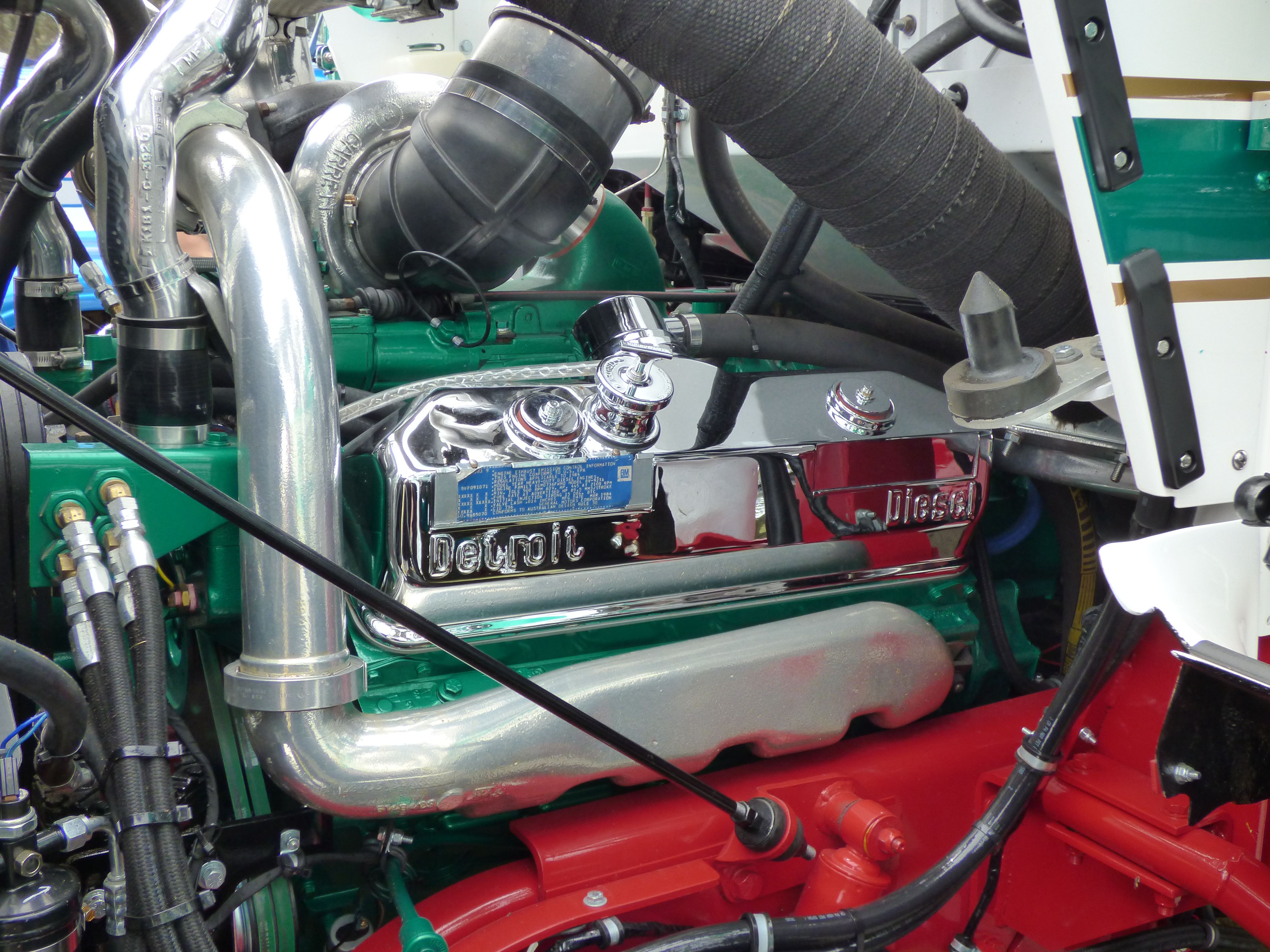
A classic Detroit diesel engine shows the heavy construction that transmits combustion noise. Photograph: Moonayyy/Wikimedia Commons
Image Credits: Wikimedia Commons / Moonayyy
Stand next to a diesel pickup at a traffic light and the soundtrack is unmistakable: a sharp, metallic clatter that no gasoline engine makes. It is most obvious at idle, where each combustion event stands out clearly between the slower engine revolutions.
New diesel owners often ask whether something is wrong. Usually, nothing is.
The clatter is not a flaw. It is the audible signature of the diesel cycle itself, the sound of fuel igniting under extreme pressure rather than from a spark. This article explains the physics behind the noise, why idle makes it so noticeable, how modern injection technology quiets it, and when a knock means a real problem.
Compression ignition and the ignition delay
The fundamental difference between a diesel and a gasoline engine is how combustion starts. A gasoline engine compresses a pre-mixed charge of air and fuel at a moderate ratio, typically 8 to 1 to 12 to 1, then fires a spark plug to burn it in a smooth, progressive flame front. A diesel compresses only air, and far more intensely: compression ratios typically range from 14 to 1 up to 25 to 1, according to EngineerFix.
That extreme squeeze heats the trapped air to approximately 900 to 1,000 Kelvin. When fuel is injected into this superheated air just before the piston reaches the top of its stroke, it vaporizes and ignites spontaneously. No spark plug is involved at all.
The noise comes from what happens in the gap between injection and ignition. There is a small but measurable time lag, called the ignition delay, while the first droplets vaporize and mix with the hot air.
During that lag, more fuel keeps arriving and accumulating in the chamber. When the mixture finally reaches auto-ignition temperature, the whole accumulated charge burns almost simultaneously in a rapid, uncontrolled event.
That near-instantaneous combustion creates an extremely high rate of pressure rise inside the cylinder. The pressure wave slams against the piston crown and cylinder walls, and the resulting acoustic wave is what we hear as the sharp, metallic clatter. It is, in effect, the hammer-like force of the combustion event made audible.
Why idle makes the clatter stand out
At idle, two things make the knock more prominent. First, combustion events are spaced further apart at low engine speed, so each pressure spike registers as a distinct clack rather than blending into a continuous roar. Second, everything else is quiet: there is little wind noise, little tire noise, and no load on the engine to mask the combustion sound.
Acceleration amplifies the effect for the opposite reason. When the driver demands power, the engine control unit injects a much larger fuel charge at the same ultra-high pressure, and the louder, faster succession of combustion events reads as a deeper, more aggressive clatter beneath the engine roar. A certain level of amplified sound under load is entirely normal for a compression-ignition engine.
The hardware contributes too. Diesel fuel systems operate at extreme pressures to atomize fuel against the compressed air charge, often exceeding 29,000 to 30,000 psi in modern common rail systems, according to EngineerFix. The heavy-duty construction needed to survive those pressures and the violent combustion also transmits sound efficiently through the engine structure, which is one reason diesels sound so mechanical compared with gasoline engines.
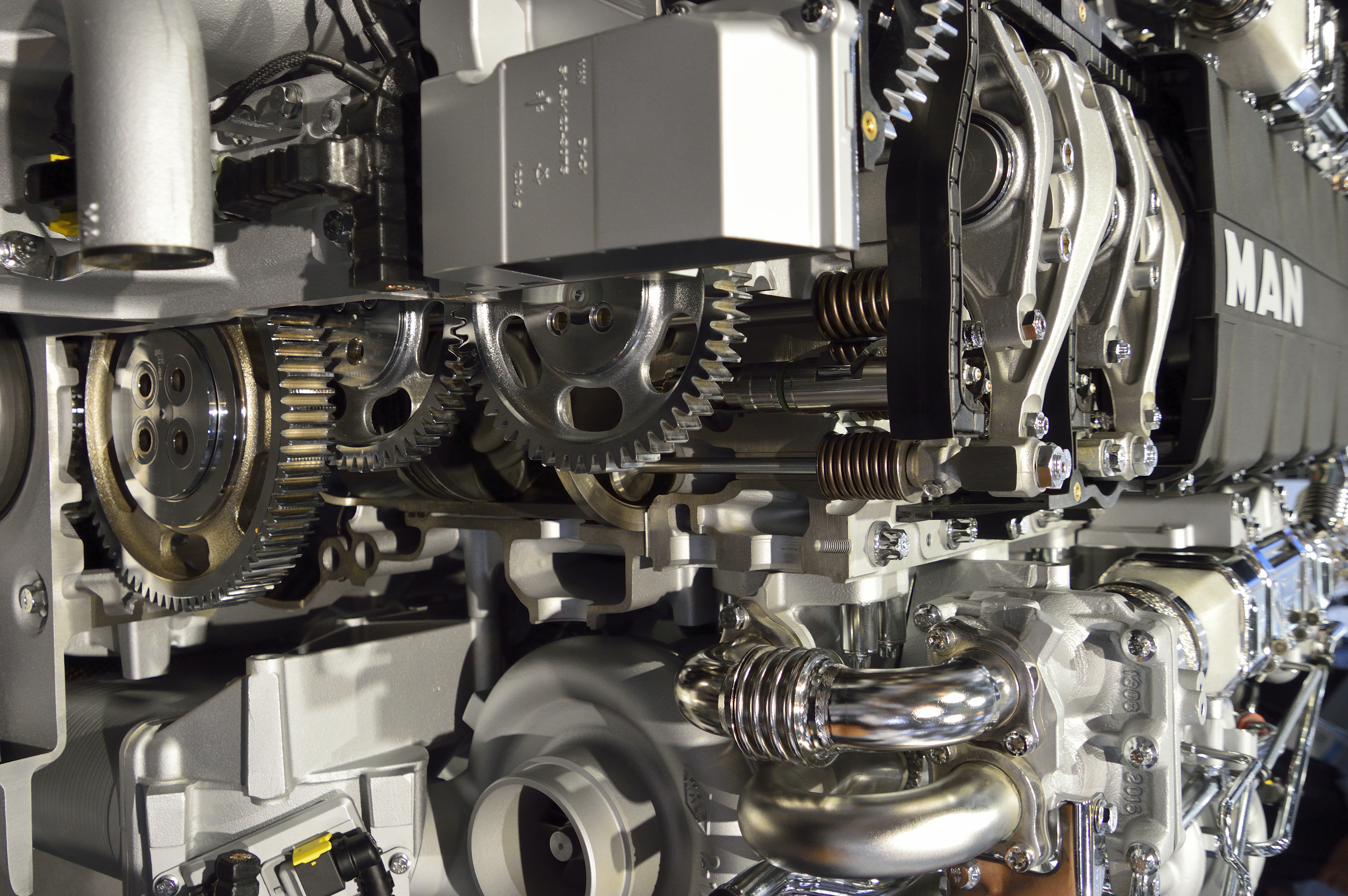
Modern truck diesel engines use multi-stage injection to soften the combustion pressure rise. Photograph: Spielvogel/Wikimedia Commons
How pilot injection quiets modern diesels
Older diesels clattered loudly because each power stroke had a single, sudden injection event. Modern common rail direct injection changed that by giving engineers precise electronic control over multiple injection events per stroke. The most important of these is pilot injection.
With pilot injection, a very small quantity of fuel is injected into the cylinder milliseconds before the main fuel charge. This preliminary shot ignites first, creating a small, controlled flame and raising the temperature and pressure in the chamber. When the main injection arrives, the chamber is already lit, which shortens the ignition delay and prevents the uncontrolled accumulation of the entire fuel charge.
The result is a much softer pressure rise and a substantially quieter engine. As the Good Sam engineering blog explains, the pilot injection reduces the "flash bang" effect of ignition, and the strategy is especially effective at idle. Some manufacturers add accelerometer-based pilot control, which uses a vibration sensor to feed noise data back to the engine control module so it can trim the pilot fuel quantity for the quietest possible combustion cycle.
These advances are why a modern diesel pickup at idle sounds civilized next to a 1980s diesel sedan. The underlying physics never changed, but the fuel delivery got smart enough to manage it.
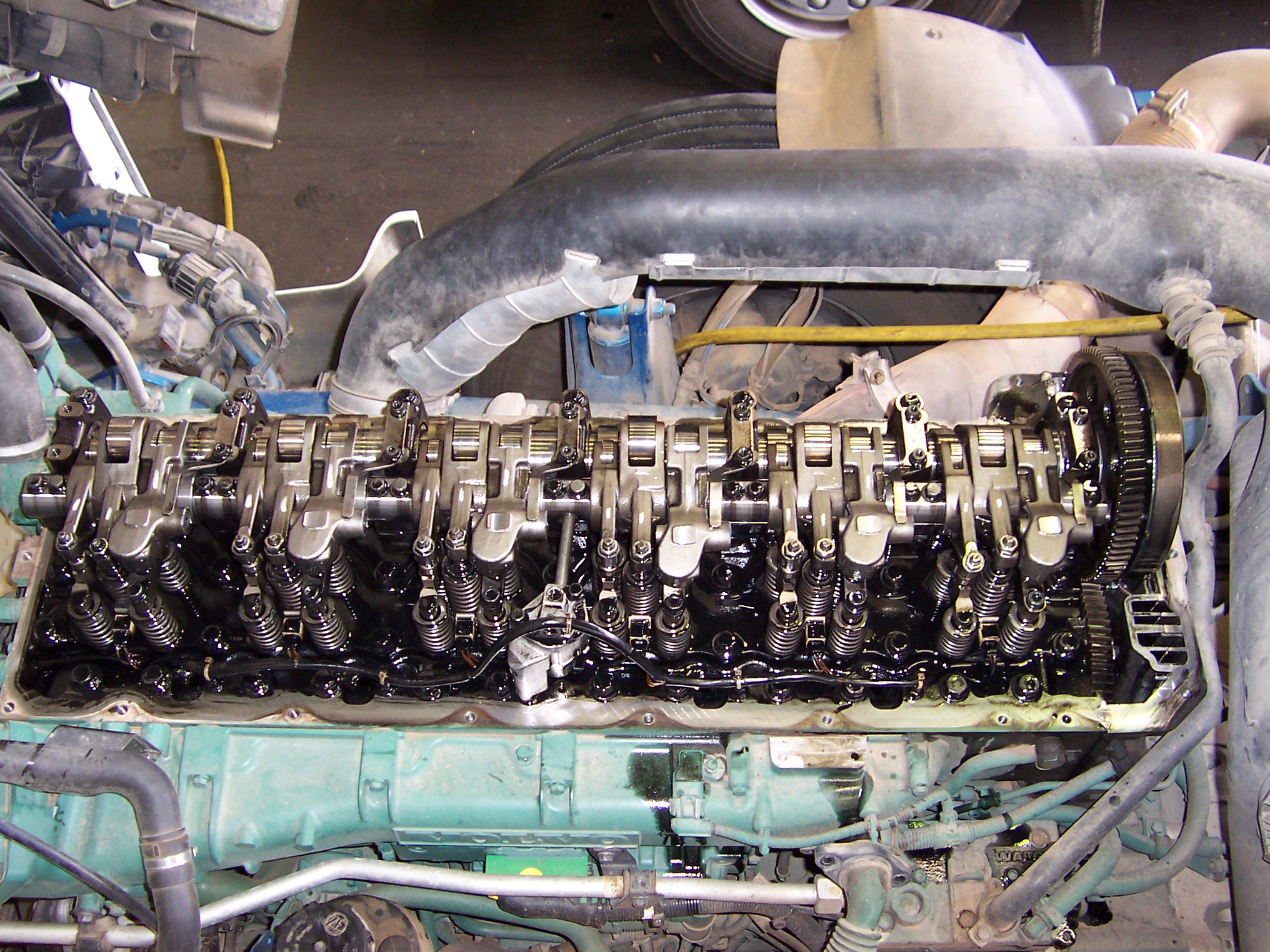
Precise valve and injection timing keeps modern diesel combustion controlled and quieter. Photograph: Panoha/Wikimedia Commons
When a diesel knock is not normal
The baseline clatter is normal, but changes in its character deserve attention. A sharp, distinct metallic knocking or pinging that is louder than usual, especially under acceleration, can indicate combustion timing problems. According to EngineerFix, this severe version of the normal clatter suggests fuel igniting too early or too rapidly, which can come from overly advanced injection timing or poor fuel quality.
Low-cetane diesel lengthens the ignition delay, allowing too much fuel to accumulate before ignition and producing a harsher knock. Sticking with reputable fuel stations and the cetane rating your owner's manual specifies avoids this entirely. Failing injectors that dribble fuel into the cylinder instead of atomizing it can also produce irregular, louder combustion.
Maintenance factors matter at idle. XeroDrive notes that clogged or worn injectors, contaminated or low engine oil, and degraded glow plugs can all make idle knock harsher than the design baseline.
High-mileage diesels naturally generate more mechanical clatter than fresh engines. None of this changes the core fact: some level of audible combustion is the hallmark of the diesel cycle, and chasing absolute silence will only lead to unnecessary repair bills.
Readers comparing powertrains may also like our guide to petrol vs diesel vs hybrid cars, and hybrid owners can see how hybrids decide when to use the electric motor.
Why are old diesels louder than new ones?
Older diesels used single-shot mechanical injection with no pilot event, so every power stroke began with the full flash-bang pressure spike. Modern common rail systems split injection into multiple precisely timed events, which softens the pressure rise dramatically.
Does diesel clatter mean the engine is damaged?
No, not by itself. The characteristic knock at idle is the normal sound of compression ignition. Damage is indicated by a change: a new, louder, or irregular knock, especially one that appears suddenly or worsens quickly.
Can anything make a diesel quieter at idle?
Using the correct cetane-rated fuel, keeping injectors clean, and maintaining fresh oil all keep idle knock at its designed minimum. Aftermarket "quiet diesel" additives have no proven effect on combustion noise.
Why do diesels clatter more when cold?
Cold combustion chambers lengthen the ignition delay slightly, so more fuel accumulates before ignition and the pressure spike is sharper. Glow plugs help by pre-heating the chamber for reliable cold starts and smoother running.
The bottom line
Diesel clatter at idle is physics you can hear: air compressed to hundreds of degrees, fuel injected into it, and the accumulated charge igniting in one sharp pressure rise. Modern pilot injection has tamed the worst of it, but the fundamental sound remains because the diesel cycle depends on that rapid combustion for its efficiency. Learn the baseline sound of your engine, maintain it properly, and only worry when the knock changes its tune.
Latest in Automotive
- Petrol vs diesel vs hybrid cars: the differences
- How hybrid cars decide when to use the electric motor
- Why electric cars have no gears like petrol cars
Subscribe for weekly automotive explainers in plain English.
Related stories

Why Does Tire Pressure Drop in Cold Weather?
Cold weather can cut tire pressure by 1 psi for every 10°F drop, thanks to the ideal gas law. Here is what happens inside the tire and what
Why Do Brake Rotors Warp, or Do They Actually?
Mechanics rarely see a truly warped rotor. The shudder usually comes from uneven pad deposits a few thousandths of an inch thick. Here

How to Buy a Used Car Without Getting Scammed: The Checklist
Over 450,000 cars a year have rolled-back odometers, NHTSA says. This checklist covers VIN checks, title washing, and the inspection that