
Why Manual Cars Stall and What the Biting Point Does
Key takeaways
- A manual car stalls when the clutch connects the engine to the wheels before the engine has enough power to move the car.
- The biting point is the spot where the clutch plates first meet and start to transfer power.
- Smooth starts come from finding the biting point, adding a little throttle, then releasing the clutch slowly.
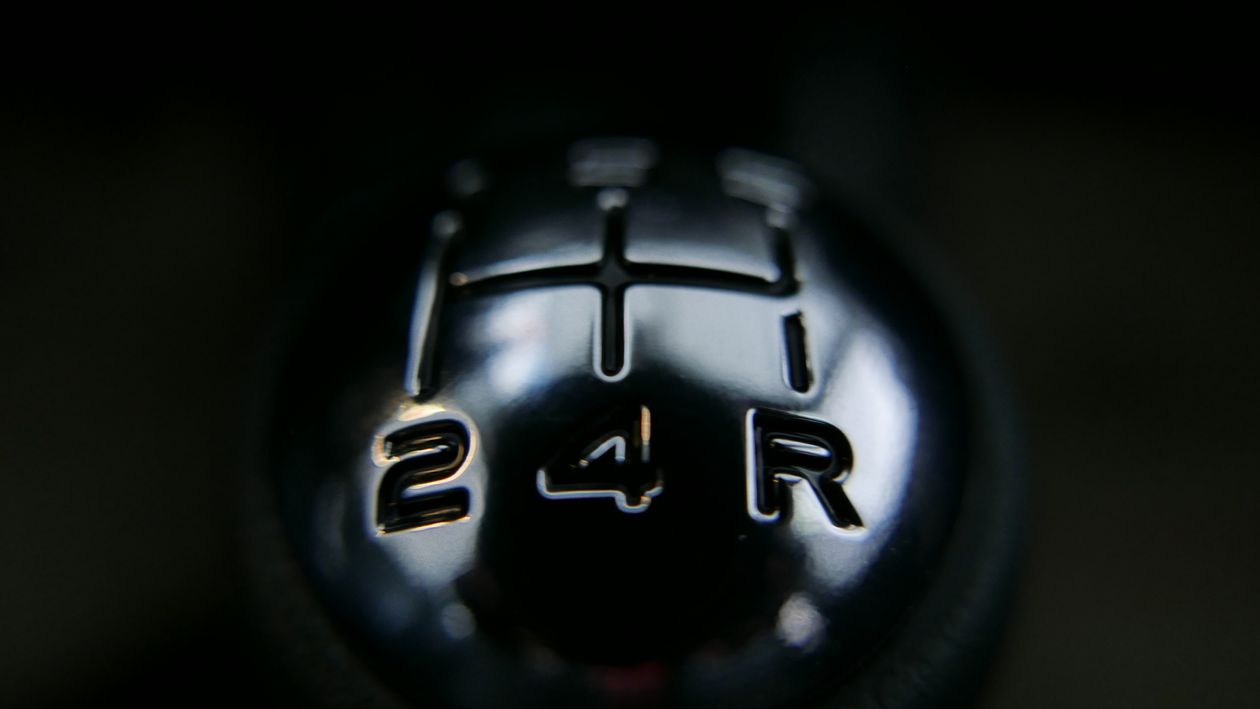
A manual car stalls when the engine cannot keep turning once the clutch links it to the wheels. The wheels are heavy and still. The engine is idling with little spare power.
If the clutch grabs too fast, the load drags the engine speed down until the engine stops.
This article explains why manual cars stall and what the biting point is, including how the clutch works, the most common stall triggers, how to find the biting point, and how to recover calmly after a stall.
What a stall really is
An engine needs to keep spinning above a minimum speed to stay running. At idle, it turns just fast enough to keep itself going. It has little power in reserve.
Moving a car from a standstill takes a lot more power than idling.
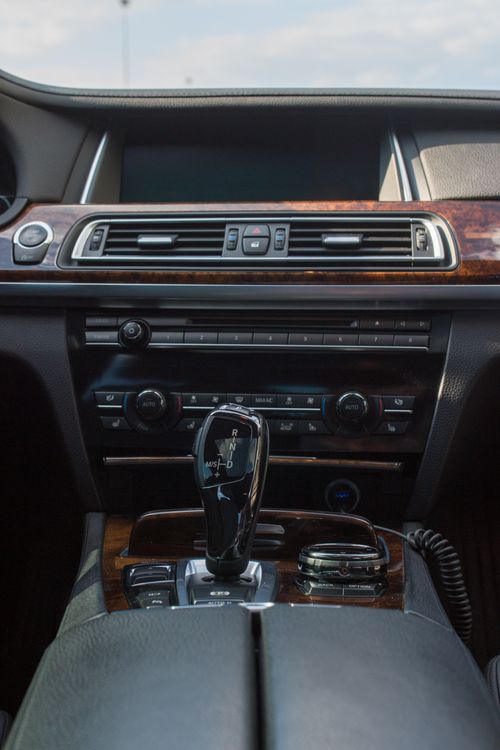
The clutch sits between the engine and the gearbox. When the driver presses the clutch pedal, the clutch disconnects the engine from the wheels. When the driver releases the pedal, the clutch reconnects them.
The handover has to be gradual.
If the clutch reconnects too fast, the still wheels act like a brake on the engine. Engine speed drops. If it drops below the idle threshold, the engine cuts out.
That sudden stop is a stall.
Go Girl explains the same idea in simple terms. Most stalls come from human error, not from a broken car. The clutch connects engine power through the gears to the wheels, and releasing it too fast is a leading cause of stalling.
The clutch in plain terms
A clutch uses friction between plates to pass power from the engine to the gearbox. Press the pedal and the plates separate. Release the pedal and the plates press together.
The grip between them grows as the pedal rises.
At the bottom of the pedal travel, the plates are fully apart. No power reaches the wheels. At the top of the travel, the plates are fully together.
All the engine power can reach the wheels. The interesting part is the middle, where the plates just start to touch.
That middle zone is where every smooth start happens. It is also where most stalls happen. The driver has to manage the handover while also giving the engine enough fuel and air through the accelerator.
What the biting point is
The biting point is the precise spot where the two clutch plates first meet and start to connect the engine and the wheels. Go Girl defines it as the spot where the plates meet to link the engine and the wheels. At that point, the car begins to pull, the engine note changes, and the driver may feel a small vibration.
Drivers notice the biting point in a few ways. The engine sound drops slightly as the load arrives. The car may creep forward on flat ground.
The bonnet may dip a touch. None of these signs are dramatic. They are small cues that the clutch has started to work.
The biting point is not in the same place in every car. Go Girl notes that it varies from car to car, so a driver who swaps cars must learn a new biting point each time. That is one reason even experienced drivers stall in an unfamiliar car.
Why stalls happen most at pull-away
Pulling away is the hardest moment for a manual driver. The car is still, the engine is near idle, and the driver must coordinate two feet and one hand at once. Small errors at this moment have big effects.
Gumtree lists poor clutch control as a leading cause of stalling when pulling away, along with too little throttle. Releasing the clutch too fast through the biting point is a classic learner mistake. The engine gets a sudden load it cannot handle.
Wrong gear choice also causes stalls. Trying to pull away in third gear instead of first gear asks the engine to move the car with far less leverage. Gumtree lists this as a common cause, and it can stall even a careful driver.
Hill starts add gravity to the problem. The car wants to roll back while the driver balances clutch, throttle, and handbrake. A rushed release on a hill stalls the car or lets it roll.
Cold engines can make it worse, since an engine that is still cold may need more revs to pull cleanly.
The revs that keep the engine alive
Throttle is the other half of a smooth start. A little extra engine speed gives the engine the power it needs to accept the clutch load. Gumtree advises gentle throttle at around 1500 rpm as the clutch comes up.
Another Gumtree guide puts the useful range for pulling away at roughly 1500 to 2000 rpm, enough to overcome the car inertia.
Too little throttle starves the engine. The revs fall fast as the clutch bites, and the engine stops. Too much throttle is also a problem.
The engine screams, the clutch wears faster, and the car can lurch forward. The goal is a small, steady rise in revs before the clutch reaches the biting point.
Listening helps. As the clutch reaches the biting point, the revs dip slightly. A driver who hears that dip can hold the clutch still for a beat and add a touch more throttle.
That pause is what separates a smooth start from a stall.
Finding the biting point: a simple drill
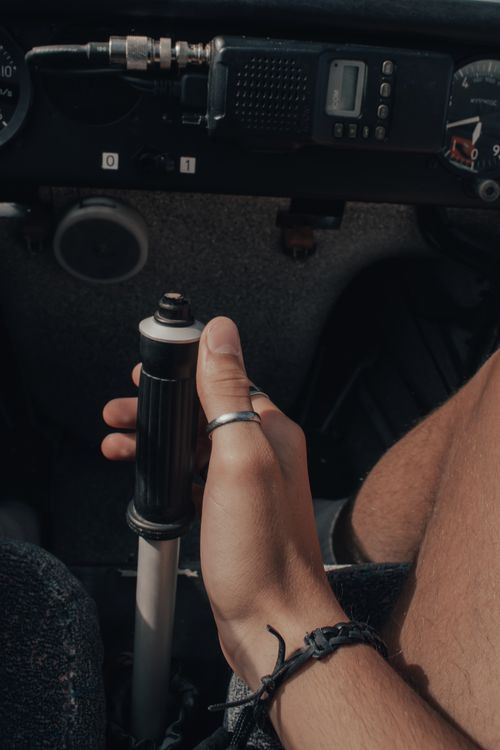
Practice on flat ground in a quiet place. Start with the car in first gear and the handbrake on. Press the clutch fully down with the left foot.
Keep the right foot light on the accelerator.
Lift the clutch slowly until the engine note drops and the car tries to move. That is the biting point. Hold the pedal still there for a moment.
Then add a little throttle and lift the clutch a little more. When the car moves, release the clutch fully and drive on.
Go Girl gives a similar sequence: clutch fully down, first gear, gentle accelerator, slow clutch lift to the biting point, then handbrake off while still pressing the accelerator. Once the car moves, the driver lifts fully off the clutch.
Repeat the drill until the foot learns the spot. Muscle memory matters more than theory here. A driver who has felt the biting point ten times in a car park will find it far more easily in traffic.
Hill starts without panic
Hill starts scare learners because the car can roll back. The handbrake is the fix. It holds the car while the driver finds the biting point and adds throttle.
Only when the car is pulling against the handbrake should the driver release it.
The sequence is the same as on flat ground, with the handbrake added. Find the biting point. Add throttle.
Feel the car pull. Release the handbrake. Let the clutch out fully.
Rushing the last step is what causes most hill stalls.
Many modern cars have hill-start assist, which holds the brakes for a second or two after the driver lifts off the brake pedal. Gumtree notes that models such as the Ford Focus and Vauxhall Astra offer this help. It gives the driver time to move a foot to the accelerator, but it does not replace clutch control.
How to recover after a stall
A stall feels public, but recovery is simple. Apply the handbrake. Move the gear lever to neutral.
Restart the engine. Check mirrors and blind spot. Then pull away again with the normal sequence.
Go Girl stresses staying calm and staying alert. One stall will not fail a driving test on its own. Forgetting to check mirrors and surroundings after the stall is the bigger risk.
Other drivers may honk, but the safest move is still a calm restart, not a rushed one.
A stall in the middle of a junction needs the same calm steps, plus hazard lights if the car blocks traffic. If the car will not restart, push it clear only when it is safe to do so and help is at hand.
When stalling signals a fault
Most stalls are driver error, especially in learners. Frequent stalls in an experienced driver, or stalls that come with other symptoms, may point to a fault. Gumtree lists causes such as poor fuel, carbon buildup, sensor faults, and fuel pump trouble as possible mechanical reasons.
Warning signs include stalling at idle with no clutch input, rough running, warning lights, or a stall that repeats in the same spot every drive. A car that stalls while braking in gear, with the clutch pressed correctly, also deserves a check. A mechanic can test the idle system, sensors, and fuel delivery.
Clutch wear can change the biting point too. A biting point that creeps higher, a clutch that slips under load, or a burning smell after starts may mean the clutch is worn. Those signs are worth a garage visit before they leave the car undriveable.
FAQ
Is stalling bad for the car?
An occasional stall does little harm. Repeated stalls wear the clutch and starter a little, and a stall in traffic can be unsafe, so it is worth fixing the technique rather than ignoring it.
Why do I stall more in a new car?
The biting point varies from car to car. A new car needs a few quiet practice starts before the foot learns where its clutch bites.
What revs should I use to pull away?
Guides commonly suggest around 1500 rpm, or roughly 1500 to 2000 rpm, as a gentle starting range. The exact figure depends on the car, so use the engine sound and feel as the main guide.
Can automatic cars stall?
Modern automatics rarely stall in normal driving because the torque converter or software manages the pull-away. A stall in an automatic usually points to an engine or fuel fault.
The bottom line
A manual car stalls when the clutch loads the engine faster than the engine can cope. The biting point is where the clutch plates first meet, and it is the key to every smooth start. Find it slowly, add a little throttle, hold for a beat, then release the clutch fully.
With practice, the sequence becomes automatic, and stalls become rare.
Tags: manual cars, clutch, driving, stalling
Latest in Auto
- How Cruise Control Maintains Speed Uphill
- How Do Run Flat Tires Work and What Are the Tradeoffs
- Why Does My Car Drift Right on Straight Highways
- Why Do Windshield Wipers Streak Even When New
Subscribe for one clear explainer like this in your inbox each week.
Related stories

Why Does Tire Pressure Drop in Cold Weather?
Cold weather can cut tire pressure by 1 psi for every 10°F drop, thanks to the ideal gas law. Here is what happens inside the tire and what

Why Do Brake Rotors Warp, or Do They Actually?
Mechanics rarely see a truly warped rotor. The shudder usually comes from uneven pad deposits a few thousandths of an inch thick. Here

How to Buy a Used Car Without Getting Scammed: The Checklist
Over 450,000 cars a year have rolled-back odometers, NHTSA says. This checklist covers VIN checks, title washing, and the inspection that