
Tesla plans Australia's largest EV charging hub in Albury
Key takeaways
- Tesla filed plans for a 37-stall Supercharger hub near Albury.
- If approved, it would be Australia's largest public EV charging site.
- The hub would serve drivers on the Sydney to Melbourne highway.
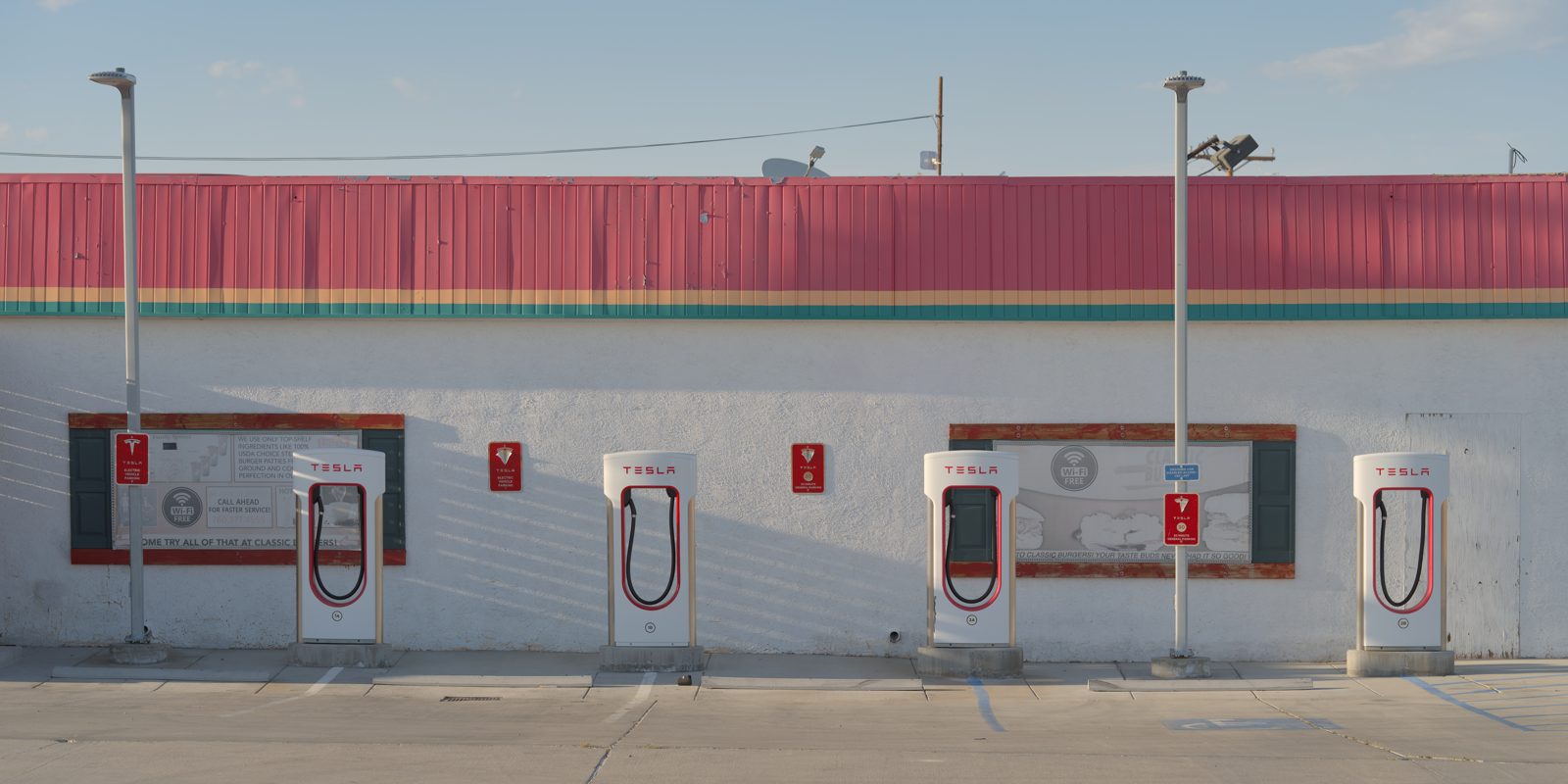
Tesla wants to build Australia's largest public charging hub for electric cars. The company filed plans for a 37-stall Supercharger in Thurgoona. Thurgoona is a suburb of Albury.
Albury sits on the border of New South Wales and Victoria.
The plan is not approved yet. Tesla lodged a development application with Albury City Council. The site is a vacant lot of 1,300 square metres.
It sits about 2.5 km from the Hume Highway.
If the council says yes, the hub would be the biggest public EV site in Australia. It would beat every other site by the number of charging bays. A bay is one parking spot with a charger.
What happened
The application covers a $3.5 million project. The plans call for 37 charging bays. The bays would use Tesla's V4 chargers.
V4 is Tesla's newest fast-charging hardware.
Solar canopies would sit above the bays. A canopy is a roof that gives shade. These canopies would hold solar panels.
The panels could generate up to 100 kW of power. That is clean power from the sun.
The site is aimed at long-distance drivers. The Hume Highway links Sydney and Melbourne. It is one of Australia's busiest interstate roads.
Drivers on that run need fast, reliable charging.
The site would sit next to a gym. It would sit across the road from a supermarket complex. That gives drivers things to do while they charge.
A fast charge still takes time. Drivers can shop, stretch, or grab a snack.
Albury already has a Tesla Supercharger. It has 16 stalls in the city centre. It opened in December 2023. At the time, it was Tesla's biggest site in Australia.
That crown moved to Goulburn in August 2025. Tesla opened 20 V4 stalls in Goulburn. The site sits on Lockyer Street near the Big Merino. Thom Drew is Tesla's Australia and New Zealand country director.
He called Goulburn the largest site in the southern hemisphere.
The Thurgoona hub would nearly double Goulburn. It would more than double the current Albury site. That shows how fast charging demand is growing.
The plan is now on public display. The public can view it until October 21. A council assessment report is due by the end of November. Construction is still a ways off.
No opening date has been set.
Tesla is also growing elsewhere on the Hume. The company wants to expand its Euroa Supercharger. Euroa is one of Tesla's oldest sites in Australia.
It has six old V2 stalls. Tesla wants to replace them with 10 V4 stalls. The upgrade would also open the site to other brands of EVs.
In Kaniva, Tesla wants to nearly double the stall count. Kaniva sits on the Melbourne to Adelaide route. In Wagga Wagga, councillors are weighing new chargers at the Tarcutta truck stop.
Tarcutta is another midpoint on the Sydney to Melbourne drive.
Why it matters
Long road trips are the hardest test for electric cars. City driving is easy. Home charging covers most daily trips.
But a 900 km drive needs fast chargers on the highway.
The Hume Highway is the key test in Australia. It links the two biggest cities. Thousands of cars use it each day.
Holiday traffic makes it even busier. Queues at chargers can ruin a trip.
A 37-stall hub would cut that risk. More stalls mean shorter waits. Drivers could stop with more confidence.
That matters most at Christmas and Easter. Those are the peak travel times.
The plan also shows a shift. Tesla is opening its network to other brands. More than half of its Australian sites now accept CCS2 cars from other brands.
CCS2 is a common charging plug standard in Australia. V4 chargers can serve many types of EVs.
Tesla's network has grown fast. The company hit 1,000 stalls in Australia in June 2026. The 1,000th stall opened with a new site in Byron Bay. Tesla says its chargers now cover more than 10,000 km of major highways.
The global network has passed 85,000 stalls.
Experts see both promise and risk. Ross De Rango leads Vehicle Charging Solutions Australia. He told ABC that highway charging sites are strong business opportunities.
He also said states should help build chargers off the main roads. Private firms may not invest in quiet areas.
Milad Haghani is an associate professor at the University of Melbourne. He offered a cautious view. He warned that charging networks must keep up if EV sales stay strong.
If demand keeps growing, the network has catching up to do.
Terry Martin is a motoring editor at RACV. He said more than 180,000 EVs have been sold this year. Many of those cars will hit the highway over summer.
That will test the network.
One striking fact shows the pace. The number of EVs on the road has tripled. Charging infrastructure has grown twelvefold.
So the network is running ahead for now. But peak days still bring queues.
EV interest is rising too. Beinsure reports that EV consideration in Australia rose to 31% in 2026. That means nearly one in three buyers now thinks about going electric. Lower running costs help.
More models help. Better charging helps too.
For EV owners, the hub would be a big win. For Tesla, it locks in the Hume corridor. For other networks, it raises the bar.
A 37-stall site sets a new standard for size.
For more on electric cars, see how EV batteries degrade over time. It explains what happens to range as cars age. Also see why EVs lose range in winter.
For another big EV launch, read our report on the BYD Da Han EV.
What happens next
The council process comes first. Public display ends on October 21. Then the council will assess the plan. Its report is due by the end of November.
Only then can construction start.
Neighbours and locals can have their say. The council will weigh traffic, noise, and design. It will also weigh the benefit to travelers.
A big charging hub brings visitors to the area.
If approved, Tesla must then build the site. That takes months. No opening date has been announced.
Drivers should not plan trips around it yet.
More expansions may follow. Euroa and Kaniva are already in the pipeline. Wagga Wagga may add chargers too.
The Hume corridor could soon have far more stalls than today.
The bigger question is pace. EV sales are growing fast. Charging must grow just as fast.
Tesla is leading the build-out. But other networks must grow too. Rural roads need chargers, not just highways.
For now, the Thurgoona plan is just a plan. But it points to the future. Big charging hubs on big highways.
Solar roofs over the bays. Fast chargers for many brands. That is the shape of road trips to come.
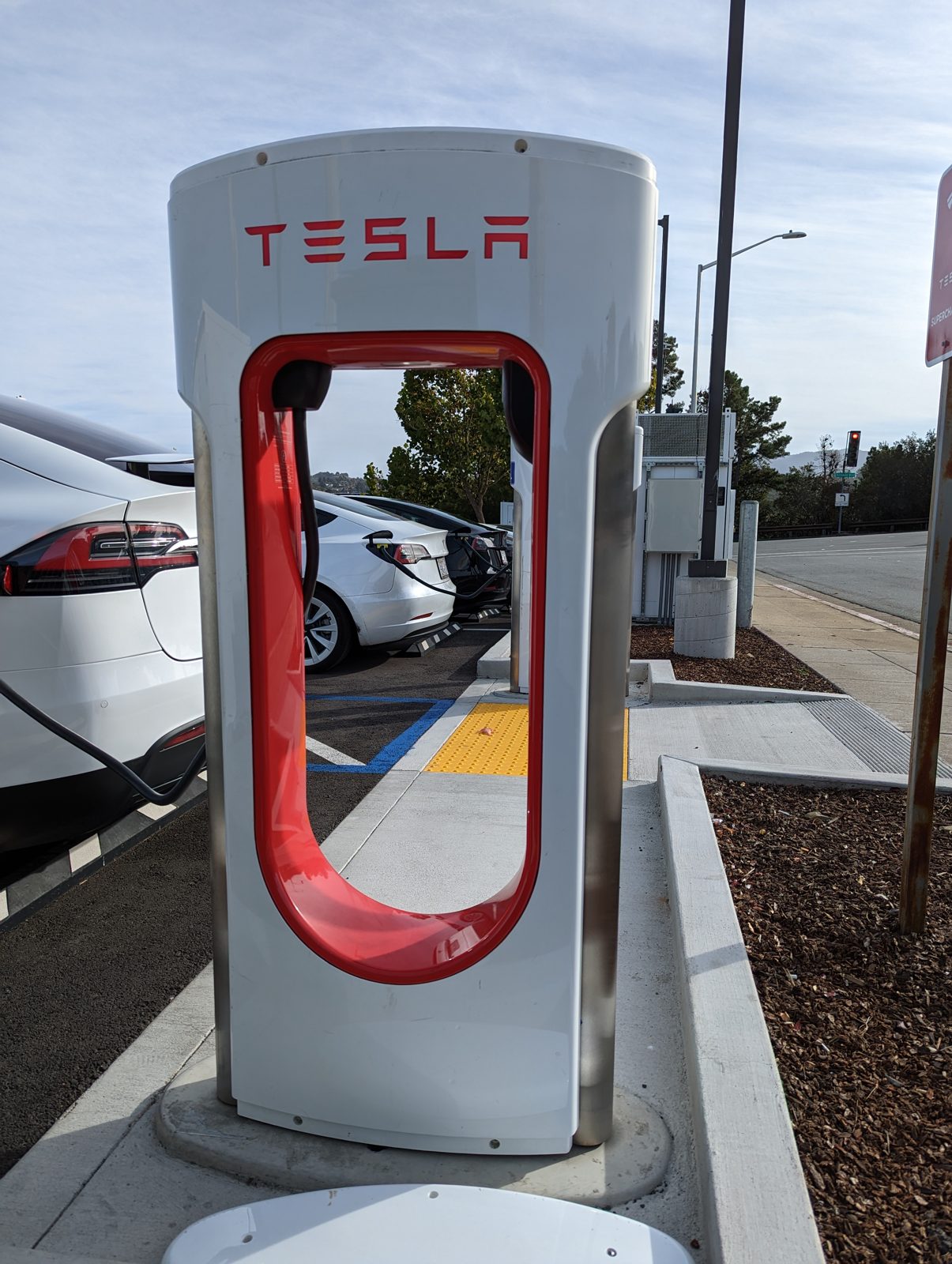
If the council approves the plan, Albury will host a record site. Drivers on the Hume will have 37 new places to plug in. The wait for a charger could get much shorter.
Related stories

Why Does Tire Pressure Drop in Cold Weather?
Cold weather can cut tire pressure by 1 psi for every 10°F drop, thanks to the ideal gas law. Here is what happens inside the tire and what

Why Do Brake Rotors Warp, or Do They Actually?
Mechanics rarely see a truly warped rotor. The shudder usually comes from uneven pad deposits a few thousandths of an inch thick. Here

How to Buy a Used Car Without Getting Scammed: The Checklist
Over 450,000 cars a year have rolled-back odometers, NHTSA says. This checklist covers VIN checks, title washing, and the inspection that