
Why Do Tires Develop Flat Spots Overnight? Causes and Fixes
Key takeaways
- Tire rubber is viscoelastic, so it holds a temporary flat shape where the parked car's weight presses it.
- Cold weather stiffens the rubber and drops air pressure, which is why spots appear overnight in winter.
- Most overnight flat spots disappear within 10 to 15 minutes of driving as the tires warm up.
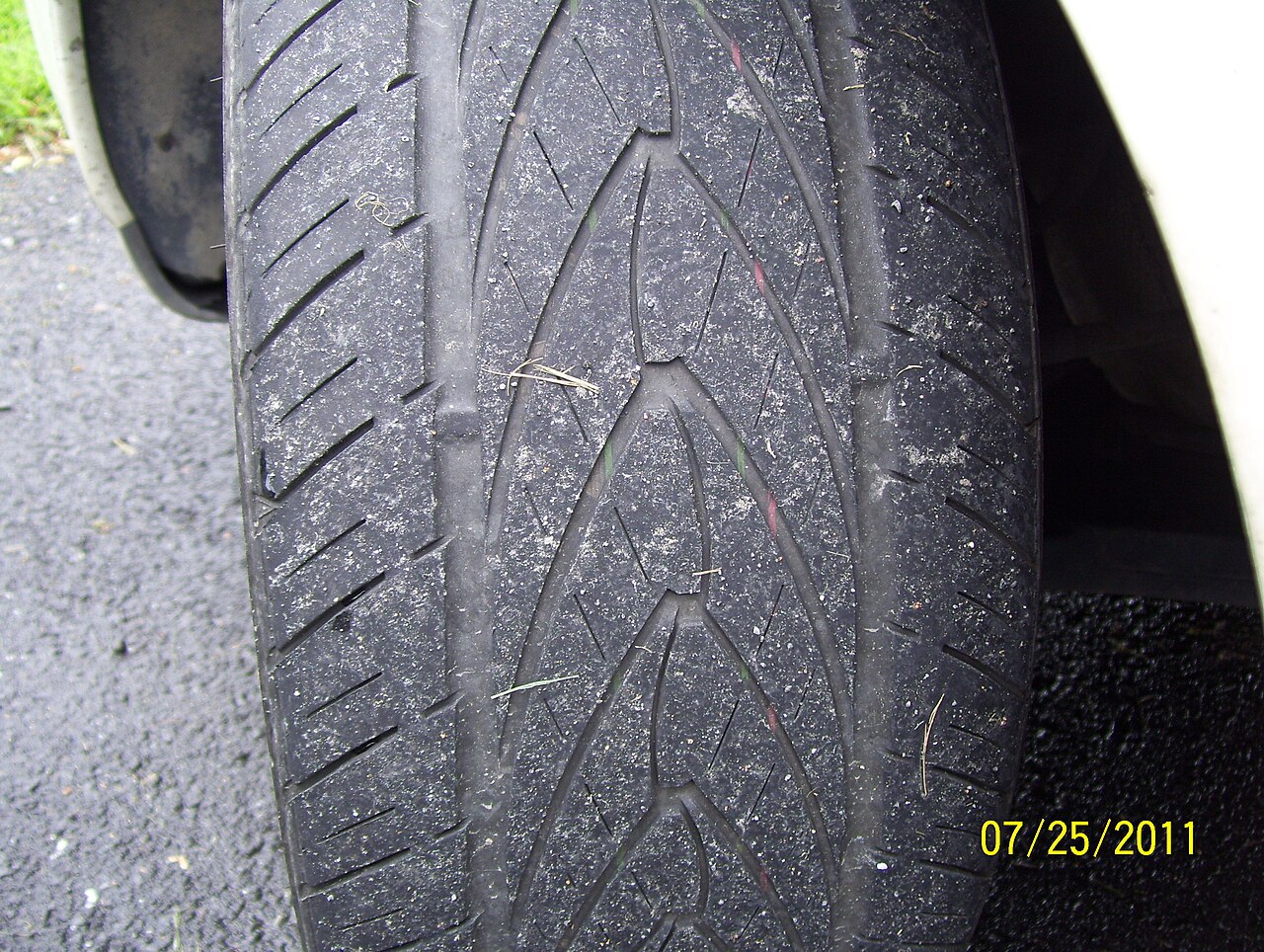
Close-up of a tire tread and shoulder. Photograph: Jbobby
You park the car on a cold evening, drive to work the next morning, and the steering wheel thumps in a steady rhythm at low speed. That is a flat spot: a small section of tire that took a "set" overnight where the car's weight pressed it against the pavement.
Flat spots are not punctures and they are rarely permanent after a single night. They are a quirk of the rubber itself: tire compounds are viscoelastic, which means they behave partly like a spring and partly like thick honey. Press them long enough and they remember the pressed shape for a while.
This article explains what a flat spot actually is, why a parked car creates one overnight, why cold weather makes the effect worse, how to tell a harmless temporary spot from a permanent one, and what to do about each.
What a flat spot actually is
A flat spot is a localized flattening of the tread and the tire's internal structure at the contact patch, the small area touching the ground. While you park, the full weight of the vehicle bears down on four patches of rubber, each roughly the size of a postcard.
Because the rubber is viscoelastic, it does not snap back instantly when the load is removed. EngineerFix explains the mechanism plainly: "Because rubber is viscoelastic, it does not immediately return to its original shape once the load is removed." The textile cords and rubber compound in the tire wall deform under the static load, and that delayed elasticity leaves a flat section in the otherwise round tire.
Drivers sometimes call the result "cold set" or "morning sickness." The names describe exactly what happens: the tire set into a slightly flat shape while cold, and the first drive of the morning feels lumpy.
Once the tire starts rolling, every revolution flexes the rubber, and that flexing generates heat. Warm rubber is more supple, so the flat spot works itself out.
The symptom is unmistakable: a rhythmic thumping or vibration at low speeds that fades as you drive. EngineerFix reports that the vibration "usually disappearing completely after 10 to 15 minutes of driving." If you notice a persistent shake at highway speed instead, the cause may be a wheel vibration problem rather than an overnight flat spot.
Why overnight parking creates them
Time under load is the key variable. A quick stop at the store never creates a flat spot. Leave the car parked overnight or for a few days and the rubber has enough time to take a set.
EngineerFix places the formation window at "hours to several weeks, depending on the conditions," with cold ambient temperatures letting "a noticeable temporary flat spot form overnight or within 24 to 48 hours." Storage for a month or longer can produce a more severe, semi-permanent spot that needs far more driving to work out.
Several factors speed up or slow down the process. Vehicle weight matters directly: a heavy SUV stresses each contact patch more than a light hatchback.
Tire construction matters too. EngineerFix notes that modern high-performance tires often carry a nylon reinforcement layer, the cap ply, and says this nylon cap ply "holds the flattened shape until it is sufficiently heated through driving." That is why sports cars on sticky tires are famous for morning thumps.
Driving away normally is the fix. The rolling action and internal heating restore the round profile. There is no need for special products or procedures for an overnight spot: just drive, and give it ten to fifteen minutes.
Why cold weather makes it worse
Winter is flat-spot season for two separate reasons, and both trace back to temperature.
First, cold stiffens the rubber compound. Polymer chains in the tire lose flexibility as temperatures drop, so the deformed contact patch holds its shape more stubbornly. EngineerFix describes cold set as "more pronounced" in cold temperatures because the rubber stiffens.
Second, cold lowers tire pressure. Air contracts as it cools, and the rule of thumb is about one PSI lost for every 10°F drop in temperature, a figure both EngineerFix and TireCrunch cite.
TireCrunch warns that a car parked through a cold week can lose up to 5 PSI relative to its normal inflation, and an under-inflated tire spreads the car's weight over a larger, less supported contact patch. That concentrates stress on the internal plies and lets them set faster.
Parking habits help here. Check pressures monthly in winter and inflate to the figure on the driver's door jamb, not the maximum printed on the sidewall. A properly inflated tire deforms less under load and recovers faster.
If you store a vehicle for weeks, over-inflating by a few PSI (within the tire's safe range) reduces flat-spotting. Rolling the car a few inches every couple of weeks also changes which section of rubber carries the load.
Temporary versus permanent flat spots
Not all flat spots are equal. The overnight kind is temporary and reversible. The permanent kind is a different beast.
Temporary spots come from parking. The rubber is reshaped but the internal structure, the steel belts and textile plies, is intact. They resolve with driving, and the tire's life is unaffected.
Permanent spots come from violence or neglect. The classic cause is a brake lockup: slamming to a stop without ABS grinds one section of tread against the pavement and can damage the belts underneath.
EngineerFix describes the result as an irreversible loss of material and structural integrity in the tire's carcass. Months of storage while severely under-inflated can also deform a tire permanently.
If a vibration persists after 30 minutes of highway driving, the spot is likely permanent. At that point a shop can diagnose whether the tire is balanceable or needs replacement.
Persistent thumping also accelerates uneven wear, so do not ignore it for weeks. While you are under the car, it is worth learning how to tell when brake pads need replacing, since hard braking is one route to the permanent kind.
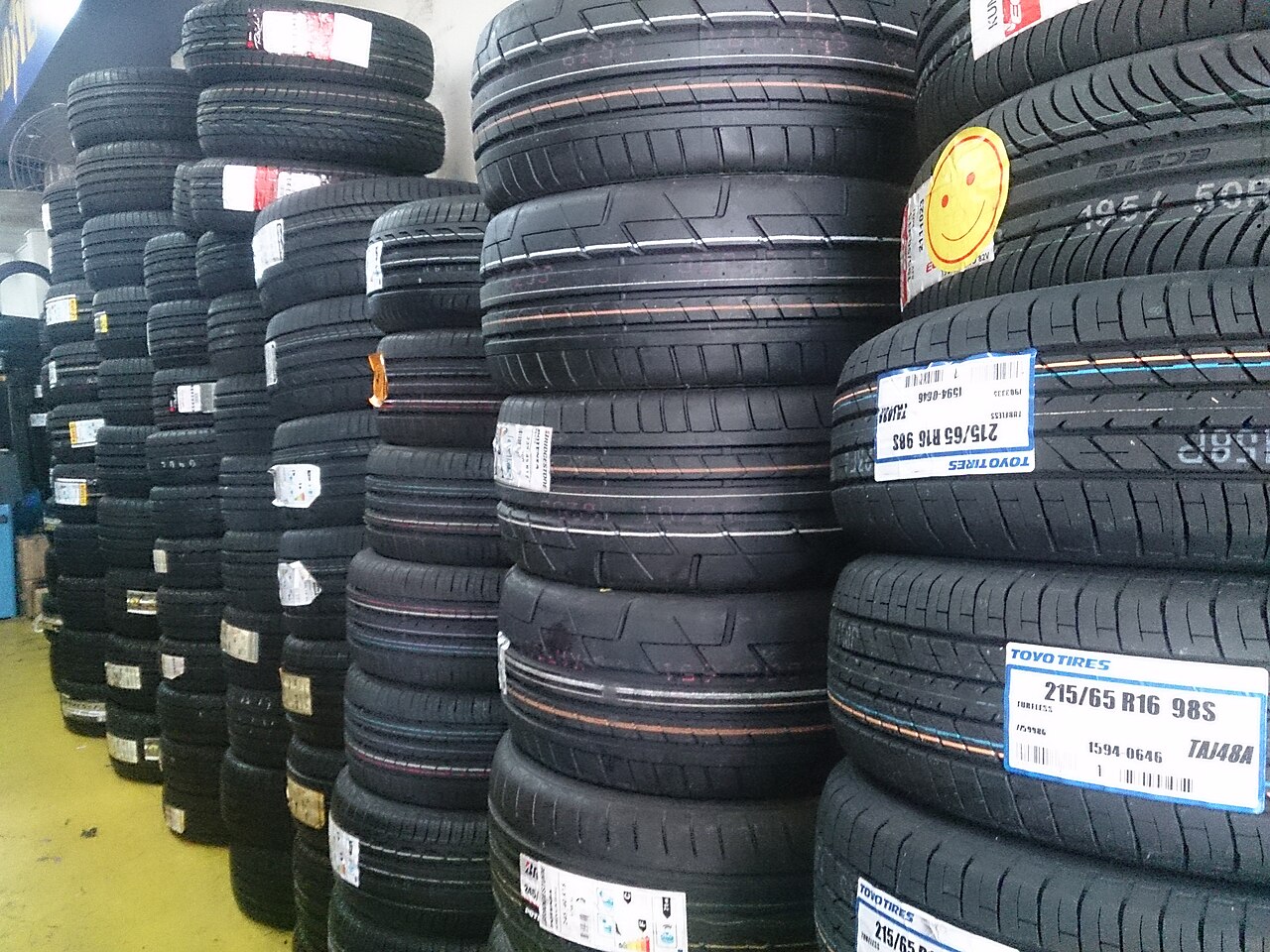
A set of car tyres showing tread and sidewall. Photograph: ProjectManhattan
Frequently asked questions
Are overnight flat spots dangerous?
No. A temporary flat spot causes vibration but no structural damage, and it resolves with driving. It only becomes a safety concern if a permanent spot is ignored, since the uneven wear and vibration can mask other problems.
Will driving on a flat spot damage the tire?
Driving gently on a temporary spot does not damage anything. The flexing is exactly what warms the rubber and restores the shape. Avoid high-speed cornering in the first minutes if the thumping is strong.
Do flat spots affect all tire types?
They affect all tires, but stiff low-profile performance tires with nylon cap plies show the effect most clearly. Softer touring tires with taller sidewalls tend to set less and recover faster.
How can I prevent flat spots in a stored car?
Inflate to the door-jamb pressure or slightly above, park on a clean dry surface, and either roll the car periodically or put it on jack stands for storage beyond a month. A tire depth gauge, shown below, helps you track whether uneven wear is developing.
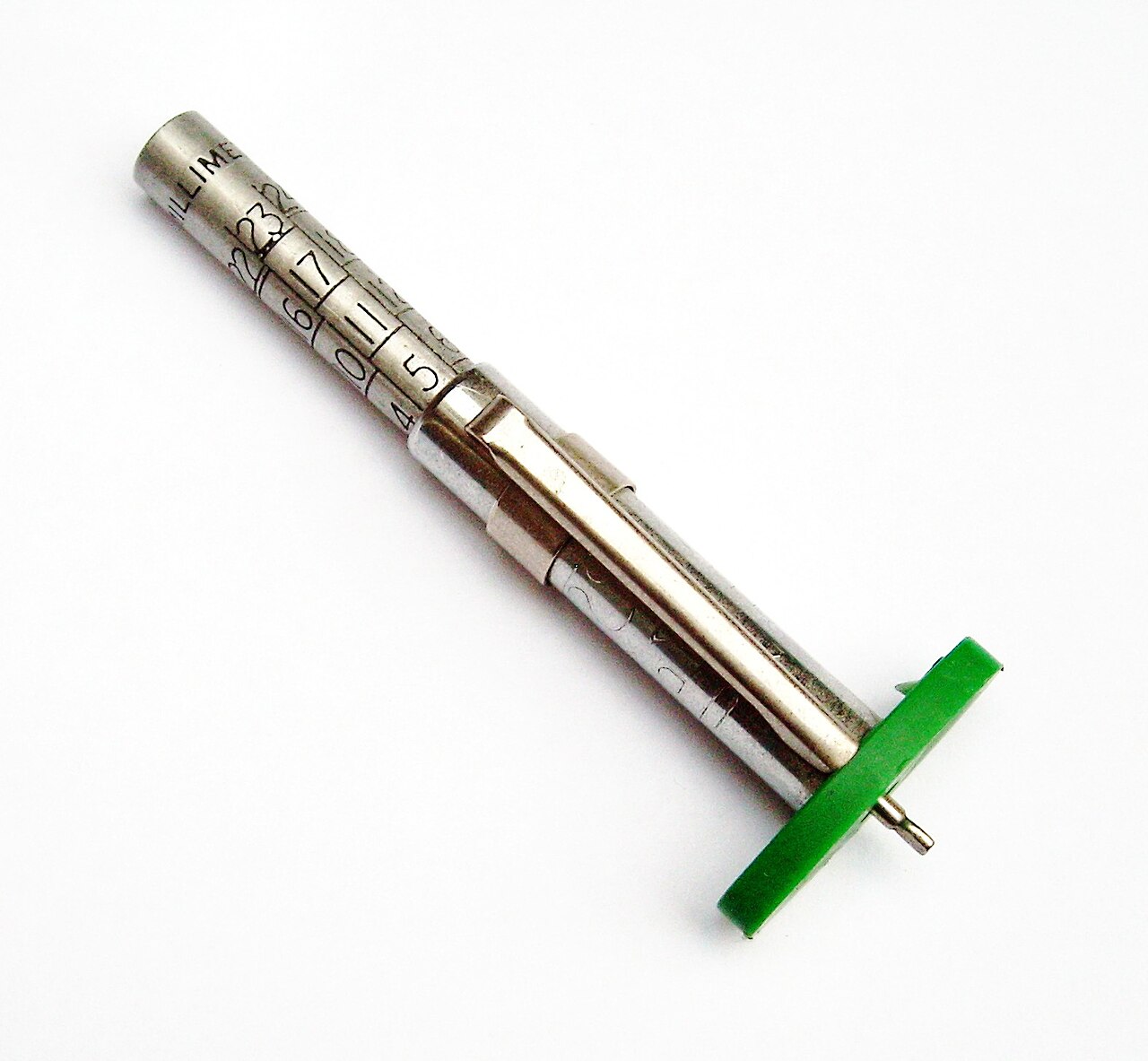
A tread depth gauge checking tire wear. Photograph: Simon Speed
The bottom line
Tires develop flat spots overnight because viscoelastic rubber takes a temporary set under the car's weight, and cold weather stiffens the rubber while stealing air pressure. The fix is refreshingly simple: drive.
Ten to fifteen minutes of normal driving warms the tires and rounds them back out. Keep pressures correct, and only worry if the thump outlasts the warm-up.
Latest in Automotive
- Why a Steering Wheel Vibrates at High Speed
- Do Run-Flat Tires Work and What Are the Tradeoffs?
- How to Tell Your Brake Pads Need Replacing
- What Is the Difference Between All-Wheel Drive and Four-Wheel Drive?
Subscribe to the Rive News newsletter for one practical explainer every morning.
Image Credits: Wikimedia Commons / Jbobby; ProjectManhattan; Simon Speed
Related stories
Why Does Tire Pressure Drop in Cold Weather?
Cold weather can cut tire pressure by 1 psi for every 10°F drop, thanks to the ideal gas law. Here is what happens inside the tire and what
Why Do Brake Rotors Warp, or Do They Actually?
Mechanics rarely see a truly warped rotor. The shudder usually comes from uneven pad deposits a few thousandths of an inch thick. Here

How to Buy a Used Car Without Getting Scammed: The Checklist
Over 450,000 cars a year have rolled-back odometers, NHTSA says. This checklist covers VIN checks, title washing, and the inspection that