
Why Do Some Turbo Engines Require Premium Fuel?
Key takeaways
- Octane rating measures a fuel's resistance to premature ignition (knock), not its energy content or cleanliness.
- A turbocharger forces extra air into each cylinder, raising peak pressure and temperature beyond what regular 87-octane fuel can handle safely.
- Your owner's manual says either "required" (use premium or risk damage) or "recommended" (the engine will adjust, with slightly less power).
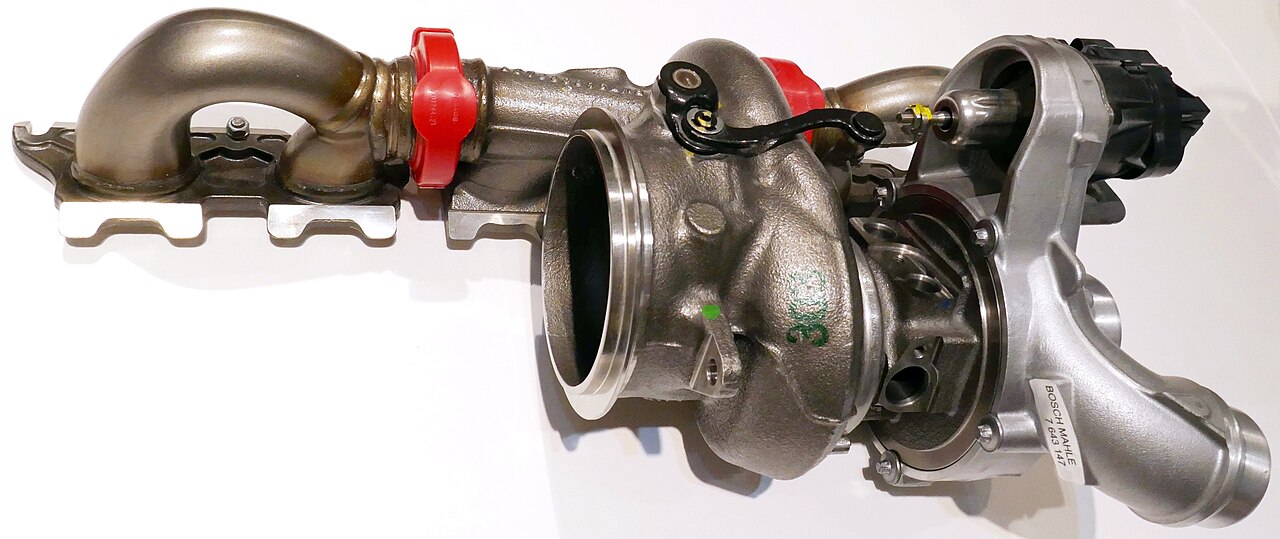
A turbocharger unit showing the turbine housing. Photograph: Tiia Monto
Turbocharging squeezes more power out of a smaller engine by forcing extra air into each cylinder before the spark plug fires. That extra air is the reason many turbo engines demand premium fuel, while the non-turbo engine next to it on the dealer lot runs happily on regular 87 octane.
Premium fuel is not a performance additive or a cleaning potion. It is simply gasoline that resists igniting on its own under high pressure. The number on the pump, the octane rating, measures that resistance.
According to EngineerFix, octane is "an index of gasoline's resistance to spontaneous combustion, not a measure of its energy content or quality." Regular gasoline in the United States is rated 87 on the Anti-Knock Index, while premium runs 91 to 94.
This article explains what octane ratings actually measure, how turbochargers push cylinders past the limits of regular fuel, what "required" and "recommended" mean in your owner's manual, and what really happens when the wrong fuel goes into the tank.
What octane ratings actually measure
Inside an engine, the piston squeezes the air-fuel mixture into a fraction of its original volume, then the spark plug ignites it. The compression ratio, for example 10:1, describes how tightly the mixture is packed. Compressing gas heats it, so a high compression ratio means high temperature and pressure right before ignition.
If the fuel cannot withstand that punishment, it ignites on its own before the spark. That uncontrolled early burn is called knock or pre-ignition, and SlashGear describes its effect vividly: stray pockets of fuel combusting early act "like tiny hammers pounding away at the protective film of the piston," letting full combustion heat reach bare metal. Over time, repeated knock damages pistons, rings, and valves, and in severe cases an engine can seize.
Higher octane fuel simply waits its turn. It stays stable under greater pressure and heat, then burns when the spark plug tells it to. That stability is the entire difference between regular and premium.
As SlashGear reports, premium and regular gasoline "pack roughly the same chemical energy," so the fuel itself does not add horsepower. It is the engine's ability to handle extra compression that produces the performance.
How high can compression go on regular fuel? EngineerFix puts the historic threshold for naturally aspirated engines around a 10:1 static compression ratio, noting that modern designs can now run regular 87-octane fuel at ratios up to about 11:1. Above 11:1, it says, engines almost always require premium gasoline at 91 AKI or higher.
Why turbos raise the stakes
A turbocharger does not wait for the piston to do the squeezing. It compresses the intake air first, stuffing more oxygen into every cylinder. That raises both the density and the temperature of the mixture before the compression stroke even begins.
The result is a much higher effective compression ratio than the number stamped on the spec sheet. EngineerFix explains that "the presence of forced induction often overrides the static compression ratio as the primary factor dictating the need for premium gasoline."
A turbo engine with a modest-looking 10:1 static ratio can behave, under boost, like a naturally aspirated engine with a far higher ratio. As the Art of the Fix site puts it, turbo engines "compress the air-fuel mixture to higher pressures, increasing the risk of knocking," which is why "higher octane fuels can withstand greater compression before igniting."
This is why two cars with similar compression ratios can have different fuel requirements. A naturally aspirated 2.5-liter four-cylinder at 12:1 may run fine on regular thanks to modern knock control, while a turbocharged 1.6-liter with a 10:1 ratio demands 91 octane because the turbo is always ready to add boost and pressure. The hybrid powertrains used in many family cars dodge this problem partly by leaning on electric assist rather than boost for low-speed torque.
Turbo boost is also variable, which is part of the confusion. At light cruising load, many turbo engines behave like ordinary engines. Demand full power for a highway pass and cylinder pressures spike.
That is why some manufacturers can label a turbo "premium recommended" rather than "required": the engine can protect itself when boost is high, as the next sections explain.
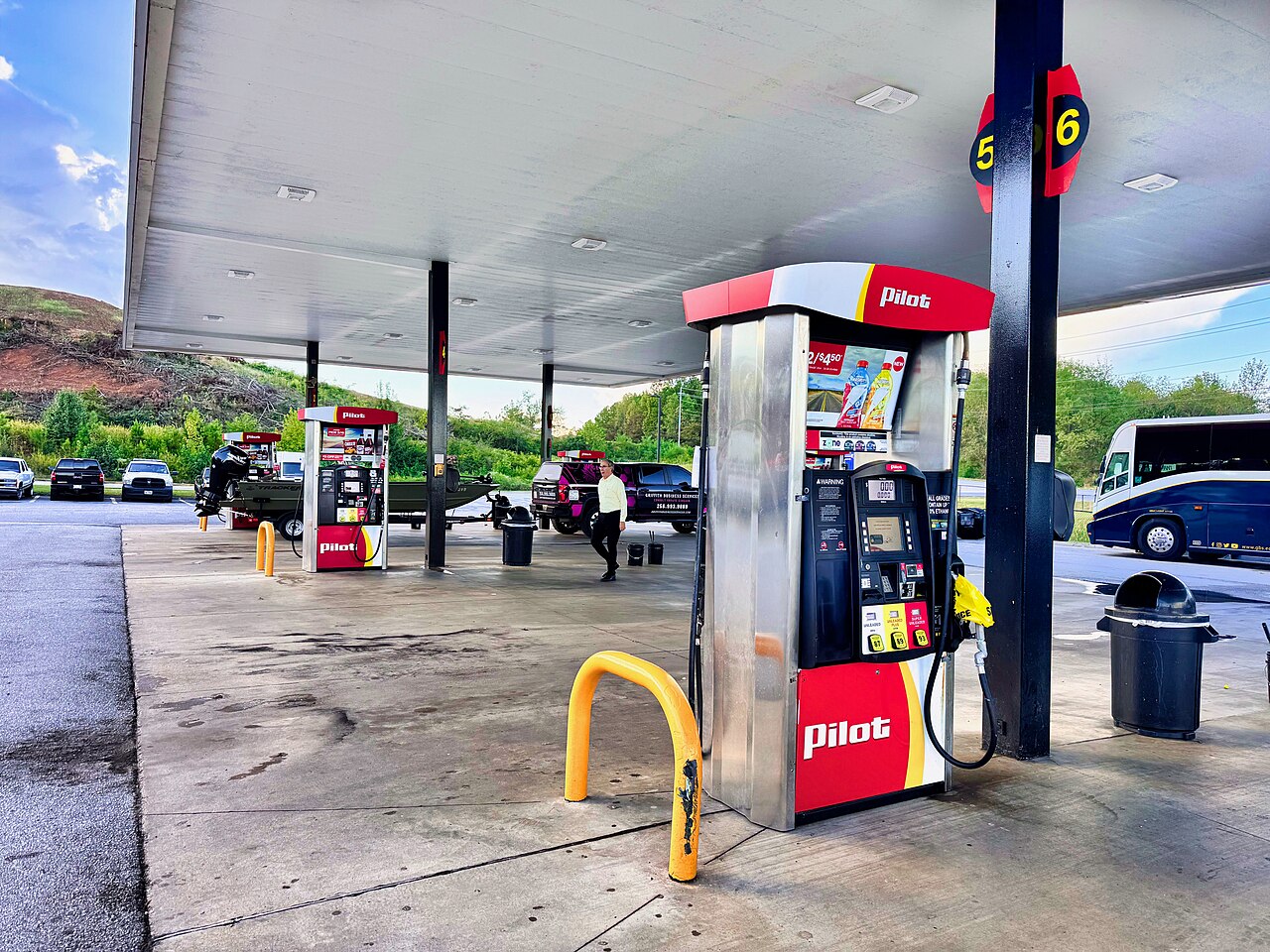
Fuel pumps at a Pilot Flying J station in Cleveland, Tennessee. Photograph: Harrison Keely
Required versus recommended: reading your manual
Open the fuel door or the owner's manual and you will see one of two wordings. They are not marketing terms; they mean different things.
"Premium fuel required" means the manufacturer designed the engine around high-octane fuel with no safety margin for regular. Running 87 octane in such an engine invites knock under load, and chronic knock can damage internal parts. It can also put your warranty coverage at risk, since the manufacturer specified the fuel the engine needs.
"Premium fuel recommended" means the engine can adapt. Modern engines carry knock sensors bolted to the block that listen for the high-frequency vibrations of detonation. EngineerFix describes the response: "The Engine Control Unit (ECU) immediately responds by retarding, or delaying, the ignition timing," firing the spark later to reduce peak pressure and temperature. The engine runs safely, but the retarded timing trims peak power and can slightly worsen fuel economy. SlashGear notes that knock sensors let a car's electronics "tweak the engine's ignition timing depending on the fuel the engine is being fed."
If your manual says "recommended," using regular will not hurt the engine; you are trading a little performance for cheaper fill-ups. If it says "required," the premium grade is the price of admission for that engine design. When in doubt, follow the manual, not the pump advertising.
What happens if you use regular anyway
Three outcomes are possible, depending on the engine.
First, nothing dramatic. In an engine labeled "premium recommended," knock sensors detect the onset of detonation within milliseconds and pull back timing and boost. You lose a few horsepower and possibly a little efficiency.
Many drivers never notice the difference in daily driving.
Second, persistent knock. In an engine labeled "premium required," the safety margins are thin. Light knock under heavy load can still occur, especially in hot weather or when towing.
Each event is small, but the accumulated heat and pressure waves erode piston crowns and ring lands over tens of thousands of miles. This is the damage the requirement exists to prevent.
Third, a lighter wallet if you overbuy. Pouring premium into a car designed for regular buys nothing. The engine never generates the pressures that would need high-octane stability, so the extra money goes straight to the fuel company.
SlashGear reports that a fill-up with premium costs roughly $12 more than regular on a typical tank, money that produces no extra power and no better economy in a regular-fuel engine.
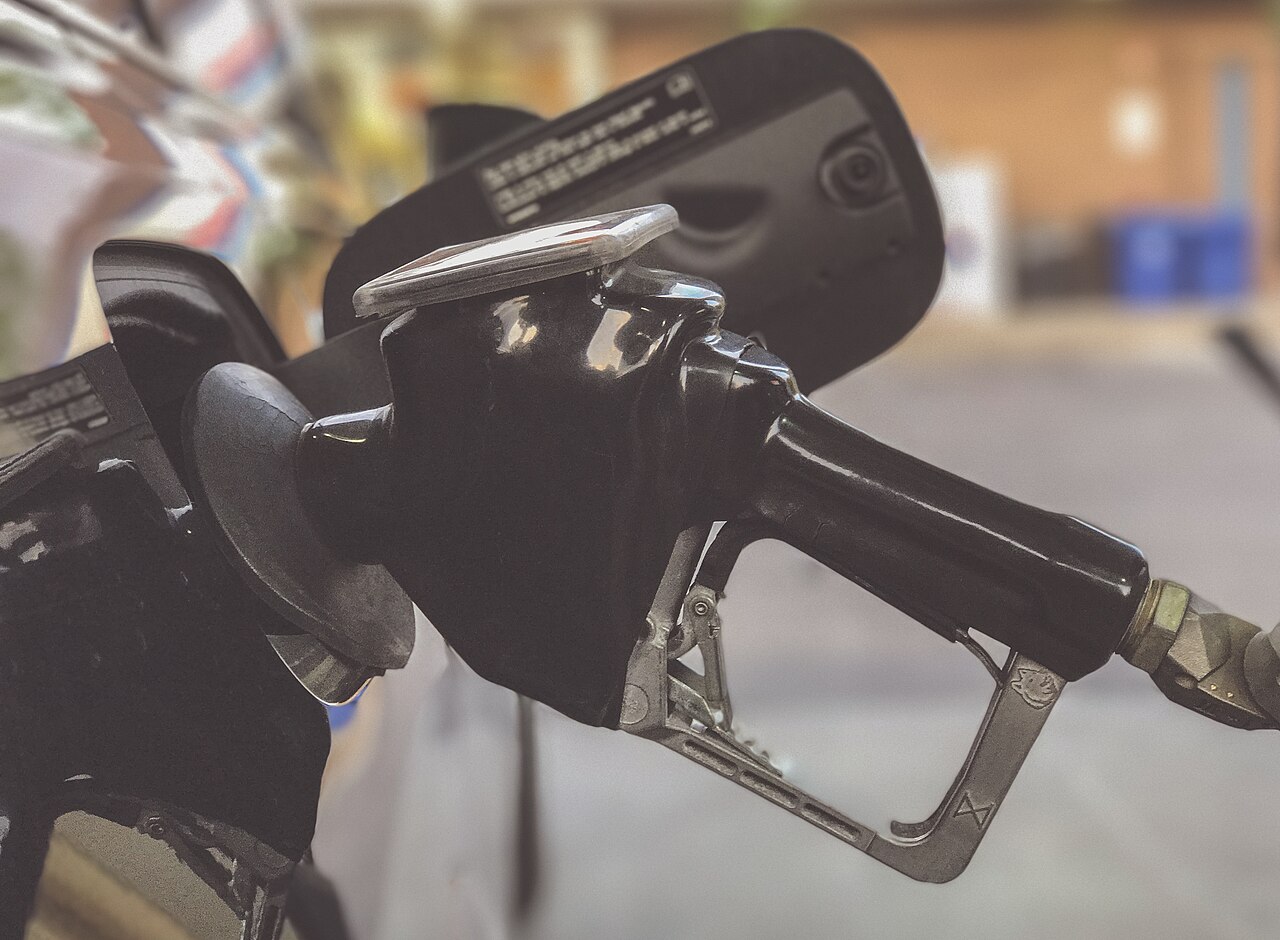
A fuel nozzle at a service station pump. Photograph: Tony Webster
One nuance: premium is not "cleaner" in any way that matters for most engines. Modern regular gasoline already contains the detergent additives that keep injectors clean. Buy the octane your engine was built for and skip the rest.
If your drivetrain choice matters more to you than engine output, put the fuel question behind you and budget for the tires and brakes instead.
Frequently asked questions
Does premium fuel give more horsepower?
Only in an engine designed to use it. The fuel itself holds no extra energy. In a "premium recommended" turbo, you get the engine's full rated output; in a regular-fuel engine, you get exactly the same output as with regular gas.
Can I mix premium and regular in the tank?
Yes. The octane of the mixture lands somewhere between the two grades. If your car requires premium and you must add regular in an emergency, keep boost low, avoid heavy throttle, and refill with premium at the next opportunity.
Why do some turbos run fine on regular?
Their engineers designed them that way. Careful combustion-chamber shaping, direct injection, and aggressive knock control let some turbo engines stay within regular fuel's limits. The manual's "required" or "recommended" line is the verdict of that engineering, not a suggestion.
Is high-octane fuel better for a turbo engine's health?
It is the fuel the engine's calibration expects, so in "required" engines it prevents knock damage. But it does not clean valves, extend oil life, or slow wear beyond knock prevention. Maintenance items like brake pad checks still matter far more for long-term ownership costs.
The bottom line
Some turbo engines require premium fuel because the turbo raises cylinder pressure past what 87-octane gasoline can survive without knocking. Octane is a measure of that survival, not of energy.
Your owner's manual tells you whether premium is required or merely recommended. Required means use it; recommended means the engine will adjust with a small power penalty. Matching fuel to the engineering keeps the engine healthy and your money well spent.
Latest in Automotive
- What Is the Difference Between All-Wheel Drive and Four-Wheel Drive?
- How Hybrid Cars Decide When to Use the Electric Motor
- How to Tell Your Brake Pads Need Replacing
- Do Run-Flat Tires Work and What Are the Tradeoffs?
Subscribe to the Rive News newsletter for one practical explainer every morning.
Image Credits: Wikimedia Commons / Tiia Monto; Harrison Keely; Tony Webster
Related stories

Why Does Tire Pressure Drop in Cold Weather?
Cold weather can cut tire pressure by 1 psi for every 10°F drop, thanks to the ideal gas law. Here is what happens inside the tire and what

Why Do Brake Rotors Warp, or Do They Actually?
Mechanics rarely see a truly warped rotor. The shudder usually comes from uneven pad deposits a few thousandths of an inch thick. Here

How to Buy a Used Car Without Getting Scammed: The Checklist
Over 450,000 cars a year have rolled-back odometers, NHTSA says. This checklist covers VIN checks, title washing, and the inspection that