
Why tyres hum on some roads and stay quiet on others
By Rive News / Research desk | Rive News / Published October 28, 2026 at 9:00 AM PKT
Key takeaways
- Tyre hum is mostly tread blocks striking the road and air pumping through the grooves as the tyre rolls.
- The road surface is the other half of the sound, so the same tyres can drone on one road and whisper on the next.
- Worn tyres, wrong pressures and aggressive tread patterns all make the hum louder.
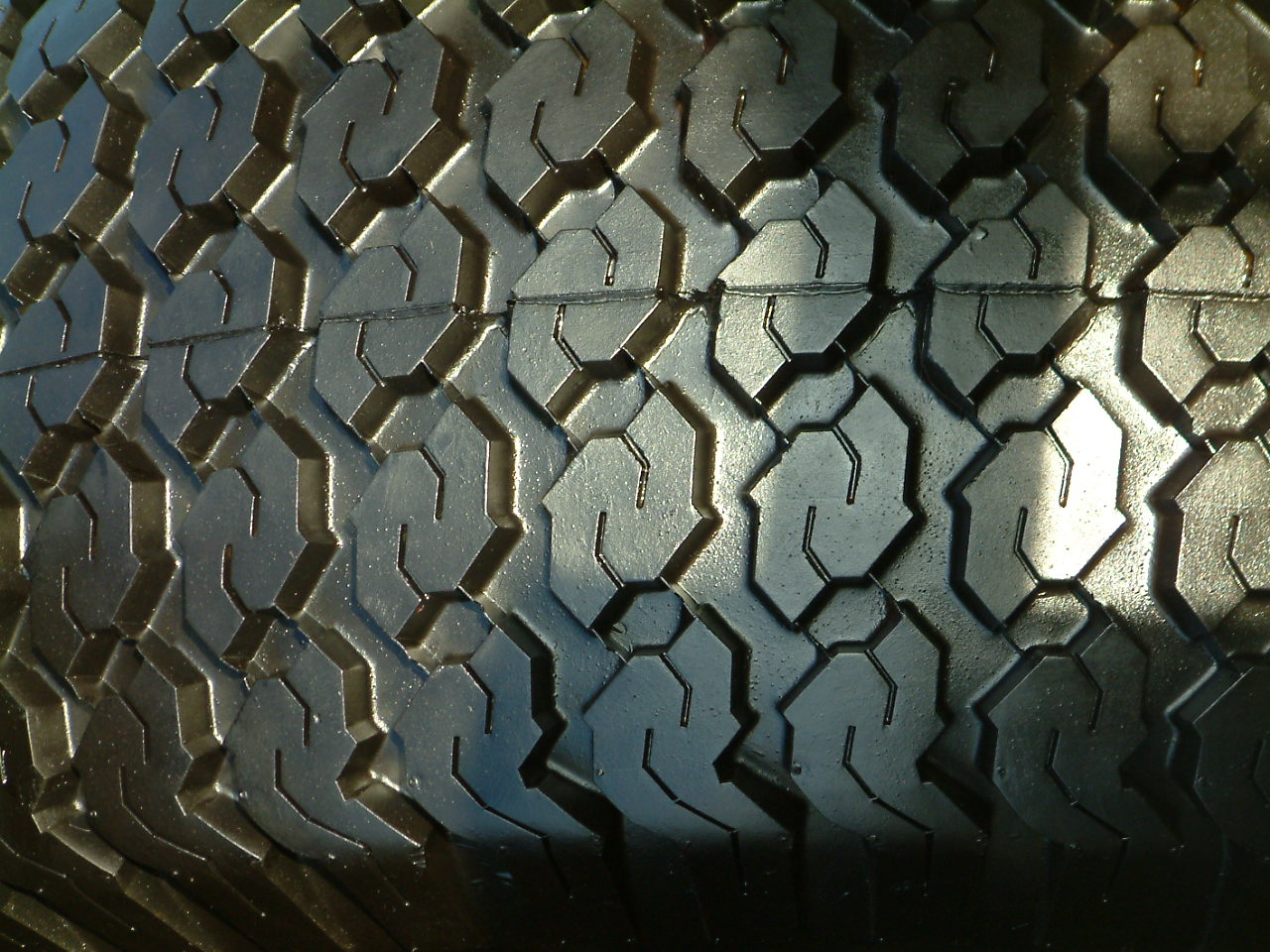
[A close-up of a tyre tread, with the block pattern that strikes the road surface on every rotation.] Photograph: the tyre tread
Image Credits: Wikimedia Commons
Tyre hum is the steady drone or buzz you hear from the wheels at cruising speed. It is not the engine and it is not the wind. It is the sound of rubber meeting road, repeated hundreds of times a second.
This article explains what makes that sound, why some roads make it louder, and what you can check when the hum changes. It covers the three noise mechanisms, the role of tread design, how road surfaces differ, and the maintenance checks that keep noise down.
What the hum actually is
A rolling tyre makes sound in three ways at once. The first is impact noise, as each tread block slaps down onto the road surface and lifts off again. The second is air pumping, as air trapped in the tread grooves and in the road texture gets squeezed out and sucked back in with every rotation.
The third is vibration. The tyre carcass flexes over the texture of the road, and that vibration travels through the wheel, the suspension and the body shell into the cabin. Engineer Fix describes these three mechanisms as air pumping, structural vibration and impact noise, all happening inside the contact patch where tyre meets road.
Speed changes the balance between them. At lower speeds the vibration and impact parts tend to dominate what you hear.
As speed rises, air pumping and the sheer rate of tread strikes push the pitch and volume up. That is why a hum that is barely there at 30 mph can become a drone at 70 mph.
Why the road surface matters so much
Tyre noise is a partnership, not a solo performance. Tire Rack puts it plainly: tyre noise depends on the partnership between the tread pattern and the surface it is driving on. Change either partner and the sound changes.
Smooth new asphalt is one of the quietest partners. Tire Rack notes that spacerless concrete and new asphalt roads tend to be the quietest surfaces and give the truest test of the tread pattern noise itself. Coarse chip seal, worn concrete with regular joints and patched tarmac all add their own texture, and the tyre has to strike and pump air across every bit of it.
Concrete motorways are a classic example. The regular joints and the grooved finish can set up a rhythmic thump that rises and falls with speed. Drivers sometimes blame new tyres for this, but Tire Rack points out that if new tyres make the same noise as the old ones, the road surface is probably the real source.
Wet roads add another voice. Water in the grooves changes the air pumping effect and adds a hissing or slapping sound as the tread clears water from the contact patch. Gravel and broken surfaces go further, producing a drumming effect as stones and loose material strike the underside of the car.
How tread design shapes the sound
Tread pattern is the tyre's side of the partnership. Every tread is made of blocks, grooves and sipes, and the size and spacing of those blocks set the basic tone. Large, chunky blocks on off-road and winter tyres hit the road harder and move more air, so they tend to growl on the highway.
The tyre industry calls the number of tread blocks around the circumference the pitch. Tire Rack explains that summer performance tyres generally use larger tread blocks and fewer pitches for steering response, while winter tyres use smaller blocks and more pitches for biting edges on snow and ice. All-season tyres sit in the middle.
Designers fight the drone with varied pitch sequencing. Instead of identical blocks spaced evenly, which would repeat one tone loudly, they vary block sizes around the tyre. Engineer Fix notes that this irregular pitch sequencing spreads sound energy across a wider frequency range, which makes the noise less noticeable even when the total energy is similar.
That is also why a worn tyre can suddenly get louder. As tread depth falls, the grooves that once gave air somewhere to go become shallower. The block edges also wear unevenly, so strikes that were once regular become ragged and harsh.
Rubber, size and pressure all play a part
Rubber compound matters because softer rubber absorbs vibration better than hard rubber. CarDekho notes that softer compounds can absorb some vibration and reduce noise, while stiffer compounds last longer but pass more vibration into the car. Budget tyres often use harder compounds, which is one reason they can sound louder than premium tyres of the same size.
Tyre size matters too. CarDekho points out that low-profile tyres, with shorter sidewalls, transmit more road noise because there is less sidewall flex to soak up vibration. Wider tyres also put more rubber on the road, which can raise noise compared with narrower tyres on the same car.
Pressure is the easiest factor to get wrong. Under-inflation lets the tyre squash and flex more than designed, changing the shape of the contact patch.
Over-inflation makes the tyre harder and less able to absorb small bumps. Both states tend to raise noise and wear the tread unevenly, which then raises noise further.
Wheel bearings and suspension wear can mimic tyre hum, so a hum that stays on every surface deserves a check. A bearing drone usually changes when you steer gently left and right at speed, while true tyre hum follows the road surface. If the noise never changes with the surface, the cause may sit further up the car than the tyres.
What to check when the hum changes
Start with the simple checks before spending money. Check pressures against the plate inside the driver's door or fuel flap, not the number moulded on the tyre sidewall. Check them cold, before driving, because a warm tyre reads higher.
Look at the tread across its full width. Wear on one edge only points to alignment or pressure trouble, and uneven wear almost always adds noise. The legal minimum tread depth in the UK is 1.6 mm, but noise and wet grip usually worsen well before that point, so many drivers replace tyres around 3 mm.
Rotate tyres on the schedule in the owner's manual. Rotation evens out wear between front and rear axles, which keeps the tread striking the road evenly. It will not silence a noisy road surface, but it stops a good set of tyres from developing a noisy wear pattern early.
When buying replacements, check the tyre label noise rating. The EU tyre label carries a noise figure in decibels, and comparing that figure between models is more useful than comparing brand reputations. A quieter-rated tyre on a coarse road will still hum, but it starts from a lower baseline.
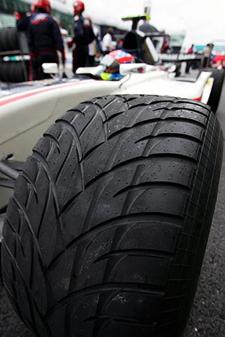
[A wet-weather tyre with deep grooves that clear water from the contact patch.] Photograph: the wet-weather tyre
Image Credits: Wikimedia Commons
Frequently asked questions
Why do my tyres hum only on certain roads?
The road surface supplies half the sound. Coarse chip seal, grooved concrete and patched tarmac all excite the tread more than smooth new asphalt, so the same tyres drone on one road and quiet down on the next.
Do winter tyres always hum more than summer tyres?
Winter tyres usually hum more on dry roads because their smaller, more numerous tread blocks and deeper grooves move more air and strike the road more often. That trade-off buys grip on snow and ice, which is what they are built for.
Can wrong tyre pressure cause humming?
Yes, both under-inflation and over-inflation can raise noise. Wrong pressure changes the shape of the contact patch and the way the tread strikes the road, and it also causes uneven wear that keeps the noise going.
Will new tyres always be quieter than old ones?
Not always. A new tyre with an aggressive tread can be louder than a worn touring tyre, and a noisy road surface will dominate either way. Compare the label noise rating and tread type rather than assuming new means quiet.
The bottom line
Tyre hum comes from the meeting of two things: the tread pattern and the road surface. Tread blocks strike the road, air pumps through the grooves, and the tyre carcass vibrates, and the road's texture decides how hard all three work. Check pressures, watch for uneven wear and compare label noise ratings when you buy, but accept that some roads will always sing louder than others.
Tags: tyres, road noise, tread pattern, driving
Rive News's research desk covers everyday motoring questions with sourced explainers and no invented claims.
Related
- How to make your tyres last longer
- What tyre tread patterns actually do on wet and dry roads
- Why tyre pressure drops in cold weather
- Run-flat tyres and their trade-offs
Subscribe for one practical motoring explainer each week.
Standards: every factual claim in this article traces to a named public source listed above.
Related stories

Why Does Tire Pressure Drop in Cold Weather?
Cold weather can cut tire pressure by 1 psi for every 10°F drop, thanks to the ideal gas law. Here is what happens inside the tire and what
Why Do Brake Rotors Warp, or Do They Actually?
Mechanics rarely see a truly warped rotor. The shudder usually comes from uneven pad deposits a few thousandths of an inch thick. Here

How to Buy a Used Car Without Getting Scammed: The Checklist
Over 450,000 cars a year have rolled-back odometers, NHTSA says. This checklist covers VIN checks, title washing, and the inspection that