
Why diesel and petrol engines sound so different
By Rive News / Research desk | Rive News / Published October 24, 2026 at 9:00 AM PKT
Key takeaways
- Petrol engines ignite a pre-mixed charge with a spark, creating a smooth, gradual pressure rise and a muted hum.
- Diesel engines compress only air to extreme pressure, then inject fuel that ignites in multiple pockets at once, causing a sharp pressure spike.
- That rapid pressure rise, called diesel knock or hard combustion, slams into the cylinder walls and makes the characteristic clatter.
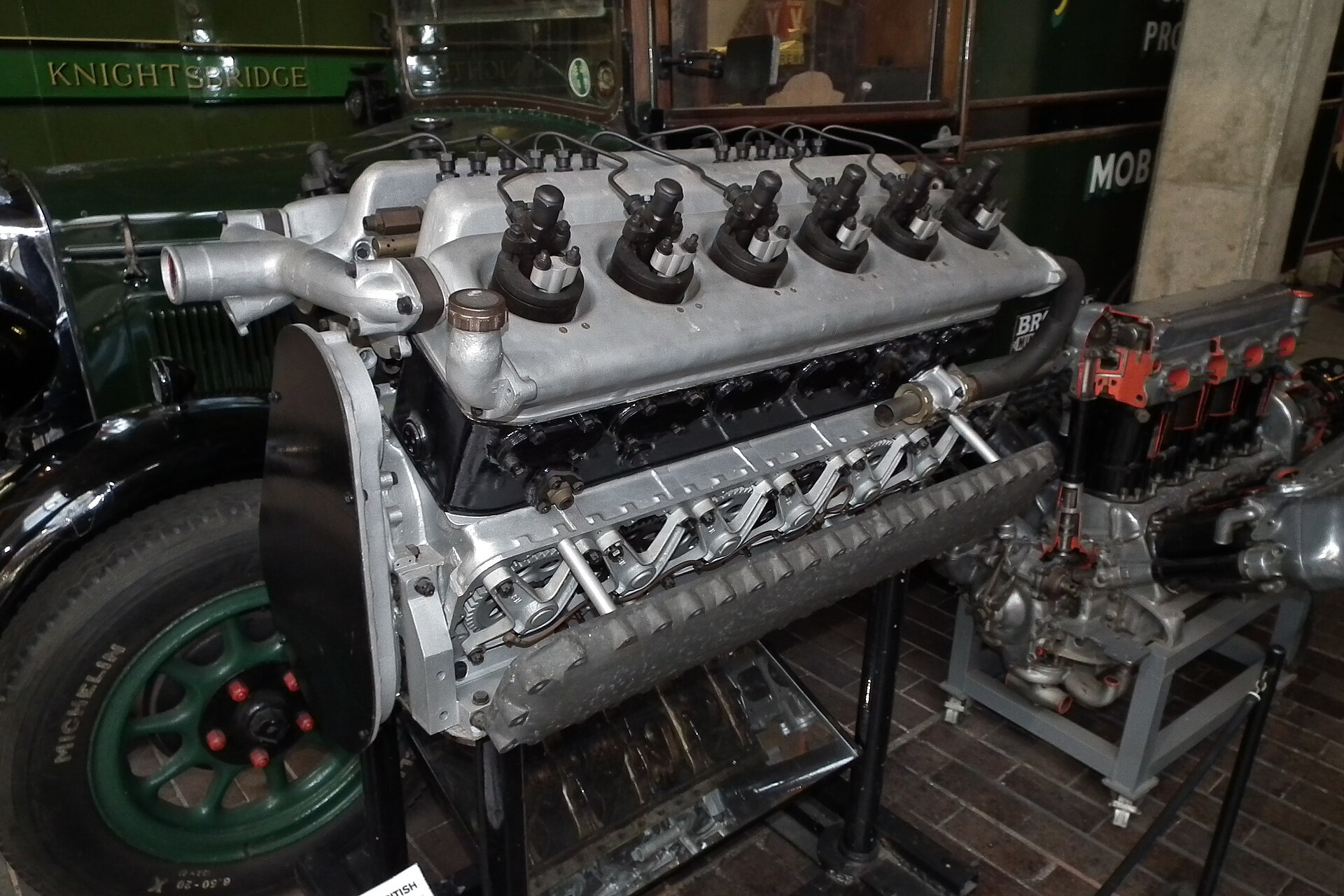
[A vintage Ricardo diesel engine: early compression-ignition designs like this set the template for the diesel clatter.] Photograph: the subject
Image Credits: Wikimedia Commons
Diesel engines clatter and rattle while petrol engines hum, and the difference is not a quirk of the exhaust pipe. It comes from the combustion chamber itself, specifically from how each engine type sets its fuel on fire. This article explains the ignition method of each engine, why diesel combustion produces a pressure spike, and what the famous diesel "knock" really is.
The short version: a petrol engine burns its fuel in a controlled, timed sequence, like lighting a fuse. A diesel engine detonates pockets of fuel almost simultaneously, like popping a cluster of firecrackers. The sound you hear is the difference between those two energy releases.
How petrol engines burn their fuel
Petrol engines, formally called spark-ignited (SI) engines, start by drawing a pre-mixed charge of air and fuel into the cylinder. The piston compresses that mixture to a moderate degree, with compression ratios typically between 8:1 and 12:1, according to Engineer Fix. At precisely the right moment near the top of the stroke, an electrical spark plug fires.
That spark ignites the relatively uniform, homogeneous mixture at a single controlled point. A flame front then spreads smoothly across the chamber, burning the fuel progressively. The result is a relatively gradual pressure rise inside the cylinder: the energy is released in an orderly wave rather than all at once.
Because the timing is deliberate and the burn is smooth, petrol combustion generates minimal combustion noise. The engine's acoustic signature is dominated by mechanical sounds (the valve train, the intake, the exhaust) rather than by the combustion event itself. That is the muted hum most drivers associate with a petrol car.
How diesel engines ignite without a spark
Diesel engines discard the spark plug entirely. They draw in only air, no fuel at all, and compress it far more intensely, using compression ratios ranging from 14:1 up to 25:1. That extreme squeezing heats the air dramatically through adiabatic heating, raising its temperature to roughly 900 to 1,000 Kelvin, as Engineer Fix documents.
Fuel is injected directly into this superheated air at the top of the compression stroke. The air is so hot (often exceeding 1,000 degrees Fahrenheit) that the diesel fuel auto-ignites on contact, with no spark needed. This is compression ignition, and the engine's power depends on the compressed air reaching the fuel's auto-ignition temperature at exactly the right moment.
One more physical fact matters for the noise. Diesel fuel molecules are larger and denser than petrol molecules and carry more energy per unit of volume, according to SlashGear. When they combust under high pressure, the explosion is inherently bigger and louder than the petrol equivalent.
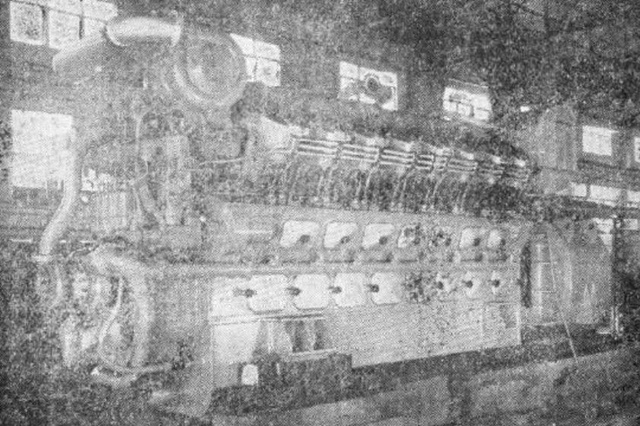
[The Dalian 16V240Z: heavy-duty diesel engines like this compress air to ratios above 15:1, generating the heat for auto-ignition.] Photograph: China Academy of Railway Sciences
Image Credits: Wikimedia Commons
Ignition delay and the hard combustion spike
Here is where the clatter is born. When fuel is injected into the hot air, it vaporizes but does not ignite instantly; a small ignition delay occurs.
During that delay, a substantial amount of fuel accumulates and pre-mixes in the chamber. When the temperature finally triggers ignition, all those fuel-air pockets ignite nearly simultaneously.
This creates what engineers call hard combustion: an extremely fast, uncontrolled pressure spike inside the cylinder. "This sudden, violent pressure increase... is the main source of the characteristic knocking noise," Engineer Fix explains, noting that the combustion wave then slams into the cylinder walls and piston, transmitting loud mechanical vibration through the entire engine structure.
That pressure spike is the heart of the acoustic difference. A petrol engine's flame front spreads smoothly, so pressure builds progressively.
A diesel's pre-mixed pockets detonate together, so pressure jumps almost vertically. The cylinder structure radiates that shock as the percussive knock, rattle, and clatter that drivers recognize instantly.
Highway and Heavy Parts puts the mechanism plainly: in a diesel, multiple pockets of fuel-air mixture ignite nearly simultaneously, resulting in a rapid pressure rise inside the cylinder. That rapid rise produces the sharp knock, and it is a fundamentally different phenomenon from the uncontrolled knock that damages petrol engines.
Diesel knock versus petrol knock
The two kinds of knock are easy to confuse but are opposites in meaning. In a petrol engine, knock is a defect: the air-fuel mixture ignites before the spark plug fires, and it signals poor fuel quality or wrong timing. It is something to fix.
In a diesel, knock is the normal operating mode. The fuel is supposed to auto-ignite, and the premixed-stage combustion that makes the noise is part of the designed cycle. Excessive fuel combustion in the premixed stage can increase the noise, but the knock itself is inherent to compression ignition.
Modern engineering has closed the gap. Refined injection systems, including multiple small injections per cycle instead of one big one, spread the fuel delivery over time and reduce the size of the premixed charge.
Noise-dampening materials, heavier engine blocks, and better combustion chamber design have quieted modern diesels dramatically. As SlashGear notes, technological advances have quieted diesel engines so much that what you hear today bears only a passing resemblance to the noise generators of decades past.
Yet the combustion method still separates them. Diesel engines remain generally louder than petrol engines because compression ignition is inherently more violent than a timed spark burn. No injection strategy can make simultaneous multi-pocket ignition as smooth as a single spreading flame front.
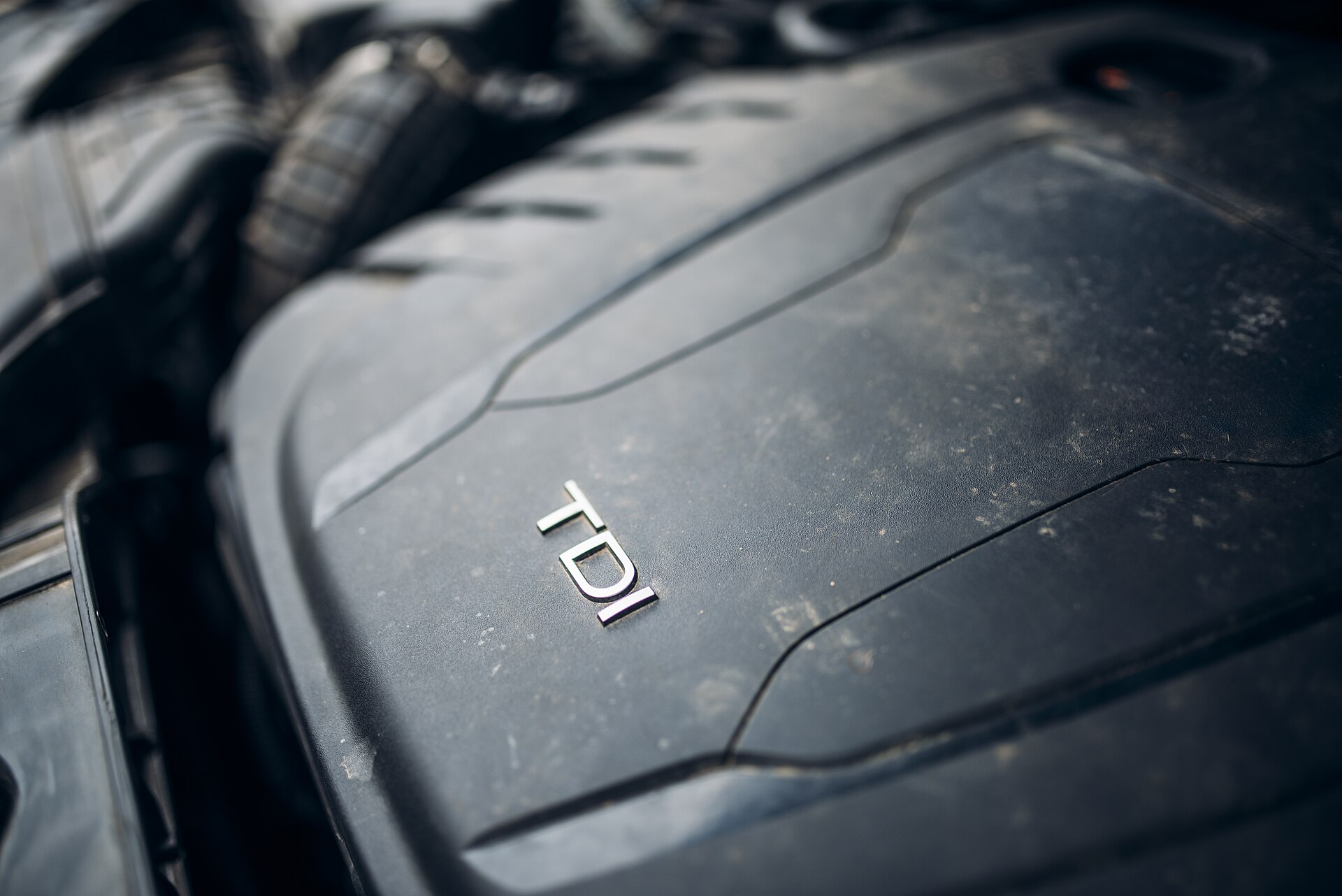
[A modern turbocharged direct-injection (TDI) diesel engine cover; pilot injections in engines like this spread fuel delivery to soften combustion knock.] Photograph: the subject
Image Credits: Wikimedia Commons
Why are diesels so much louder when cold?
Cold starts lengthen the ignition delay, because the cylinder air is cooler and takes longer to reach the fuel's auto-ignition temperature. More fuel accumulates before ignition, so the pressure spike is harder and the clatter is sharper. As the engine warms, the delay shortens and the noise settles.
Is diesel knock bad for the engine?
Normal diesel knock is the designed combustion mode and does not damage a healthy engine. It is fundamentally different from petrol knock, which is uncontrolled pre-ignition. Only excessive or irregular knocking, beyond the engine's usual clatter, warrants investigation.
Why do modern diesels sound quieter than old ones?
Multiple pilot injections spread fuel delivery over time, reducing the premixed charge that ignites at once. Combined with noise-dampening materials and stiffer engine structures, this has cut combustion noise substantially compared with older single-injection designs.
Do diesel and petrol engines have different compression ratios?
Yes. Petrol engines typically run 8:1 to 12:1, while diesel engines run 14:1 to 25:1. The higher diesel ratio is what generates enough heat for auto-ignition, and it is also what makes diesel engines thermodynamically more efficient.
The bottom line
Diesel and petrol engines sound different because they set fire to fuel in fundamentally different ways. A petrol engine's spark starts one smooth flame front; a diesel's injection delay lets fuel accumulate, then ignites many pockets at once, producing the hard combustion pressure spike we hear as clatter. Modern injection technology has softened the noise, but nothing can fully hide the physics: compression ignition will always be the noisier of the two.
Tags: diesel, petrol engine, engine noise
The Rive News research desk writes automotive explainers from engineering sources and public records. No anecdotes, no invented quotes, every mechanism traced to a named source.
Related
- Why Do EVs Lose Range in Winter? Causes and Fixes
- Why Does Your Car Smell Like Petrol After Starting
- Why Does the Check Engine Light Come On and Off by Itself?
- Why does your car make a grinding noise when braking?
Get a new research explainer in your inbox each morning, subscribe to the Rive News newsletter.
Accuracy is a process, not a claim: every factual statement here traces to a cited public source, and corrections are published openly.
Related stories
Why does your car make a squealing noise when starting
A squeal at startup usually means a slipping serpentine belt. Learn the causes, the checks you can do, and when to get a mechanic involved
Why Does Your Car Smell Like Petrol After Starting
A brief petrol smell at startup can be normal cold-start enrichment, but a strong or lingering smell can mean a fuel leak. Learn the causes

What is the difference between petrol, diesel and hybrid cars?
Petrol, diesel and hybrid cars differ in fuel use, torque and running costs. Diesel uses 15-20% less fuel, hybrids win in town, and rules