
Why Does Adding Oil to Pasta Water Not Stop Sticking?
Key takeaways
- Oil and water do not mix, so added oil floats on the surface and never coats the pasta during cooking.
- Pasta sticks because surface starches gelatinize in the first 2 to 3 minutes; stirring then is the real fix.
- Oil only coats the noodles after draining, where it repels sauce instead of helping it cling.
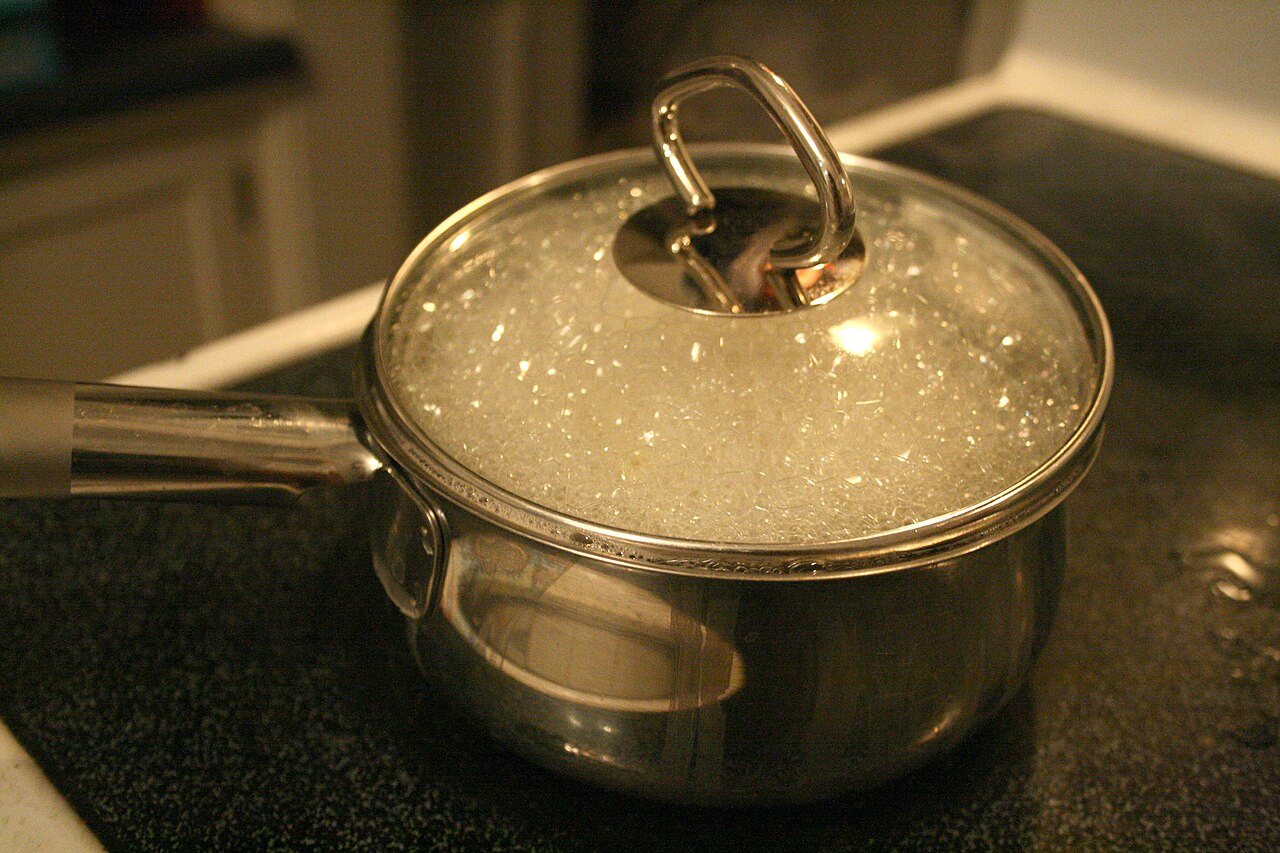
It is one of the most repeated tips in home cooking: drizzle olive oil into the pasta water and the noodles will not stick. Generations of cooks have done it on faith, and plenty of recipe blogs still recommend it. The only problem is the chemistry.
Oil cannot do the job people think it does, for the simplest reason in the kitchen: oil and water do not mix. This article explains why adding oil to pasta water does not stop sticking, what actually makes pasta clump, and the small set of techniques that genuinely work, plus answers to common questions.
Why oil cannot reach the pasta
When you pour oil into boiling water, it does not disperse through the pot and coat each strand. Being immiscible with water, it floats as a slick film on the surface while the pasta cooks below it, untouched. The oil and the noodles occupy the same pot but never meaningfully meet during cooking.
The two meet only at the end, and that is where the real damage happens. As you drain the pasta, every strand passes up through the floating oil layer and picks up a thin, slippery coating. That film then repels sauce: a carefully made marinara or carbonara slides off instead of clinging to the noodle's surface.
So the habit fails twice. It does nothing during cooking, when sticking actually happens, and it actively harms the finished dish afterward. The oil is, in effect, a tax you pay for no benefit: wasted product, greasier noodles, and sauce pooling at the bottom of the bowl.
Food writers sometimes defend the practice by claiming the oil stops the pot boiling over or adds flavor. Neither holds up.
Foam comes from starch, not from a lack of fat, and any flavor in the oil drains away with the water. A larger pot or slightly lower heat handles boil-over; the oil handles nothing.
Why pasta actually sticks
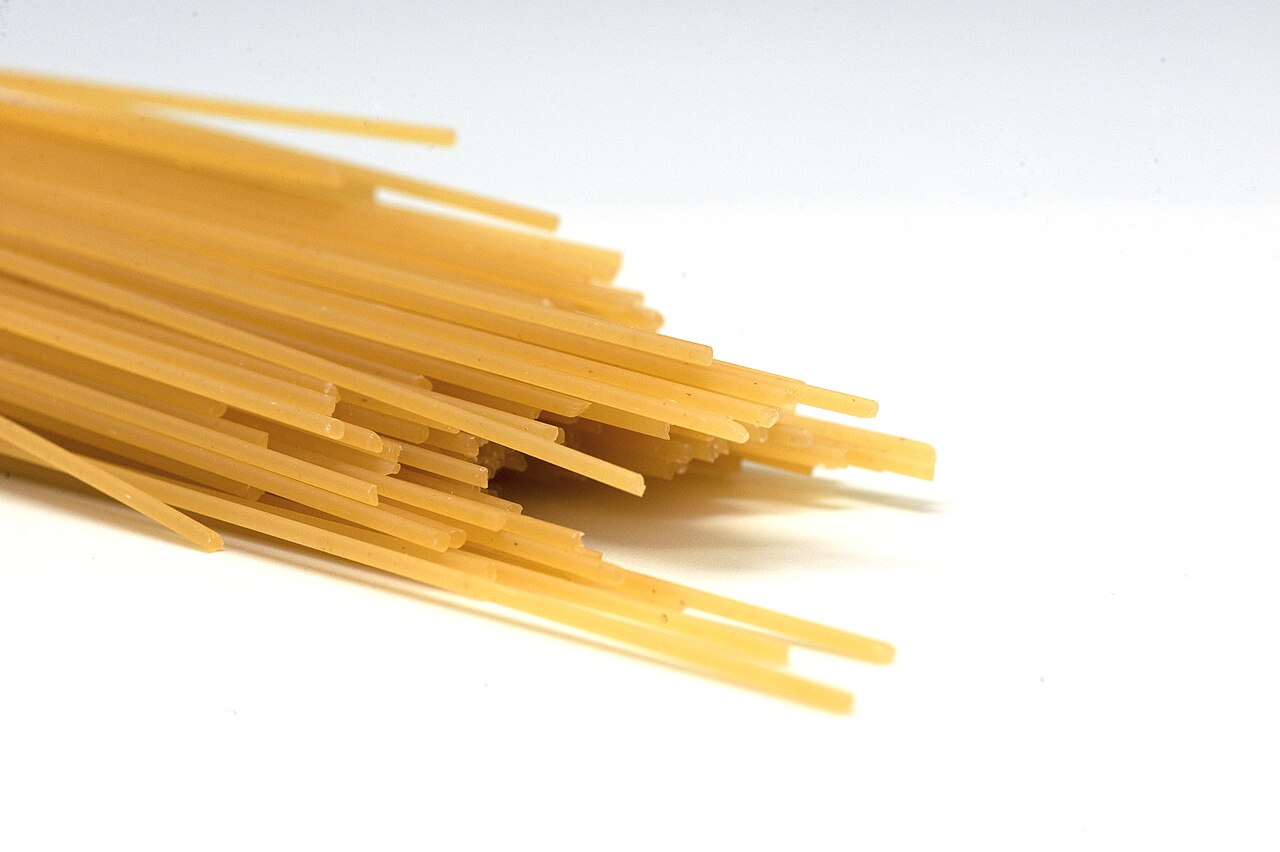
Pasta sticks for one primary reason: starch. Dried pasta is built from a dense network of starch granules, and when those granules hit boiling water their outer layer rapidly hydrates and releases starches into the surrounding liquid.
The critical window is the first two to three minutes. During that period the surface starches are swollen, soft, and at peak stickiness.
If two strands touch while in this state, they bond. Later in cooking those surface starches set and become far less clingy, but bonds formed early tend to hold.
Three conditions make sticking dramatically worse. Too little water concentrates the released starch, turning the cooking liquid thick and gluey.
A weak boil fails to keep strands moving and separated. And skipping the early stir leaves strands resting against each other exactly when they are stickiest.
Shapes matter too. Long flat noodles like linguine present broad surfaces that love to bond, while ridged shapes like fusilli and rigatoni resist clumping better. But no shape is immune to a crowded, under-stirred pot.
What actually prevents sticking
Use far more water than feels necessary. The standard guidance is 4 to 6 quarts per pound of dried pasta, or roughly 4 to 5 liters per 500 grams. Abundant water dilutes the released starch and gives strands room to move without constant contact.
Keep the boil vigorous, especially at the start. A full rolling boil creates turbulence that physically separates the strands while rapidly setting their surfaces. If adding the pasta drops the temperature, keep the heat high until the boil recovers.
Stir early and keep stirring. Get a spoon in within 30 seconds of adding the pasta, and stir again every minute or so through the first few minutes. This single habit prevents more sticking than every hack combined, because it breaks contact during the peak-stickiness window.
Salt the water generously once it boils. Salt seasons the pasta from within as it hydrates; it does not prevent sticking, but properly seasoned pasta needs less rescue work later. Add the pasta only to a full boil, never to lukewarm water, since a slow start extends the sticky phase.
After the drain: the sauce rules
Never rinse hot pasta. Rinsing washes away the surface starch that helps sauce grip the noodle, which is exactly the starch you want to keep. The only exception is cold pasta salad, where rinsing stops the cooking and keeps strands separate.
Sauce the pasta immediately, while it is still damp. Move it straight from the colander into the pan with the sauce and toss for a minute over heat. The residual surface starch thickens the sauce and glues it to each strand.
Save a cup of the pasta water before draining. That cloudy liquid is starch-rich and lightly salted, and a splash of it loosens a thick sauce while helping it cling. It is the professional's secret weapon, and it costs nothing.
If you must hold cooked pasta before saucing, a tiny toss of oil at that stage is acceptable triage for plain noodles destined for a cold dish. But for any hot sauced pasta, skip it: the oil barrier that failed to prevent sticking will now prevent the sauce from sticking instead.
For related kitchen science, see why pancakes come out flat instead of fluffy and how to tell if cooking oil has gone bad.
FAQ
Does oil in pasta water do anything at all?
It does nothing useful during cooking. It floats on the surface, never coats the submerged pasta, and only causes harm after draining by making noodles slippery so sauce slides off.
What if my pasta always sticks no matter what?
Check the three usual culprits: too little water, too weak a boil, and no stirring in the first two minutes. Gluten-free pastas can be extra sticky because of their starch composition; for those, increase the water volume further rather than reaching for oil.
Should I rinse pasta after draining?
Not for hot dishes. Rinsing strips the surface starch that bonds sauce to the noodle. Rinse only for cold pasta salads, where you want strands cool and separate.
Does the type of oil matter?
No. Olive, canola, or any other oil all float on water equally. The chemistry of immiscibility does not care about the label on the bottle.
The bottom line
Adding oil to pasta water does not stop sticking because the oil never touches the pasta during cooking; it only greases the noodles after draining, where it keeps sauce from clinging. Cook in plenty of vigorously boiling water, stir through the first few minutes, and sauce immediately. Your noodles and your sauce will both behave better.
Latest in Food & Cooking
- Why do pancakes come out flat instead of fluffy?
- How to tell if cooking oil has gone bad
- Why do onions make you cry, and how do you stop it?
- How to keep avocados from turning brown
Get one practical kitchen explainer like this every morning. Subscribe to the Rive News newsletter.
Image Credits: Wikimedia Commons / Ildar Sagdejev (Specious), Popo le Chien, Italy's Best Foods: Pasta Faella
Related stories
Why Does Bread Go Stale Faster in the Refrigerator?
Bread goes stale faster in the fridge because starch recrystallizes fastest near 4°C. Here is the retrogradation science and the right way
Baking soda and baking powder: what's the difference?
Baking soda is pure sodium bicarbonate; baking powder adds two dry acids for double-acting lift. Learn when to use each, plus exact
What Is the Maillard Reaction in Simple Terms?
The Maillard reaction is the browning chemistry between amino acids and sugars above 140 C that creates the crust, color, and rich flavor