
How to tell if cooking oil has gone bad: 5 signs to check
By Rive News / Research desk | Rive News / Published October 24, 2026 at 9:00 AM PKT
Key takeaways
- The smell test is decisive: fresh oil smells neutral, while rancid oil smells like paint, crayons, or cardboard.
- Oil that smokes well before its normal smoke point has degraded and should be replaced.
- Refined oils last 6 to 12 months once opened; extra virgin olive oil lasts 3 to 9 months.
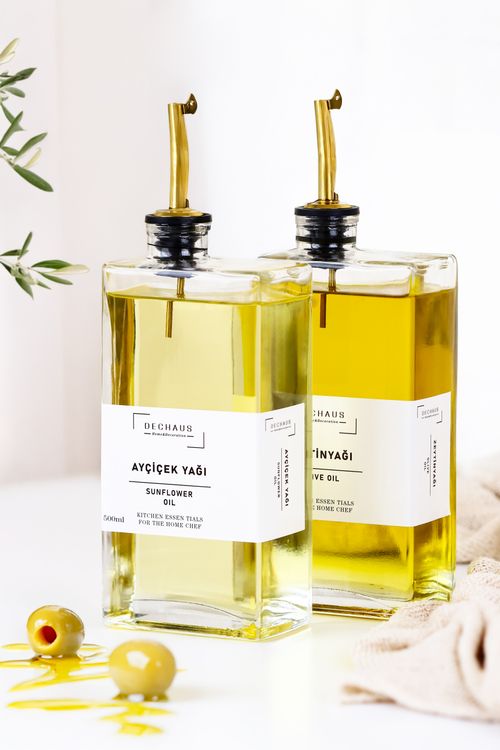
[Olive and sunflower oils in glass bottles with olives. Unrefined oils go rancid faster than refined ones because their fragile flavor compounds oxidize sooner. Photograph: cooking oils in glass bottles]
Image Credits: Pexels
Cooking oil does not rot like milk, but it does go bad. The process is called rancidity: oxygen, light, and heat break the oil's fats down into compounds that smell off, taste bitter, and cook badly. Michigan State University notes that cooking oils go rancid over time, and that processing steps like hydrogenation slow the process by making fats more stable.
Most kitchens hold at least one bottle past its prime. The good news is that your senses can judge a bottle in under a minute. This article covers the five checks, how long each oil type really lasts, and the storage rules that keep oil fresh twice as long.
The 5-second smell test comes first
Smell is the fastest and most reliable test. Fresh oil smells neutral or faintly like its source: olives, peanuts, sesame. Rancid oil announces itself.
The off smells to watch for: sour, paint-like, cardboard-like, or crayon-like aromas. Some guides describe rancid oil as smelling slightly sweet, like adhesive paste, or fermented. Any of these means oxidation has set in.
Do the test properly. Pour a tablespoon into a small cup, warm it with your hands, and sniff.
Cold oil straight from a dark bottle hides its flaws. If the smell makes you hesitate, trust the hesitation.
Look at it: color, clarity, and texture
Your eyes get the second vote. Compare the oil to how it looked when new. Oil that has darkened noticeably, turned cloudy in a clear bottle, or developed sediment it did not have is degrading.
Texture tells the same story. Run a drop between your fingers. Fresh oil feels slick and fluid.
Old oil can feel thick, sticky, or gummy, and you may find a tacky film around the bottle's neck or cap. Sludge at the bottom of the bottle is another bad sign.
One exception: some unrefined oils cloud in the refrigerator and clear up at room temperature. That is a temperature effect, not spoilage. Cloudiness at room temperature in a refined oil is the version that matters.
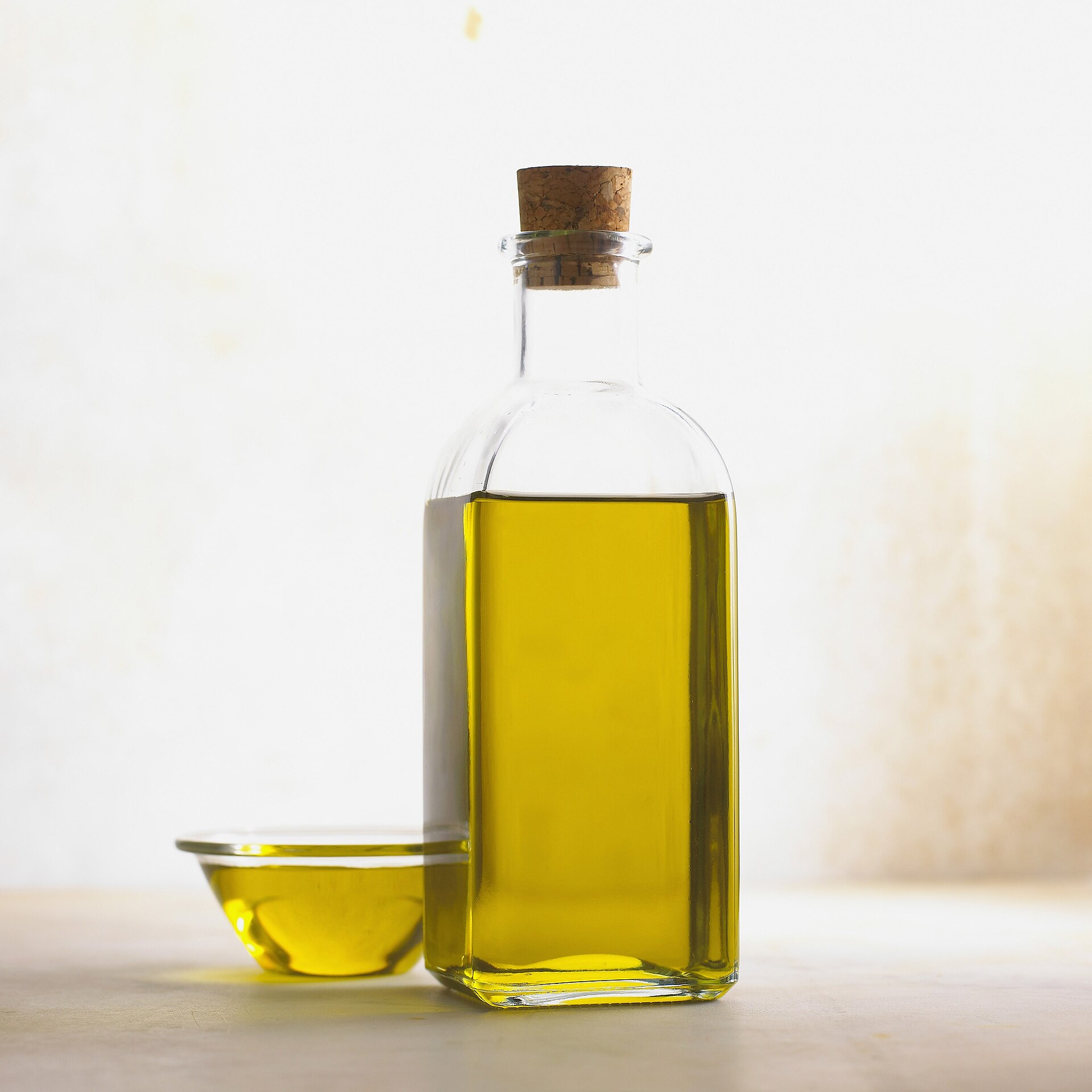
[A bottle of olive oil stored on a shelf. Light and heat near the stove speed up rancidity, so the pantry beats the countertop. Photograph: a bottle of olive oil]
Image Credits: Wikimedia Commons
The smoke-point check most people skip
Here is the test most guides bury or omit: degraded oil smokes earlier than it should. Every oil has a characteristic smoke point, the temperature where it starts breaking down visibly. As oil oxidizes, that point drops.
If your canola oil starts smoking in a pan where it used to sit calm, the oil has changed, not your stove. Heavy foaming or extra spattering at familiar temperatures points the same way. For frying, worn oil also darkens food and carries stale flavors into each batch.
This check is especially useful because it catches degradation the nose might miss in a hot kitchen. You do not need a thermometer. You need to notice when the oil behaves differently than it used to.
How long different oils actually last
Calendar dates are a rough guide, but the ranges below, compiled from kitchen references, are the numbers to know. Best-by dates assume factory sealing and cool, dark storage.
| Oil type | Unopened | Opened |
|---|---|---|
| Refined vegetable or canola | 12-24 months | 6-12 months |
| Refined olive oil | 12-18 months | 6-12 months |
| Extra virgin olive oil | 12-18 months | 3-9 months |
| Peanut or refined nut oil | 12-18 months | 6-12 months |
| Sunflower, safflower, corn | 12-24 months | 6-12 months |
Unrefined and cold-pressed oils bring more flavor but turn sooner, because the same fragile compounds that make them taste good oxidize fast.
The US Department of Health and Human Services recommends keeping unopened olive and vegetable oils in a dark, dry place for 6 to 12 months after purchase, which lines up with the opened-bottle ranges above.
When in doubt, the senses overrule the calendar. A bottle within its date range that smells like crayons is done. A bottle slightly past it that smells clean is probably fine.
Storage rules that slow rancidity
Rancidity has three accelerants: heat, light, and air. Storage is mostly about keeping all three away from the bottle.
Keep oil cool and dark. A pantry or cupboard away from the stove beats the countertop next to it.
Chef's Resource gives the ideal range as 60 to 70°F (15 to 21°C). Heat near the stove speeds oxidation dramatically, which is why the bottle parked beside the burner ages fastest.
Block the light. Quality oils ship in dark glass or metal tins for a reason: light drives the same oxidation as heat. If your oil came in a clear bottle, move it into the cupboard rather than leaving it out as decoration.
Seal it tight and keep it dry. Oxygen seeps in through the headspace and the cap threads, especially when oil drips down the neck.
Wipe the neck, close the cap firmly, and keep moisture out, since water accelerates the breakdown. Refrigeration helps short-lived unrefined oils like walnut or flaxseed, though olive oil may cloud in the fridge.
These rules matter beyond oil. The same careful-kitchen habits apply when you learn why onions make you cry or why milk curdles when heated: a little chemistry goes a long way.
Frequently asked questions
Can you get sick from rancid cooking oil?
Rancid oil is unpleasant rather than acutely dangerous in small amounts, but oxidized fats are not something to eat regularly. The bigger cost is ruined food: rancid oil makes everything it touches taste bitter and stale. Replace it.
Does cooking oil expire or just go rancid?
Oil does not "expire" the way dairy does, and it rarely grows mold. It degrades through oxidation, which is what "rancid" means. The best-by date is the maker's estimate of when that degradation becomes noticeable under good storage.
Can I still use oil that smells slightly off for frying?
No. High heat does not fix rancid oil; it makes things worse by generating more breakdown compounds and smoking at lower temperatures. If it fails the smell test, it fails for every use.
Should I refrigerate all cooking oil?
Not all of it. Refrigeration helps fragile unrefined oils, but most everyday cooking oils do fine in a cool, dark pantry at 60 to 70°F. The fridge can cloud olive oil and makes pouring annoying, with little benefit for refined oils.
The bottom line
Telling if cooking oil has gone bad takes less than a minute: smell it, look at it, and notice how it behaves in the pan. Paint-like smells, darkening, stickiness, and early smoking all say the same thing: replace the bottle. Then store the new one cool, dark, and sealed, and you will buy oil half as often.
Tags: cooking oil, food safety, kitchen tips, storage
The Rive News research desk covers study methods, workplace skills, and everyday science, drawing on published research rather than folk wisdom.
Related
- Why Do Onions Make You Cry? The Kitchen Chemistry Explained
- Why does milk curdle when heated or mixed with acid: the science
- Why do some cakes sink in the middle?
- What Is the Difference Between Granulated and Caster Sugar?
Get one practical kitchen tip in your inbox every morning.
Rive News publishes research-based explainers. Corrections: reply to any article and we will fix verified errors promptly.
Related stories
Why Does Bread Go Stale Faster in the Refrigerator?
Bread goes stale faster in the fridge because starch recrystallizes fastest near 4°C. Here is the retrogradation science and the right way
Baking soda and baking powder: what's the difference?
Baking soda is pure sodium bicarbonate; baking powder adds two dry acids for double-acting lift. Learn when to use each, plus exact

What Is the Maillard Reaction in Simple Terms?
The Maillard reaction is the browning chemistry between amino acids and sugars above 140 C that creates the crust, color, and rich flavor