
What Is the Difference Between Granulated and Caster Sugar?
Key takeaways
- Both sugars are refined sucrose, so the difference is crystal size, not chemistry.
- Caster sugar dissolves faster and gives a finer crumb, while granulated sugar adds structure and crunch.
- Swap by weight, not volume, and mix longer when granulated sugar stands in for caster sugar.
Open a baking recipe from the UK and it may call for caster sugar. Open the same kind of recipe from the US and it may call for granulated sugar.
The two look alike in the bag, pour alike, and taste alike on the tongue. The difference shows up in the mixing bowl, where crystal size decides how fast sugar dissolves and how smooth the batter turns out.
This article explains the difference between granulated sugar and caster sugar in baking, including what each sugar is, how crystal size changes baking, when the swap works, when caster sugar matters most, and how to make caster sugar at home.
What granulated sugar is
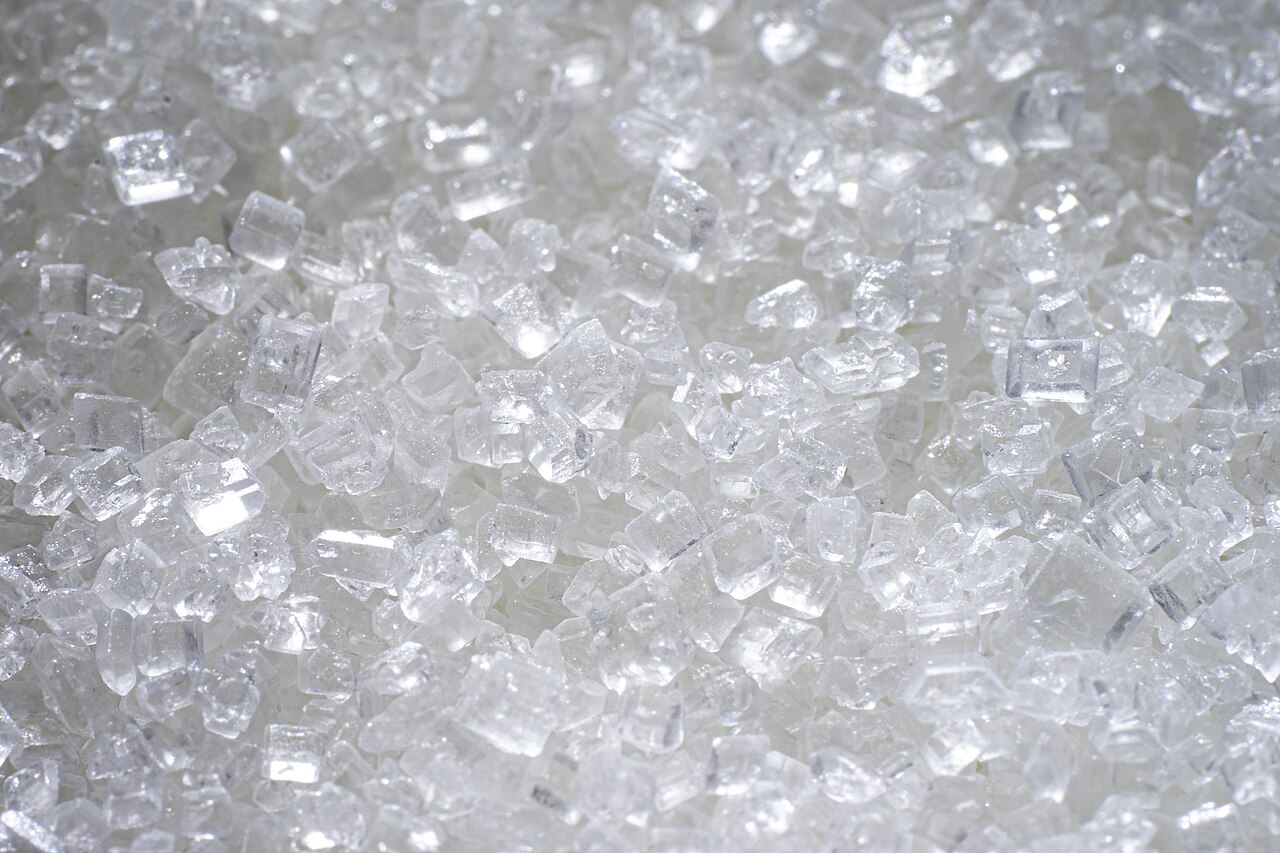
Granulated sugar is standard white table sugar. Its crystals are larger and clearly defined, which is why the grains feel slightly gritty when rubbed between two fingers. It is the most common sugar in home and commercial kitchens, and it is the default for everyday baking, cooking, sauces, and sweetening drinks.
The larger crystals dissolve more slowly than caster sugar. In hot liquids or during long mixing, that difference barely matters, since time and heat finish the job. In cold mixtures or short mixing processes, undissolved crystals can linger and show up as a slightly speckled surface or a coarser bite.
Slow dissolving is not a flaw. Granulated sugar interacts with fat in a useful way during creaming, contributes structure in cookies, and can add a subtle crunch where a little texture is welcome. For many recipes, it is the right tool, not a compromise.
What caster sugar is
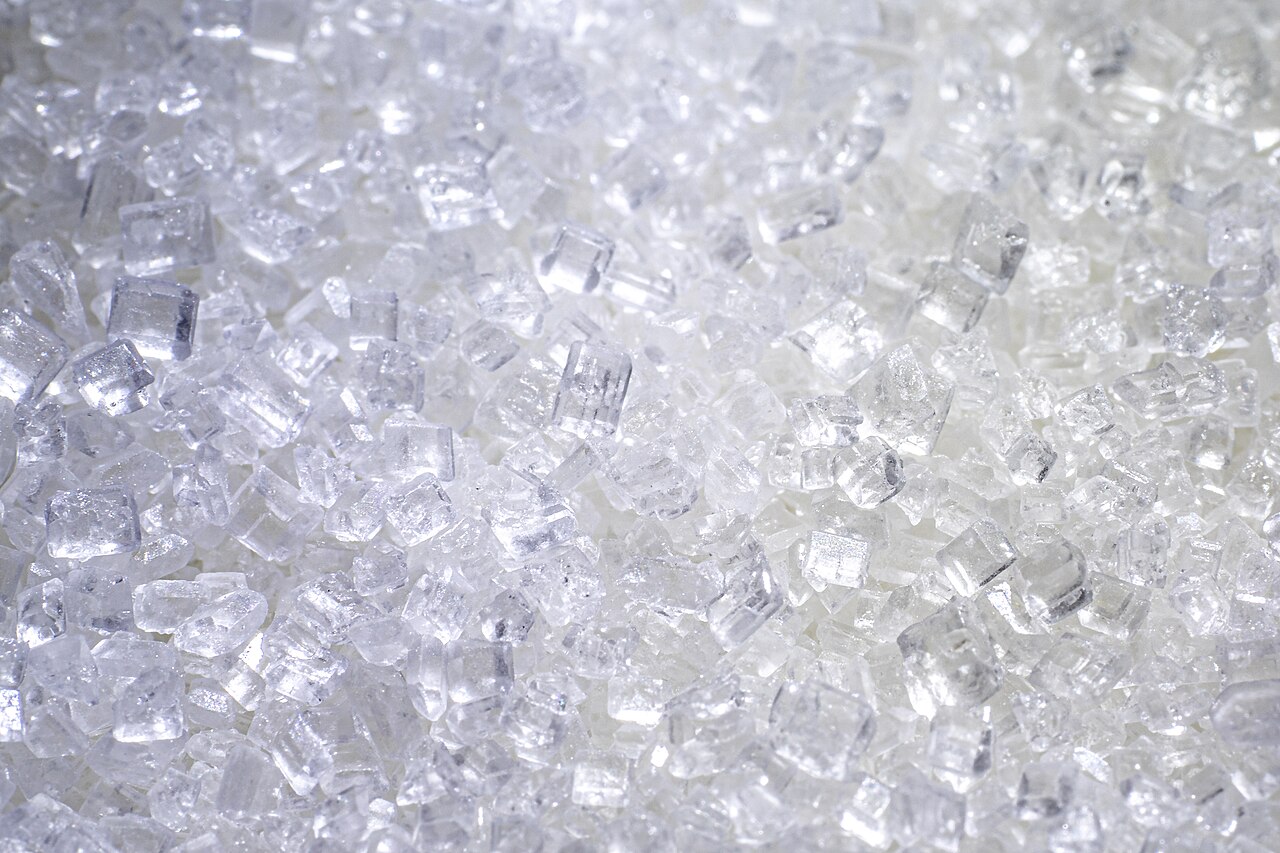
Caster sugar, also spelled castor sugar, is white sugar with very fine crystals. It is finer than granulated sugar but not ground into a powder. The texture is often compared to fine sand rather than dust, and it still pours freely without clumping.
In the US, the same product is often sold as superfine sugar, baker's sugar, or bar sugar. In the UK and Australia, caster sugar is the everyday baking sugar. Whatever the label, the defining feature is the same: smaller crystals.
Because the crystals are smaller, caster sugar dissolves faster. That speed matters in whipped egg whites, whipped cream, sponge cakes, mousses, and cold drinks, where sugar needs to disappear without heat or long mixing. Bakers Authority notes that caster sugar blends smoothly into batters and helps produce a lighter, more uniform texture.
How crystal size changes baking
Crystal size controls surface area, and surface area controls dissolving speed. Smaller crystals expose more surface to liquid, so caster sugar dissolves faster when it meets moisture.
Larger crystals take longer and may stay intact through a short mix. Everything else in baking flows from that single physical fact.
Creaming is the clearest example. Creaming beats sugar crystals into butter to trap air, and those air pockets help the bake rise.
Granulated sugar's larger crystals cut bigger pockets, which suits cookies and denser bakes. Caster sugar integrates more smoothly and dissolves sooner, which suits fine-crumbed cakes and delicate foams.
Published size figures vary by source, but the order is consistent. Caster crystals run near 0.3 to 0.5 millimetres, while granulated crystals run near 0.5 to 0.7 millimetres.
The gap looks small on paper. In a meringue, it is the gap between smooth and grainy.
Weight matters too. A cup of caster sugar packs slightly more weight than a cup of granulated sugar, since fine crystals sit closer together.
Baking guides put a cup of granulated sugar near 200 to 220 grams and a cup of caster sugar near 225 grams. That is why swaps should be made by weight, not by volume.
When the swap works
In most home baking, the two sugars swap with small adjustments. Sturdy cakes, pound cakes, banana bread, carrot cake, tray bakes, muffins, and simple cookies have enough mixing time and moisture to dissolve granulated sugar. The crumb may be slightly more open and the top may brown a bit less evenly, but the bake will still please most eaters.
Two adjustments close the gap. First, cream the butter and sugar longer when granulated sugar stands in for caster sugar, so the crystals have time to break down and trap air.
Scrape the bowl sides so stray crystals do not hide in the corners. Second, swap by weight, not by volume, since the cup weights differ.
King Arthur Baking's sugar guide, cited by KitchPrep, notes that granulated sugar can stand in for superfine sugar by weight, and that pulsing it briefly in a food processor helps it behave more like caster sugar. That one step covers most of the difference in ordinary cakes.
For more on the science behind browning and flavour, see our explainer on the Maillard reaction and why it makes food taste better. If a bake turns out too salty, our guide on how to fix an oversalted dish without starting over can help. And if you are serving a roast, read why you should rest meat after cooking before carving.
When caster sugar matters most
Caster sugar earns its place when sugar has little time or heat to dissolve. Meringues top the list.
Fine crystals dissolve quickly into whipped egg whites, which lets the foam stay smooth and stable. Granulated sugar can work in a meringue, but it needs slower mixing for longer, and the finish may stay faintly grainy.
Light sponges, chiffon cakes, angel food cakes, and genoise lean on the same logic. These bakes rely on air beaten into eggs and sugar, and fast-dissolving crystals build a finer, more even foam. A recipe that warms eggs and sugar over a bain-marie before whipping is a clear sign the writer wants very quick dissolving.
Cold liquids are the other case. Caster sugar dissolves in iced tea, cocktails, and syrups without heat, which is why bartenders call it bar sugar.
Granulated sugar in a cold drink needs time or agitation, and often leaves grit at the bottom of the glass. Caramel is the exception that favours granulated sugar, since its larger crystals dissolve predictably under high heat.
How to make caster sugar at home
If a recipe calls for caster sugar and your pantry holds only granulated sugar, make it in under a minute. Add granulated sugar to a food processor, blender, or clean coffee grinder. Pulse briefly until the crystals turn superfine but still pour freely.
Check often. The goal is fine sand, not powder.
Overprocessing turns sugar into powdered sugar, which behaves very differently in baking, since it often contains cornstarch and dissolves into a paste rather than a crystal structure. Short pulses and frequent checks keep you on the right side of that line.
Homemade caster sugar performs like store-bought versions in most recipes. Label the jar if you make a batch, since the two sugars look alike once the bag is gone. A small piece of tape with the word caster saves a future mix-up.
Can I use granulated sugar instead of caster sugar in meringues?
You can, but expect more work and a slightly grainier finish. Mix at a lower speed for longer so the crystals dissolve, or pulse the granulated sugar in a food processor first to make it finer.
Is caster sugar the same as powdered sugar?
No. Caster sugar is finely ground crystal sugar that still pours freely. Powdered sugar, also called icing sugar, is ground far finer and usually contains cornstarch to stop clumping.
Does caster sugar make cakes lighter?
It can produce a finer crumb, since it dissolves quickly and blends smoothly into batter without leaving undissolved crystals. Longer creaming with granulated sugar can get close in sturdy cakes.
Is caster sugar sweeter than granulated sugar?
No. Both are refined sucrose with the same sweetness per gram. The difference is crystal size and how fast the sugar dissolves, not how sweet it tastes.
Why do some recipes insist on caster sugar?
Those recipes depend on fast dissolving, fine foam, or smooth texture. Meringues, sponges, mousses, and cold drinks all benefit, and the recipe writer is protecting the texture, not following a fashion.
The bottom line
Granulated and caster sugar are the same sugar in different crystal sizes. Caster sugar dissolves faster and suits delicate bakes, foams, and cold drinks.
Granulated sugar dissolves slower and suits cookies, caramel, and everyday baking. Swap by weight, mix longer when needed, and pulse granulated sugar in a food processor when a recipe truly needs the fine grind.
Tags: sugar, baking, caster sugar, granulated sugar
Latest in Food
- The Maillard reaction and why it makes food taste better
- How to fix an oversalted dish without starting over
- Why you should rest meat after cooking
- How to cook rice that is never sticky or burnt
Subscribe for one practical food guide each week.
Related stories

Why Does Bread Go Stale Faster in the Refrigerator?
Bread goes stale faster in the fridge because starch recrystallizes fastest near 4°C. Here is the retrogradation science and the right way

Baking soda and baking powder: what's the difference?
Baking soda is pure sodium bicarbonate; baking powder adds two dry acids for double-acting lift. Learn when to use each, plus exact

What Is the Maillard Reaction in Simple Terms?
The Maillard reaction is the browning chemistry between amino acids and sugars above 140 C that creates the crust, color, and rich flavor